When to Get Help
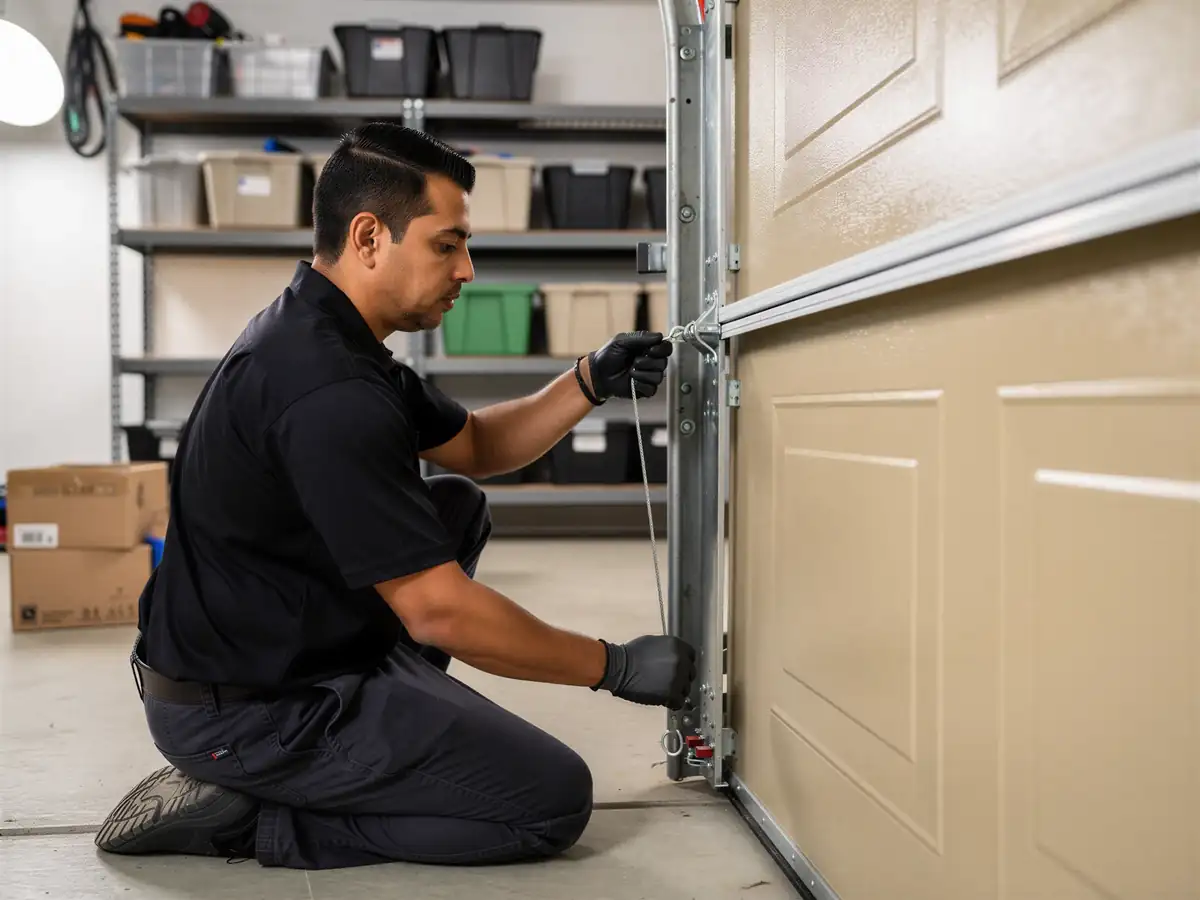
If your door is slow to open, sags on one side, or the spring makes a bang before it stops lifting
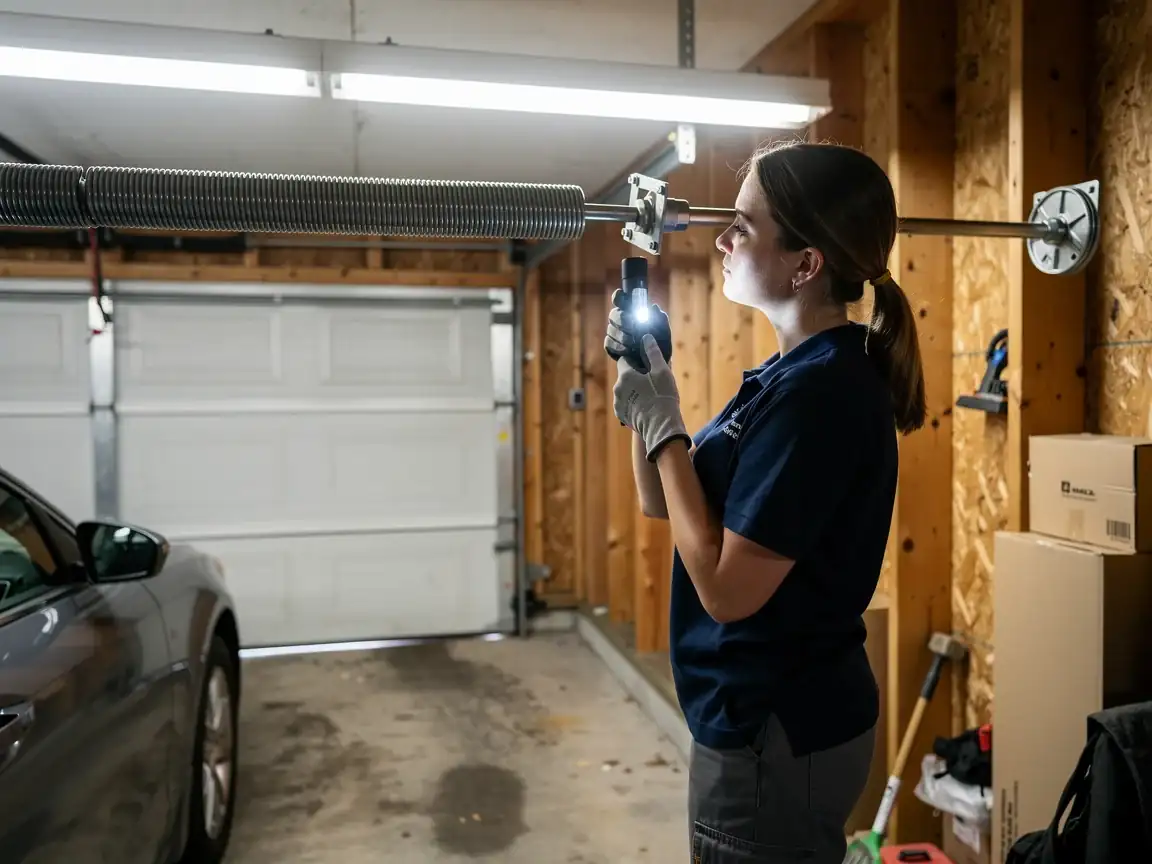
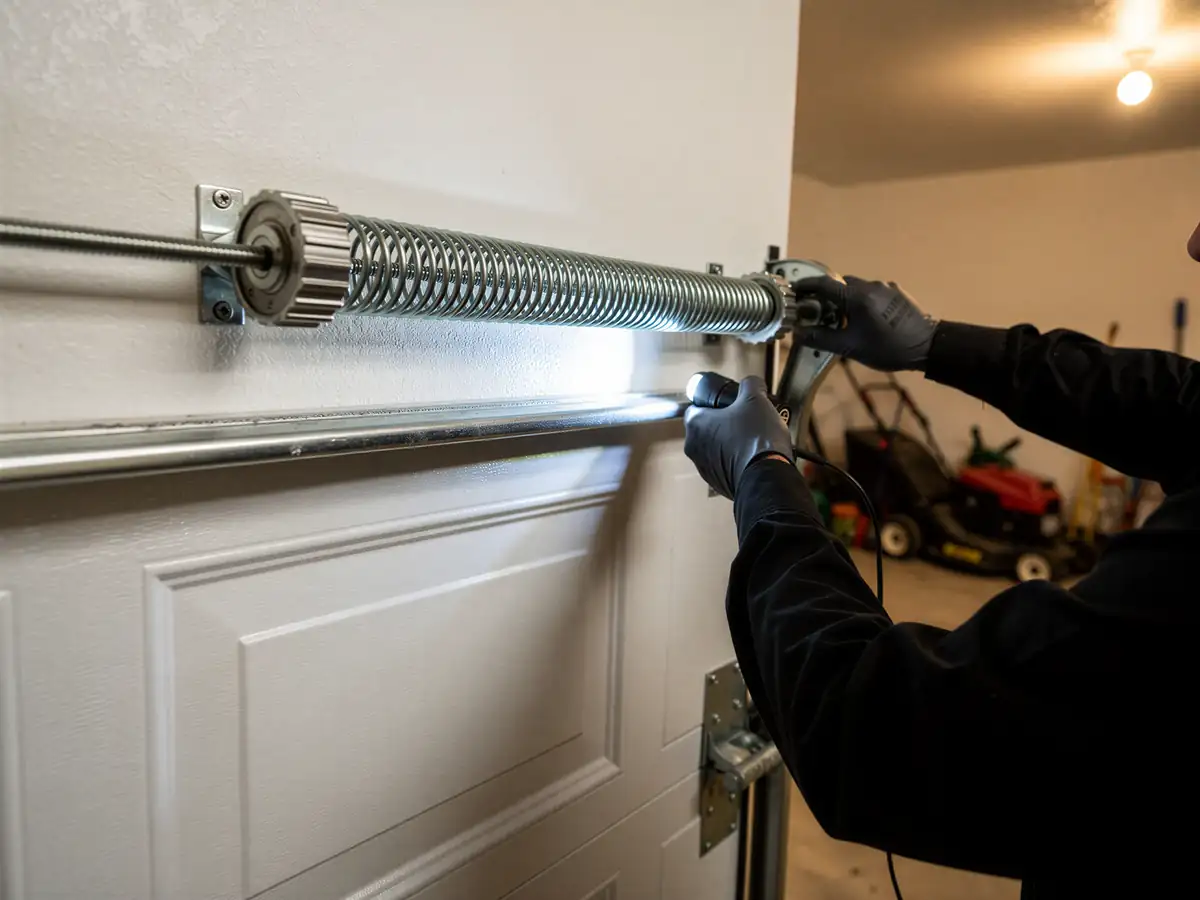
That's not a maintenance item - that's a torsion spring at the end of its life. In this service area, housing goes back to 1938, with the bulk of it built through the 1980s and 90s. A door installed when a 1980s house was new is well past the point where parts are getting harder to source, and a spring that's fatigued from three decades of cold winters doesn't give much warning before it snaps.
Call for a look rather than a full tear-out when the opener still runs smooth, the track is straight, and the panels aren't rusted through at the bottom
Those are repair situations. Call for a replacement conversation when the door is original to a house built before the 1980s, when panels are dented past the point of balance, or when you're already fixing the same spring or cable for the second time in a few years. At that point you're paying repair prices for a door that's going to need the next repair anyway.
The Situation
This service area covers 145,790 households, and 81,921 of those are owner-occupied houses - not rentals, not condos with a management company handling the door. That matters, because it means most of the calls here are homeowners deciding, on their own budget, whether to fix what's there or replace it outright.
Median household income in the area runs $124,847, and that shows up in what people choose once they decide to replace: insulated steel doors with a heavier gauge skin, rather than the thinnest option on the shelf. It's not that cheaper doors don't exist - it's that most owners here are weighing a door against a house that's already a real investment, and they'd rather spend once.
Housing stock across the area is mostly 1980s and 90s construction, spread across more than fifty named neighborhoods and nearby towns, including places like Lake Bluff, Bannockburn, Lincolnshire, and Libertyville a few miles out. A door that fit a 1985 opening doesn't always match a current code-compliant replacement without some adjustment to the track or header.
What Most People Get Wrong
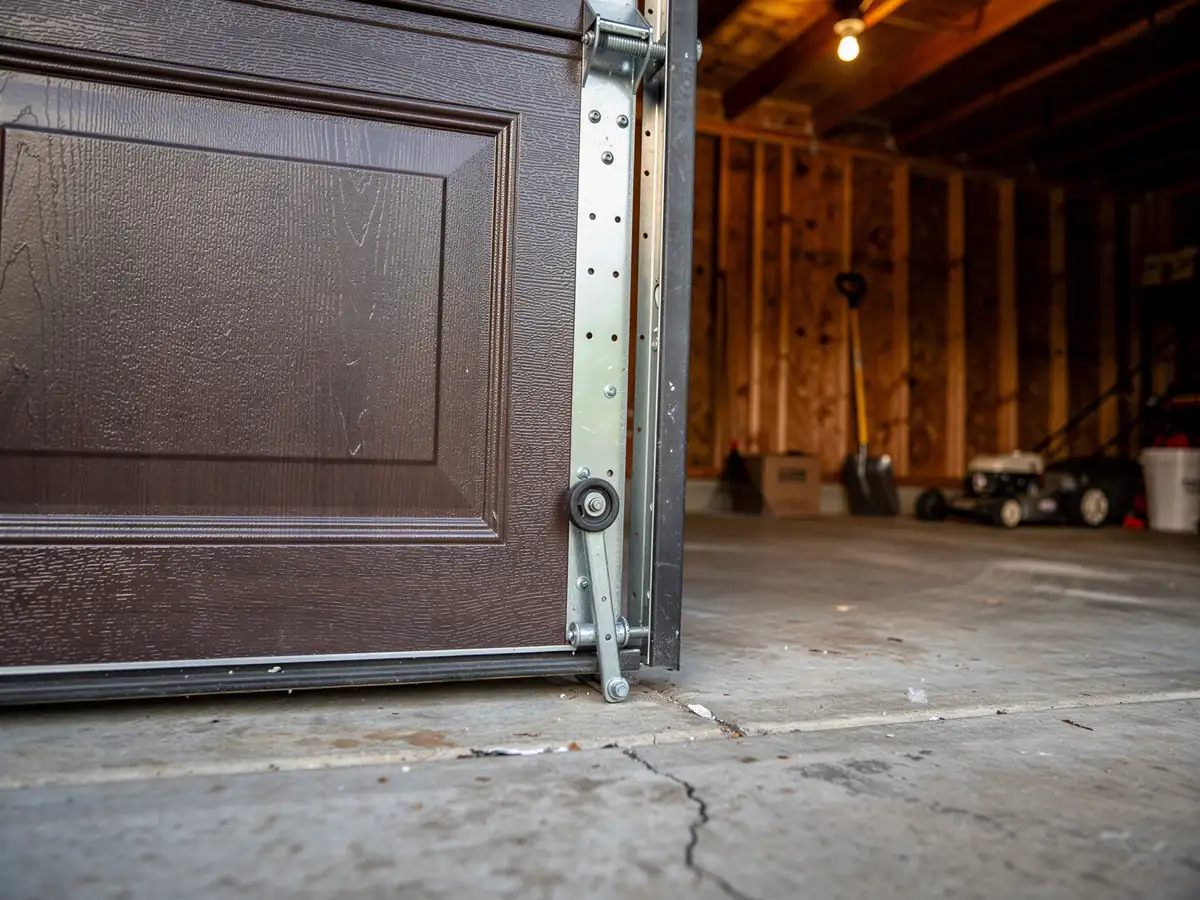
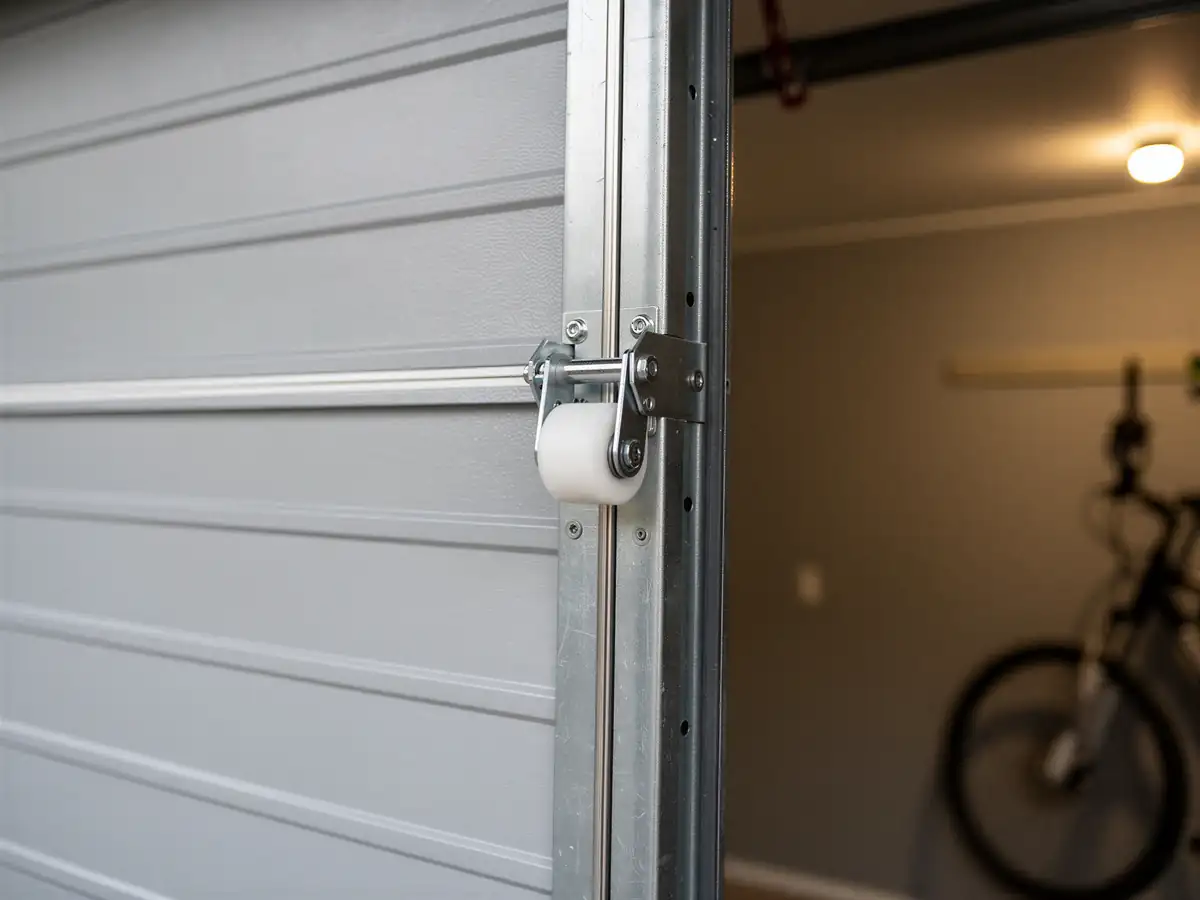
The biggest mistake is assuming a new door will drop into an old opening with no changes. Houses built through the 1980s and 90s often used extension springs with lighter-duty track brackets, not the torsion setup that's standard now. Swap in a modern door without checking the hardware behind it, and you can end up with a door that's heavier than the springs are rated for, or a header that wasn't built to carry a torsion bar's load.
The second mistake is buying on panel look alone. A door that matches the house visually but comes in a lower insulation rating than what the opening can actually support is a door you'll be unhappy with by the second winter. Given how much of the stock here dates to the 1980s, a lot of garages were built before insulated doors were standard, which means the opening itself may need weatherstripping or a new bottom seal to actually get the benefit of a better door.
If your house was built before 1960, be aware we may not be able to match the original panel profile - manufacturers don't make some of those older styles anymore, and that's a real limitation, not a sales pitch for something fancier.
What Local Conditions Do
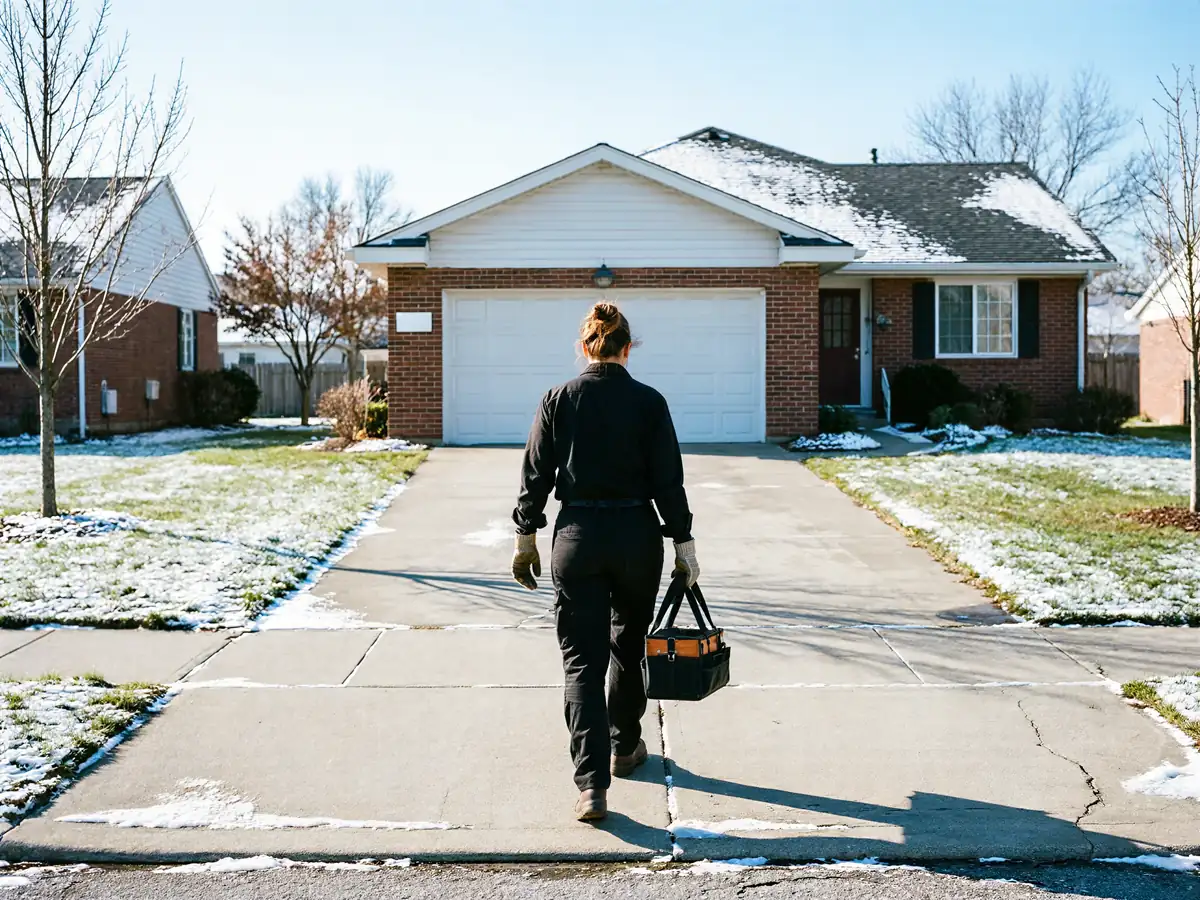
This area sits in a cold moderate climate band
And that has a direct effect on garage doors, not just on comfort. Steel contracts in cold weather, and a torsion spring that's already stretched thin from age loses tension faster through repeated freeze-thaw cycles than it would in a milder climate. That's part of why spring failures here cluster in late winter - the spring has been working harder all season and finally gives.
Insulation matters more here than in a lot of markets for the same reason
A garage attached to a living space, which is common in housing built through the 1980s and 90s in this area, loses heat through an uninsulated door fast enough to show up on a heating bill. When you're replacing a door anyway, going with a higher R-value panel is one of the few upgrades that pays for itself through a full winter rather than just sitting there looking better.
Moisture is the other piece
Freeze-thaw cycling pushes water into any gap at the bottom seal or weatherstrip, and that water refreezing is what eventually cracks a seal that looked fine in October. None of this is dramatic, but it's the reason a door that would last two decades somewhere milder needs attention sooner here.