When to Get Help
Call when the door stops moving smoothly, not just when it stops moving at all
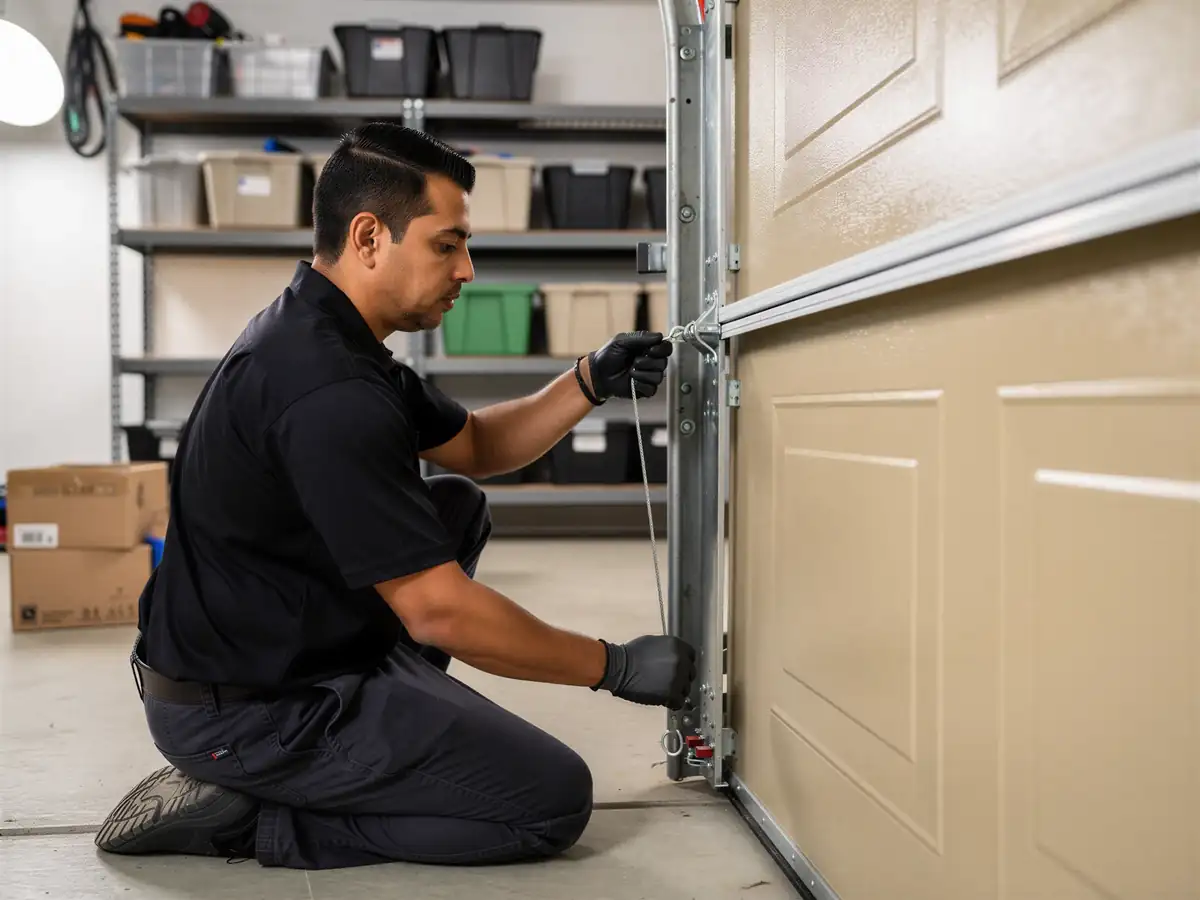
A door that slams the last six inches instead of settling has a spring losing tension - common on houses built in the 1938 to 2009 range that make up this area, where original torsion hardware is decades past its rated cycle count. A door that reverses on its own, or an opener that runs but the door doesn't move, both point to something mechanical, not electrical, in most cases.
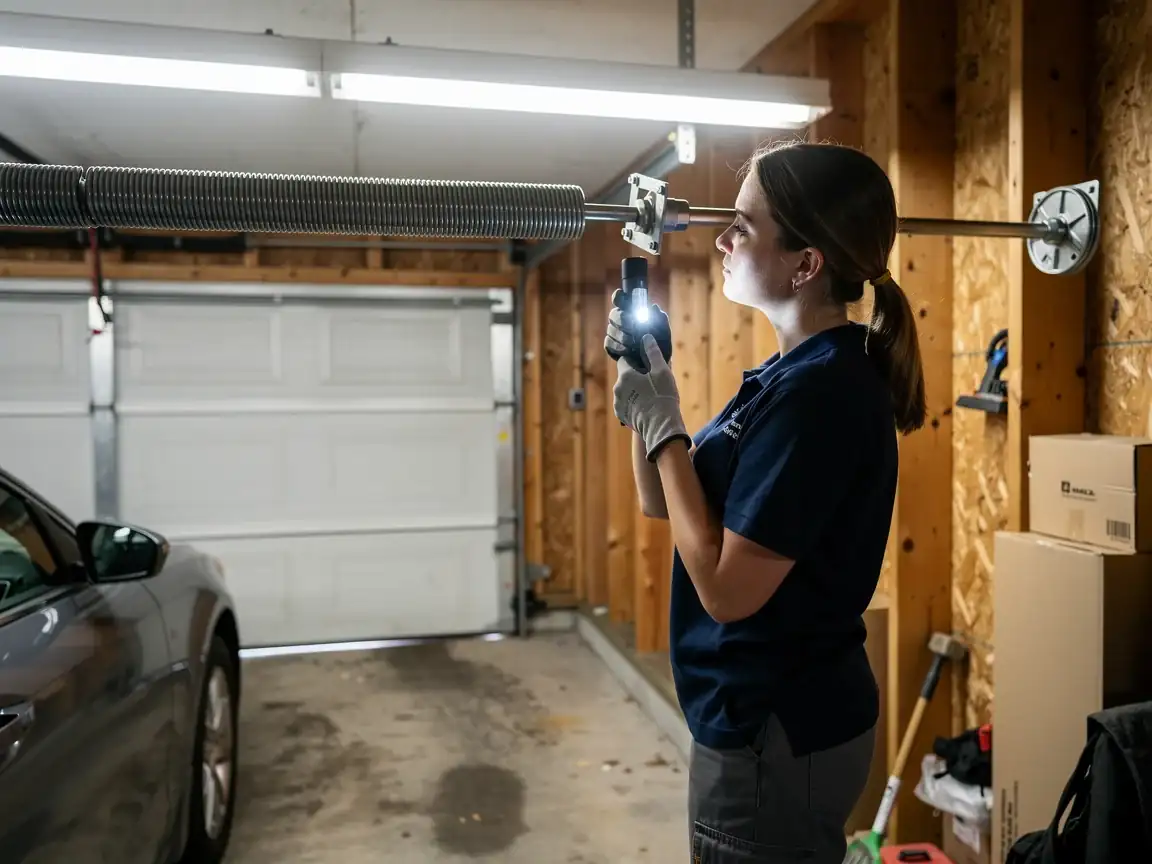
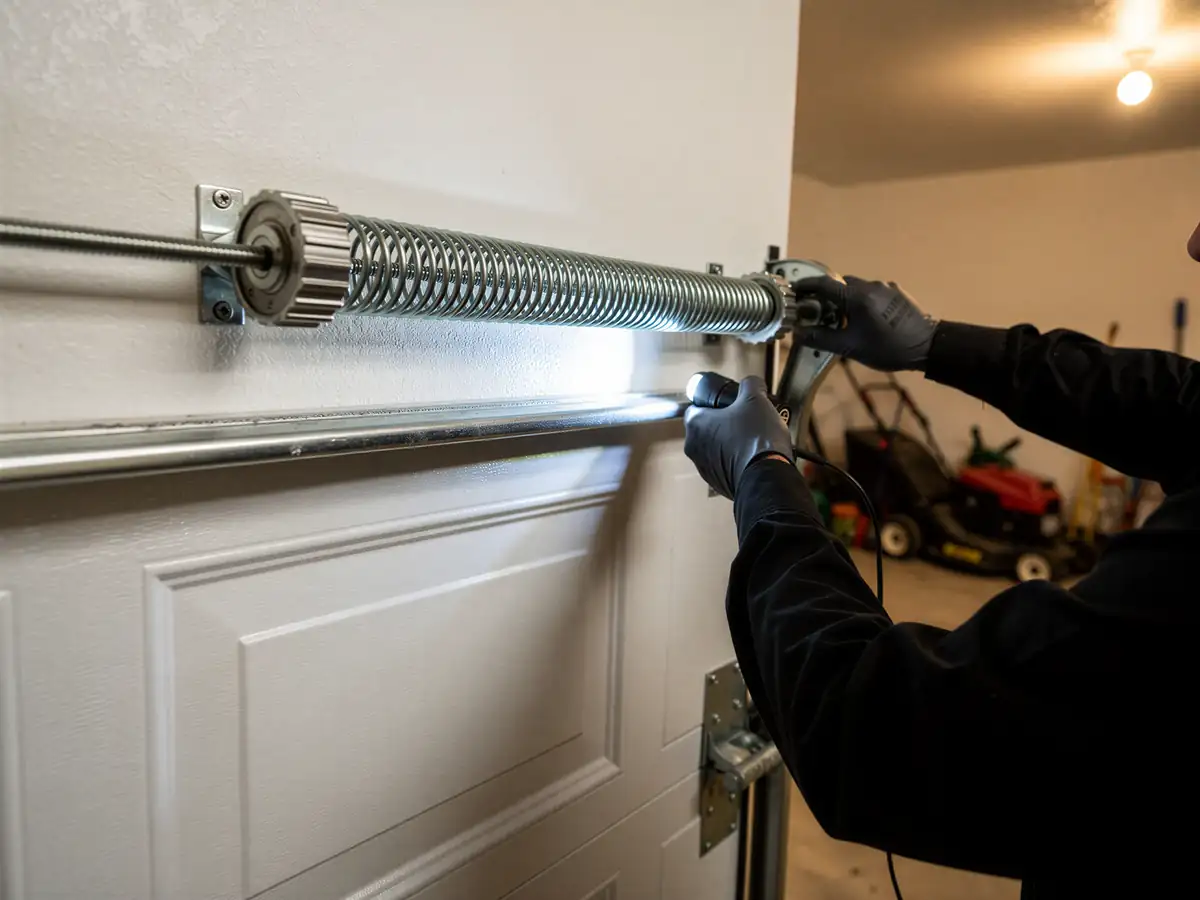
If you hear a loud bang from the garage, that's very likely a spring breaking
Not the door itself failing. Don't try to open the door by hand after that - the cable and drum are still under load. Grinding or a track that's visibly pulled away from the frame means stop using the door and call rather than keep cycling it, because every cycle on a bent track widens the gap.
A slow start-to-stop opener
Or one that needs the wall button held down, usually means the logic board or a limit switch is failing, not the motor. None of these are emergencies that require shutting off power to the house, but none of them get better with time either.
The Situation
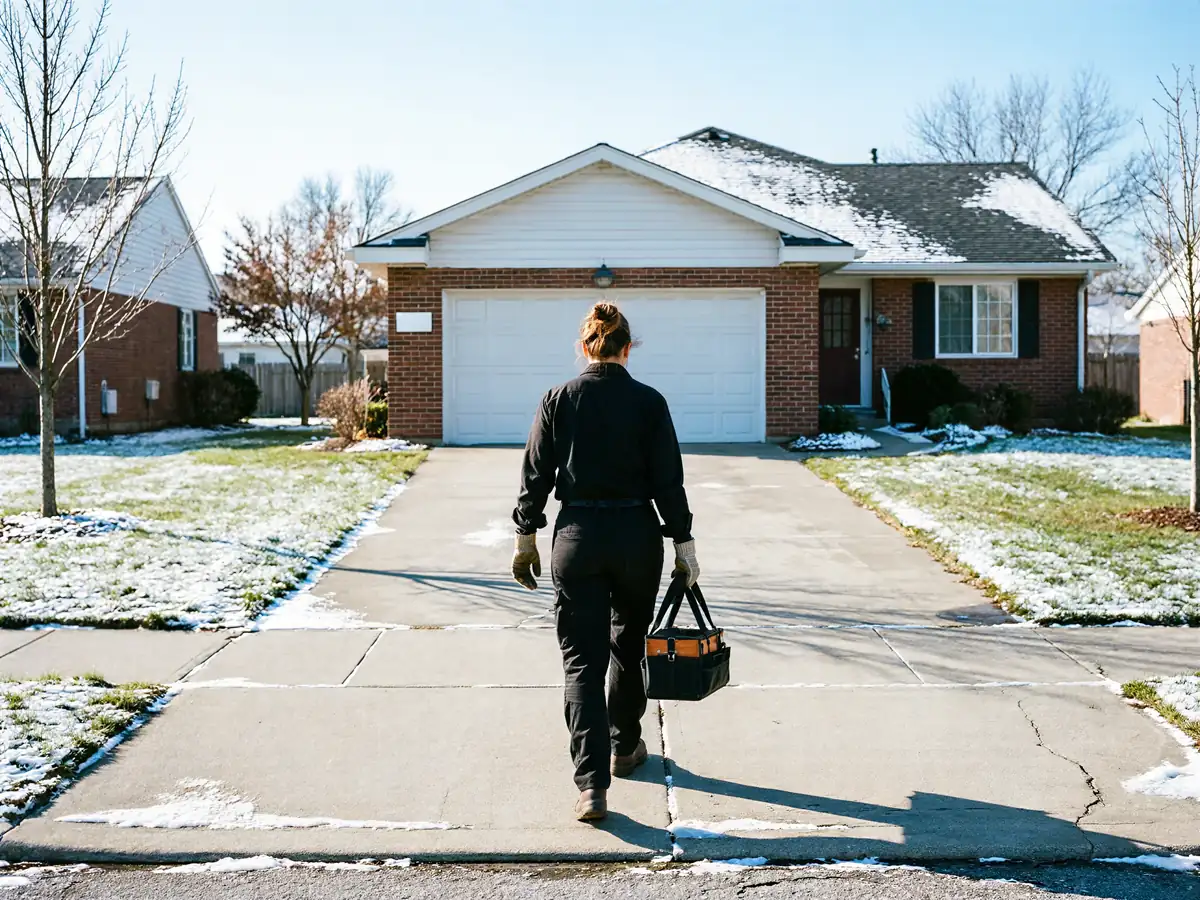
Across this service area - Lake Forest out to places like Highwood, Lake Bluff, Bannockburn, Lincolnshire, Libertyville, and the towns further out toward Wauconda and Round Lake - housing runs from 1938 up through 2009, with most of it dating to the 1980s and 90s. That stretch of construction matters because it's the era when steel sectional doors with extension or torsion springs became standard, replacing the older wood and one-piece designs found in the pre-1960s pockets of the area.
Of the roughly 145,790 households in this service area, about 81,921 are owner-occupied houses - the kind with an attached or detached garage, not a shared structure. A service call here usually starts with figuring out which era of hardware is on the door, because a 1980s torsion setup, a 1990s extension-spring door, and a 2000s build with a steel reinforcement strut all take different parts and different approaches.
We don't carry every obsolete part on the truck. If a door is old enough that the track profile or drum size has been discontinued, the honest answer is sometimes a new section or a full replacement rather than a special-order wait.
What Most People Get Wrong
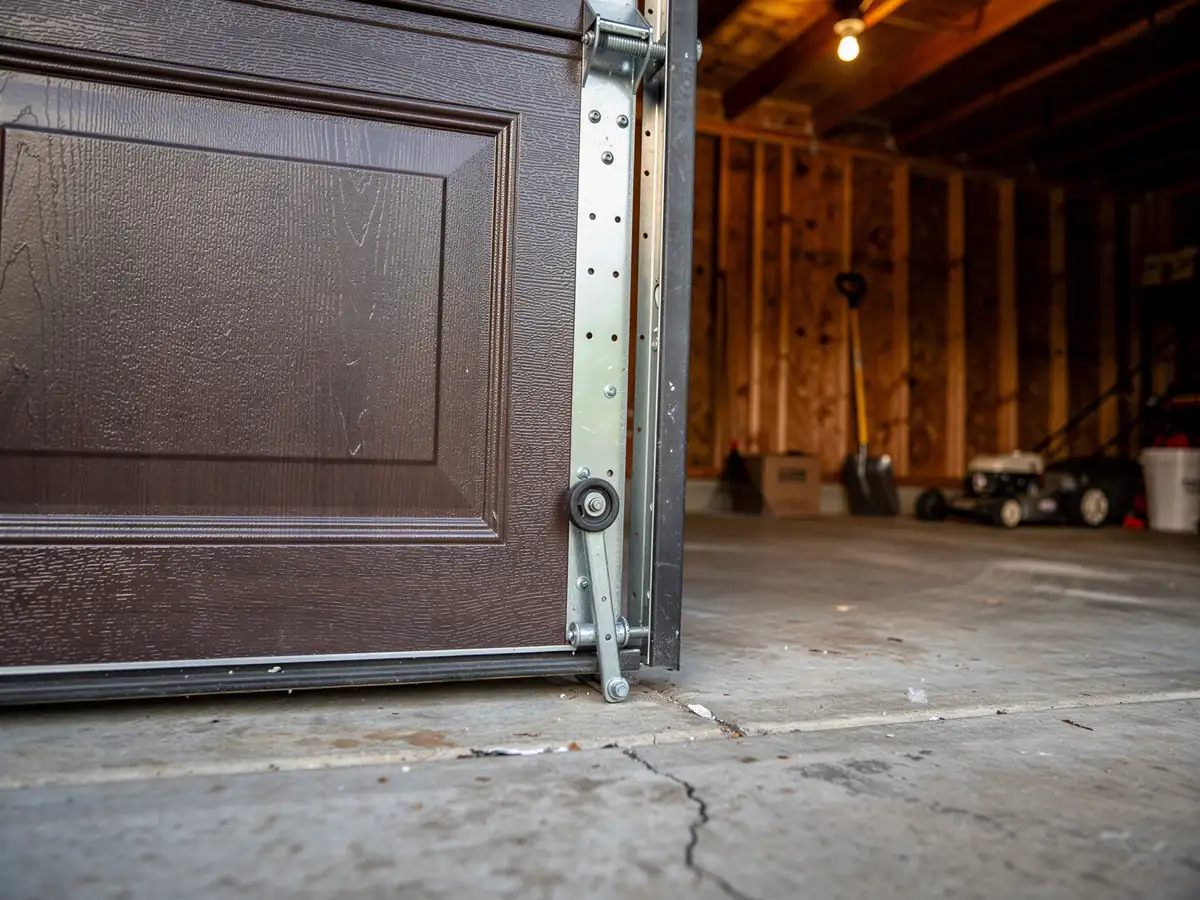
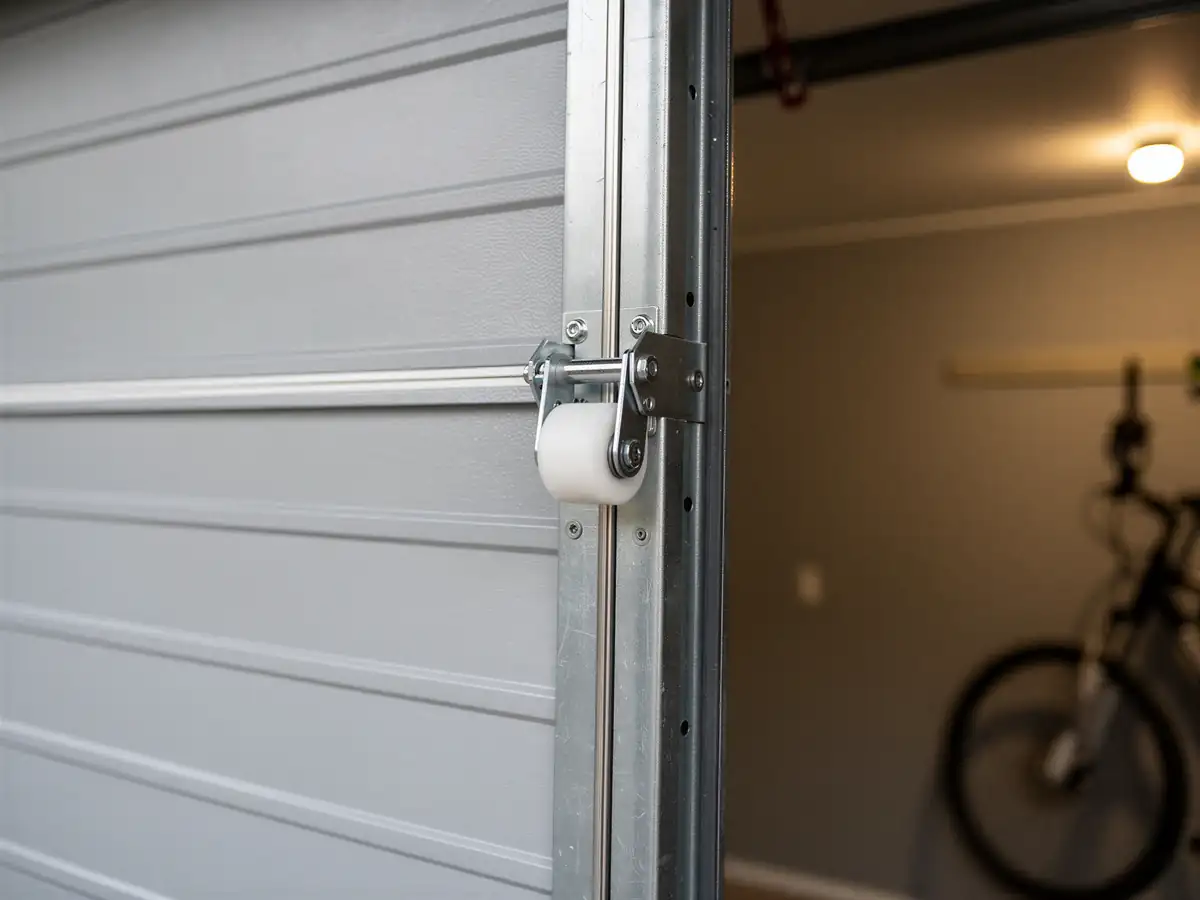
The most common mistake is assuming a noisy door needs a new opener. Most of the time the opener is fine - it's the rollers, the hinges, or a track that's slightly out of alignment from age. On houses from the 1980s and 90s stock that dominates this area, steel rollers with no bearing were standard, and thirty-plus years of use wears a groove into them that no amount of lubricant fixes.
The second mistake is treating a broken spring as a DIY job because the part itself is cheap. The spring is under enough stored tension to cause real injury, and on older torsion setups the winding cones and bar are often worn in ways that aren't obvious until you're mid-job.
The third is waiting too long to decide between repair and replacement. With a median household income of $124,847 across this service area, replacement is often a reasonable option financially once a door is leaking panels, has a bowed track, and needs a new opener all at once - rather than spending on three separate repairs over a year and ending up with the same old door underneath.
What Local Conditions Do
This area sits in a cold moderate climate band
And that shows up in the door before it shows up anywhere else in the house. Steel sections contract in deep cold, which is why a door that fit the frame perfectly in July can rub or bind in January - it's not the door failing, it's the metal doing what steel does across a wide temperature swing.
Weatherstripping on the bottom seal is the first thing to go brittle and crack in a cold winter
And a cracked seal lets in enough draft to matter on an attached garage. Torsion springs also change tension slightly with temperature, so a door that was balanced in warm weather can feel heavier to lift by hand once the cold sets in.
On the older end of the housing stock here
The pre-1980s builds - single-layer steel doors with no insulation are still common, and those transmit cold into an attached garage more than the insulated doors built from the 90s onward. That's a factor worth knowing before you decide whether a repair or a full door swap makes more sense for the winter ahead.