Why This Fails Locally
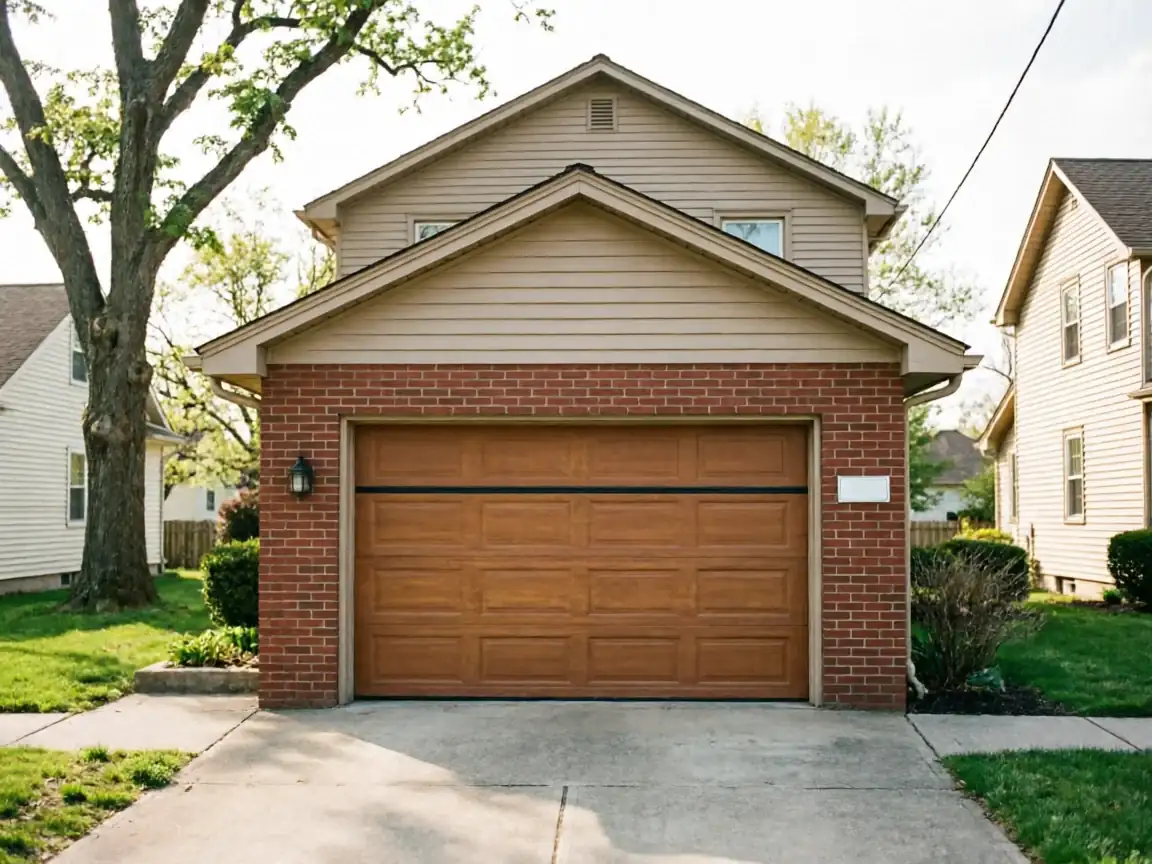
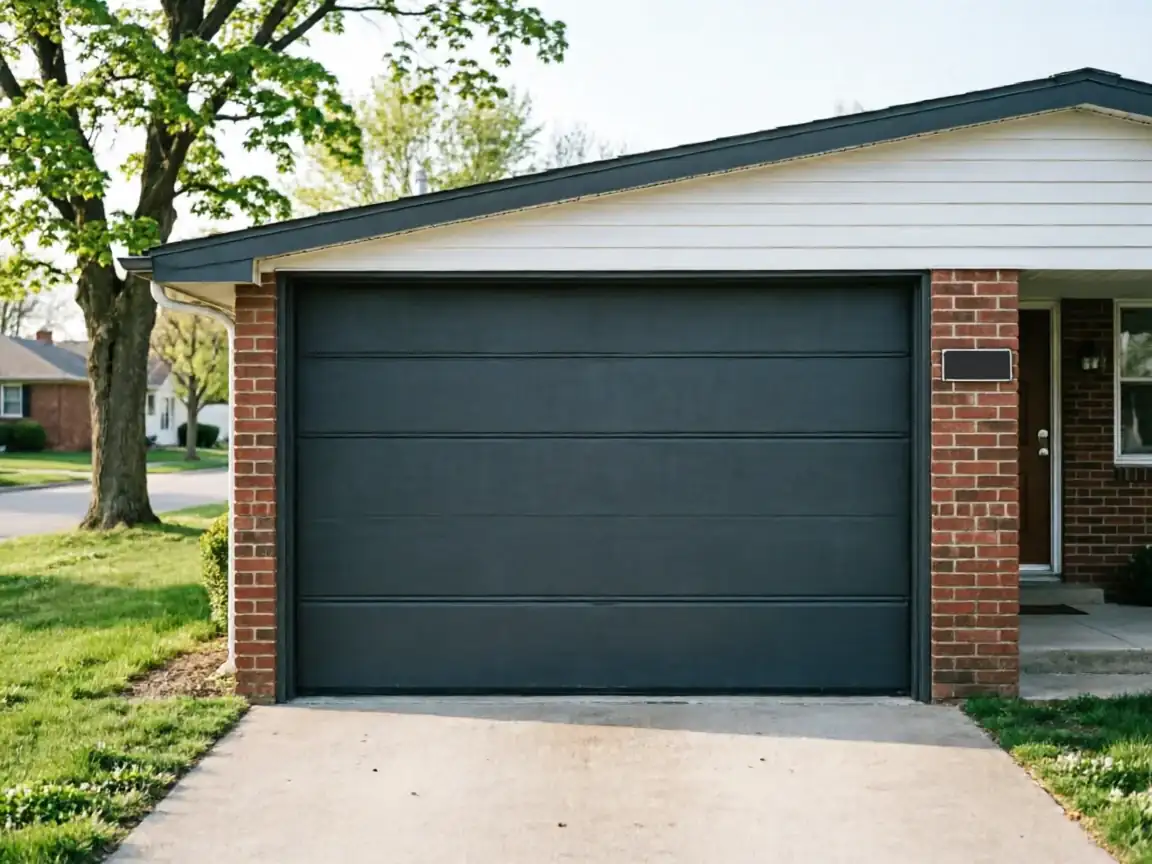
Housing in this stretch of Lake County runs from 1938 to 2009
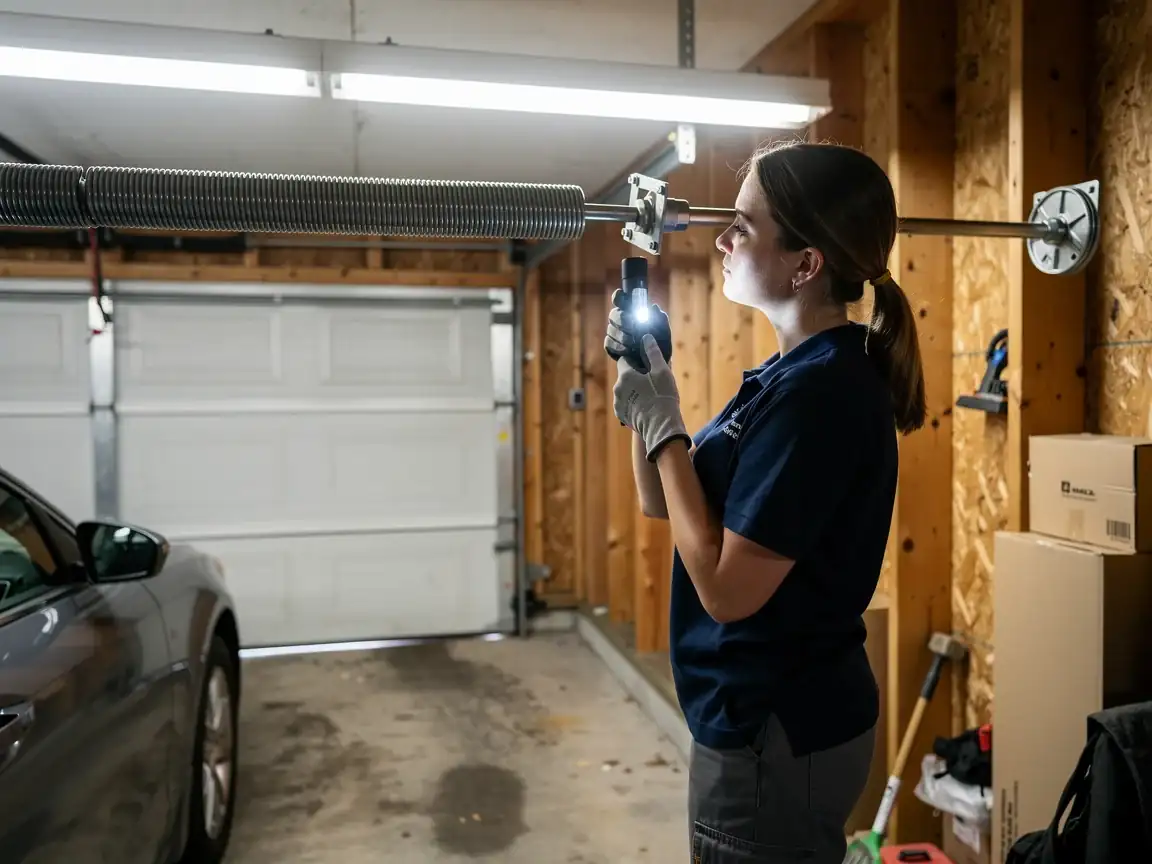
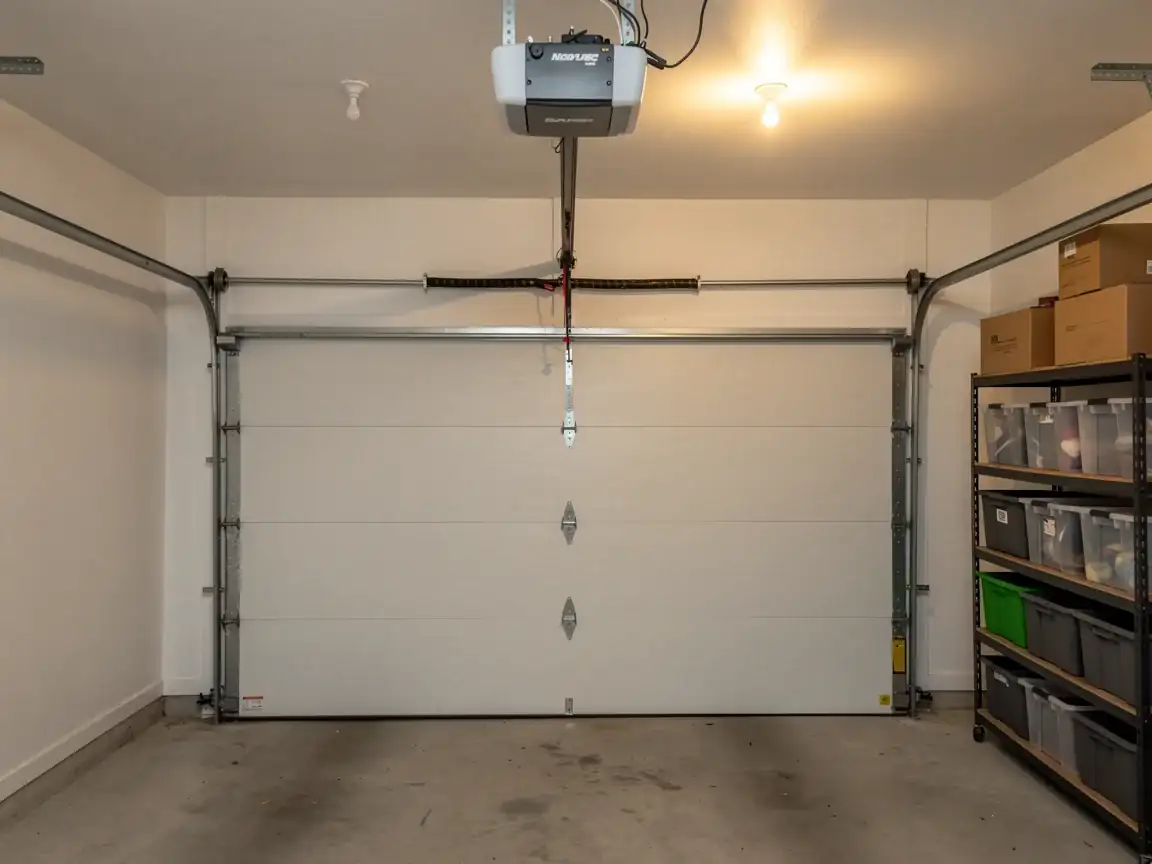
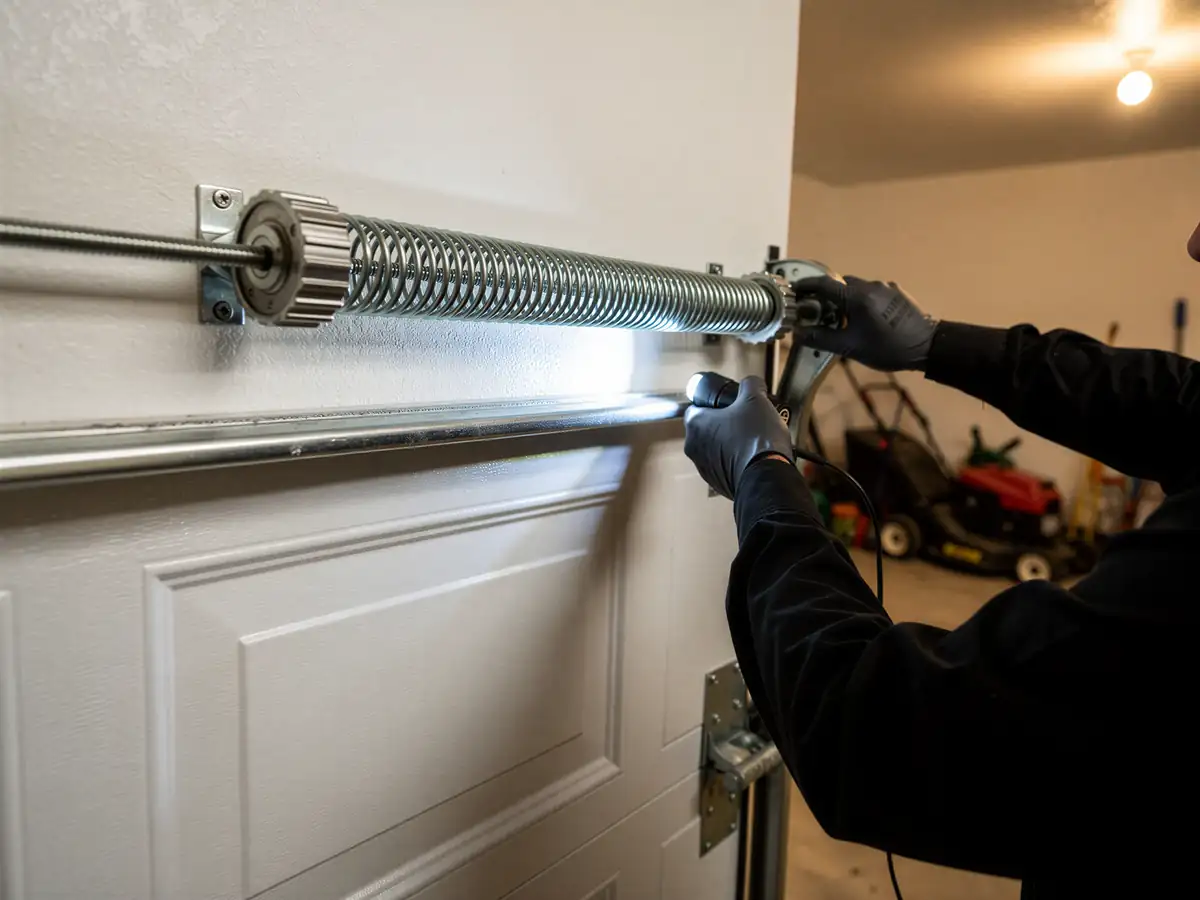
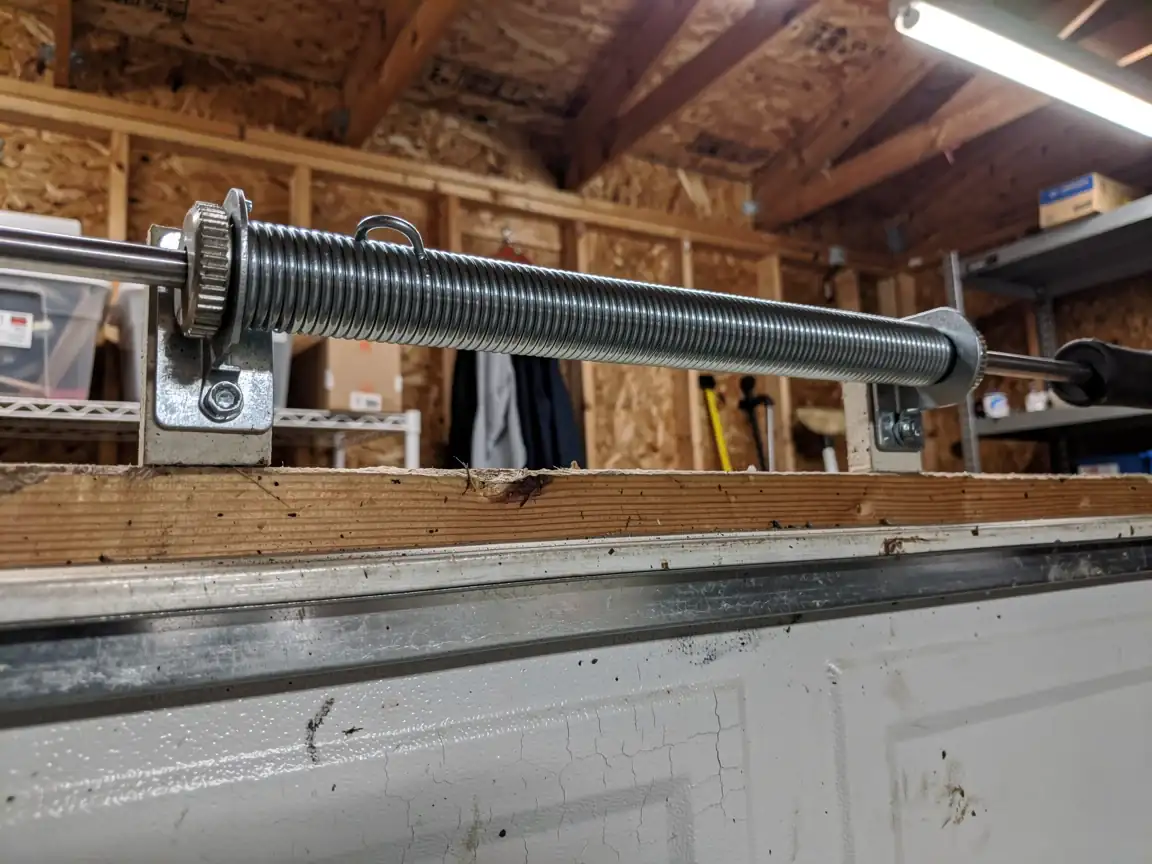
With a median build year of 1983 - most of what we work on is a torsion spring, a drum, or a jackshaft opener that's been doing its job since the Reagan administration. That's not a knock on the door. Forty-plus years of cold-weather cycling will tire out steel that was never meant to last that long in the first place.
This is a moderate-cold climate band
Which means the garage sees real freeze-thaw swings every winter rather than one hard freeze and done. A spring loses temper faster when it's wound tight in 20-degree air than it does sitting in a heated shop, and the grease in an original 1980s opener gear thickens up the same way motor oil does in an old truck. The door doesn't fail because it's broken - it fails because nobody re-tensioned or re-lubed it since it was installed.
Across the 53 named areas we cover, the housing stock skews heavily to that 1980s-90s build wave
So this isn't a problem specific to one subdivision. It's a problem specific to a generation of hardware that's now thirty to forty years old and was sized for houses, not for forty more winters.
How It Shows Up
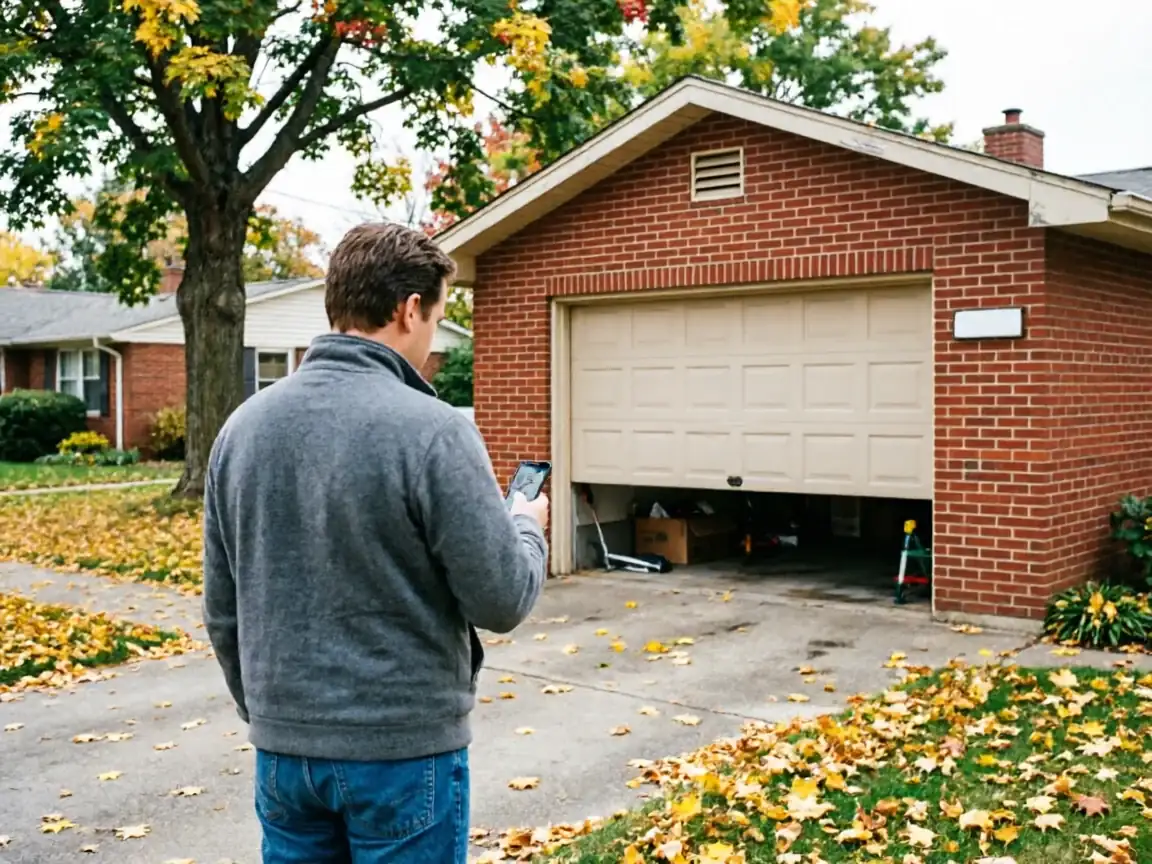
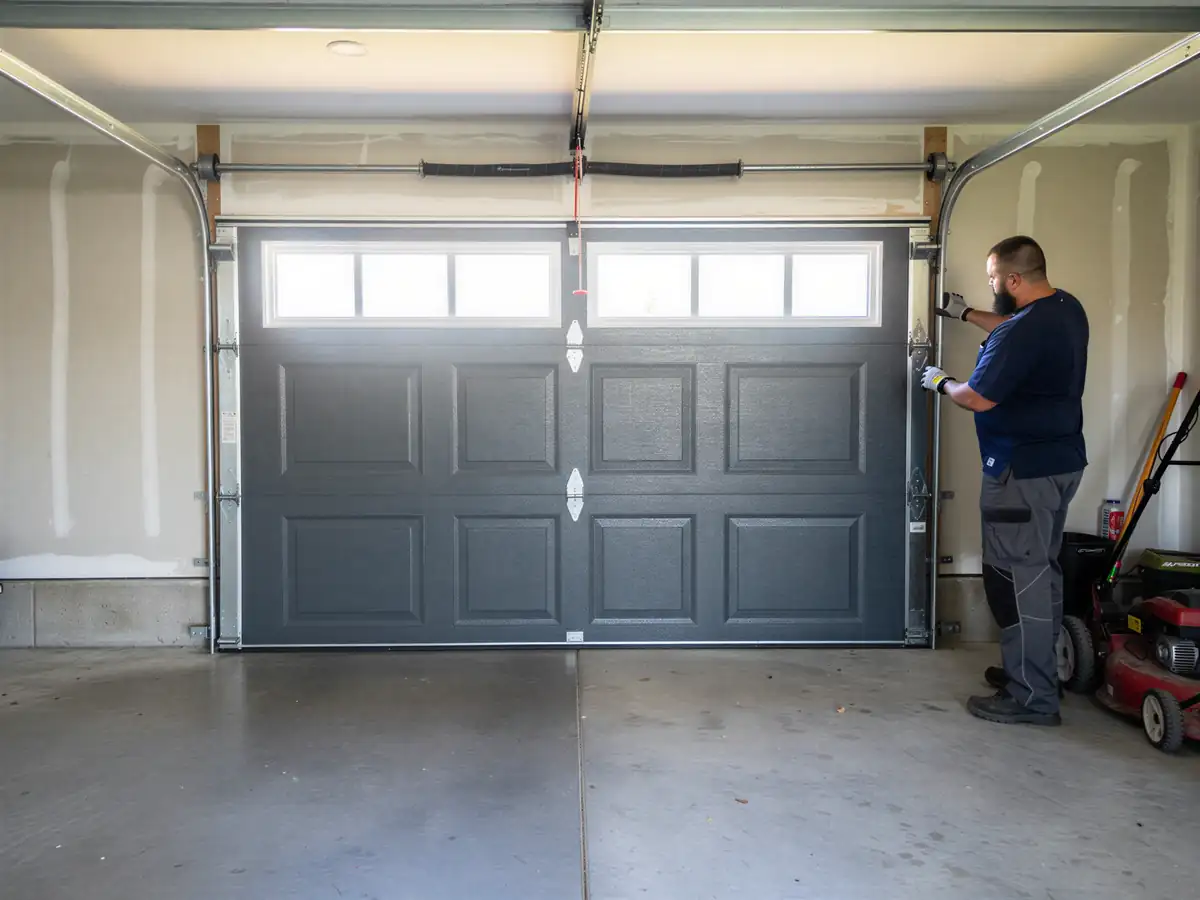
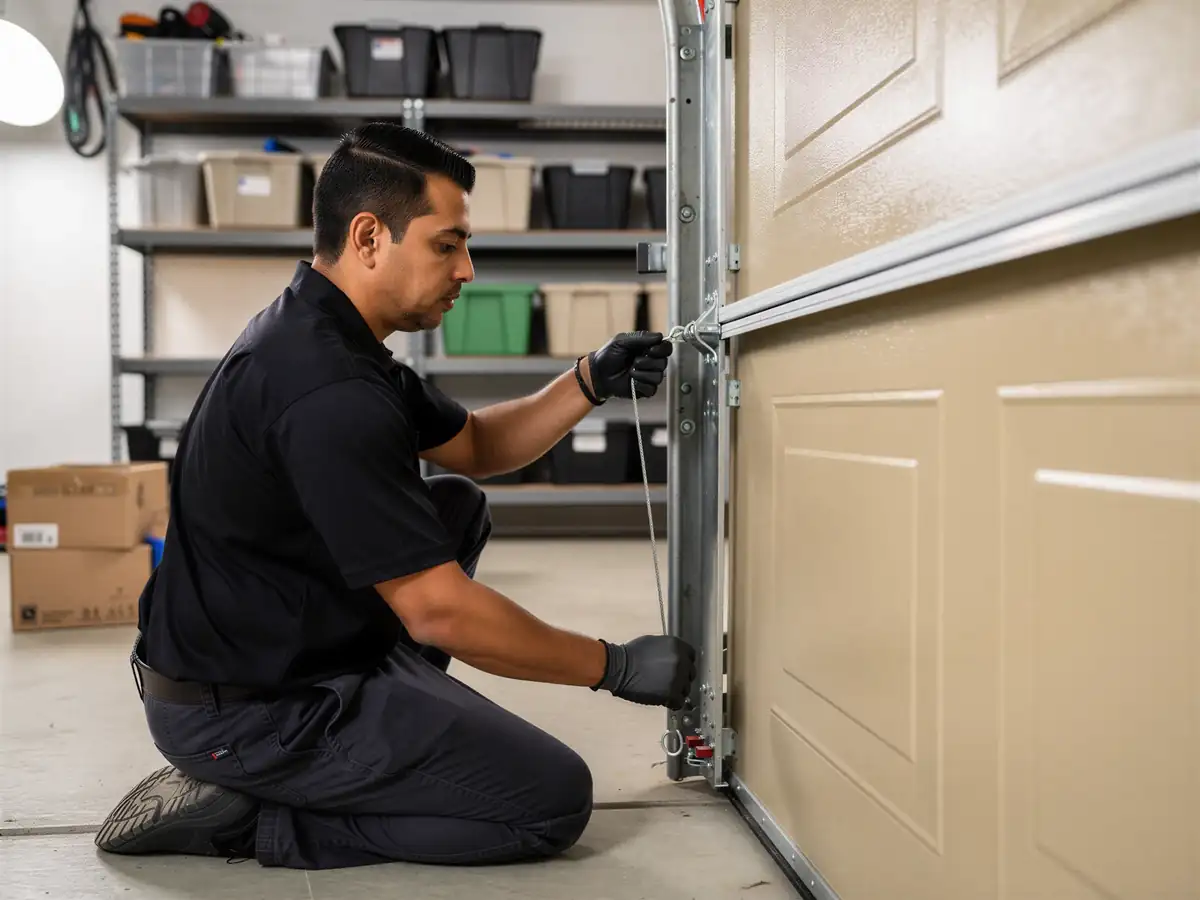
The call usually starts one of three ways. The door won't move at all - the opener hums or clicks but the carriage sits still, which almost always means a broken torsion spring taking the weight off the motor that was never built to lift the door alone. Or the door comes down crooked, one side dropping faster than the other, which points to a snapped cable or a spring that's gone on one side of a two-spring setup.
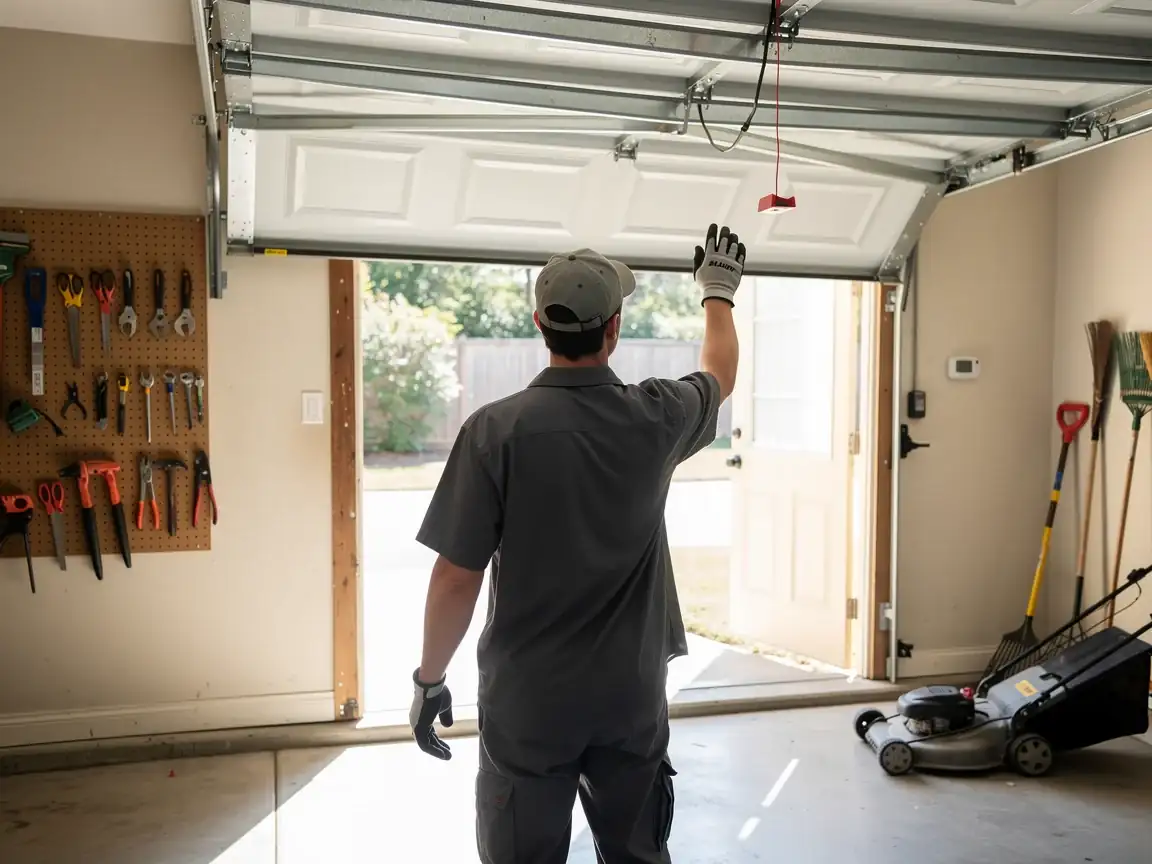
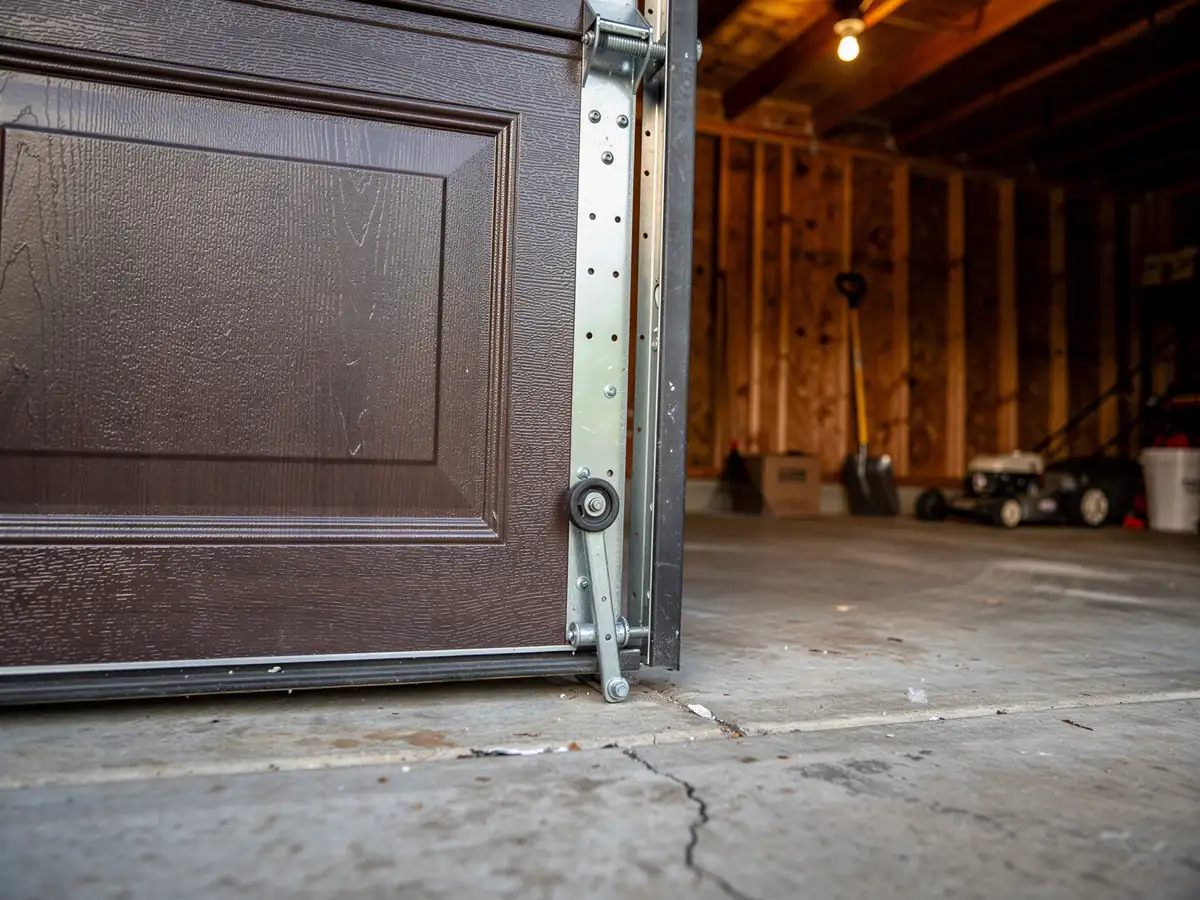
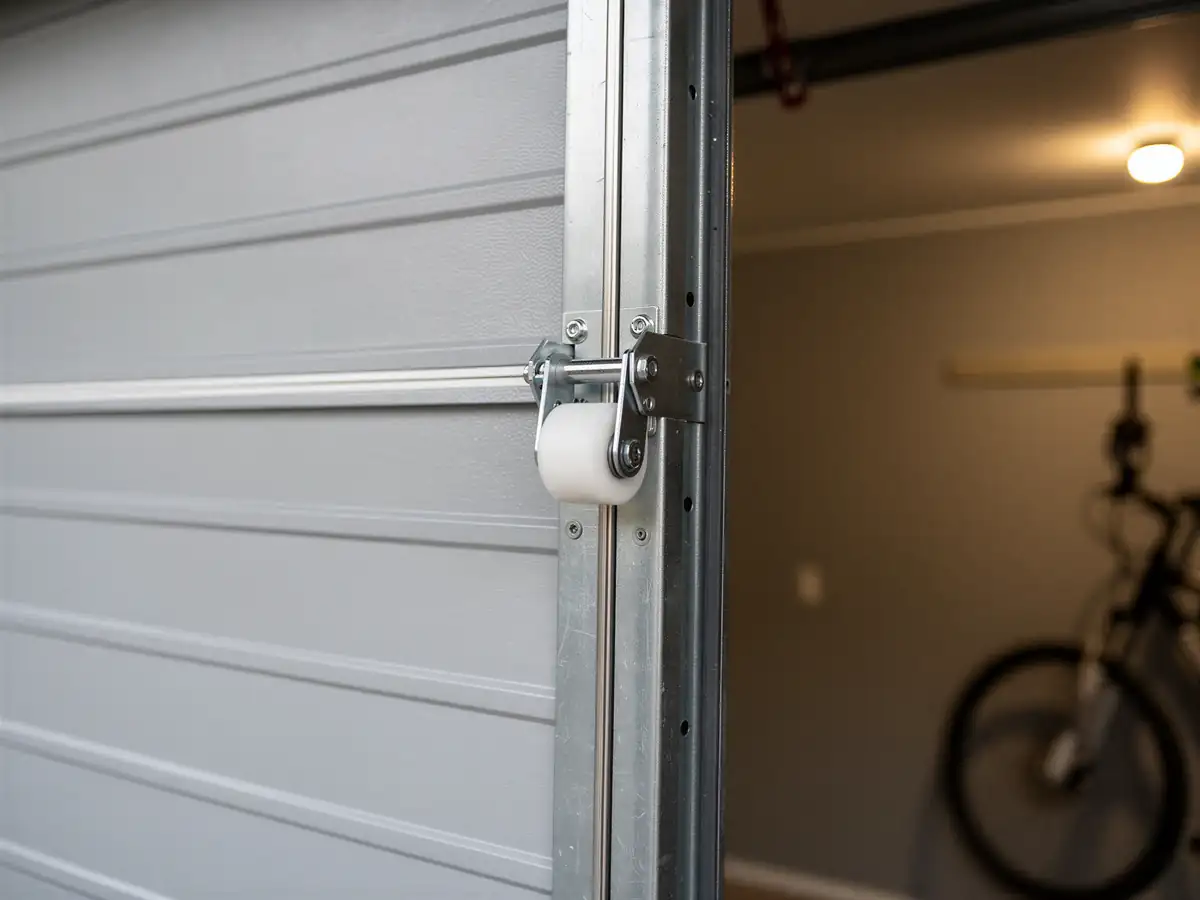
The third pattern is a dead opener in cold weather - it worked fine in September, then one January morning it just won't fire. Sometimes that's the opener's circuit board giving out after decades of temperature swings in an unheated garage; sometimes it's a frozen track or a roller that's seized from age, not cold.
Less urgent but still a call we get: a door that's noticeably heavier to lift by hand than it used to be. That's early spring fatigue, and it's worth fixing before it snaps rather than after, since a spring that fails under load can do real damage to the track or the opener trying to compensate for it.
How We Fix It
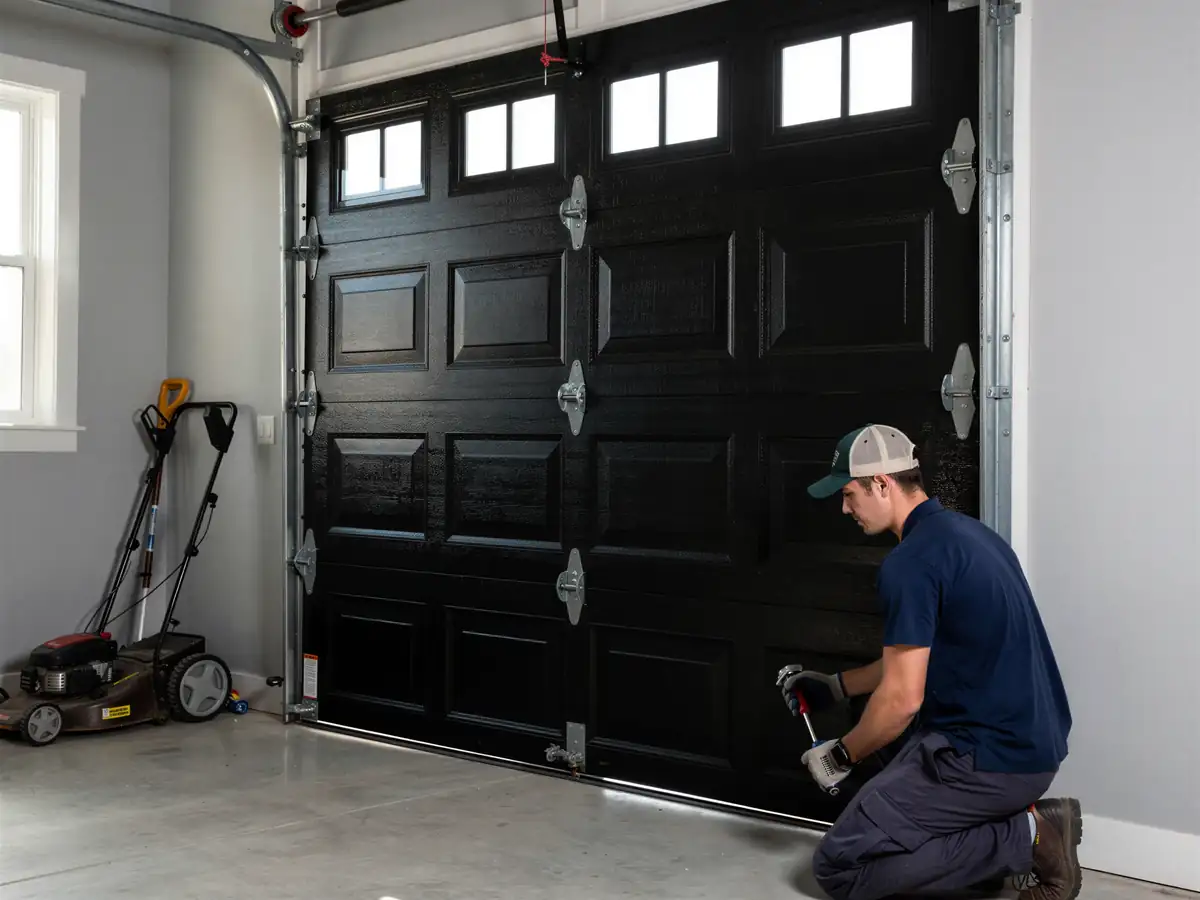
For a broken spring, we replace it - we don't re-tension a spring that's already fatigued, because it'll fail again within months and that's a second truck roll nobody needs. For cables, rollers, and worn hinges, we assess whether it's a parts swap or a sign the whole system is at the end of its service life.
Here's the honest limitation: on original hardware from the 1960s-80s wave, some parts - specific drum sizes, older torsion shaft diameters - aren't stocked on the truck and take a day or two to source. We'll tell you that on the call, not after we've already shown up. If a repair would cost most of what a new door costs, we'll say so instead of patching it for the third time.
On openers, if the motor itself has failed rather than the logic board or sensor, replacement usually makes more sense than repair, especially on units that predate current safety-reversal standards. We don't push a new door on a 1983-build house just because it's old - plenty of that era's doors are solid once the spring and cables are current.
How to Book
Call when the door won't move, won't close, or is making a sound it didn't make yesterday
That's an emergency call, not a maintenance appointment. We run this service across the Lake Forest area and the towns nearby: Highwood, Bannockburn, and Lake Bluff are each three miles out; Mettawa is also three; Lincolnshire sits four miles away and Riverwoods five. Farther out we still reach Libertyville and North Chicago at six miles, Long Grove and Park City at eight, and towns like Winnetka and Hawthorn Woods around eleven.
Tell us what the door is doing
Stuck shut, crooked, opener dead - and we'll tell you what we think it is before anyone drives out, so you're not guessing at the bill. Visit the home page for the rest of what we do; this page is just the emergency line.