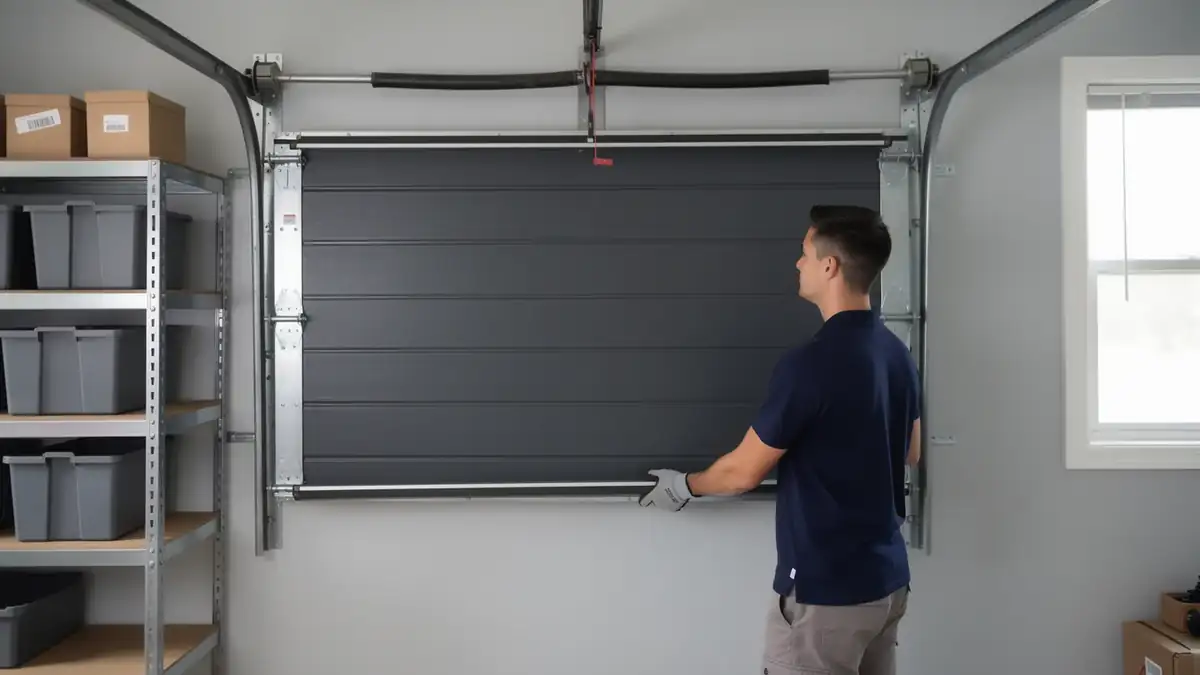
When to Get Help
Call before the door comes off the track entirely, not after
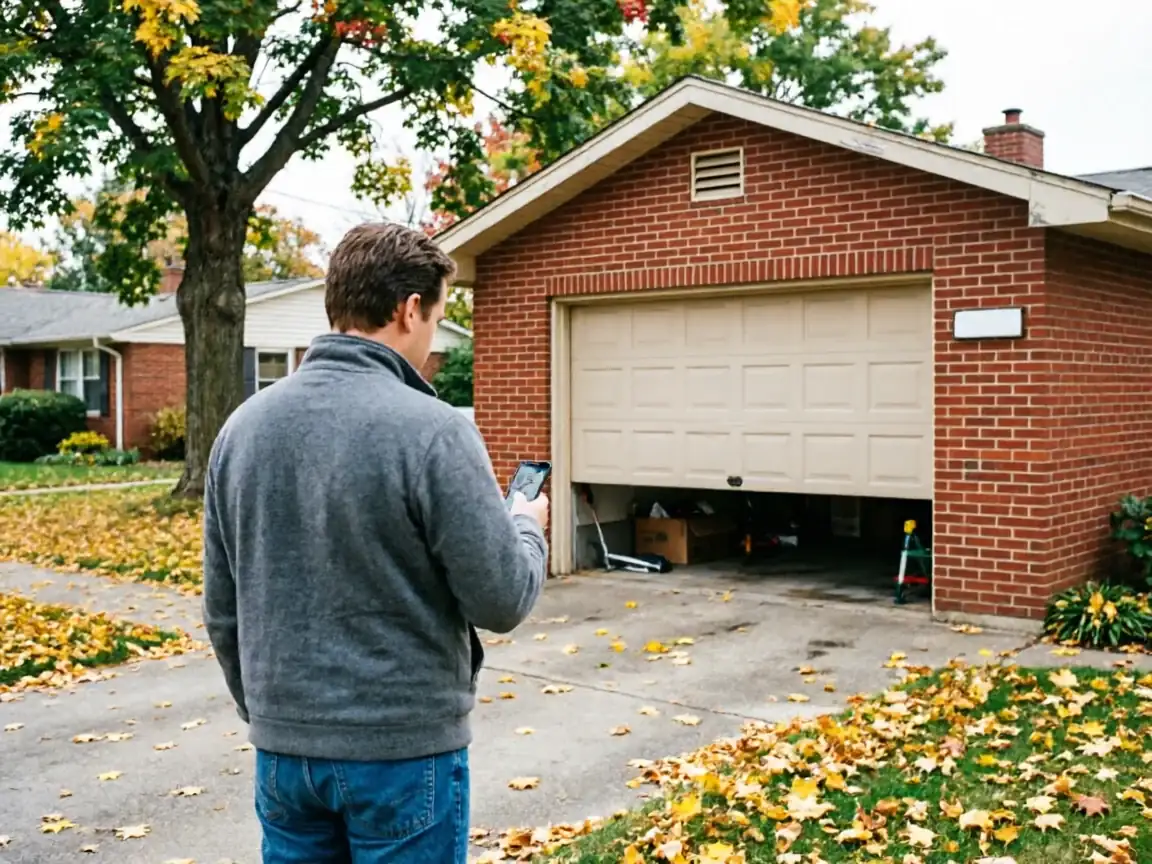
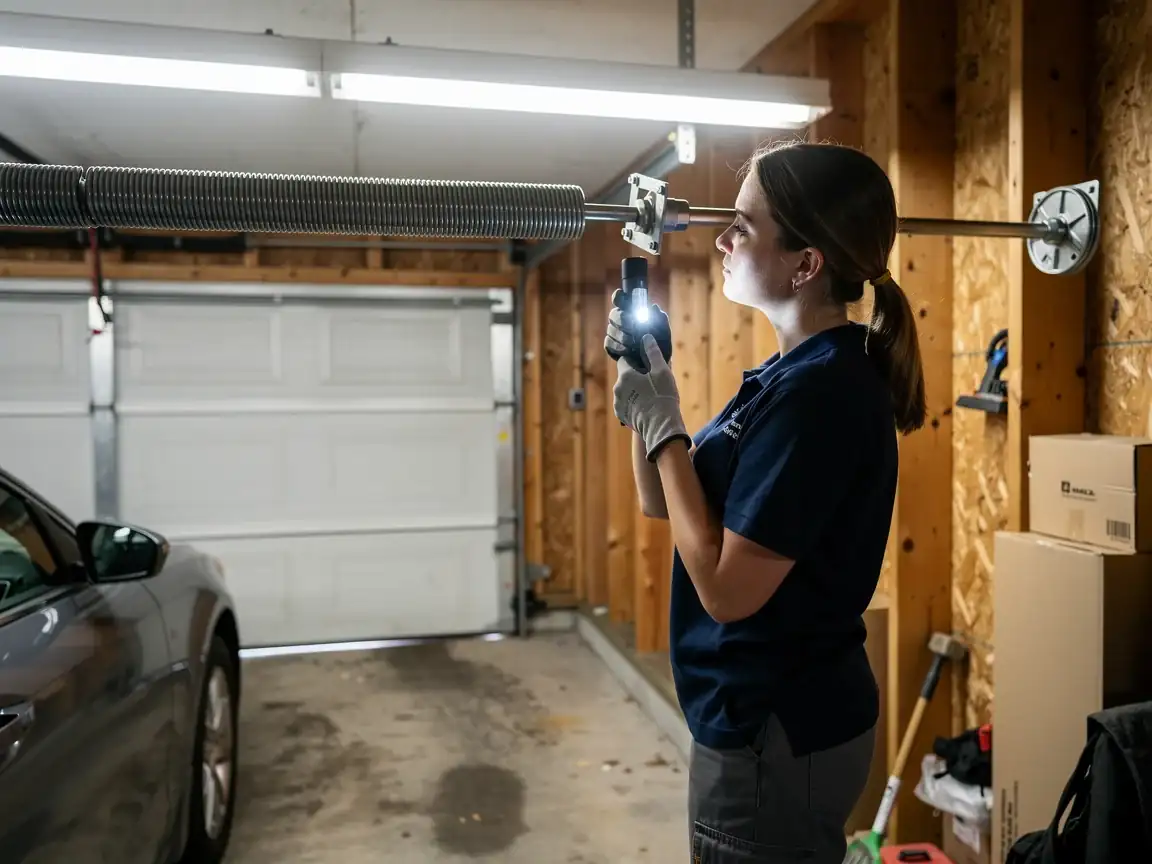
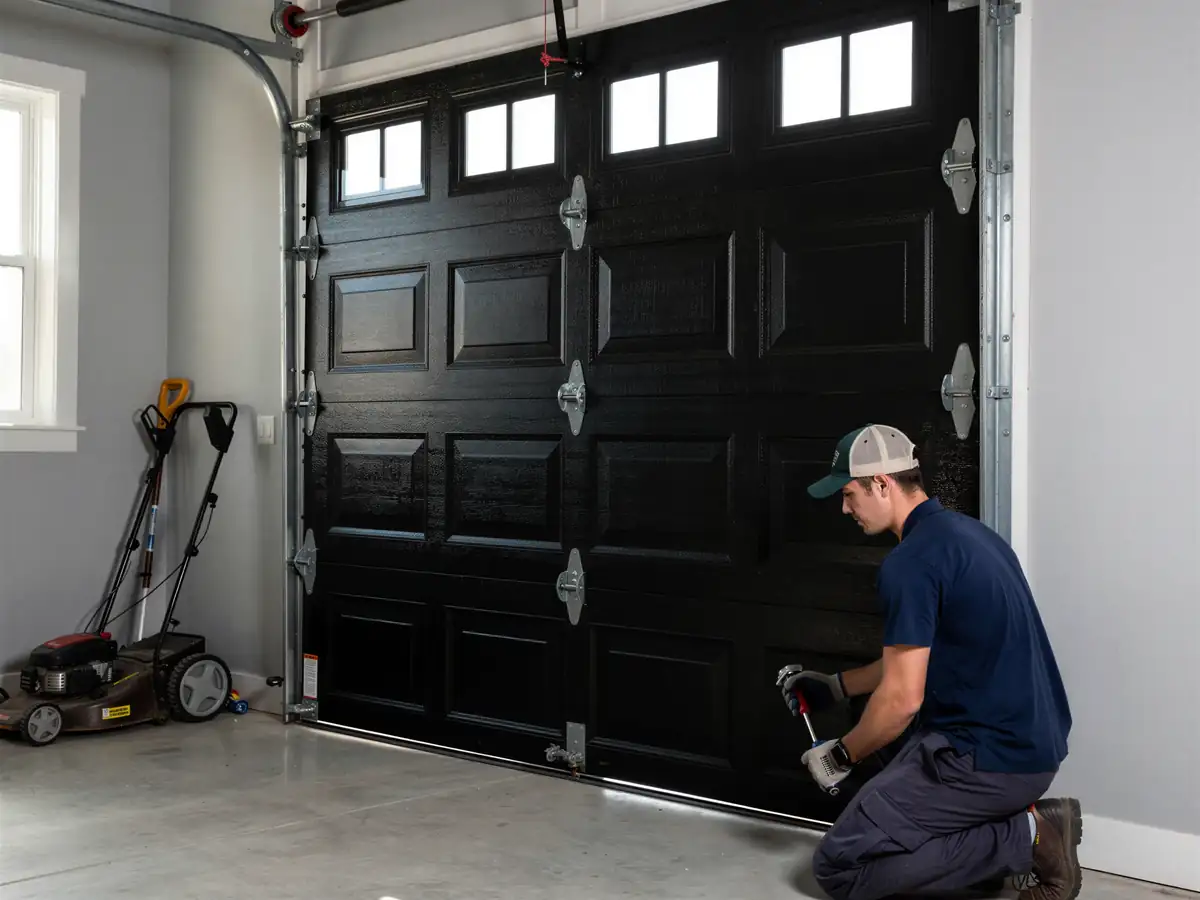
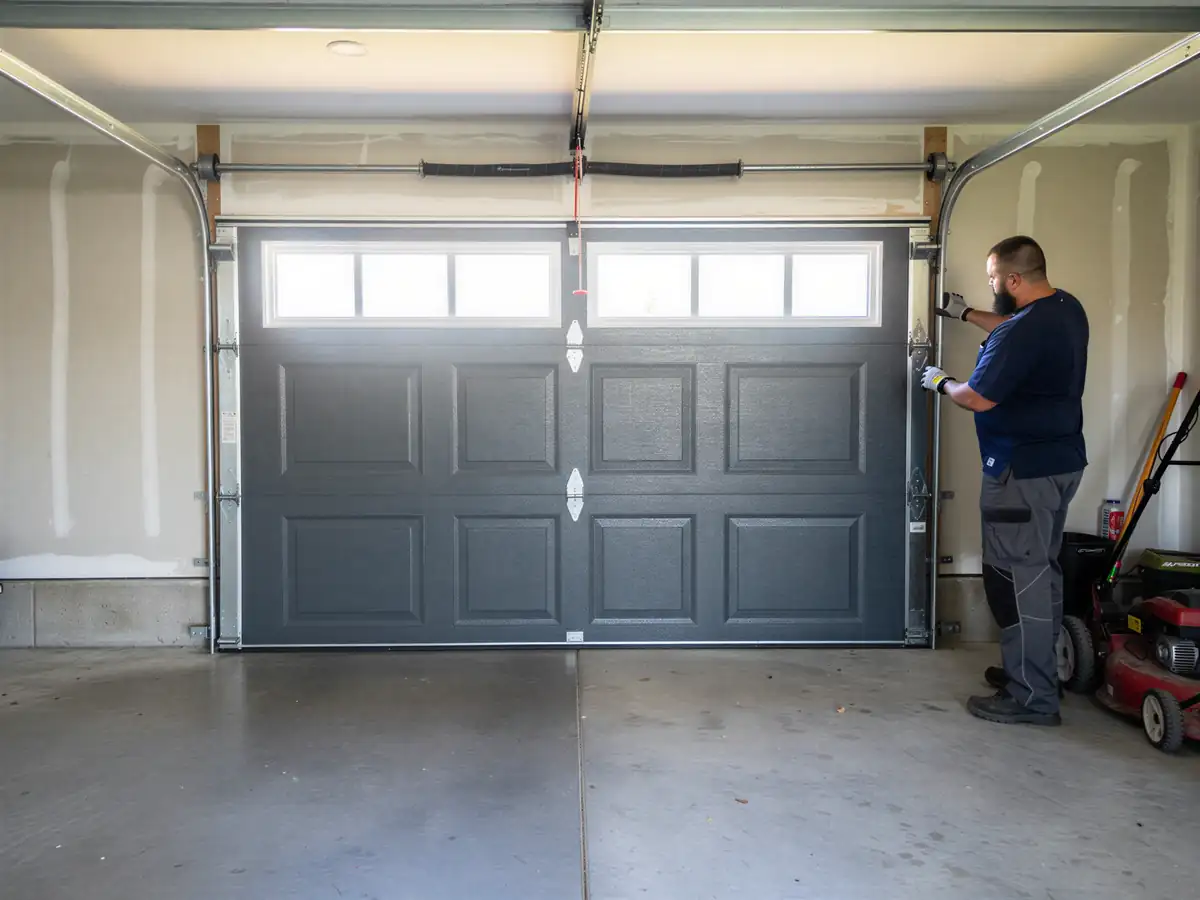
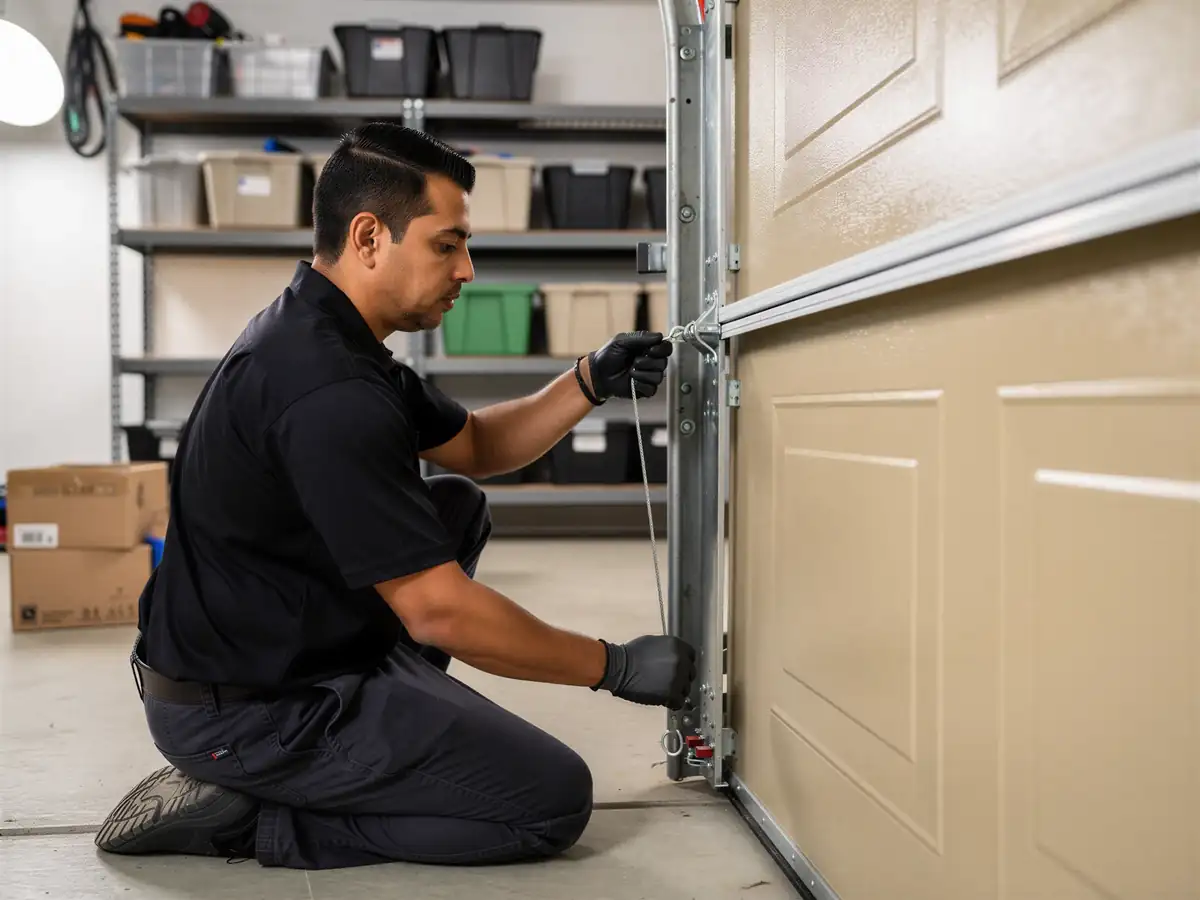
A spring that's lost tension will let the door drop fast or hang crooked on one side - that's the moment to stop using the opener and get someone out, because a motor fighting a dead spring burns out the gears trying to do a spring's job. In a lot of Lake Forest garages, that spring is original to a house built decades back, and it goes quietly: no warning squeal, just a loud bang some morning and a door that won't budge.
A door that reverses itself halfway up, a cable with visible fraying at the drum
Or a track bent where the car clipped it - all of those are same-week calls, not emergencies, but not wait-and-see either. If the door is stuck shut and it's a single-car garage with no side entry, that's the one that jumps the line.
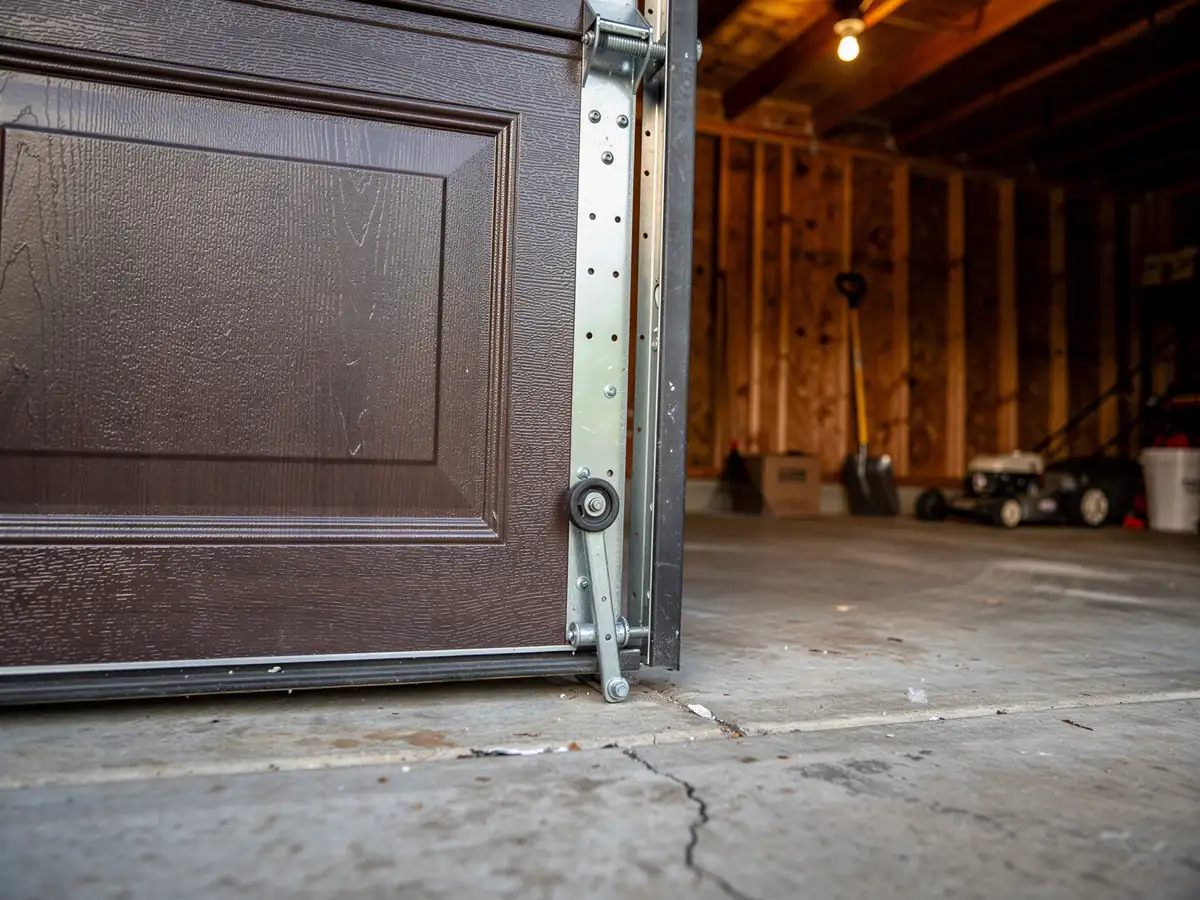
One honest limit: if the track or drum on your door is a non-standard width
Common on some of the older custom-built houses here - that part isn't something we carry on the truck. The repair itself waits a few days for the part, even though the diagnosis takes five minutes.
The Situation
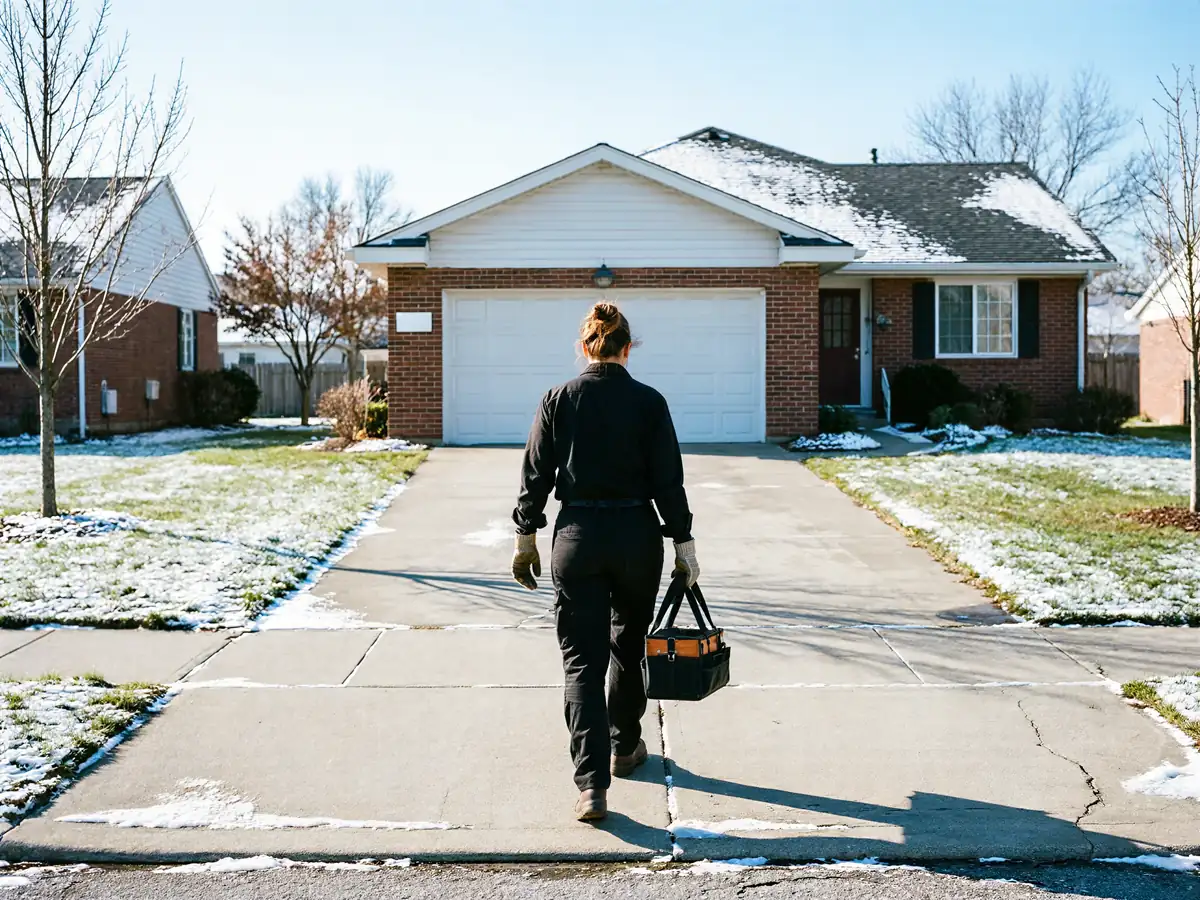
Lake Forest's housing runs from 1938 up through 2009, with the median build year landing in 1983, and most of what's standing across the area's named sections dates to the 1980s and 90s. That matters more than people think, because garage door hardware specs changed over those decades - spring wire gauge, drum diameter, the kind of track bracket used - and a technician pulling up to a house from that era knows roughly what to expect before the door even opens.
The area sits in a cold, moderate climate band, which means steel hardware goes through real freeze-thaw cycling every winter, not the occasional cold week some regions get. Combine that with 81,921 owner-occupied houses across the broader service area and a median household income near $124,847, and what you get is a lot of garages with original or first-replacement hardware that's been kept up reasonably well rather than patched cheap and often. That's a different repair job than in a town where everything's new construction or everything's been flipped twice.
What Most People Get Wrong
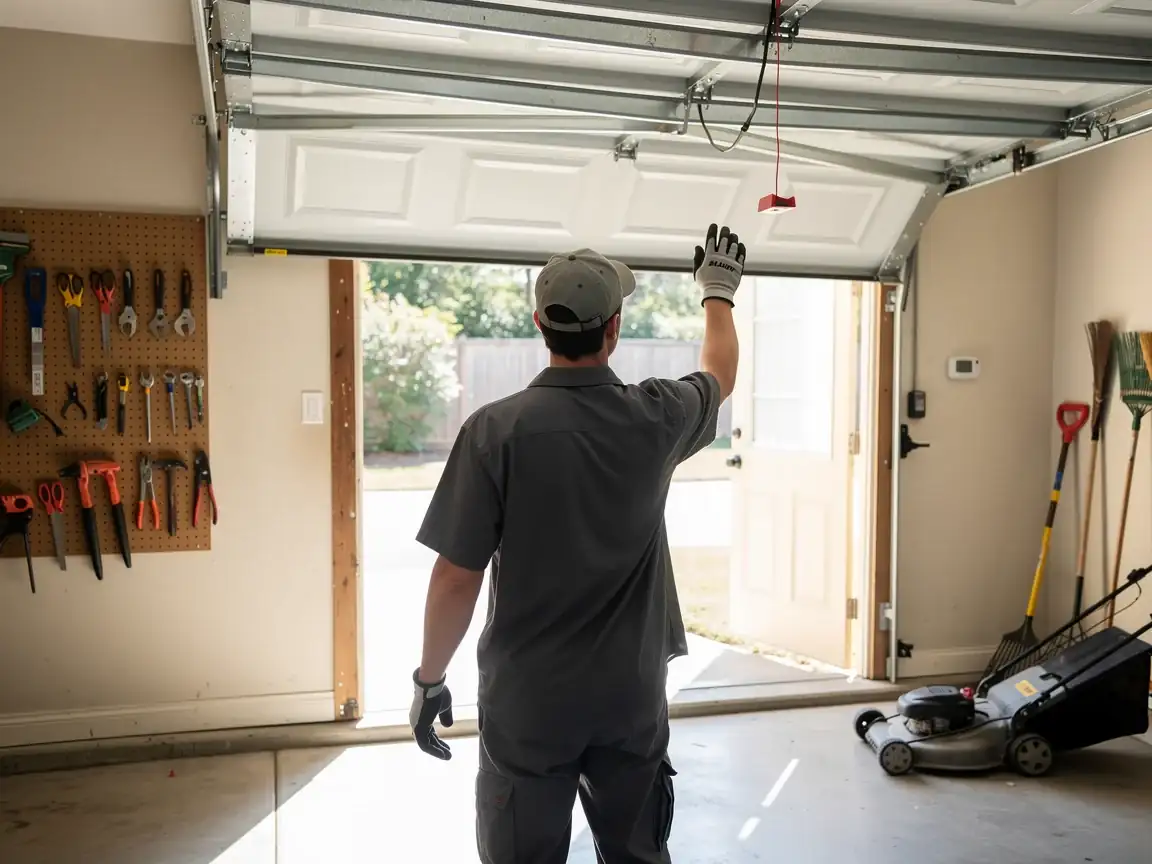
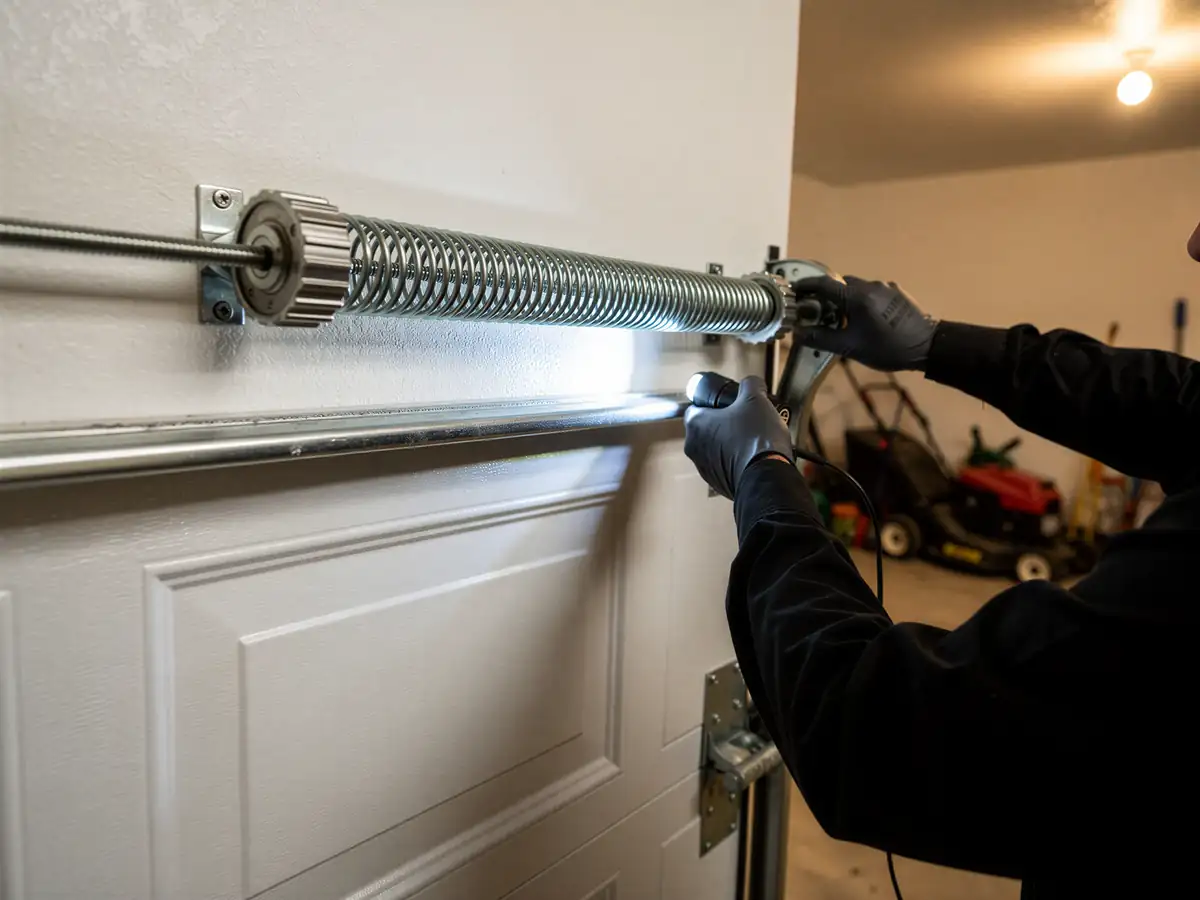
The most common mistake is blaming the opener when the spring is the actual problem. If a door built in the 80s or 90s suddenly feels heavy, jerky, or won't stay up on its own, the opener motor is usually innocent - it's straining because the spring isn't carrying its share of the door's weight anymore. Replacing the opener doesn't fix that; it just hides the real issue for a few more months until the spring finishes failing.
The second mistake is lubricant. People reach for whatever's in the garage - WD-40, often - and spray the track or the spring coils. In a cold climate band like this one, light lubricants thin out and run off fast, and some actually attract grit instead of repelling it. Steel torsion springs on houses from this stretch of build years need a product made to stay put through winter temperature swings, not a household degreaser.
Third: people assume an old door needs full replacement when it actually needs a balance adjustment. A door that's out of balance from age-related spring stretch can look like it's dying when the fix is a tension reset, not a new door.
What Local Conditions Do
Cold does two specific things to the garage doors common in this area
First, steel torsion springs contract and stiffen in low temperatures, which means a spring already near the end of its life is far more likely to snap on the first hard cold morning of the season than during a mild stretch - the metal has less give left in it exactly when the temperature swing hits hardest. Second, standard grease-based lubricants on rollers and hinges thicken in the cold, which is why a door that opened smoothly in October can start grinding by January even though nothing mechanical actually broke.
Because so much of the housing here was built in the 1983-median window
A lot of garages were framed to the insulation standards of that era, not current ones. That means the garage itself runs colder than a newer build, and hardware inside it sees more of that swing than it would in a heated or better-sealed space. A technician checking a door here checks spring tension and lubricant condition first, in that order, because those two things fail fastest under exactly these conditions.