The Situation
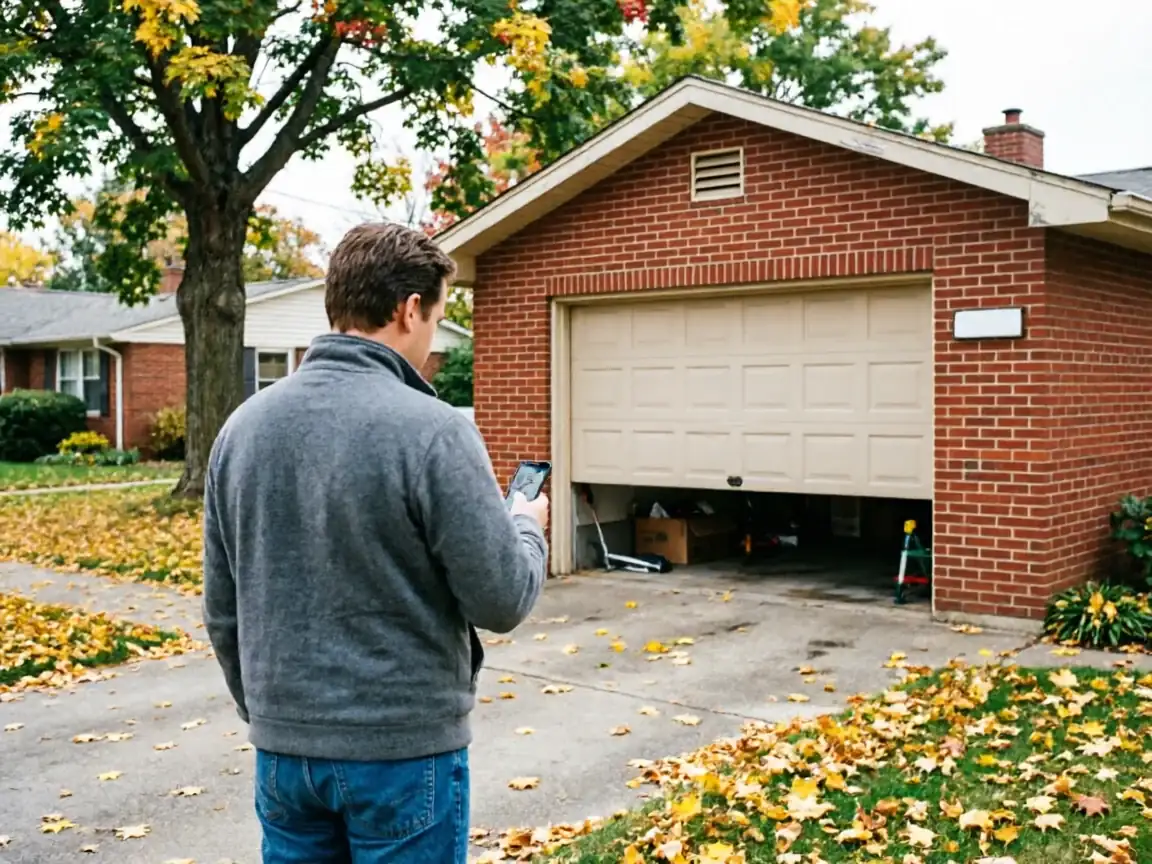
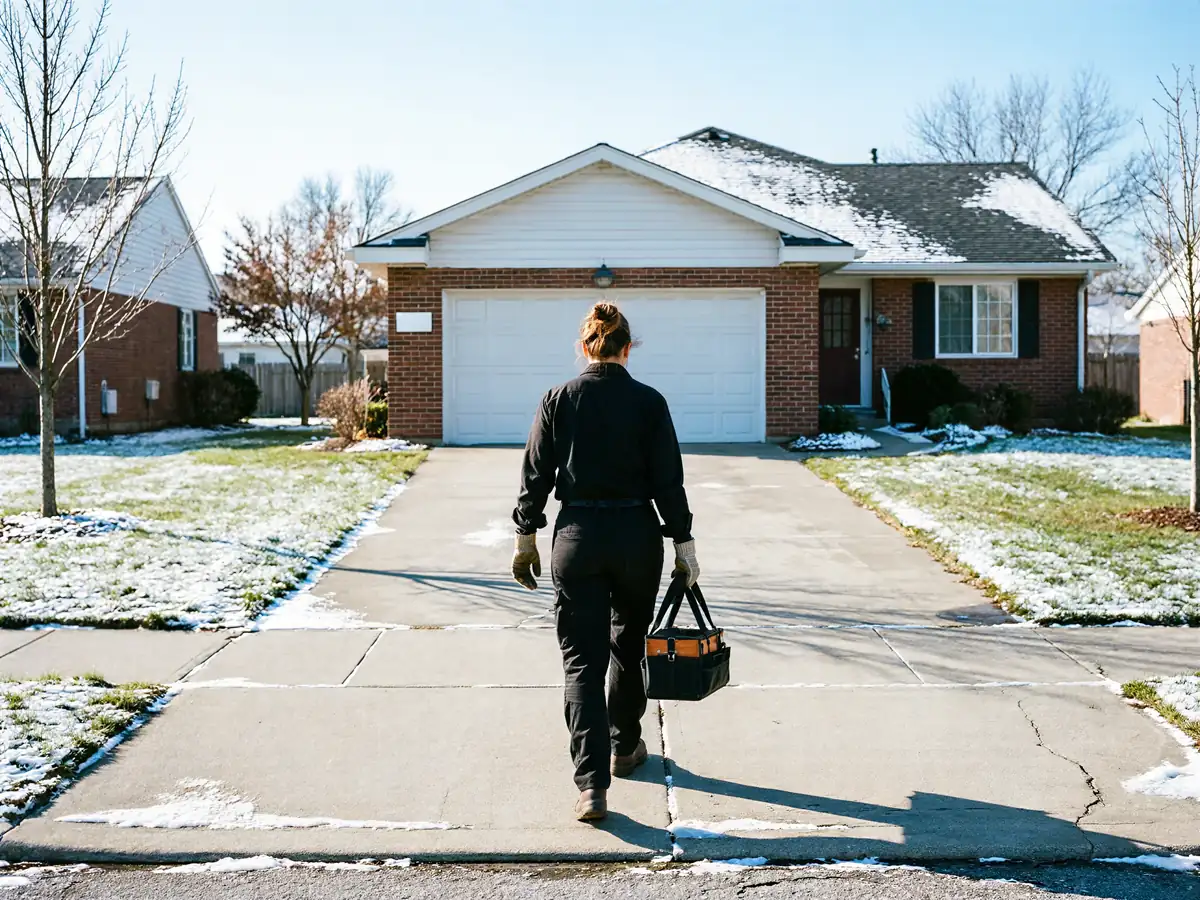
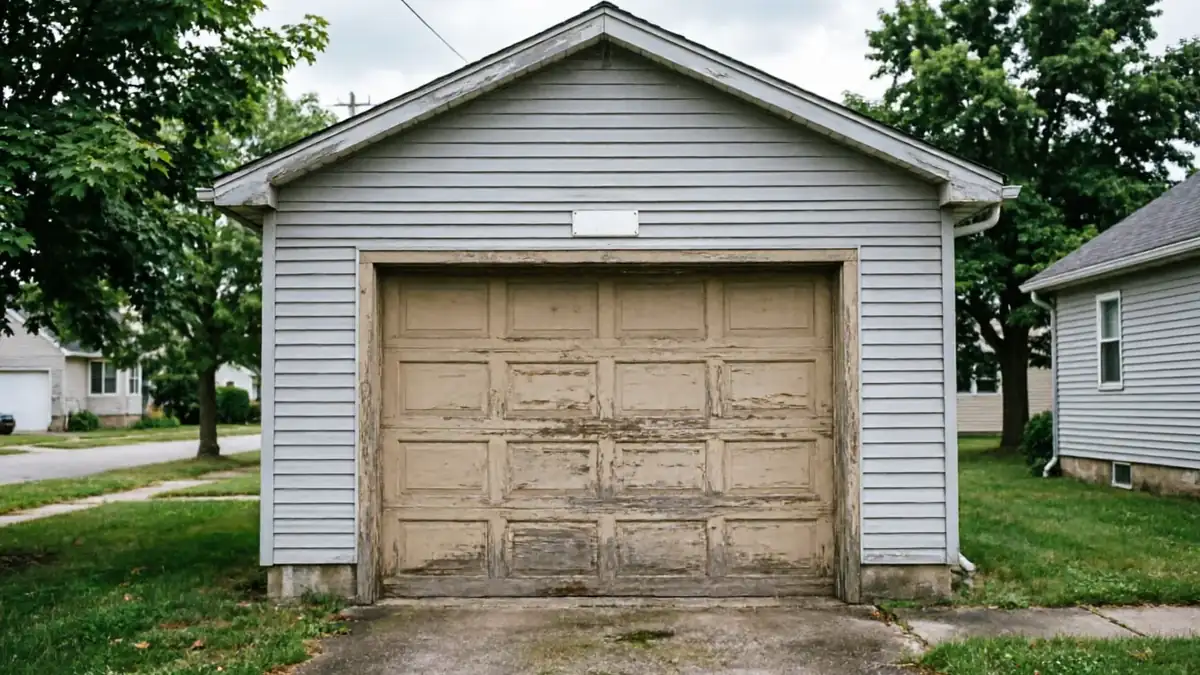
Lake Forest and the surrounding area carry a wide spread of housing ages - built from 1938 through 2009, with the bulk of that stock from the 1980s and 90s. That matters because garage doors and openers from that era were built to specs that have since changed, especially around insulation and wind load. A door installed in 1985 wasn't engineered the same way one installed in 2015 was. With 81,921 owner-occupied houses across the service area and median household income at $124,847, most owners here can afford a real replacement when it's warranted - but a lot of those older doors have decent bones. The panels, if they're steel and not dented through, often outlast the springs, rollers, and weatherstripping around them. The question isn't the door's birth year by itself. It's whether the track is still square, the panels are structurally sound, and the opener is one you can still get parts for.
What Most People Get Wrong
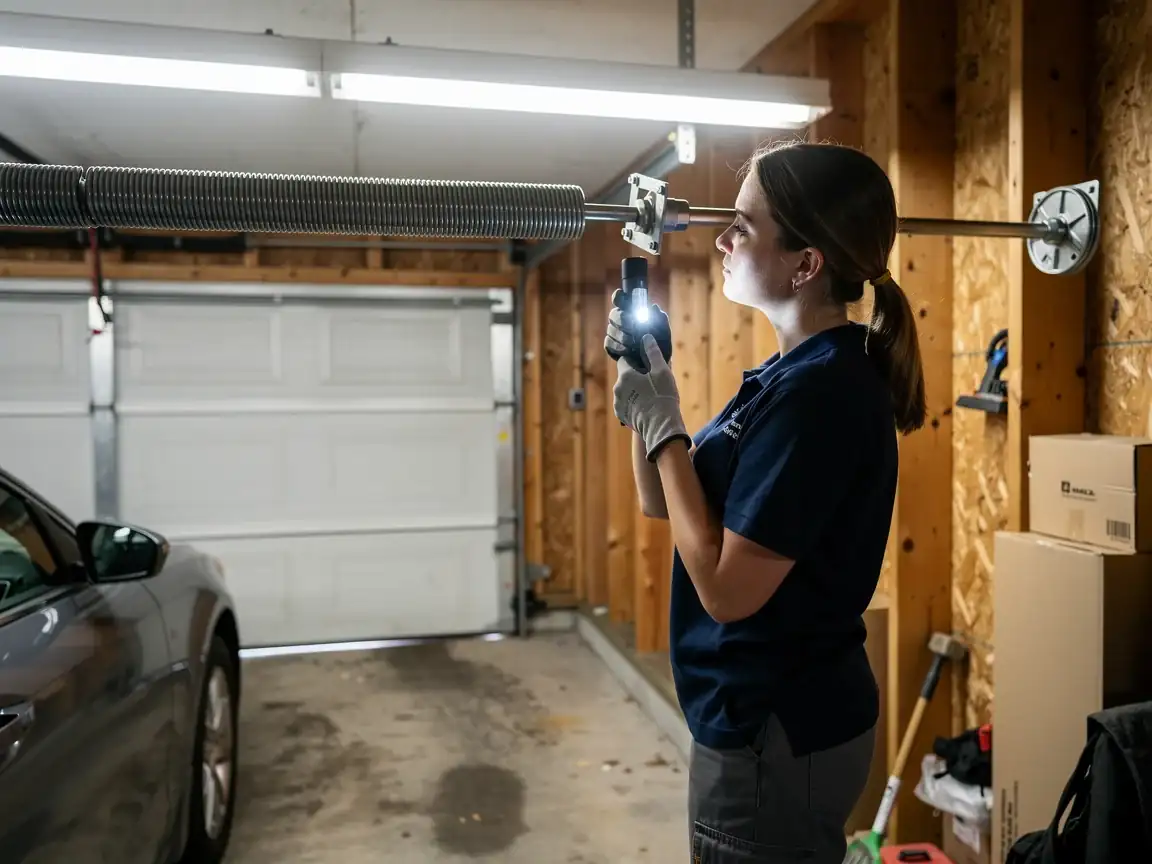
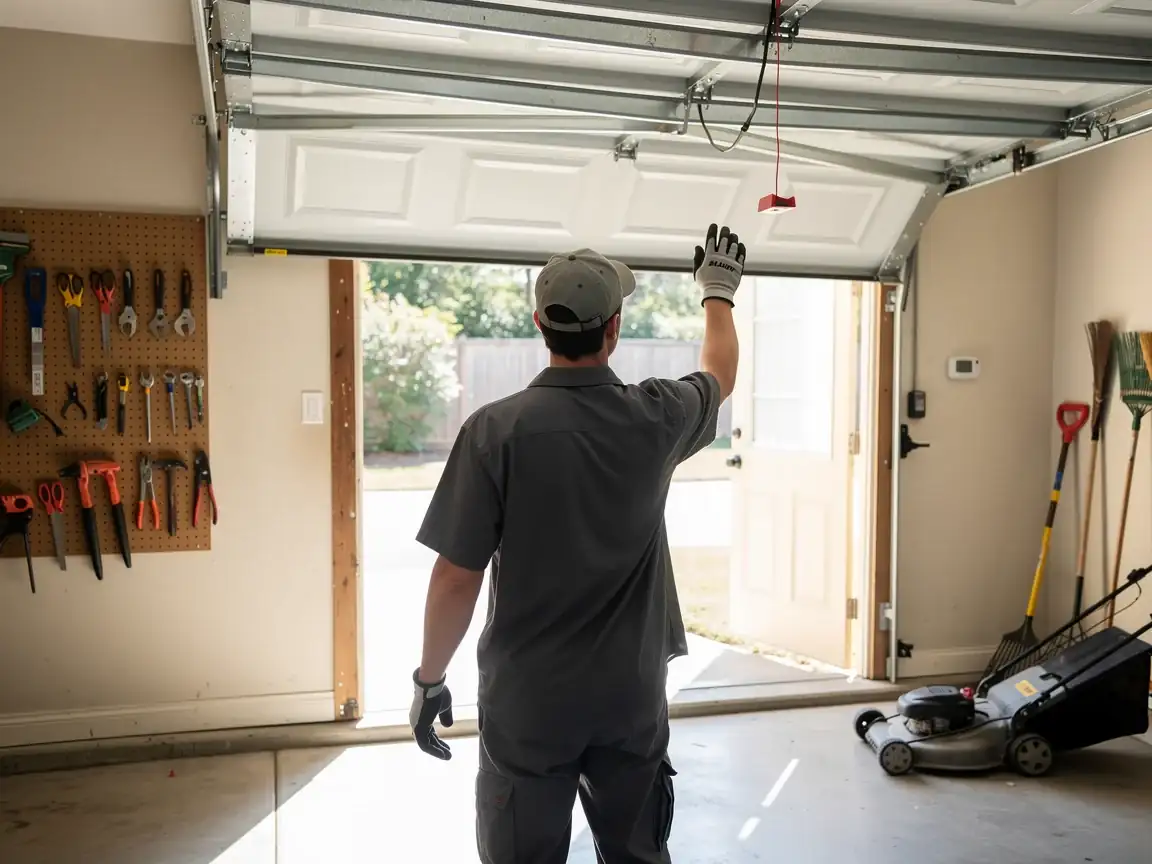
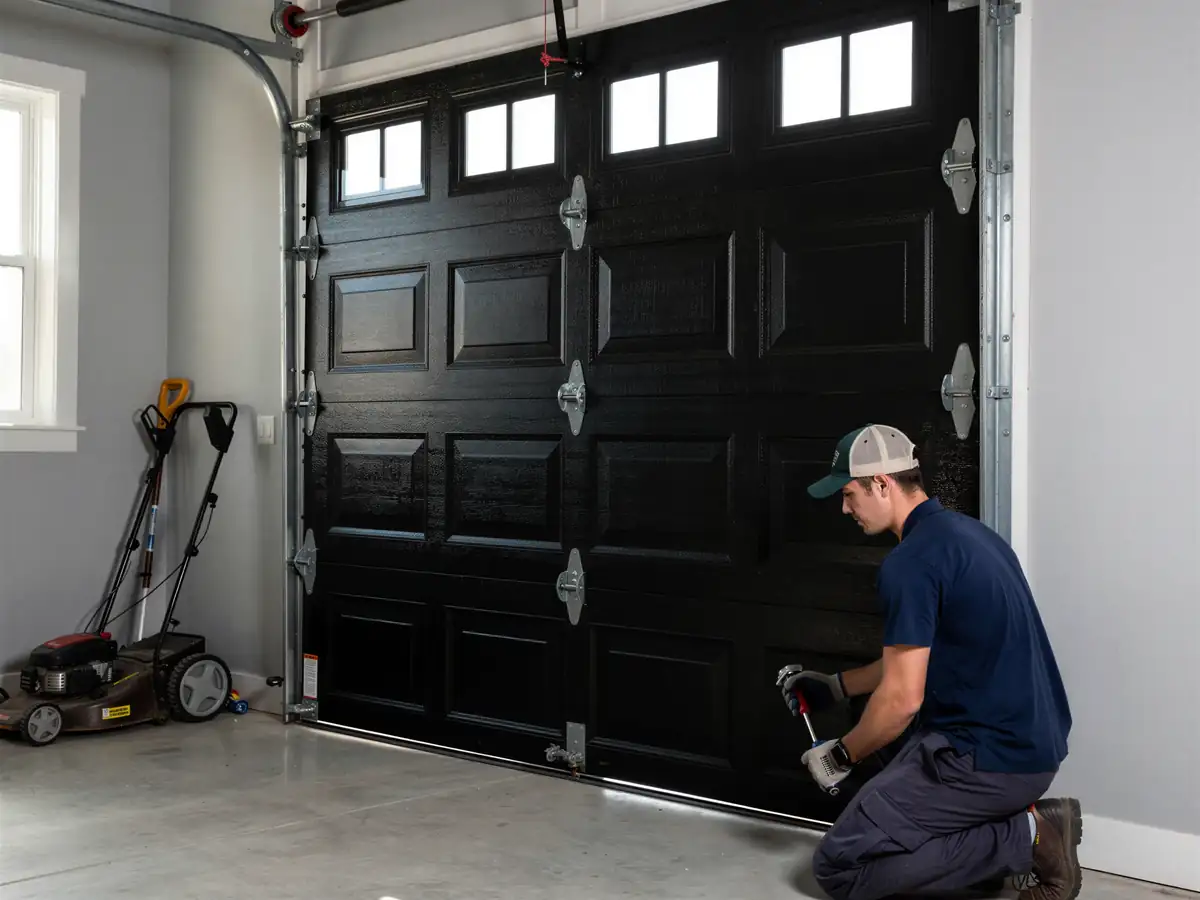
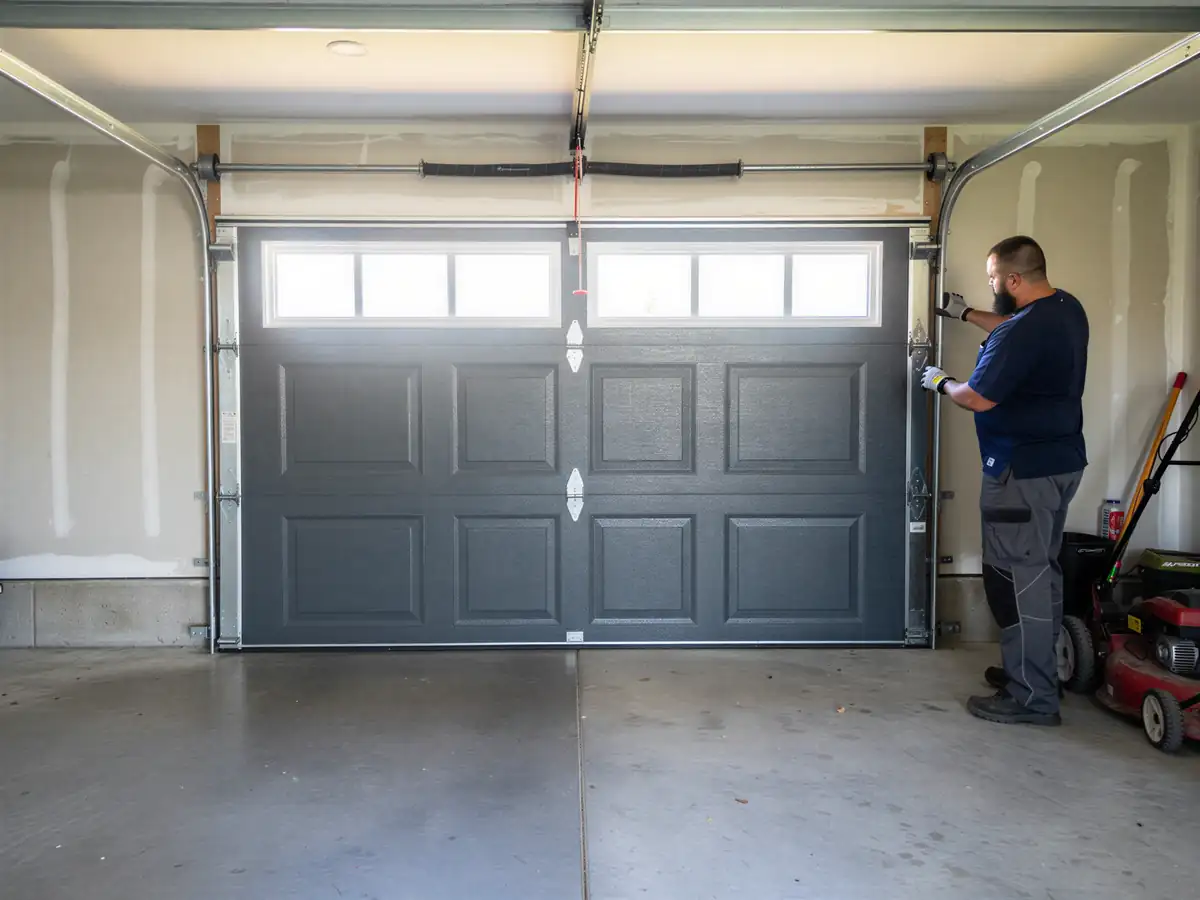
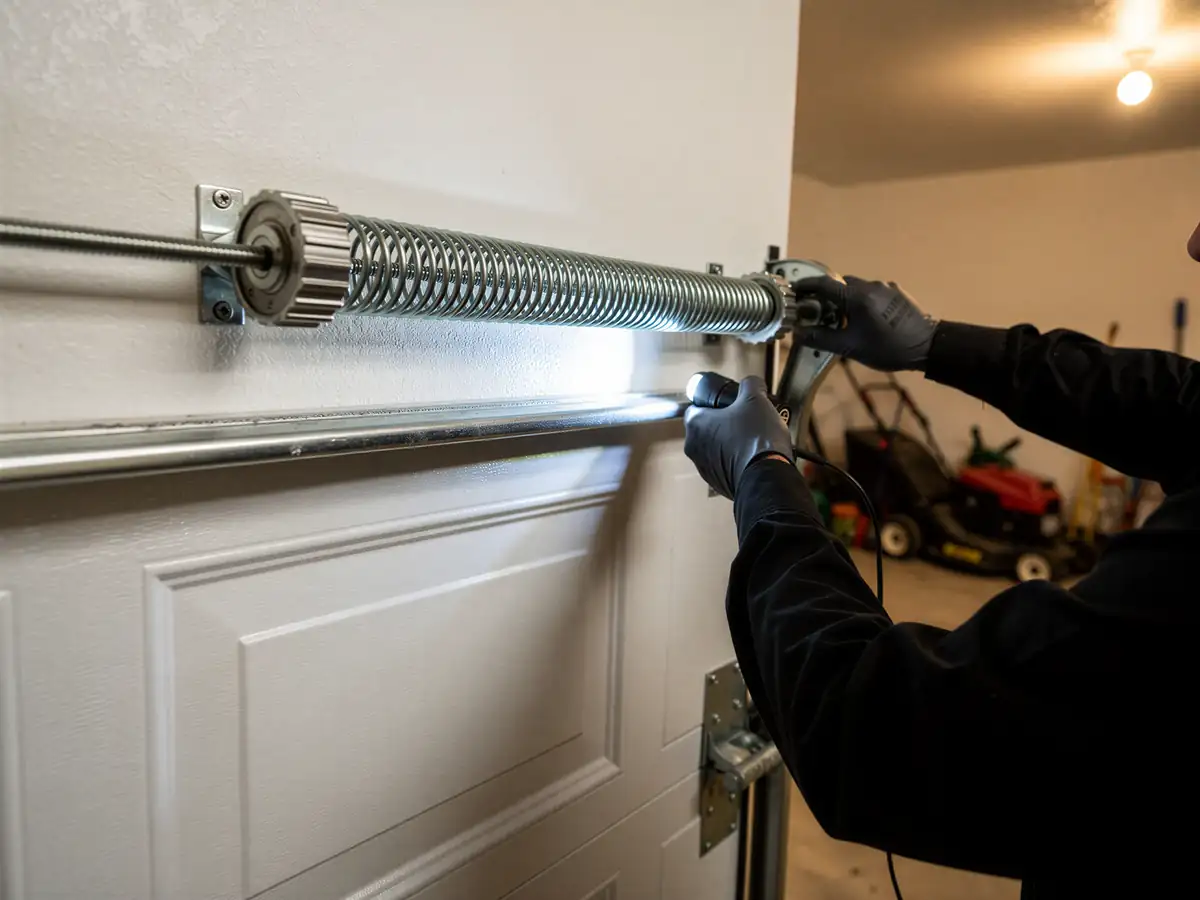
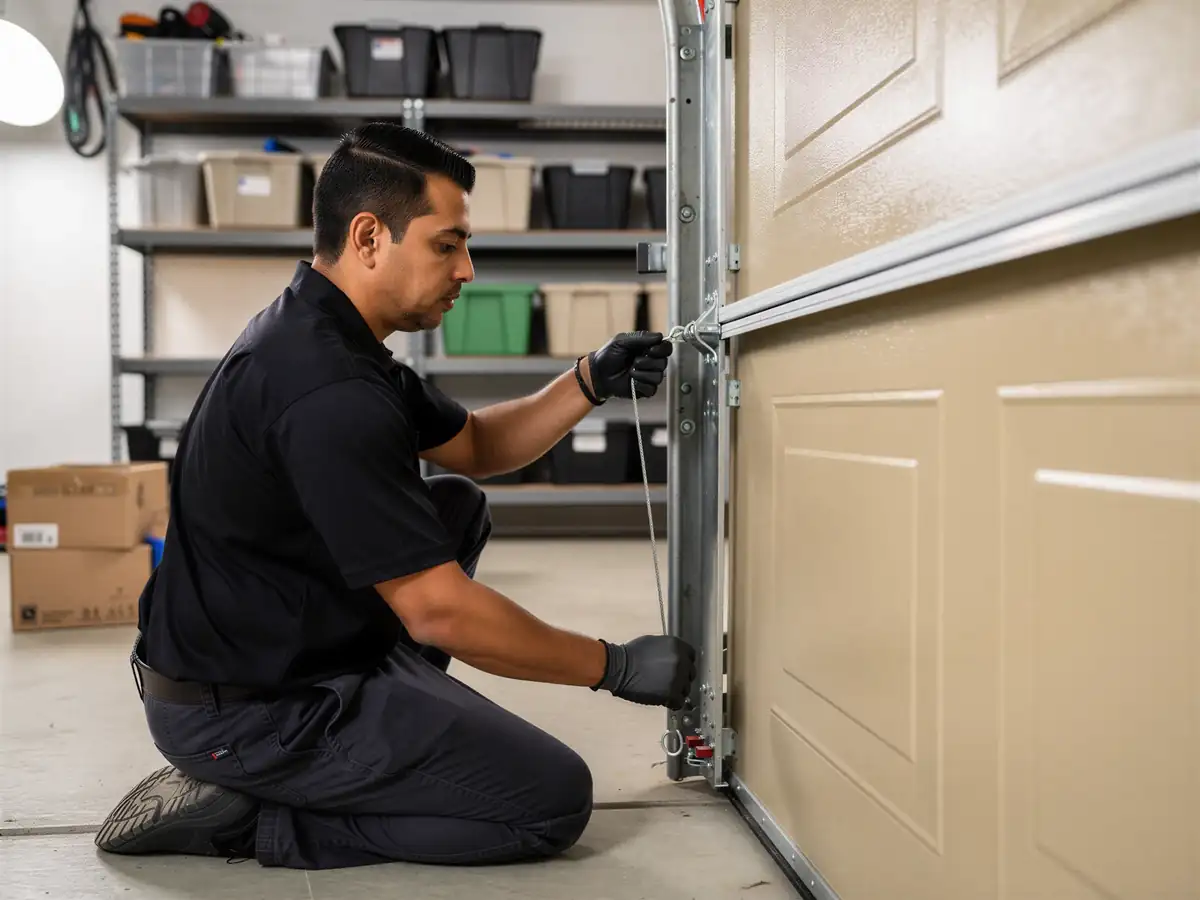
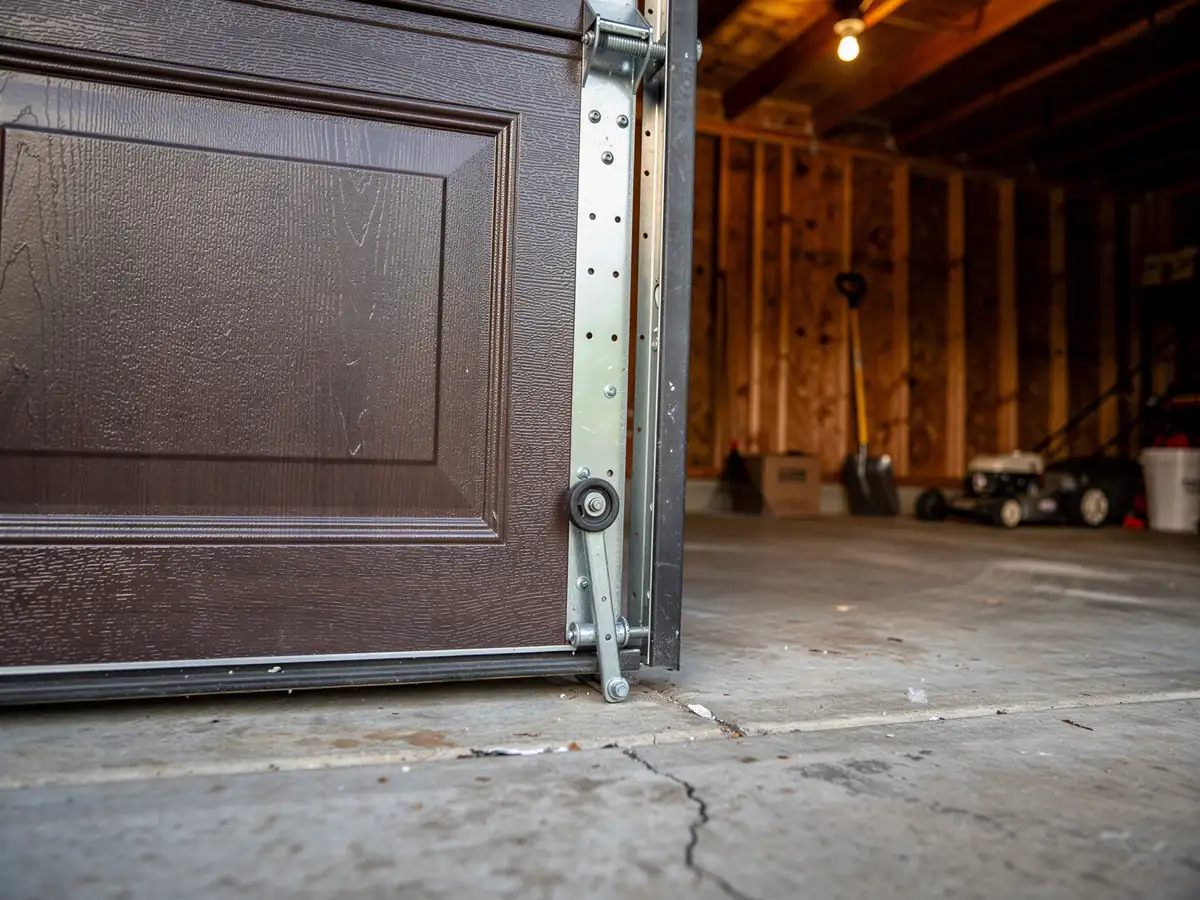
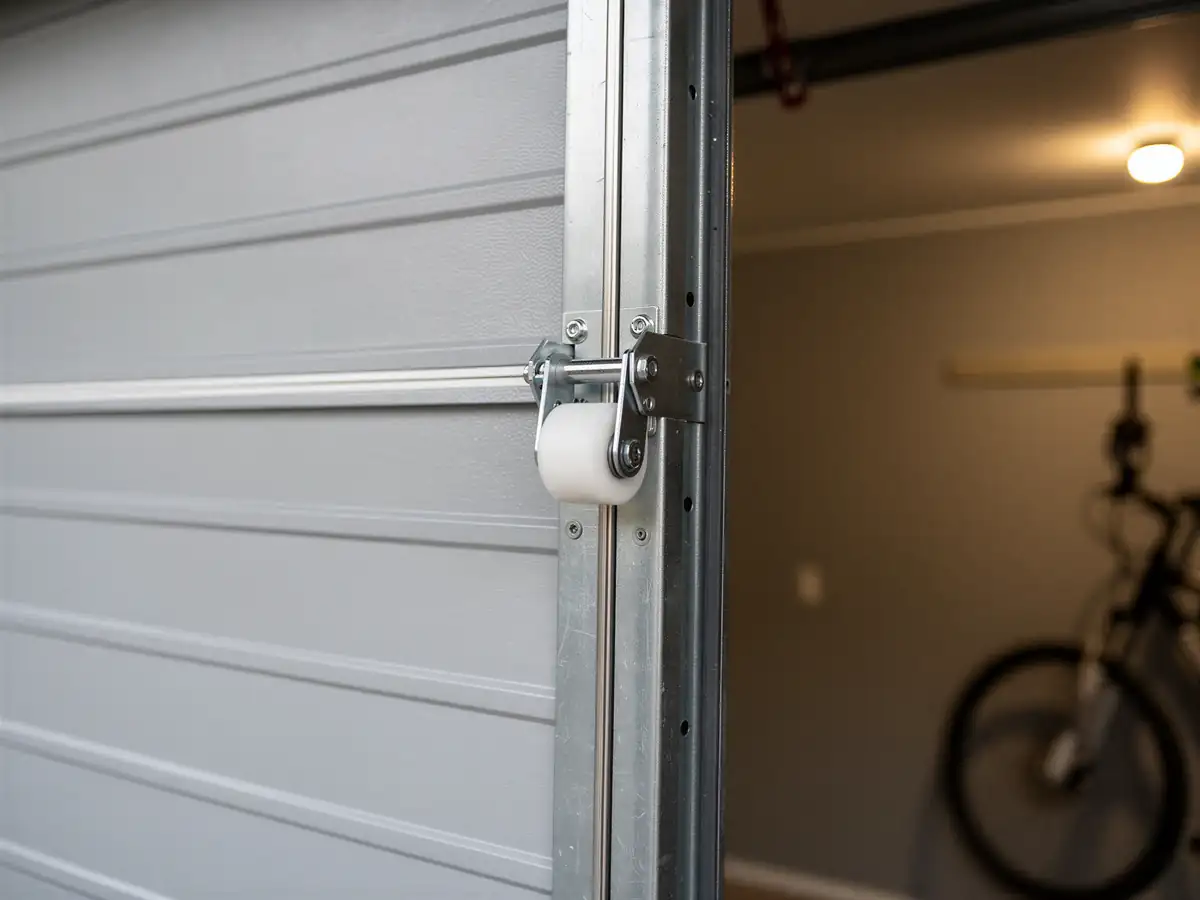
The most common mistake is replacing a whole door because one part failed. A broken spring, a bent bottom panel, or a dead opener motor doesn't mean the rest of the door is shot - it means that one part is shot. We also see the opposite mistake: patching a door that's bent along the track rails or has a warped panel from years of freeze-thaw movement, where the fix won't hold because the frame underneath has shifted. Given how much of the local housing stock sits in that 1980s-to-90s window, we run into a lot of doors with original torsion springs that were never upgraded to match the door's actual weight, especially after an owner added insulation or swapped to a heavier panel. That mismatch wears out rollers and openers faster than normal. One honest limit here: if the door's track is badly out of square or the frame has racked, we'll tell you straight that a patch repair is a short-term fix, not a real solution, and that money is better spent on a new unit.