Serving Lake Forest, IL & nearby
(847) 860-7354
Lake Forest, IL

When Your Spring Breaks in a Lake Forest Cold Snap

Lake Forest homes built mostly in the 1980s and 90s meet real cold snaps. Here's what happens to an aging torsion spring and what to do when it lets go.

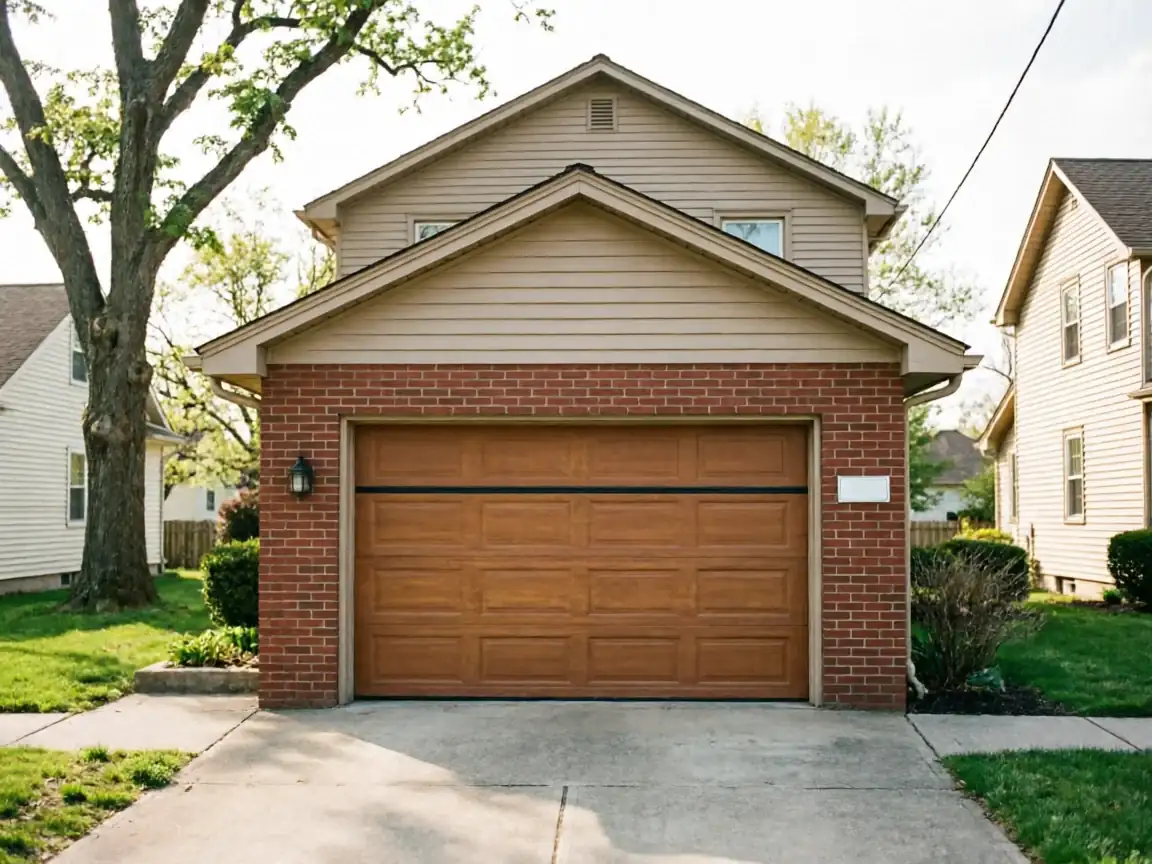
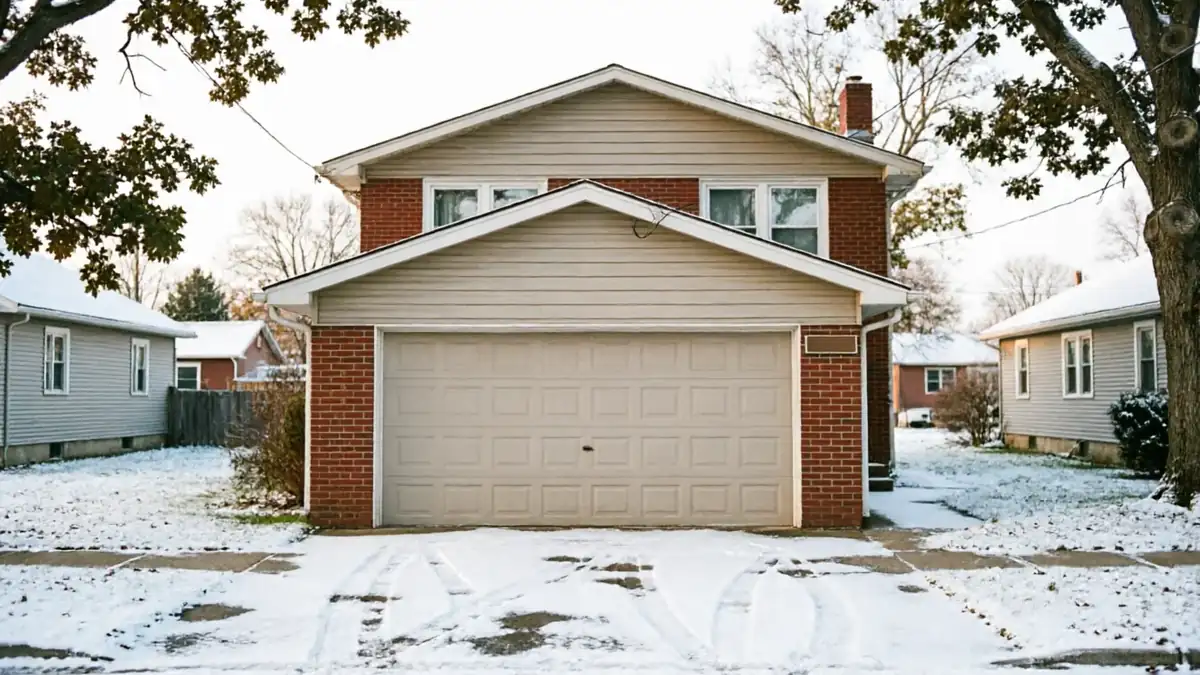
A beige garage door on a brick house with snow on the ground.

When to Get Help

  1. If you hear a bang from the garage and the door won't budge

    Or it opens a few inches and stops, that's a torsion spring giving out. Don't try to force it with the opener - you'll burn out the motor or snap a cable next. Call when you see a visible gap in the coil above the door, when the door feels unusually heavy to lift by hand, or when the opener runs but the door barely lifts.

  2. Most of Lake Forest's housing dates from 1938 to 2009

    With a lot of it built in the 1980s and 90s, which means a good share of original torsion springs are now thirty-plus years old and past the cycle count they were rated for. A spring doesn't wear out gradually and announce itself - it holds right up until it doesn't, and cold makes that last stretch shorter. If your door has felt stiff or slow for a week or two, that's the warning most people miss until the morning it won't lift at all.

  3. This isn't a job to leave for later once it happens

    A broken spring under tension is dangerous to handle, and a door stuck half-open is an open house to the cold and to anyone walking by.

The Situation

Lake Forest sits in a cold moderate climate band, which means real winter swings, not just a cold snap or two. Steel contracts as the temperature drops, and a torsion spring that's been flexing for a few decades loses a little temper and elasticity every cycle. Cold doesn't create the weakness - it exposes it on the coldest morning of the year, usually right when you're trying to leave for work.

The housing stock here spans 1938 through 2009 with a median build year around 1983, so a large number of garages still run original or first-replacement hardware from that era. Springs installed in the 80s and 90s were often sized for the doors of that time, which were lighter than today's insulated steel panels. If a door was ever upgraded without the spring being re-rated, that spring has been working harder than it should for years, and cold weather is when the slack runs out.

We see this pattern across the area - not a flood of calls, but a steady run of them whenever the mercury drops hard for a few days in a row.

What Most People Get Wrong

The most common mistake is assuming a sluggish door in winter is just "the cold" and nothing to worry about. Cold air does make lubricant thicken and metal contract slightly, but a door that's noticeably harder to lift by hand than it was in October usually has a spring that's already partway gone, not just chilly hardware.

The second mistake is spraying WD-40 on the spring coils and calling it fixed. That's a solvent, not a lubricant, and it can actually strip what grease is left on the coils. It won't add life back to thirty-year-old steel.

The third is waiting. With houses in this area built across seven decades, a lot of springs are well past due regardless of season, and cold weather just picks the moment. Putting off a replacement until the door fails completely means you're doing it in a hurry, in the cold, instead of on your schedule. We'll also say plainly: if your opener and track are also original to a pre-1990 build, replacing just the spring sometimes isn't the better move - sometimes the whole assembly needs a look, and we'll tell you if that's the case instead of just swapping a part.

What Local Conditions Do

  1. In a cold moderate climate, the temperature doesn't just drop once - it cycles

    A warm afternoon followed by a hard freeze overnight puts more stress on steel than a steady deep freeze would, because the metal is constantly expanding and contracting. That cycling is harder on an aging spring than the cold itself.

  2. Given that the median home here was built around 1983

    A lot of garages have gone through forty-plus winters of that cycling on the same spring, sometimes the same one from the original install. Add in that household incomes in this area run well above the national median, and we also see more insulated doors and heavier panel upgrades installed on hardware that was never re-rated for the extra weight - another way a spring ends up undersized for the job it's doing by the time deep cold arrives.

  3. None of this means every older door is a ticking clock

    Plenty of springs installed in the 90s are still doing fine. But if yours is original to a house built well before 2000, cold weather is exactly when the odds catch up with it.
How it works

From “it’s stuck” to “it’s fixed”

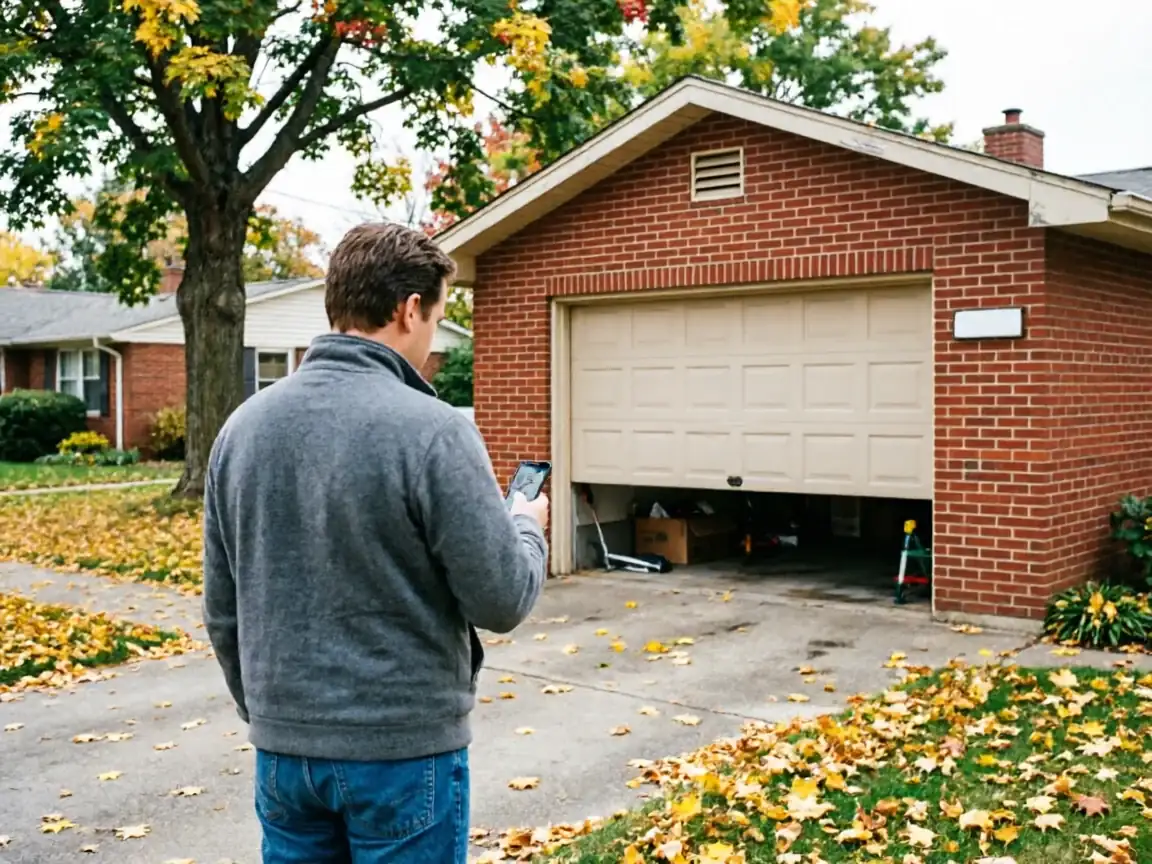
A man stands in a driveway looking at his phone, with a partially open garage door behind him.

Tell us what’s wrong

Describe the symptom - won’t open, loud bang, opener runs but the door won’t move.

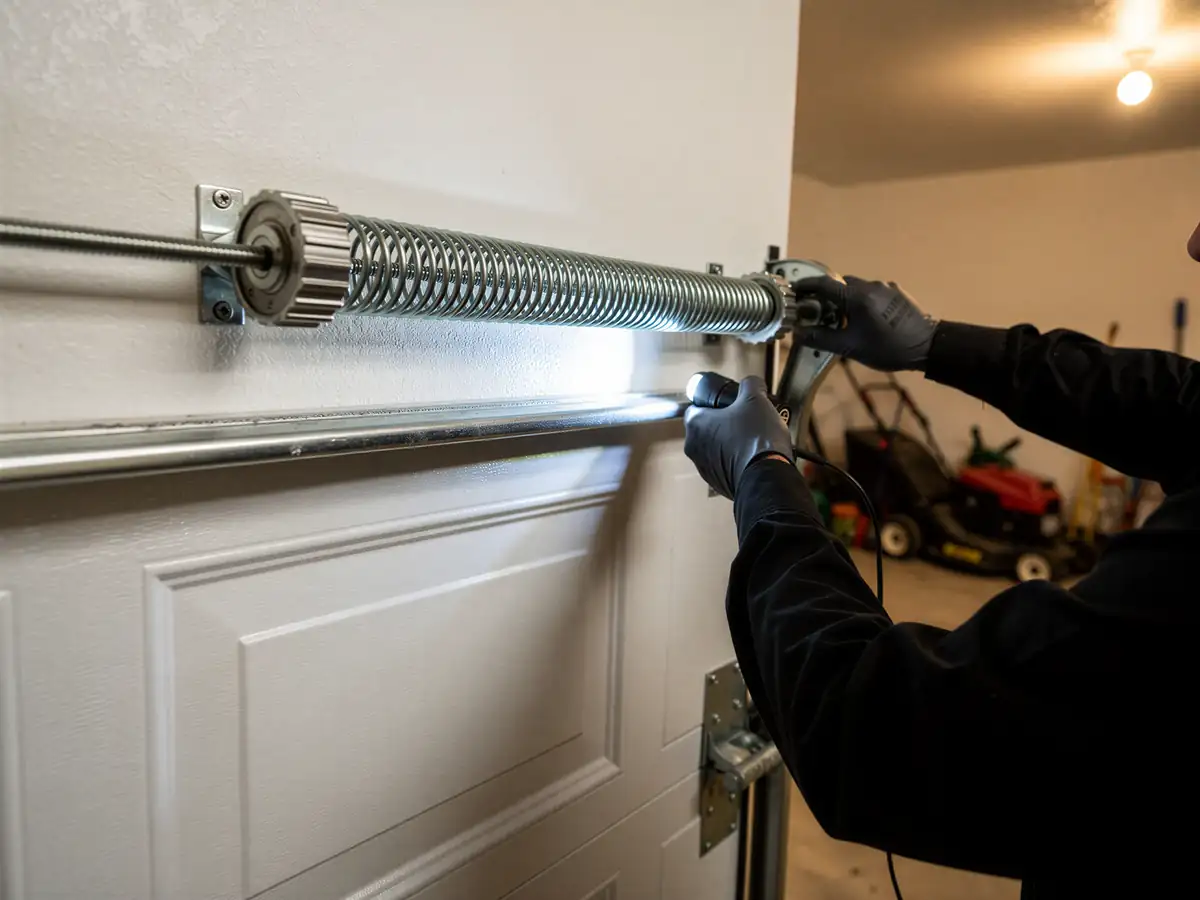
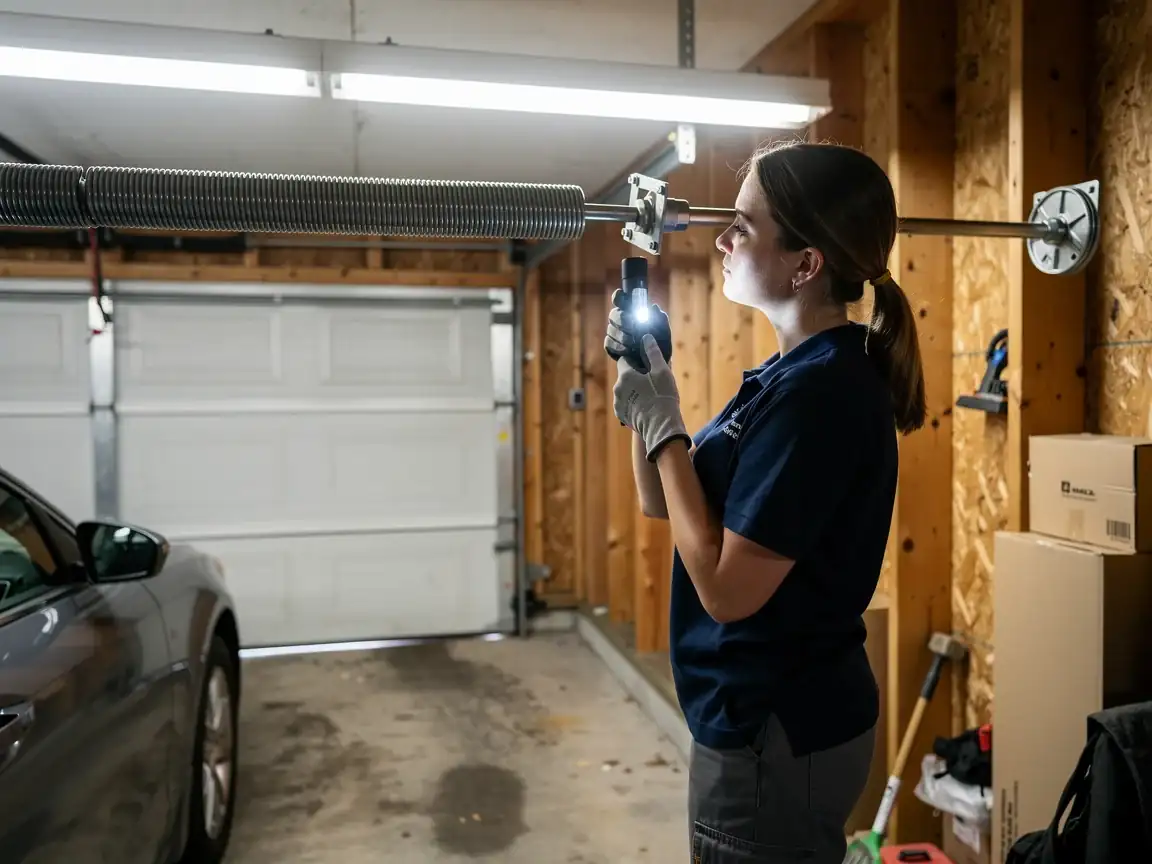
A technician shines a flashlight on a garage door torsion spring.

On-site diagnosis

A technician tests the door under power and by hand and finds what actually failed.

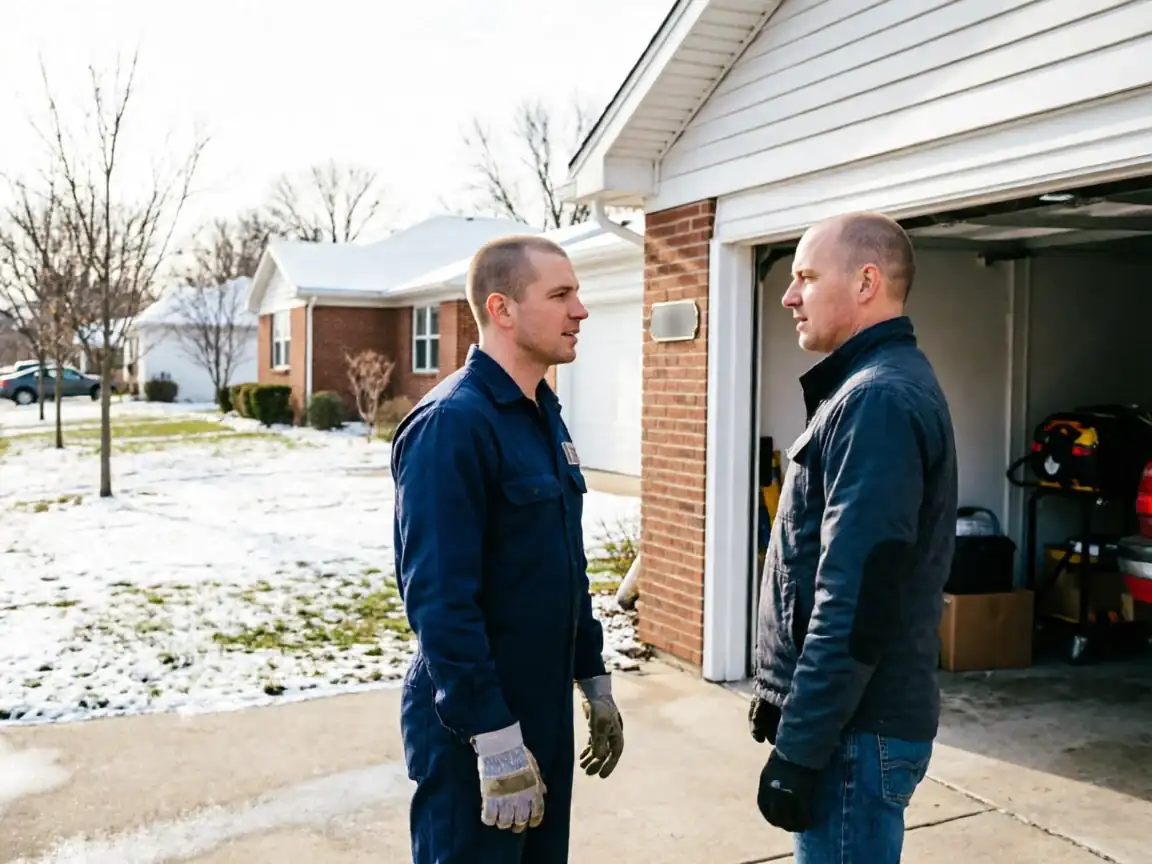
A technician in a blue jumpsuit talks to a man in front of a garage.

Clear, up-front plan

You get the fix that’s needed and what drives the cost - before any work starts.

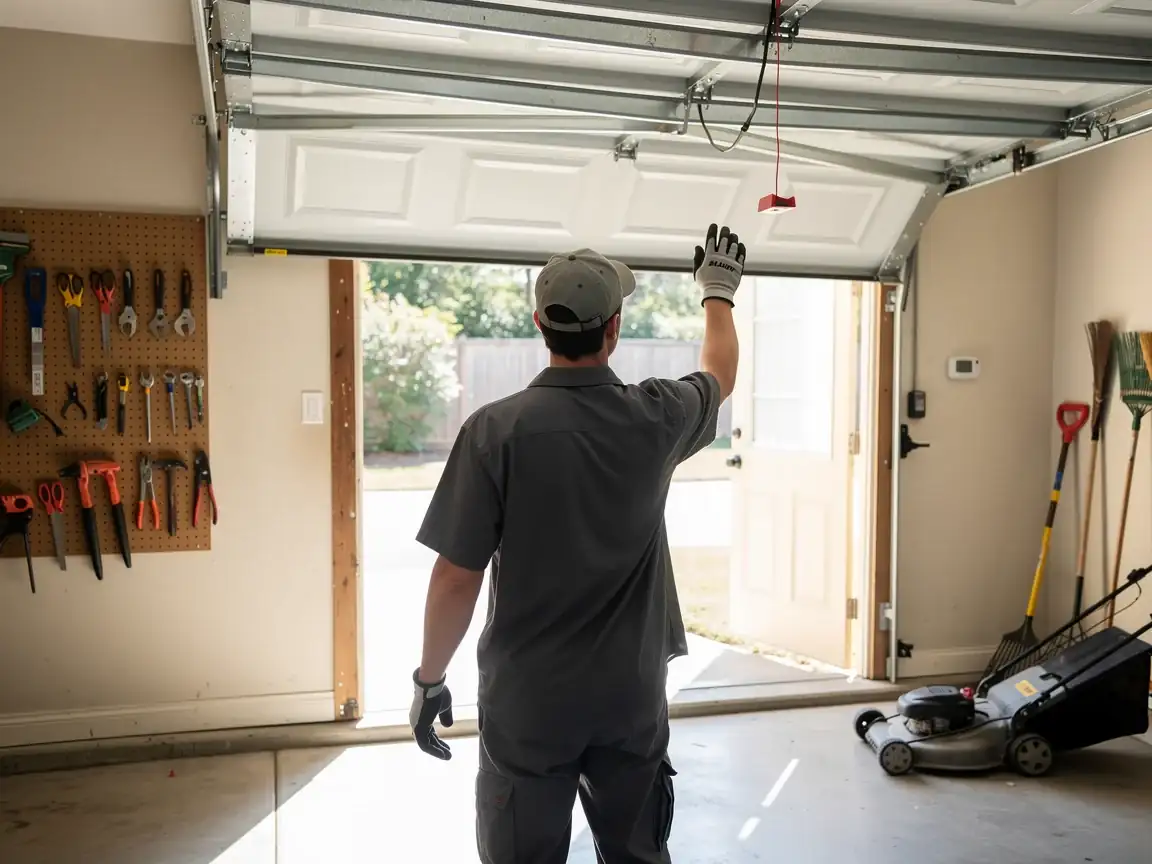
A technician in a gray uniform and gloves is looking at an open garage door.

Repaired & tested

The repair is done, the door is set true and tested, and the work area left clean.

Not sure which repair your door needs in Lake Forest, IL? Describe what it’s doing - every job starts with a diagnosis.

How we work

What to expect

Diagnosis firstEvery visit starts by finding what actually failed - not a pre-written parts list.
The right part for the doorSprings and openers matched to the door’s weight and age, so the fix holds up.
Straight answersWhen a repair makes more sense than a replacement - or the reverse - you hear it plainly.
Clean, careful workTension released safely, hardware set true, the door tested under power before we leave.
What we do

Garage Door Services

Repair and installation work for Lake Forest homes and businesses.

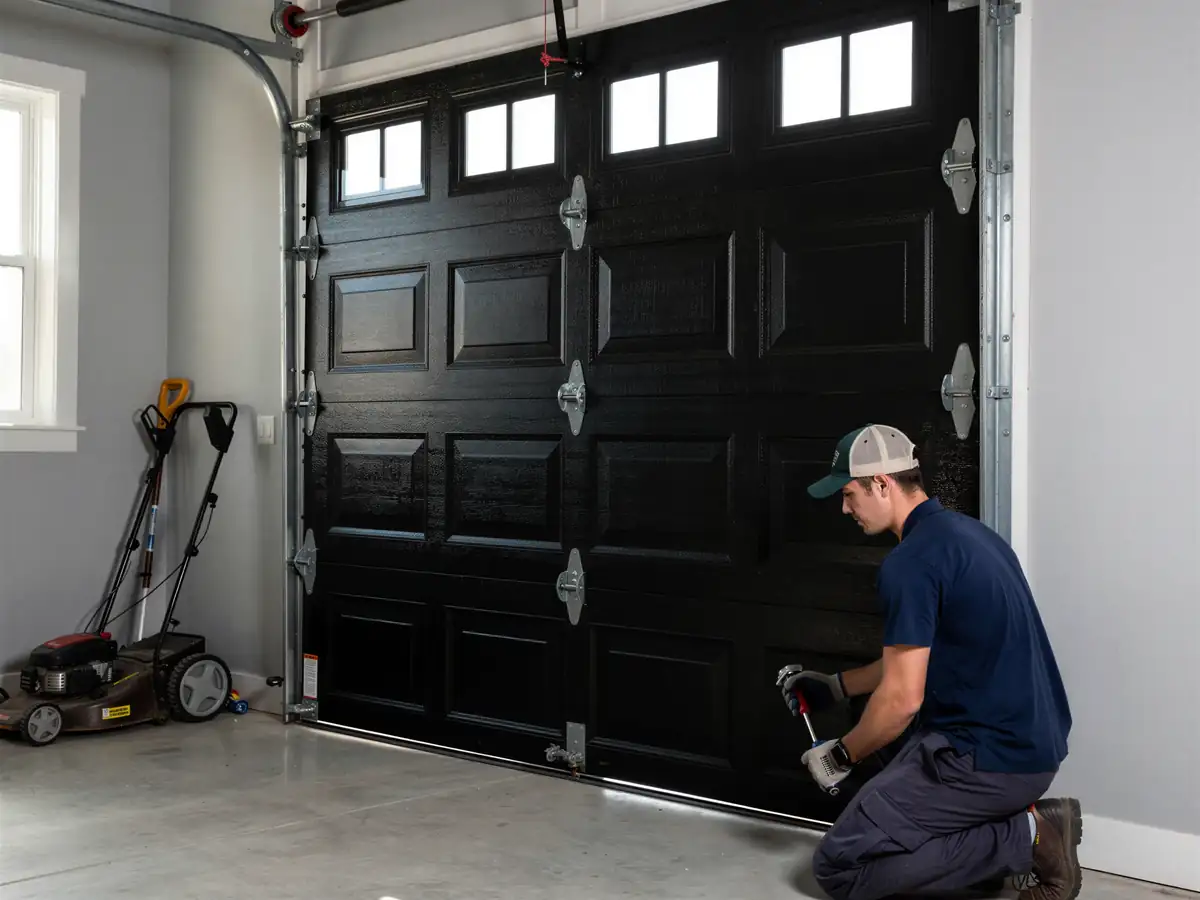
A technician kneels to work on the bottom panel of a black garage door.

Garage Door Repair

Lake Forest garage door repair for 1980s-era torsion springs and openers strained by cold winters. Serving Lake Forest and the North Shore towns around it.

Learn more
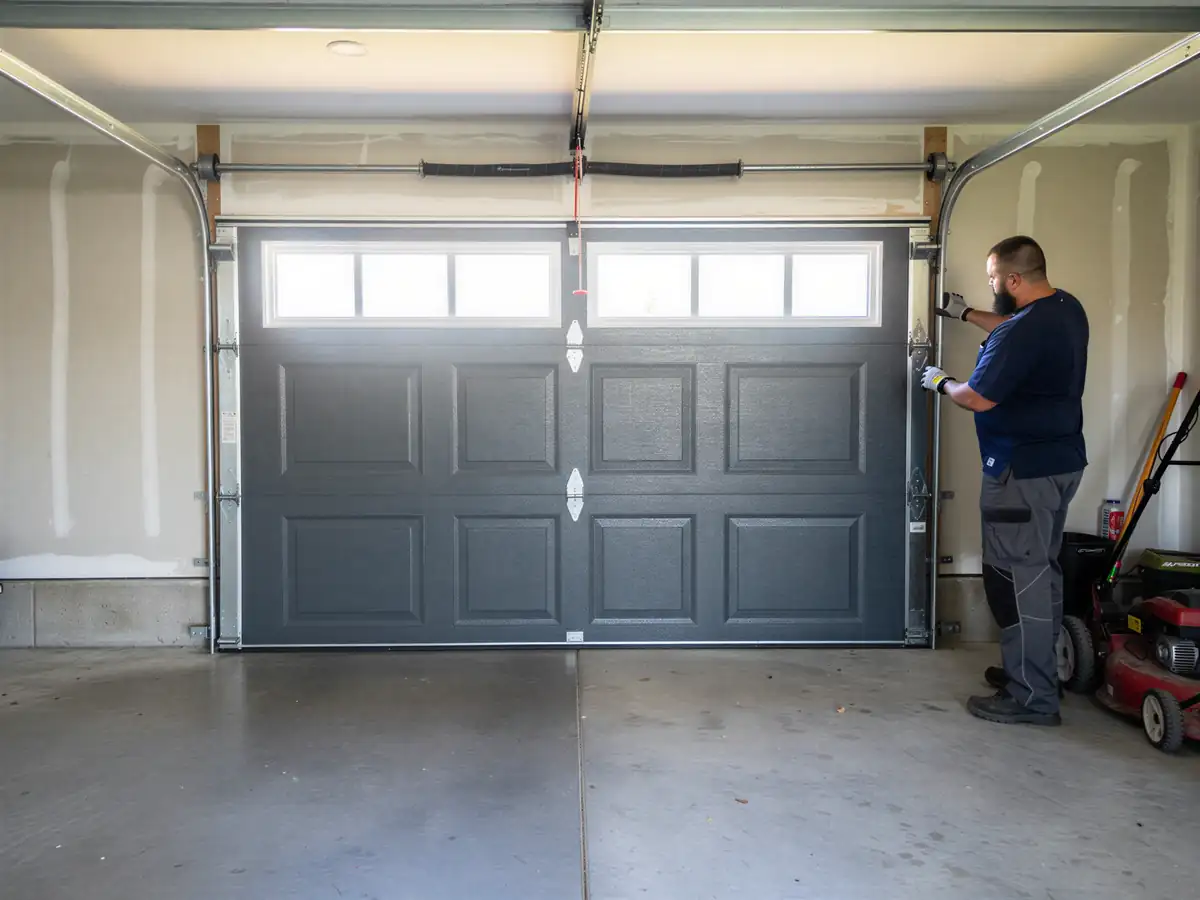
A technician adjusts a closed gray garage door with windows in a garage.

Garage Door Installation

Lake Forest homes built between 1938 and 2009 carry openers and springs sized for a different era. We install doors matched to this area's housing stock and cold climate.

Learn more
A brown paneled garage door is on a brick house with tan siding.

Garage Door Service

Lake Forest garage door service built around houses from the 1938-2009 build range and Chicago-area winters. Spring, opener, and track repair for original hardware.

Learn more
A technician in black gloves works on a garage door torsion spring.

Spring Repair

Torsion and extension spring repair for Lake Forest area homes built mostly between the 1960s and 1990s, where cold winters put extra load on aging spring steel.

Learn more
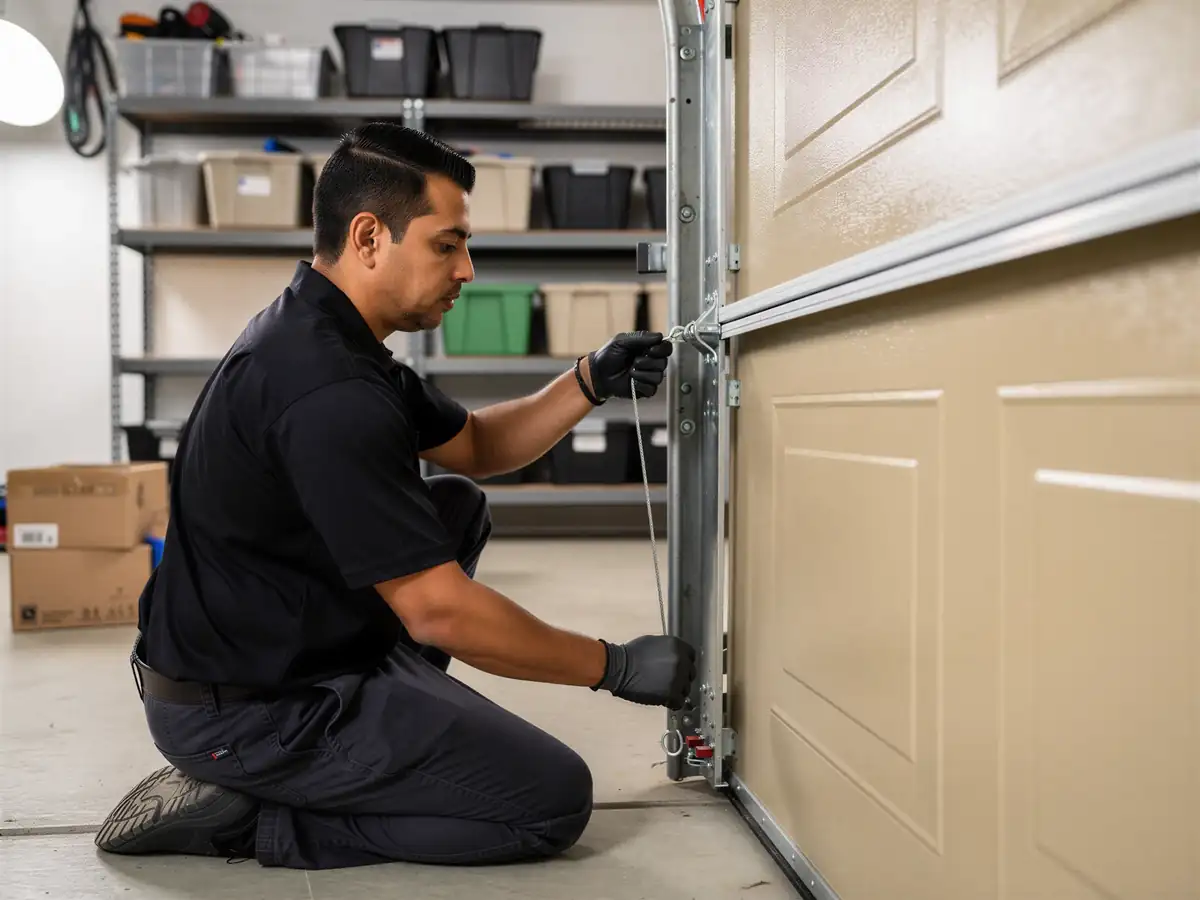
A technician in black gloves kneels while working on a beige garage door.

Cable Repair

Lake Forest homes built between 1938 and 2009 see cable wear from cold-weather cycling. We repair frayed, snapped, and off-drum cables on original and replacement doors.

Learn more
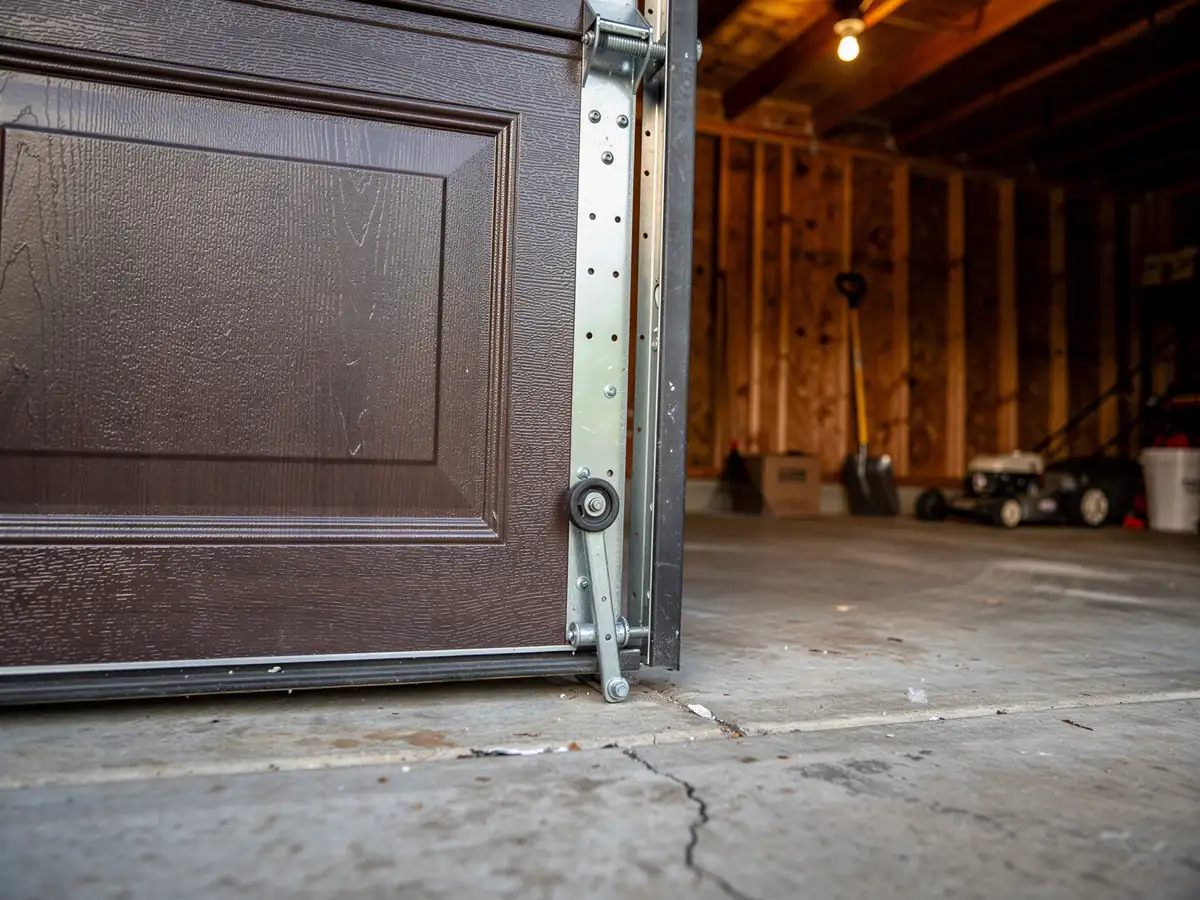
A brown garage door is slightly open, showing the roller and track.

Off-Track Repair

Garage door off track in Lake Forest? We explain why this area's 1938-2009 housing stock and cold winters knock doors off their rails, and how we realign or replace them.

Learn more
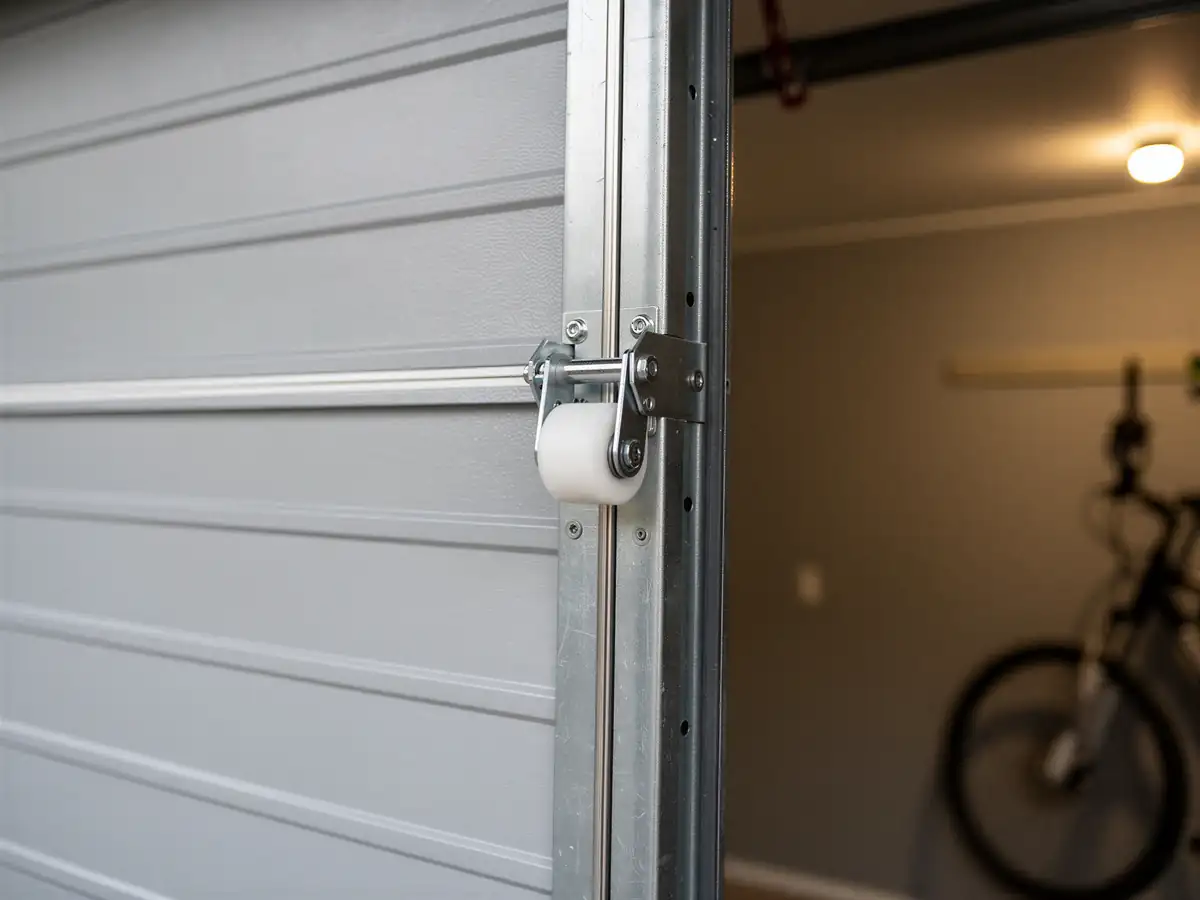
A white garage door roller is attached to a gray garage door.

Roller Replacement

Worn rollers on Lake Forest's 1980s-era doors cause grinding and sticking in cold weather. We replace steel rollers with sealed nylon ones built for this climate.

Learn more
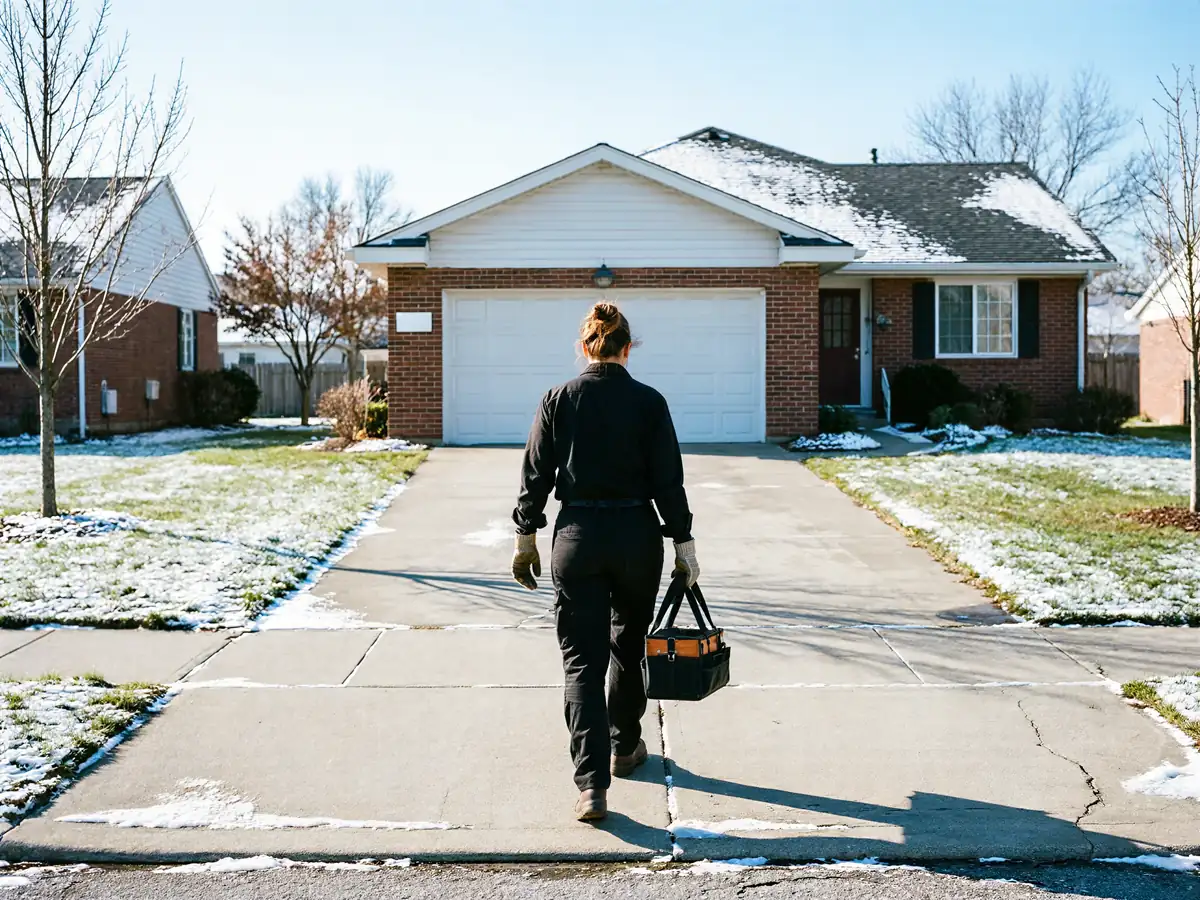
A technician walks toward a house with a white garage door, carrying a toolbox.

Emergency Garage Door Repair

Snapped springs, dead openers, and stuck doors on homes built between 1938 and 2009 across the Lake Forest service area. We run emergency calls, not scheduled maintenance slots.

Learn more
Questions

Frequently asked

Straight answers about garage door repair in Lake Forest. Still unsure? Ask us directly.

Why do springs break more in winter in Lake Forest?

Cold moderate winters here put steel through repeated expansion and contraction, which is harder on an aging spring than steady cold would be. Combined with a lot of local housing stock dating to the 1980s and 90s, many springs are both old and cycling hard by the time a deep freeze hits.

Is a broken spring something I can wait on?

No. A spring under tension is dangerous to handle yourself, and a door stuck open or half-open leaves your garage exposed to cold for as long as you wait. Call as soon as you notice the signs rather than after full failure.

My door is original to a 1980s house - should I worry?

Not automatically, but it's worth a look. A lot of Lake Forest homes were built in the 1980s and 90s, and a spring from that era has likely gone through decades of freeze-thaw cycling. If the door feels heavier than it used to, that's worth checking before it fails.

Will spraying lubricant on the spring help in winter?

Not if it's WD-40 - that's a solvent and can strip what lubrication is left. It won't restore life to an aging spring, and it won't prevent a cold-weather break if the spring is already near the end of its cycle count.

Ready to get your garage door sorted?

Tell us what it’s doing and where you are in Lake Forest - we’ll take it from there.

Request a QuoteCall