Why This Fails Locally
Housing in this service area runs from 1938 up through 2009
With the median build year sitting around 1983 and most of the 53 named communities we cover carrying a heavy concentration of 1980s and 90s construction. That matters for springs because a torsion spring is rated for a number of cycles, not a number of years, and a door installed when a house was built in the 80s has been through three or four decades of daily opens and closes by now. The steel is simply at or past its rated life in a huge share of the homes in this area.
Cold is the other half of it
This area sits in a moderate-cold climate band, and steel contracts in winter. A spring that's already worn thin from cycle count loses flexibility faster once temperatures drop, and that's when the coil that was holding on through fall finally lets go - usually on the first hard cold snap of the season, not in July. If your door was fine in September and started groaning or slamming down hard in December, this is almost always why.
We don't see this pattern because of anything special about one town
We see it because the housing stock across the whole area aged into spring failure territory at roughly the same time.
How It Shows Up
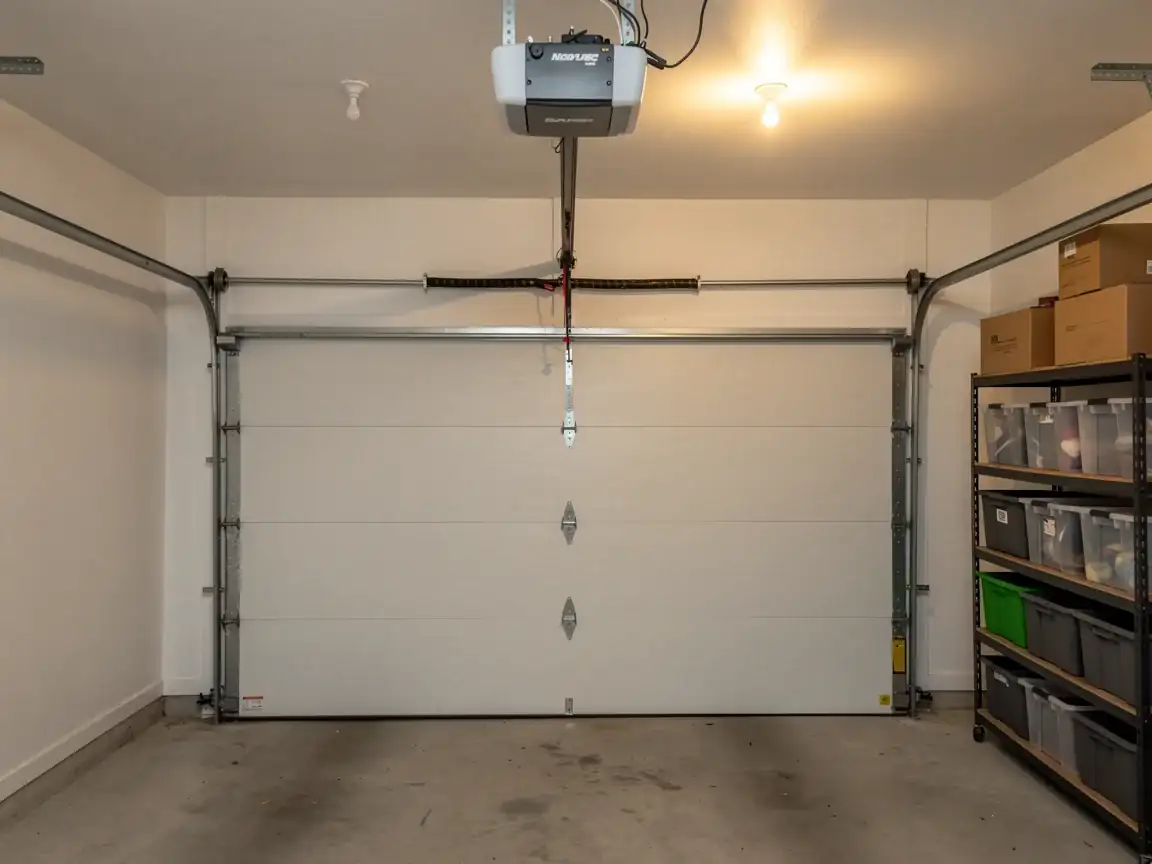
The most common complaint is a door that won't open at all, or one that an opener tries to lift and then stalls on, grinding and struggling against a dead spring. You'll also hear it before you see it: a loud bang from the garage, usually when no one is touching the door, which is the spring letting go under tension.
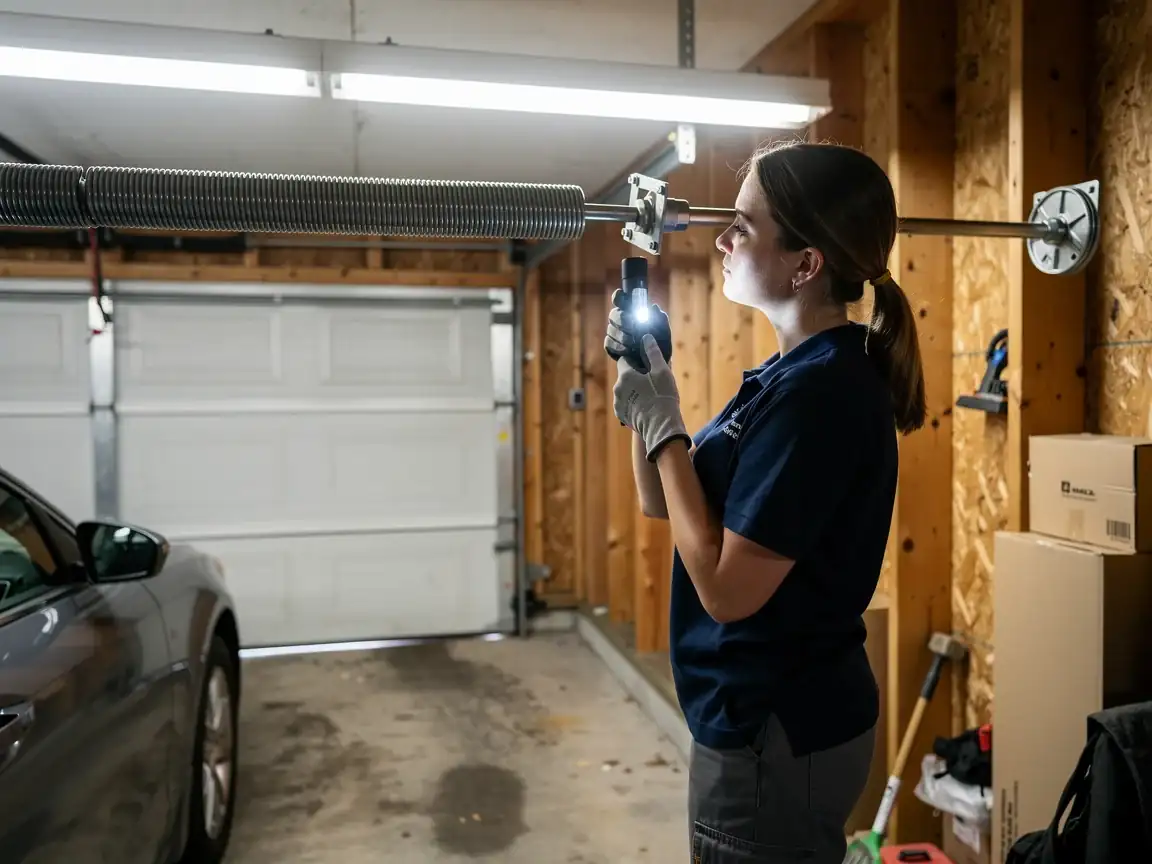
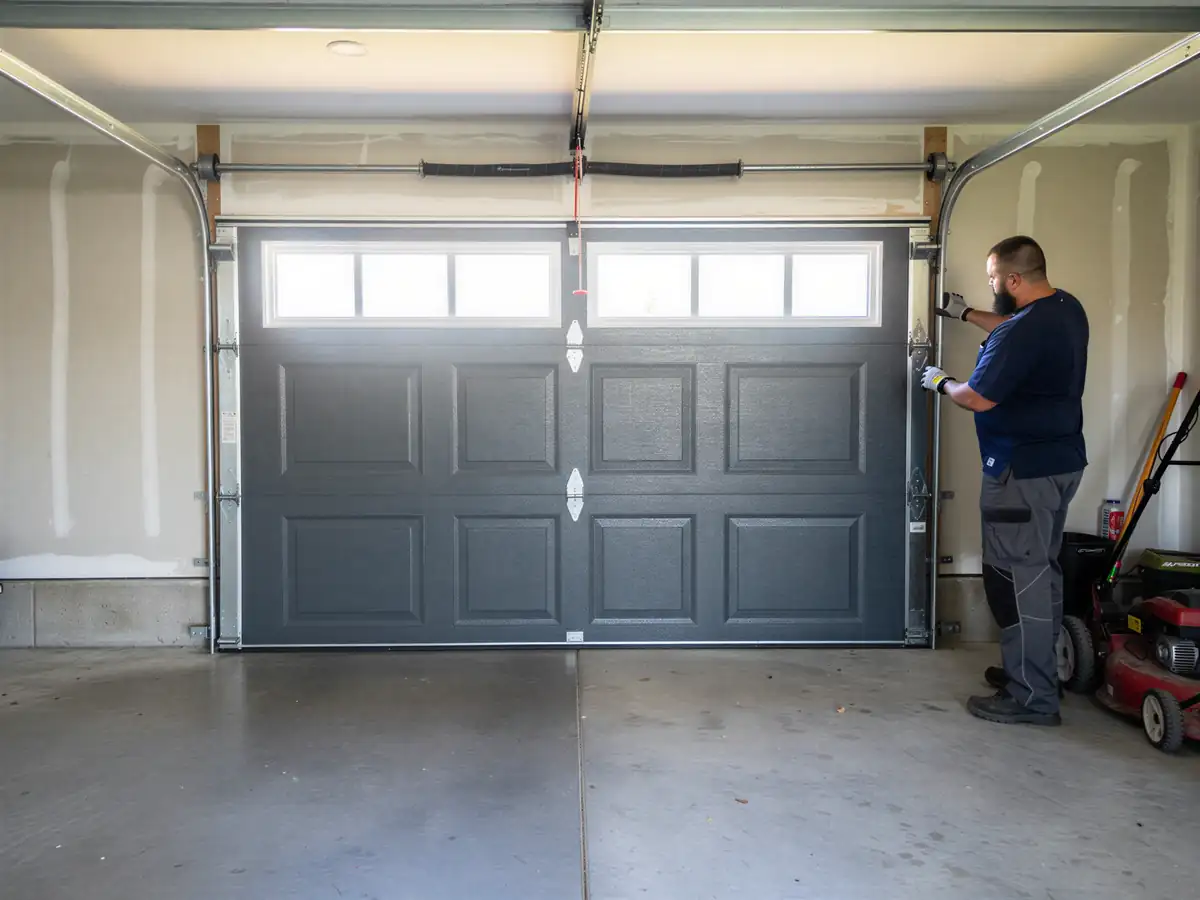
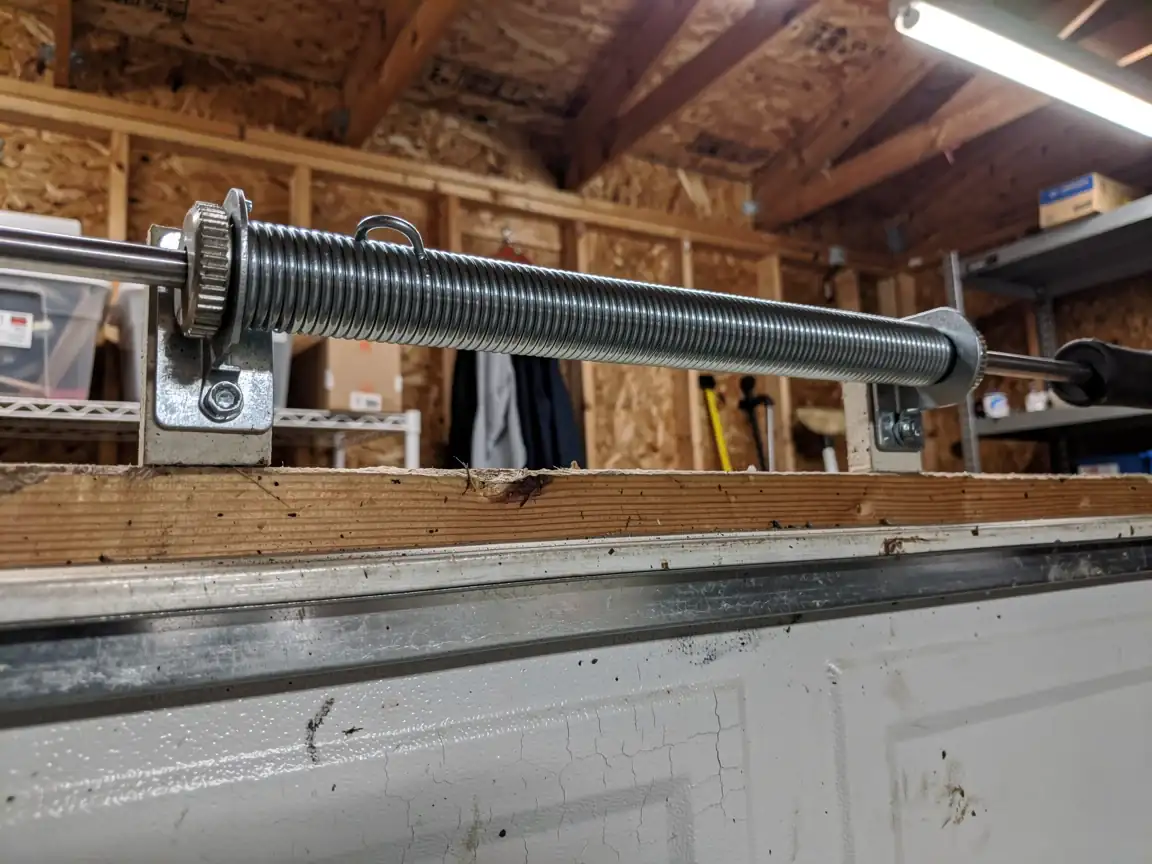
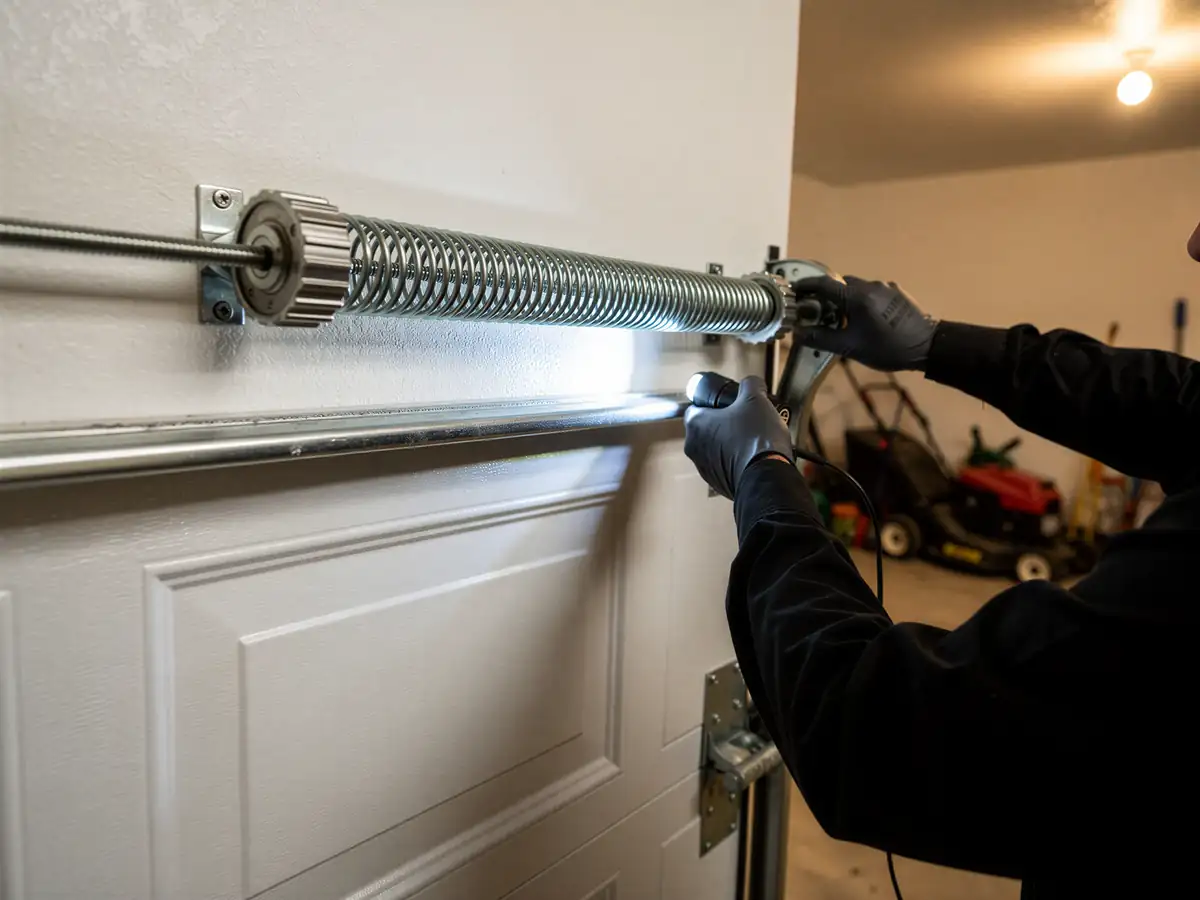
On older torsion setups, common in houses from the earlier end of that 1938-2009 build range, you'll sometimes see a visible gap in the coil itself - the spring looks separated or twisted instead of sitting tight on the shaft. On extension-spring setups, which show up more in the older stock, the failure point is usually frayed or snapped at one end, and the door will sag unevenly to one side when you try to lift it by hand.
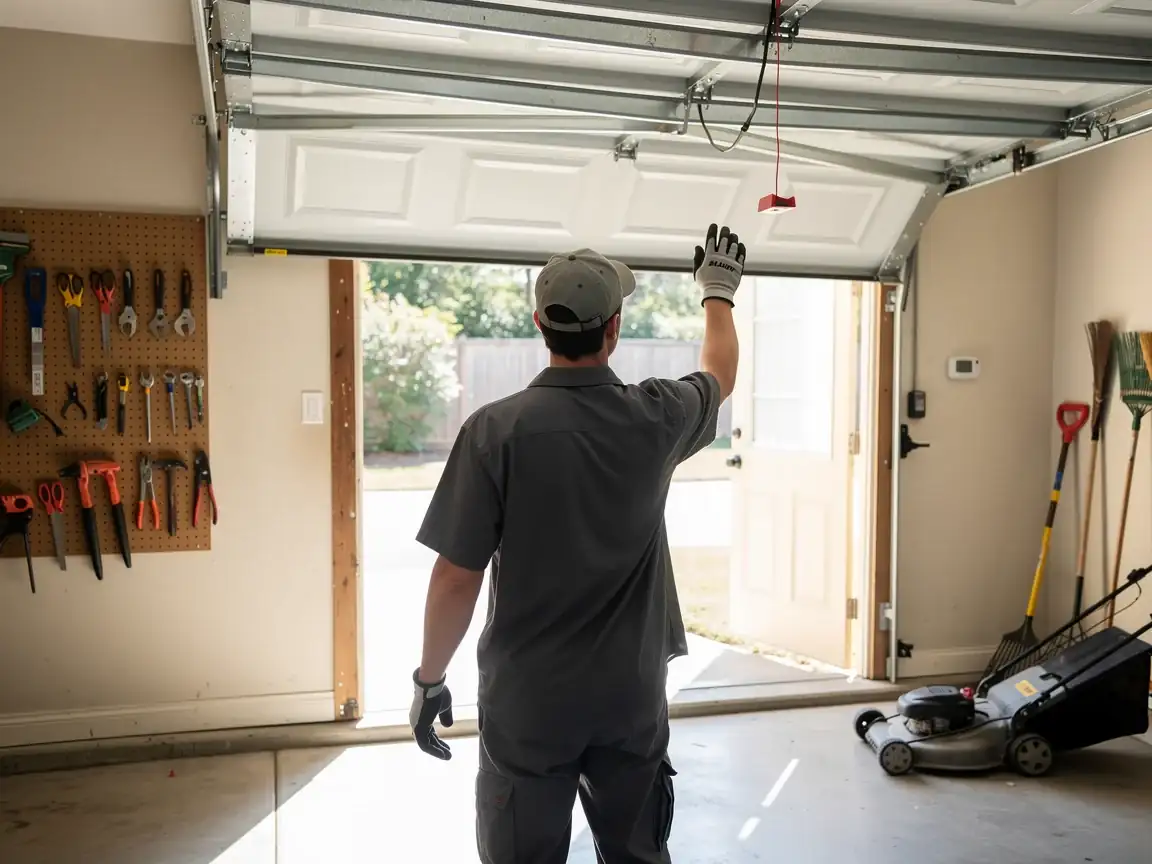
A door that feels heavy to lift manually, moves in a jerky or uneven way, or has an opener that runs but the door barely budges, is telling you the spring is carrying less of the load than it should - sometimes weeks before it fully breaks.
How We Fix It
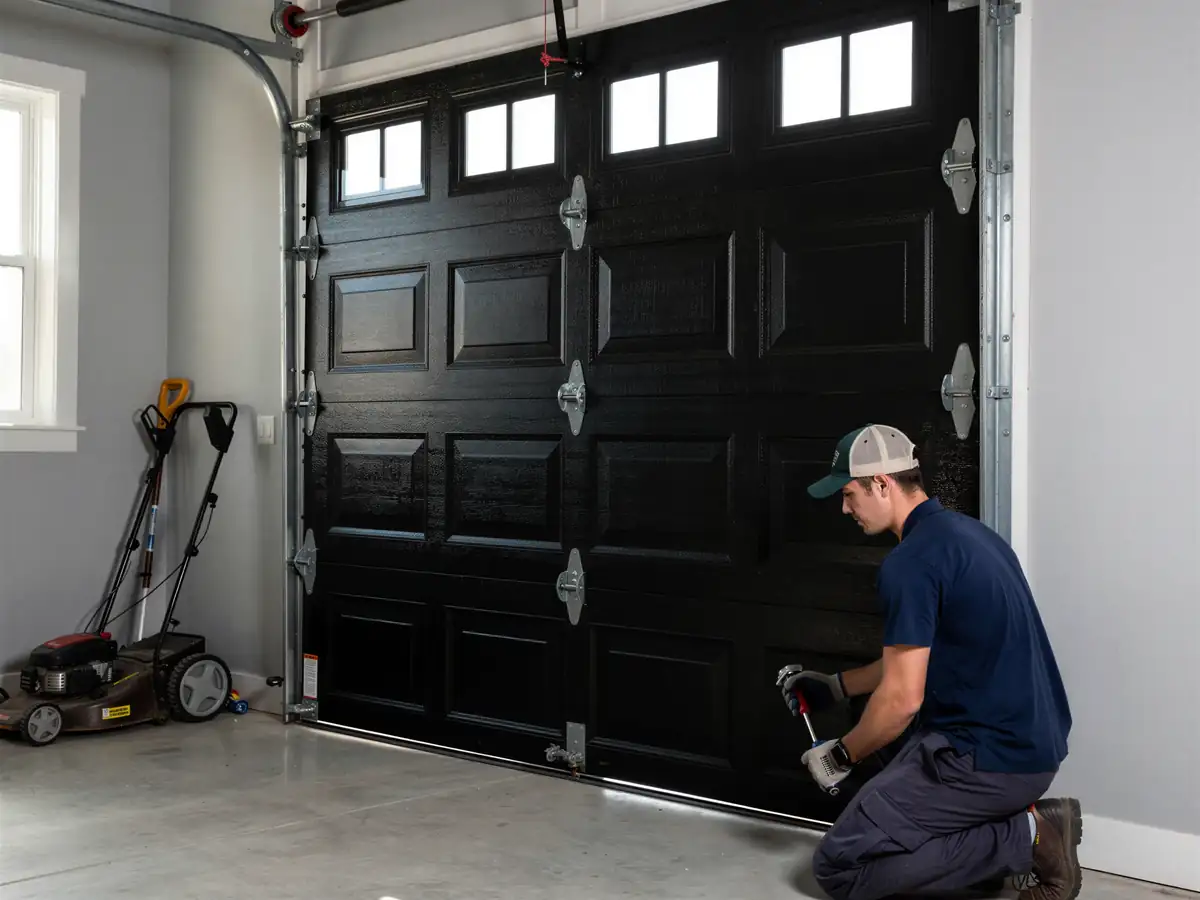
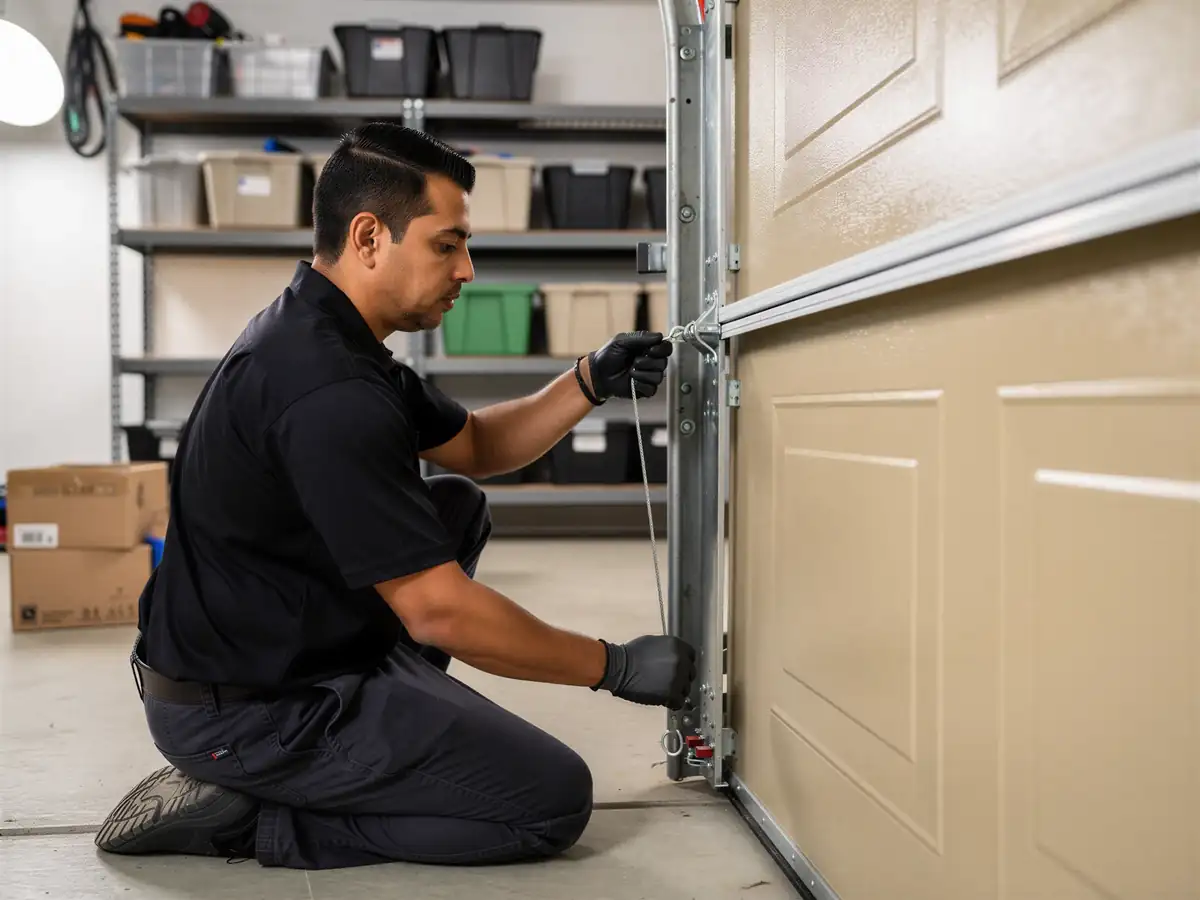
We size the replacement spring to the door's actual weight and cycle needs, not just whatever was on it before - a lot of the failures we see are from a spring that was undersized or mismatched to begin with. For torsion systems we check both springs even if only one has broken, because the second one is usually close behind it on the same age and cycle count. For extension spring setups we also check that safety cables are in place, since older installs in this area sometimes predate that becoming standard.
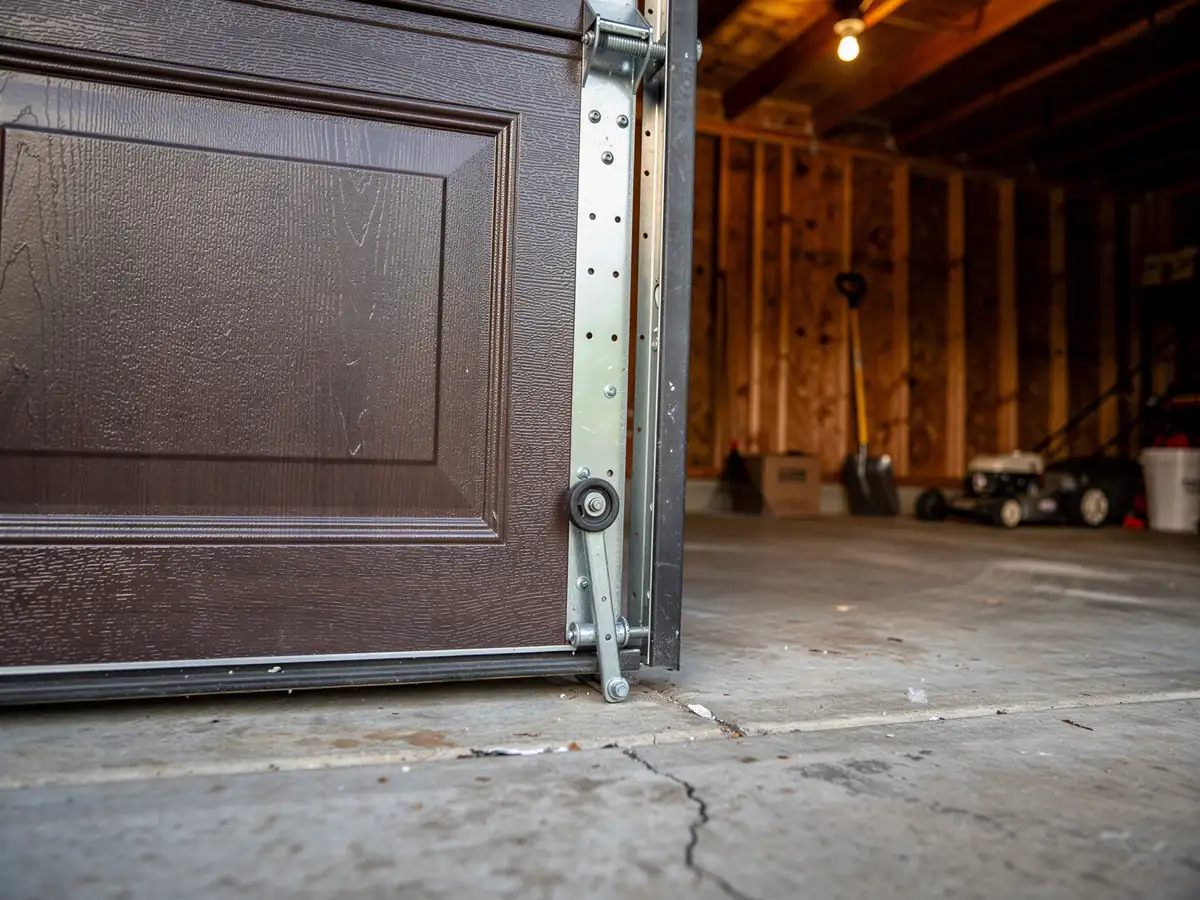
One limitation worth saying plainly: if the torsion shaft, drum, or end bearing plates show wear from running on a bad spring, a straight spring swap isn't enough and we'll tell you that before we quote the job rather than after. Replacing a spring on hardware that's already damaged just moves the failure point somewhere else in a few months.