Garage Doors on Houses Built Before Insulation Rules
Lake Forest homes mostly went up between 1938 and 2009, median 1983, long before modern insulation codes. Here's what that means for your garage door in a cold-moderate climate.
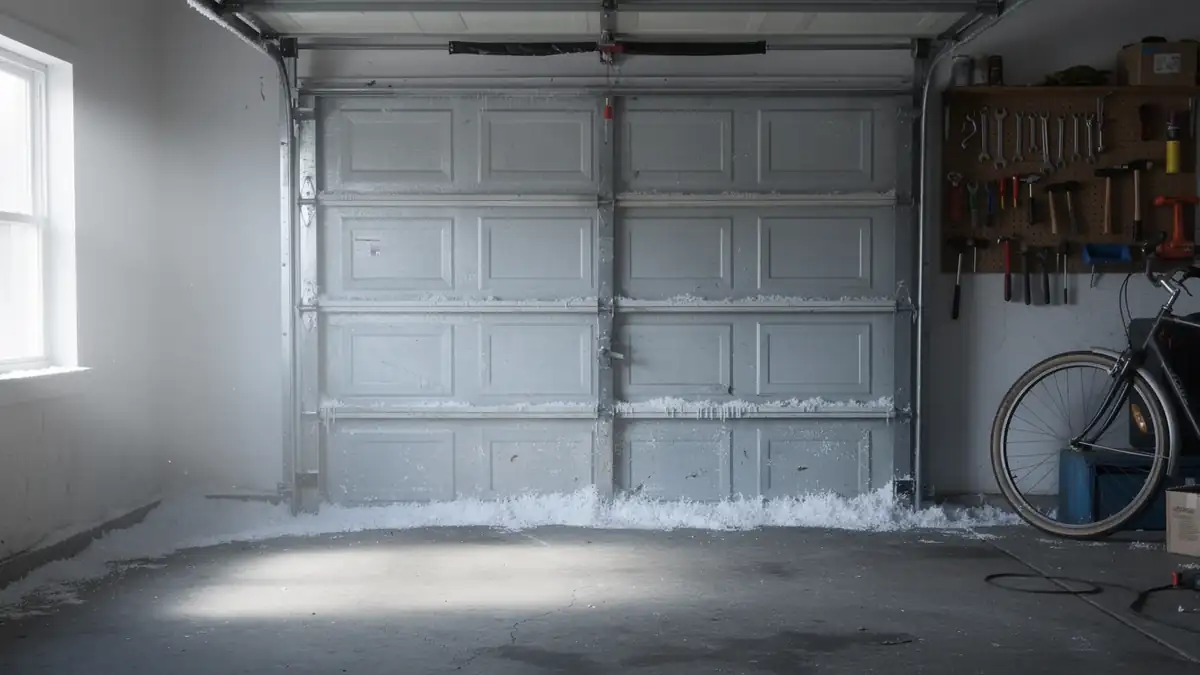
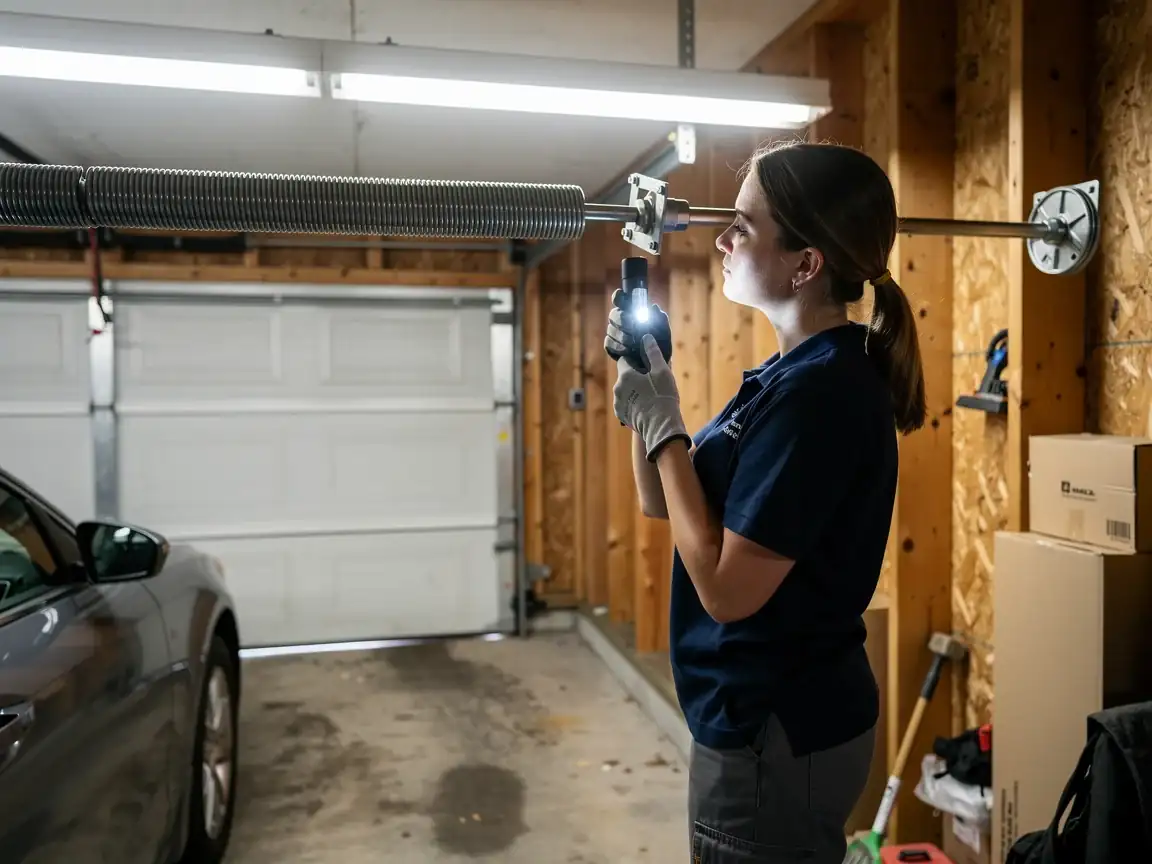
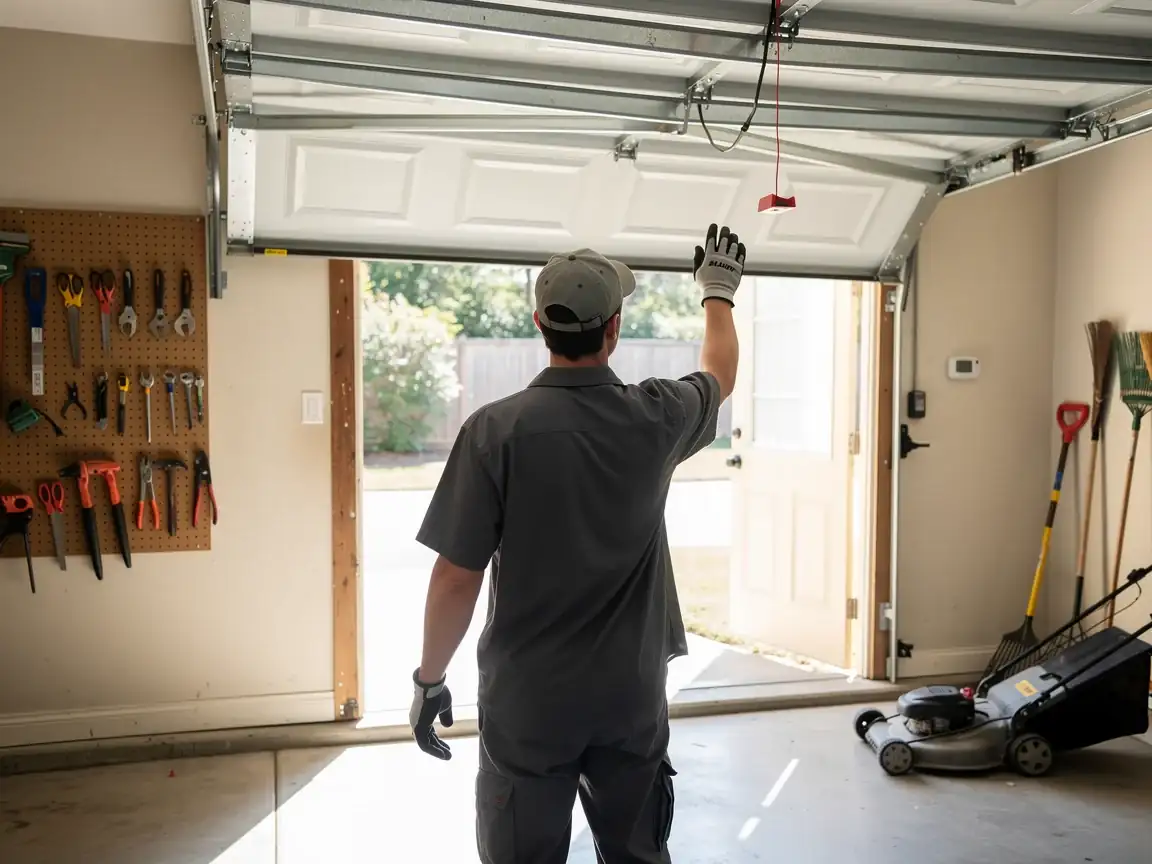
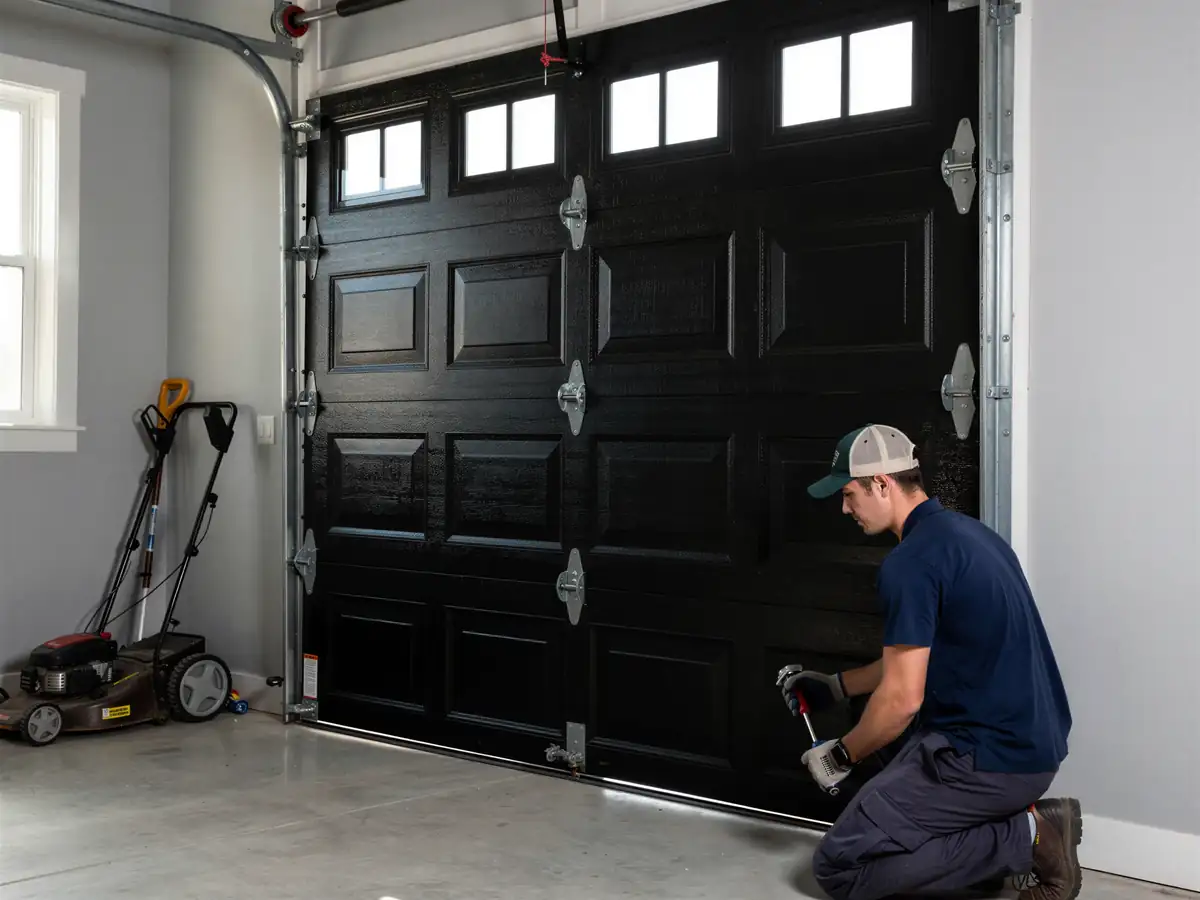
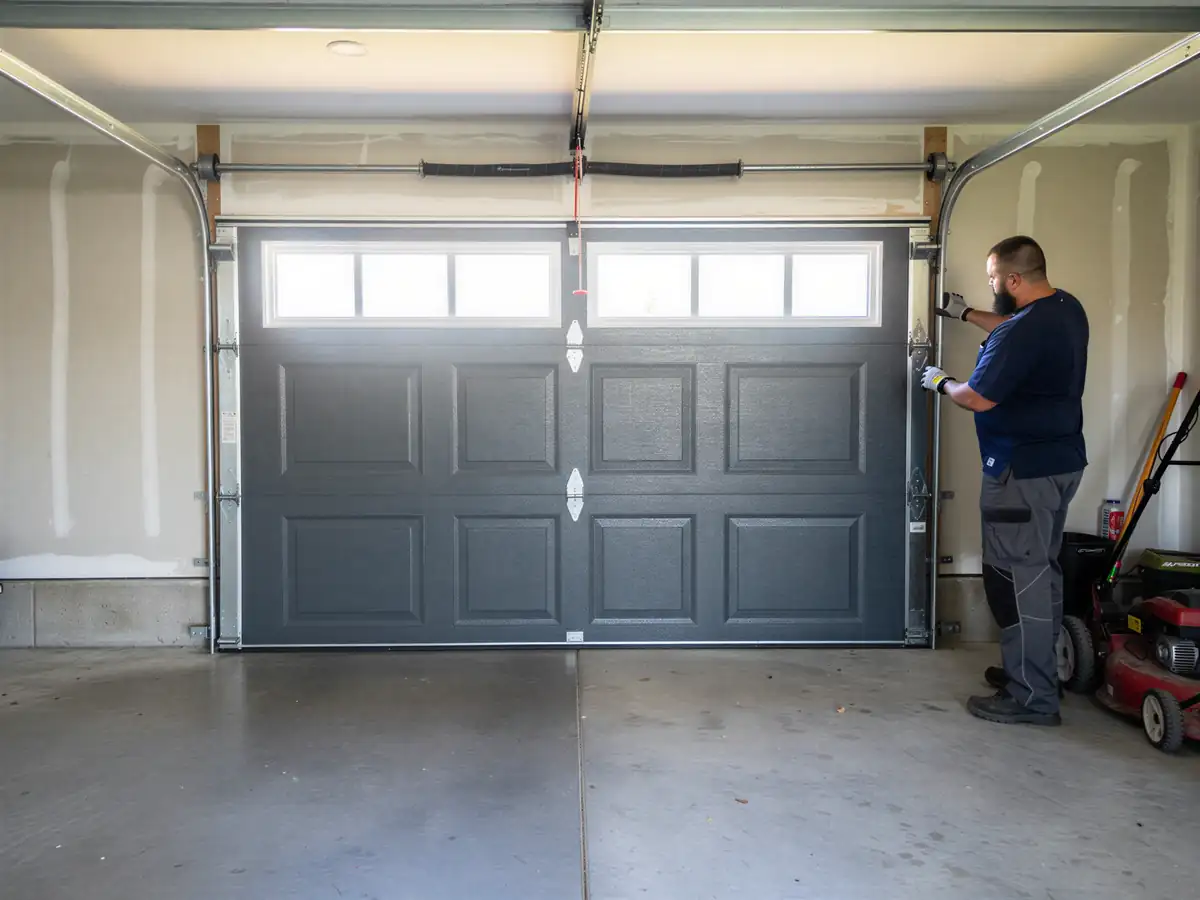
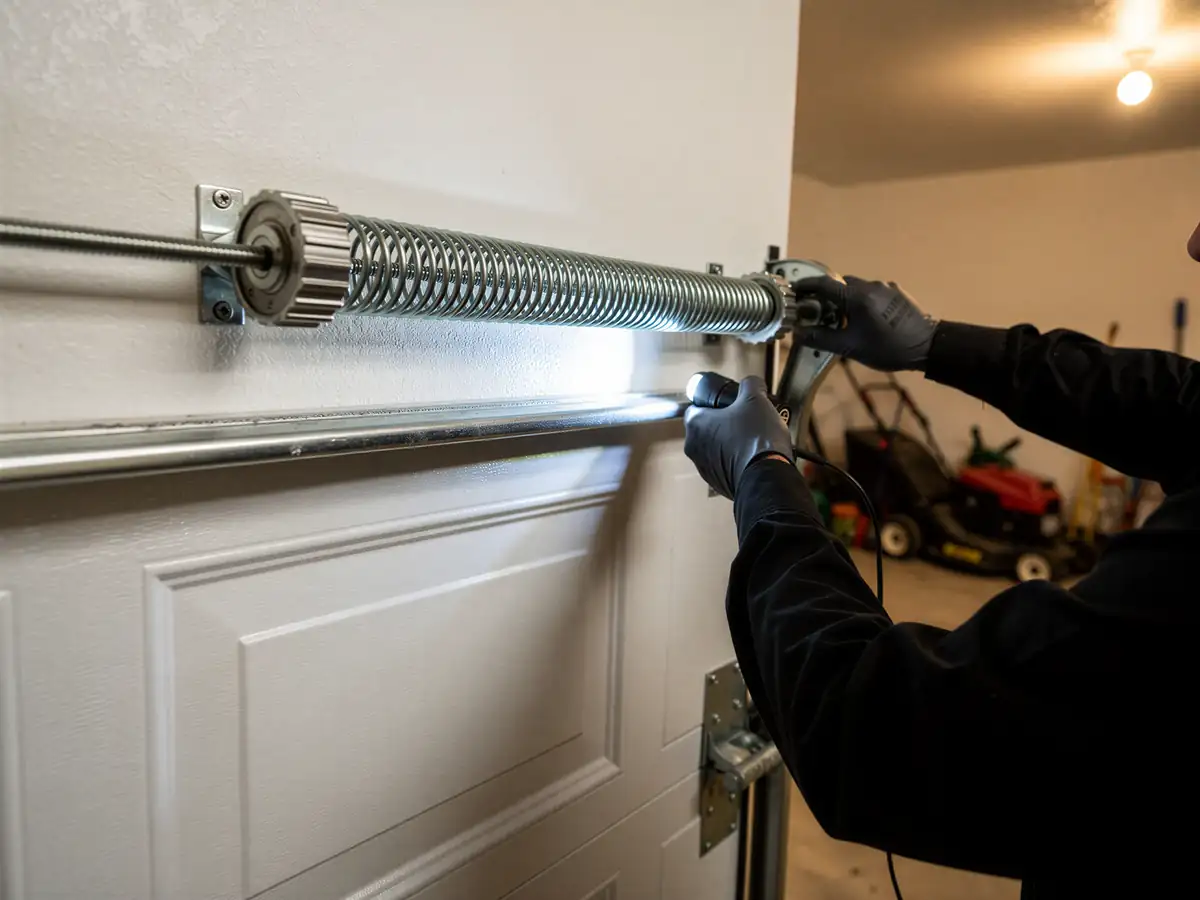
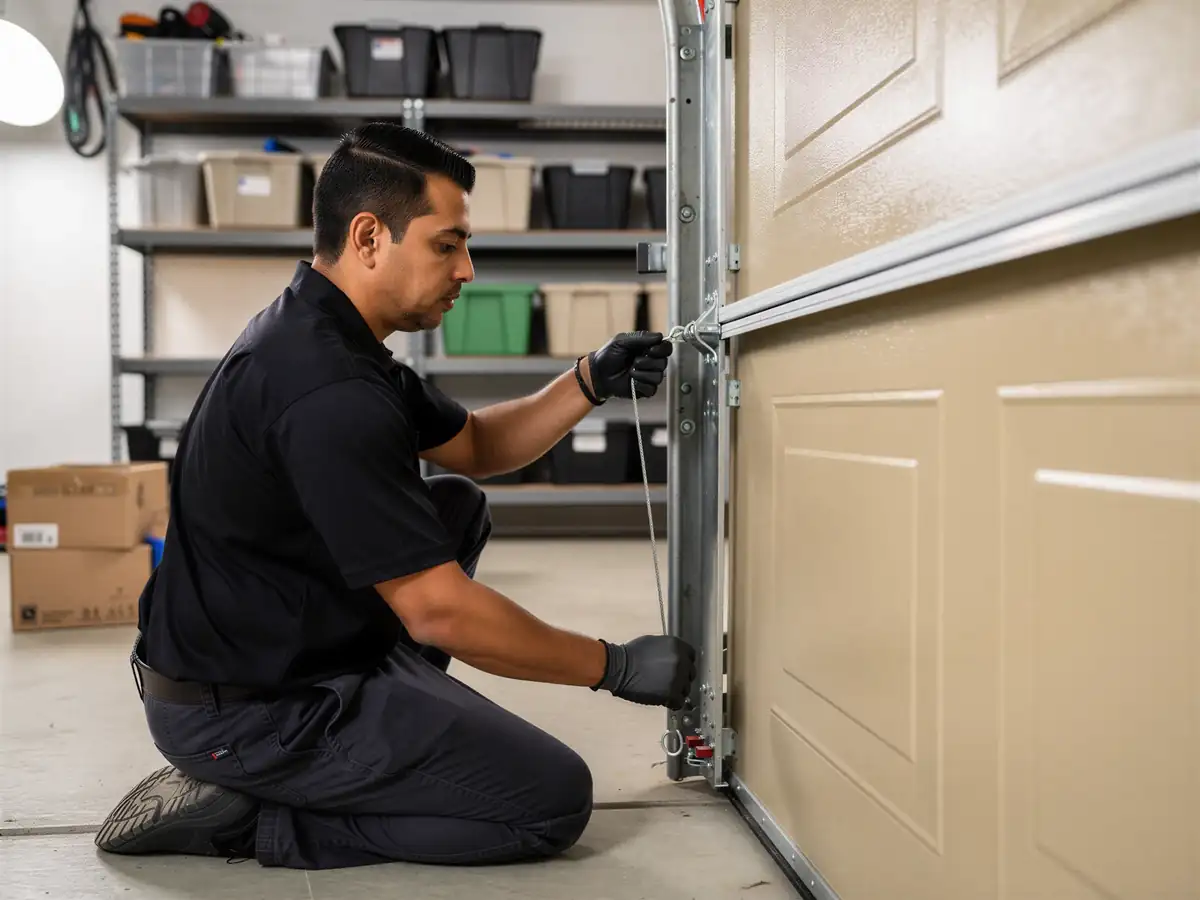
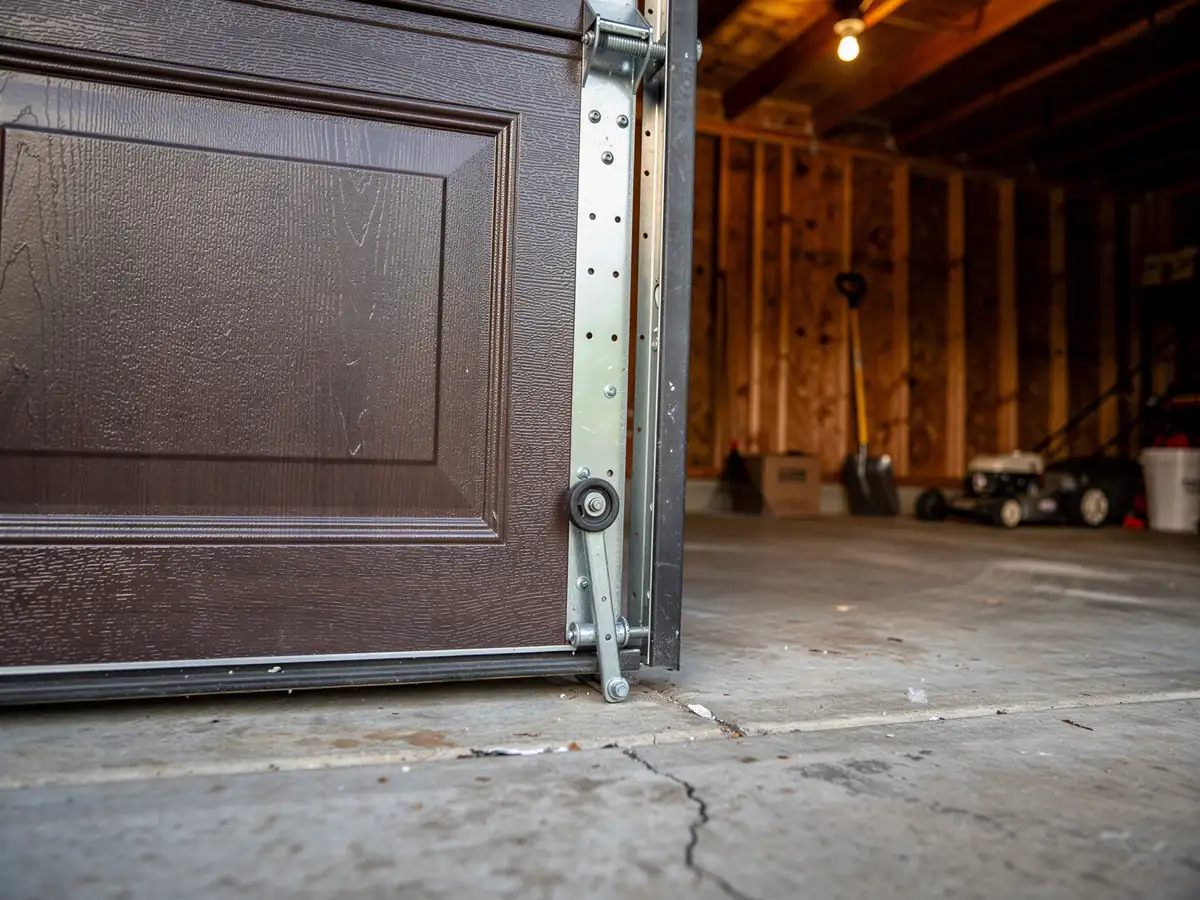
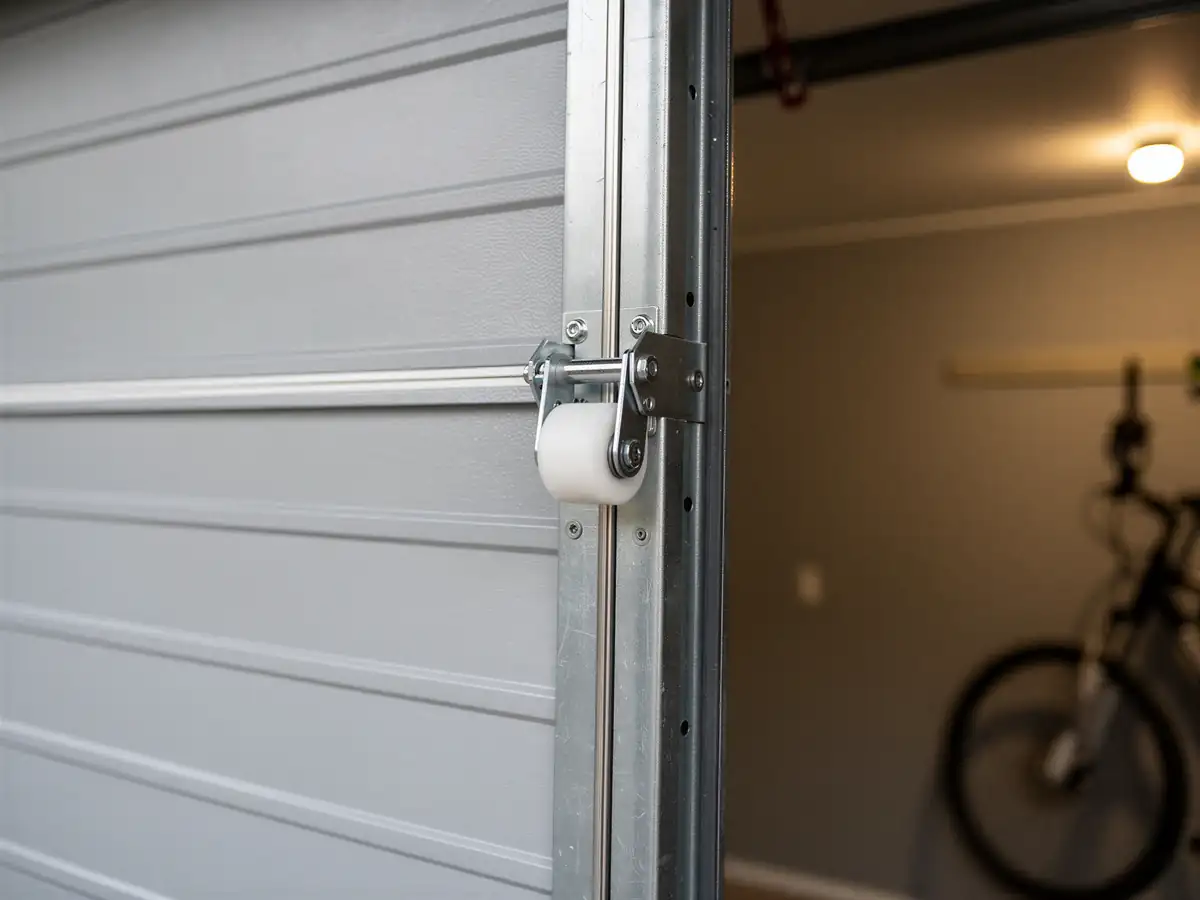
If your door is original to a house built in the 1950s or 60s on this side of Lake Forest, the panel itself is likely uninsulated steel or wood over a bare frame, and the gap at the bottom is probably wider than it used to be because the track has shifted over decades. Call when you feel a draft at floor level that wasn't there last winter, when the door sags visibly at one corner, or when the opener strains and reverses on cold mornings. A door that groans going up in January but runs fine in July is telling you the hardware and the insulation are mismatched for the season. Don't wait until a spring snaps on a subzero morning with the car trapped inside - that's the call that costs more and takes longer because parts for older non-insulated panel systems aren't sitting on the truck. If the door is newer, built after a remodel or replacement in the 1990s or 2000s, the signs are different: a worn weatherstrip, a noisy roller, a sensor that's drifted out of alignment. Either way, the fix depends on knowing which era your door belongs to, not just what model it is.
The Situation
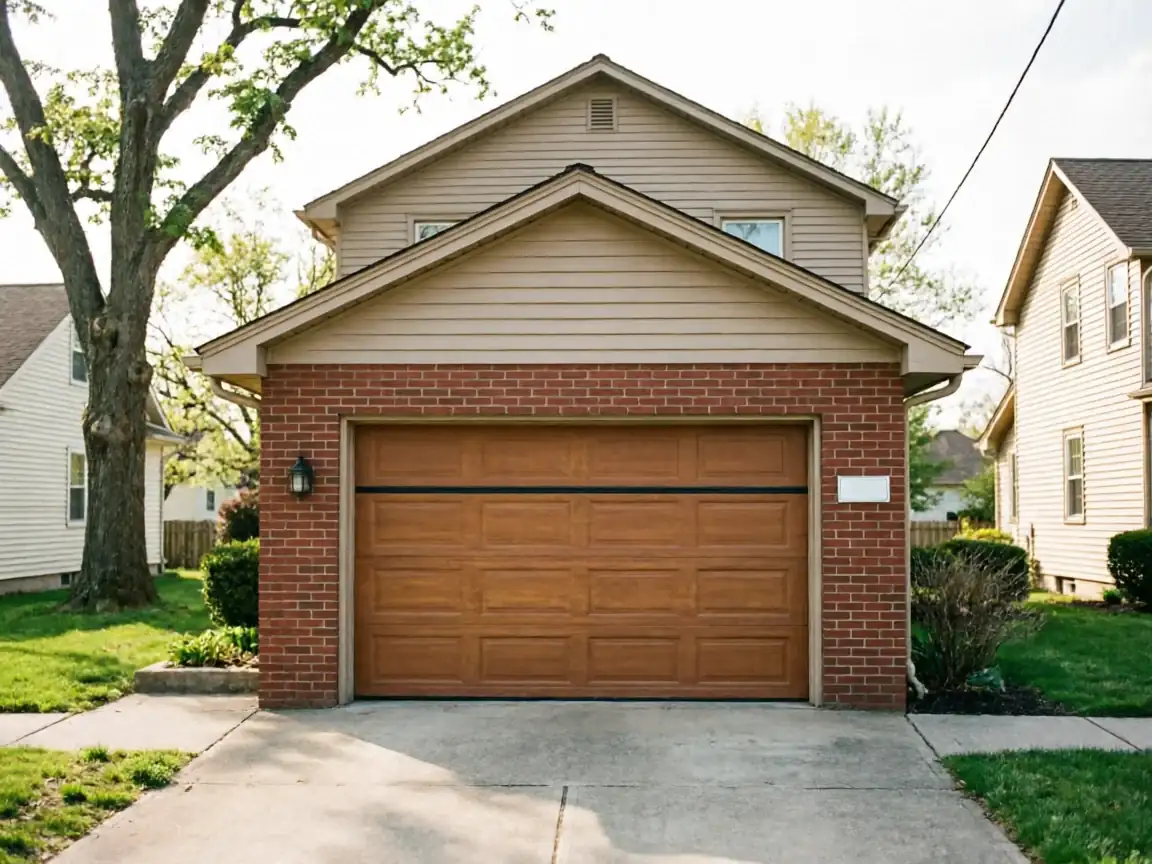
Housing in this service area was built between 1938 and 2009, with the median year sitting at 1983, and most of the 53 named areas we cover carry stock concentrated in the 1980s and 90s. That spread matters more than people think. A house from 1983 was built to a code that didn't require insulated garage doors or sealed bottom thresholds - insulation rules for garage envelopes came later and weren't retrofitted when the original door was installed. So a lot of doors on Lake Forest streets are original or close to it: single-layer steel, wood composite, or early sandwich-panel doors with insulation that has settled or crumbled inside the skin. Meanwhile this region sits in a cold-moderate climate band, which means real freeze-thaw cycles every winter, not a single hard freeze and done. That combination - older non-insulated panels plus a repeating freeze-thaw pattern - is what actually drives the service calls here, more than any one storm or cold snap.
What Most People Get Wrong
The common mistake is treating an insulation problem as a weatherstrip problem. Swapping the bottom seal on a door built before insulation rules existed buys you a season, maybe two, because the real gap is in the panel core, not the threshold. Another mistake: assuming a door that worked fine for thirty winters will keep working the same way forever. Steel and the glue bonding old insulation layers both degrade faster under repeated freeze-thaw cycling than they do in a climate with one steady temperature most of the year - cold-moderate means expansion and contraction happen over and over, not once. People also assume replacing the opener fixes a door that's struggling in winter, when the opener is often just the first thing to show strain from a track or spring sized for a lighter, uninsulated panel decades ago. We'll say it plainly: a repair makes sense on a door with good bones and bad hardware. On a door from the 1940s or 50s that's never been touched, replacement usually costs less over five years than patching it twice a winter.
What Local Conditions Do
In a cold-moderate climate, the freeze-thaw cycle works on a garage door the same way it works on a sidewalk: repeated expansion and contraction opens gaps that weren't there in October. On an older, uninsulated door that's already lost some of its structural tightness, that cycling speeds up sagging at the corners and loosens hardware that was torqued for a door half the weight of today's insulated replacements. Houses built before insulation rules existed also tend to have garages that weren't designed as a thermal buffer for the house at all - they're just a box with a door on it, which means temperature swings inside the garage are closer to outdoor swings than homeowners expect. That's hard on springs calibrated years ago for a different weight and different temperature range. We don't carry parts for every discontinued panel system from the 1940s and 50s on the truck - lead time on some older hardware runs longer than people want to hear, and that's worth knowing before you commit to a repair over a replacement.
Is my garage door original to the house if it was built in the 1980s?
Possibly. Median housing age across the service area is 1983, and a lot of that stock never had the garage door replaced. If it's never been swapped, it predates current insulation requirements and is likely a single-layer steel or wood panel without a real insulated core.
Why does my door act up more in winter than summer?
The climate here runs cold-moderate with repeated freeze-thaw cycling, not one long cold stretch. That back-and-forth expansion and contraction loosens hardware and widens gaps on older, uninsulated panels faster than a steady climate would, which is why problems tend to show up or worsen specifically in winter.
Should I repair or replace an old door?
If the panel and track are sound and it's just hardware (springs, rollers, opener), repair makes sense. If the door predates insulation rules and you're patching the same draft or sag repeatedly, replacement usually costs less over a few winters than ongoing repairs on parts that are getting harder to source.
Do you stock parts for very old doors?
Not always. Hardware for some discontinued panel systems from the 1940s through 60s can have a longer lead time than newer parts. We'll tell you upfront if that's the case rather than promise a same-day fix we can't deliver.
Ready to get your garage door sorted?
Tell us what it’s doing and where you are in Lake Forest - we’ll take it from there.