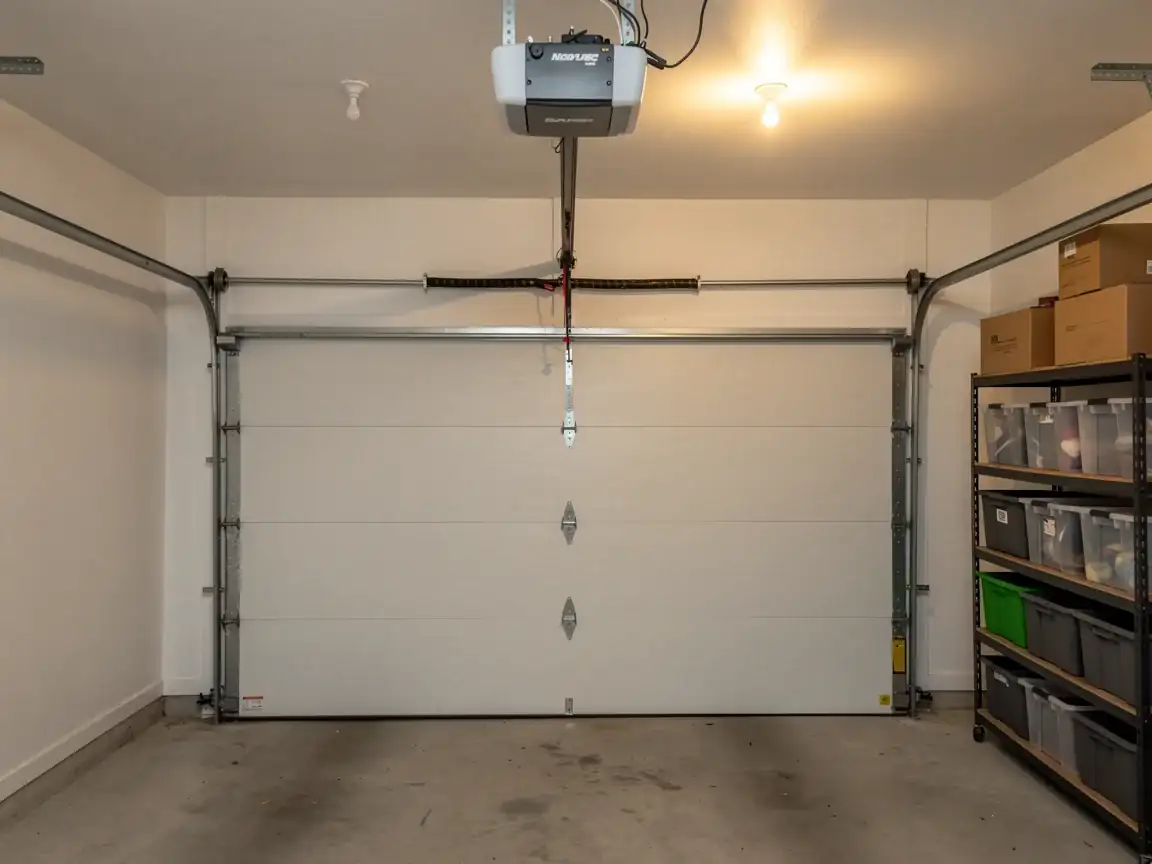
Garage door repair for Green Oaks, built mostly after 1990, serviced by Lake Forest Garage Door Pros from 5 miles away. Springs, openers, and track work.
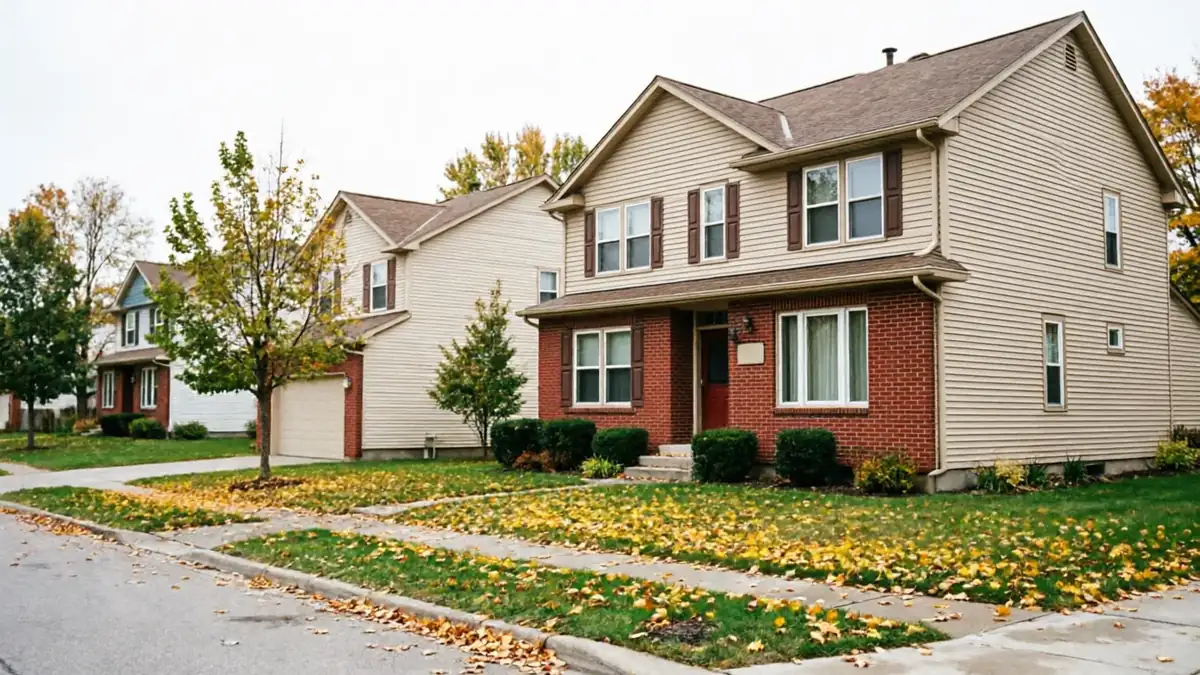
Green Oaks sits about 5 miles from our shop in Lake Forest, and the housing stock here skews newer than a lot of what we see closer to the lake. The median build year in Green Oaks is 1990, which puts most garages here a full generation past the older torsion setups we deal with elsewhere in the service area. That matters for parts. A 1990-built door is more likely to have a factory steel section, a standard 7-foot track, and an opener bracket sized for a chain-drive unit rather than the older screw-drive or belt retrofits you see on pre-1980s homes. With only about 1,581 households in Green Oaks, it's a smaller pocket than some of the named areas we cover, but the age of the stock is consistent enough that we can usually guess the hardware generation before we even pull into the driveway. That doesn't mean every house is identical - additions, remodels, and opener swaps over three decades change things - but the baseline is 1990s construction, not 1950s.
The Calls We Get From Here
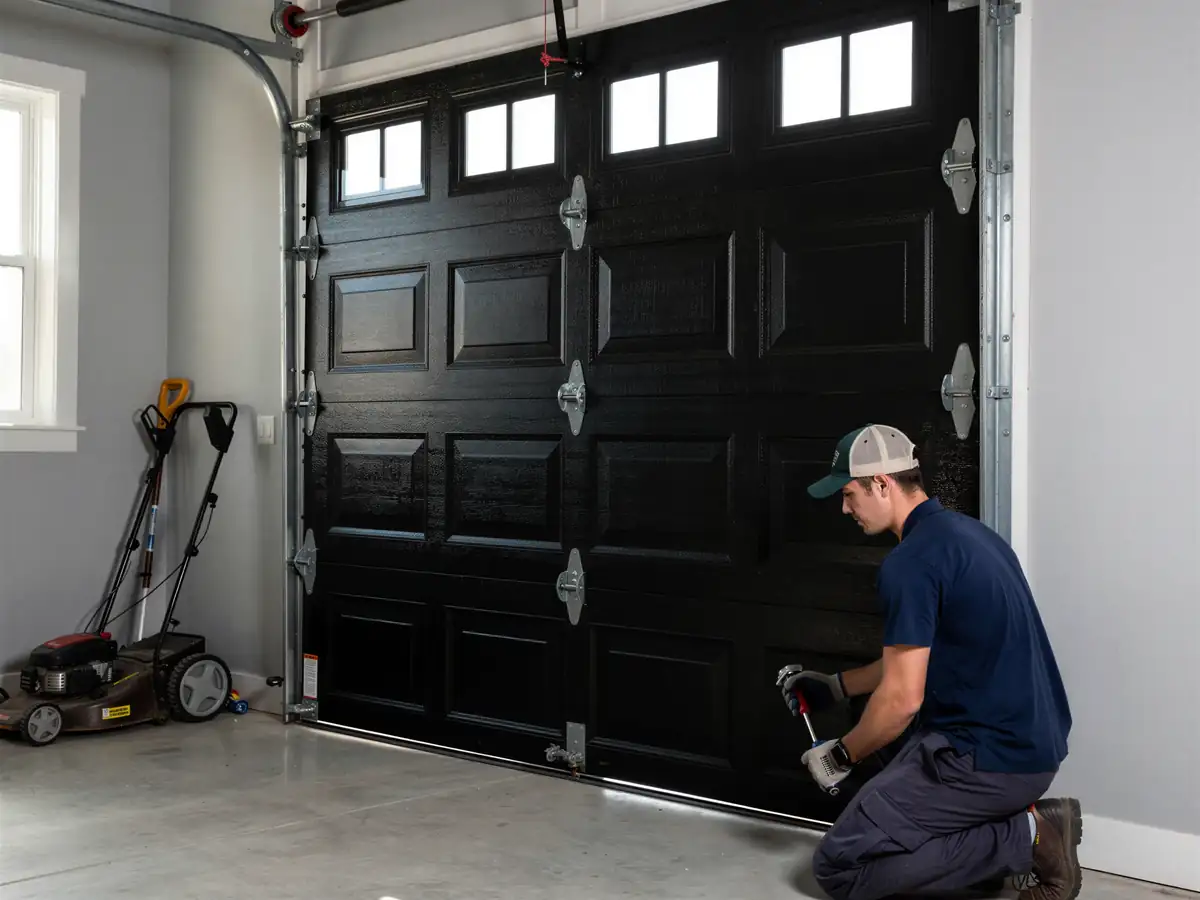
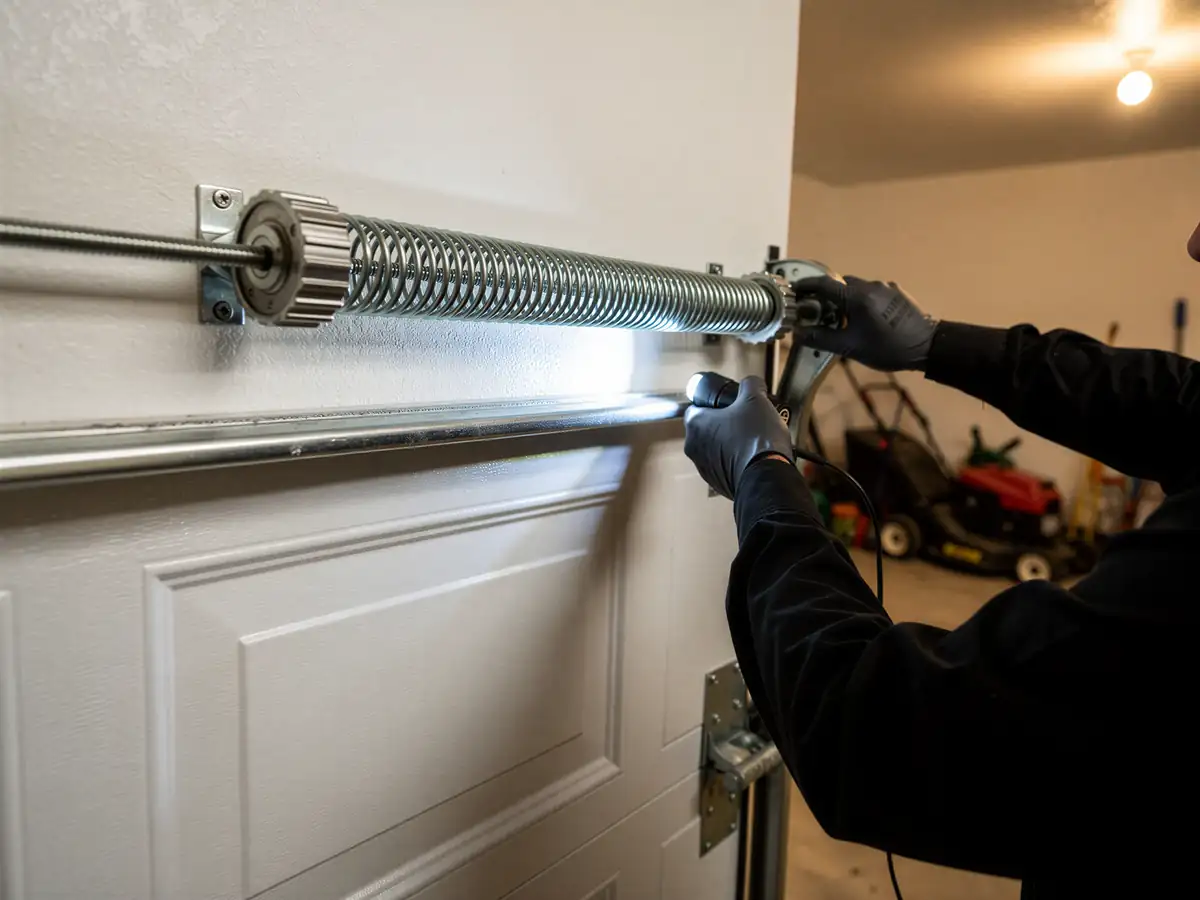
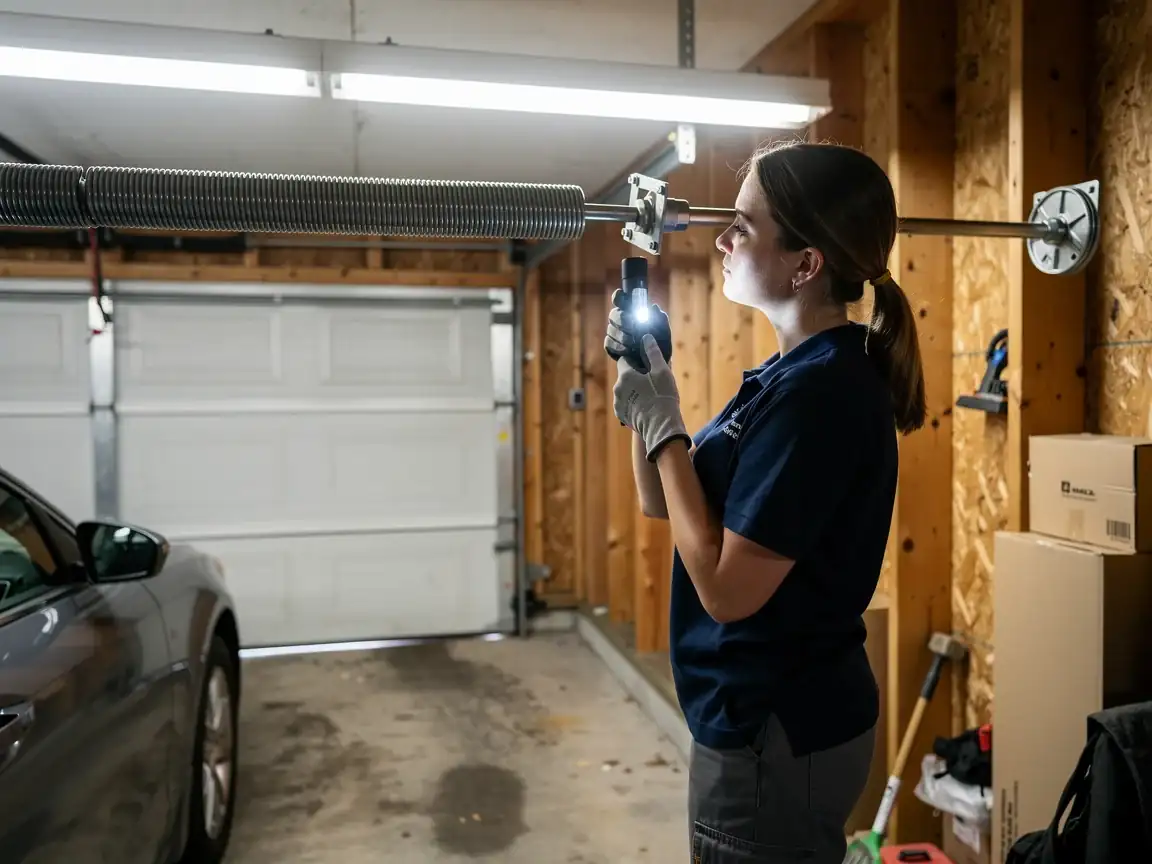
Doors built around 1990 are old enough now that the original springs have usually been through two or three full cycles of wear, and that's the call we get most from Green Oaks: a torsion spring that's lost tension or snapped outright, often in the dead of winter when the cold stiffens the metal and adds strain on the first cold-morning cycle. The COLD moderate climate band this area sits in means freeze-thaw cycling is a real factor - lubricant thickens, rollers bind, and a spring that's been marginal for a year finally lets go. We also get calls about openers from that era reaching the end of their working life, since a chain-drive unit installed when the house was built is now three decades old. Less common, but still real: panel damage from a backed-into door, which shows up regardless of the home's age.
How That Shows Up in the Door
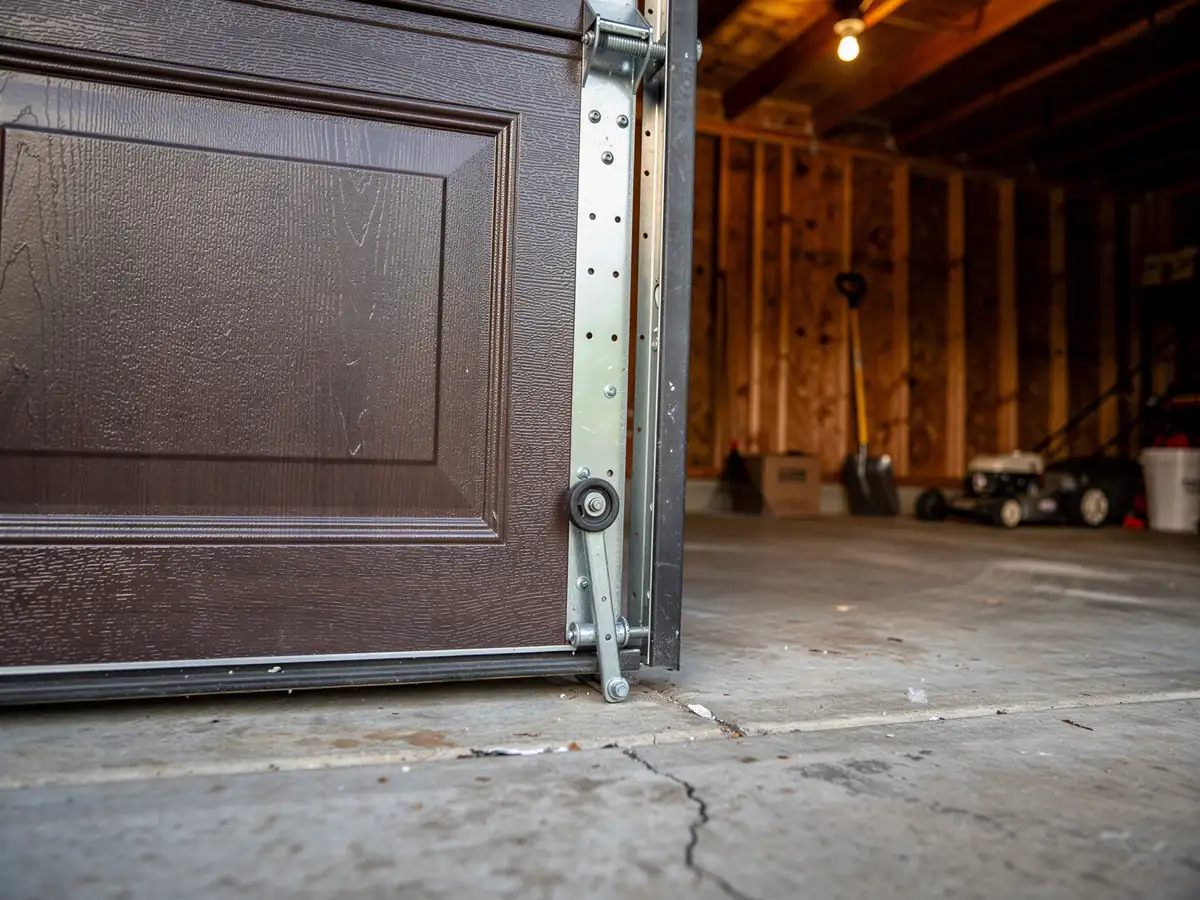
Because Green Oaks homes are mostly 1990s builds, the fix is rarely a mystery part search - unlike the older housing stock found in some of the service area where original hardware from the 1940s through 1960s can mean a special-order wait. A 1990-era torsion spring is a standard size we can usually match off the truck. Where it gets slower is when a homeowner has had a non-matching replacement part installed somewhere along the way - say, an opener from a different era than the door, or a track bent and reset instead of replaced. In a household income range like Green Oaks' median of $133,472, we also see more owners opt for full opener replacement rather than nursing along a unit that's showing its age, since the cost difference against a service call adds up fast.
The Usual Work Here
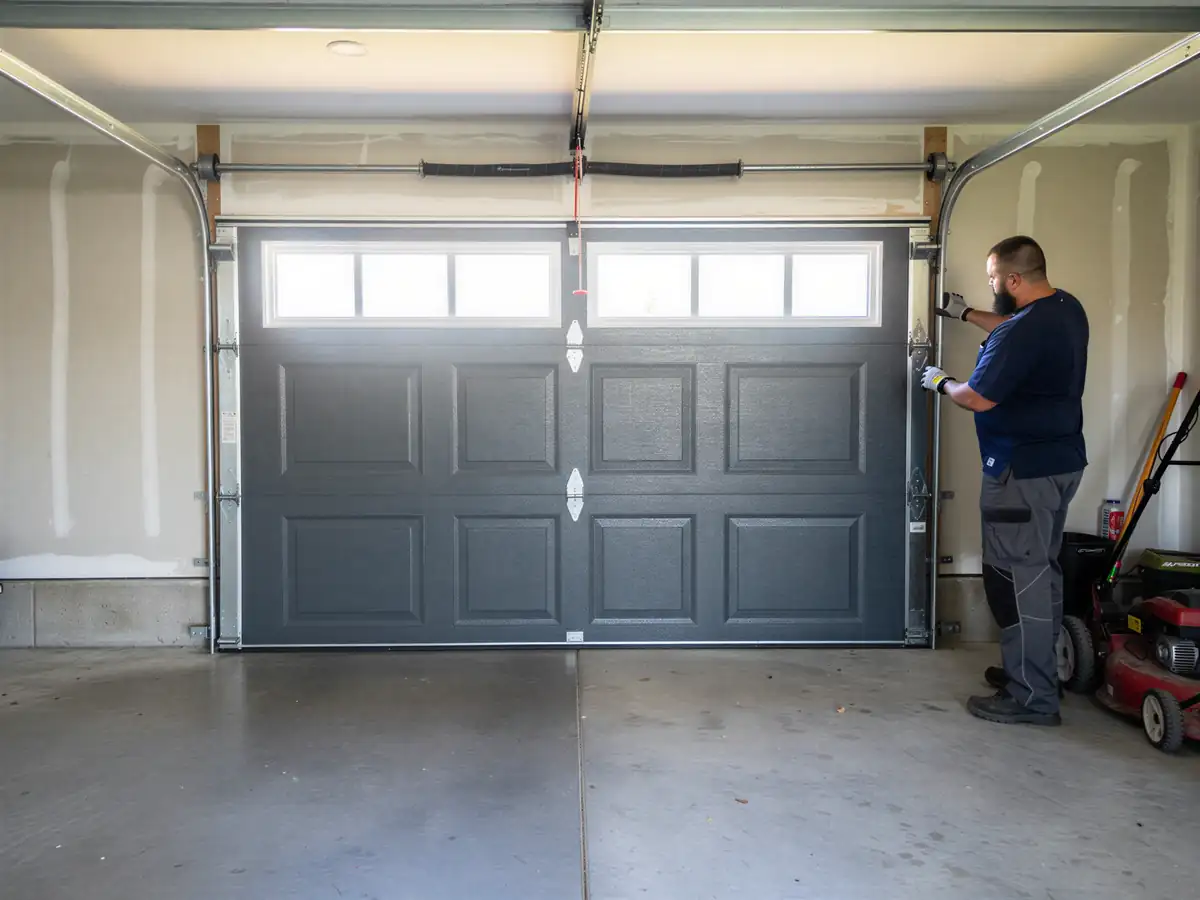
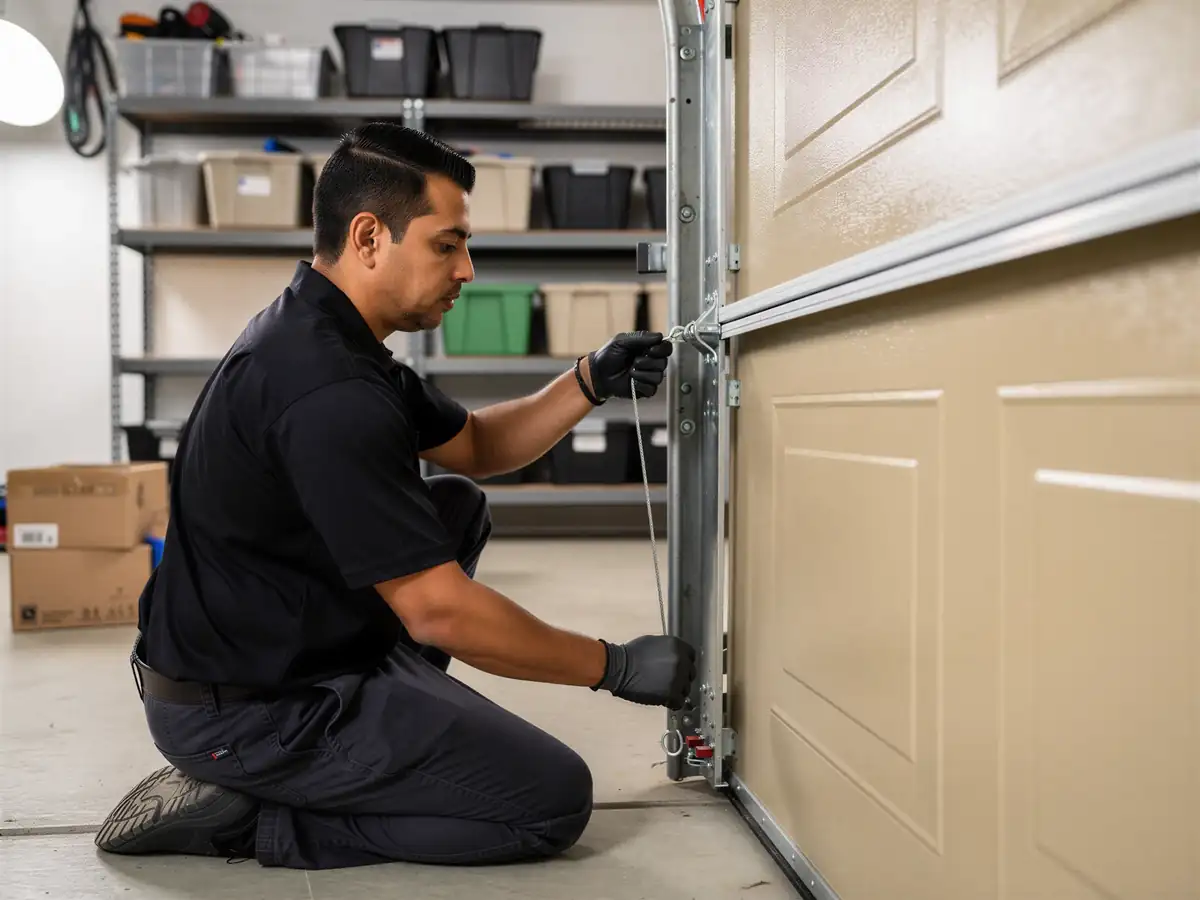
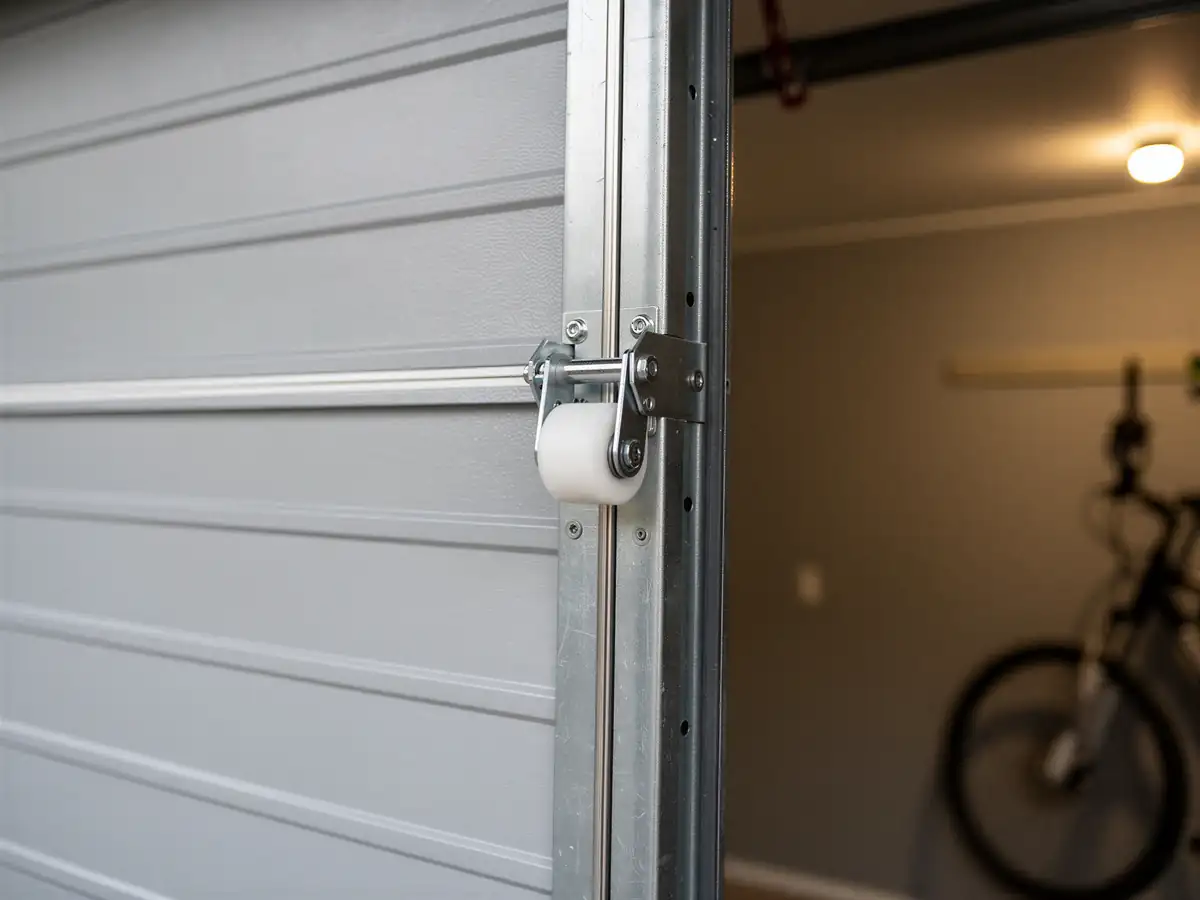
Most of what we do in Green Oaks is spring replacement, opener swaps, and roller or cable service on doors in the 1990-and-newer range. We don't stock every obscure part for every manufacturer, and if a door has a proprietary track system or a discontinued opener board, that can mean a short wait on parts - we'll tell you straight if that's the case rather than guess. For a door in generally good shape with a failed spring or a dying opener, that's a same-visit fix most of the time. For a door that's been patched together with mismatched parts over the years, we'll walk you through whether it's worth repairing again or time to replace the whole unit. We travel out from Lake Forest for these calls, so we schedule the visit rather than keeping a truck stationed in Green Oaks itself.
How it works
From “it’s stuck” to “it’s fixed”
01
Tell us what’s wrong
Describe the symptom - won’t open, loud bang, opener runs but the door won’t move.
02
On-site diagnosis
A technician tests the door under power and by hand and finds what actually failed.
03
Clear, up-front plan
You get the fix that’s needed and what drives the cost - before any work starts.
04
Repaired & tested
The repair is done, the door is set true and tested, and the work area left clean.
Not sure which repair your door needs in Lake Forest, IL? Describe what it’s doing - every job starts with a diagnosis.
Why do garage doors in Green Oaks fail differently than in older parts of the service area?
Green Oaks homes have a median build year of 1990, newer than a lot of the surrounding area. That means standard-size torsion springs and common opener models instead of the harder-to-match hardware found on pre-1960s houses elsewhere in the coverage area.
Does Lake Forest Garage Door Pros have a location in Green Oaks?
No. We're based in Lake Forest, about 5 miles away, and travel out to Green Oaks for service calls. We don't keep a depot or stock truck stationed in Green Oaks itself.
What's the most common garage door repair in Green Oaks?
Torsion spring replacement, especially during cold stretches when stiff metal and thickened lubricant put extra strain on a spring that's already near the end of its life. Opener replacement on original 1990s-era units is the next most common call.
Can you always match the parts on an older Green Oaks door?
Usually, since most doors here date to 1990 and use fairly standard hardware. If a door has had mismatched replacement parts installed over the years, or a discontinued opener board, that can mean a short wait while we source the right part.
Ready to get your garage door sorted?
Tell us what it’s doing and where you are in Lake Forest - we’ll take it from there.