Why This Fails Locally
Lake Forest's housing stock runs from 1938 up through 2009
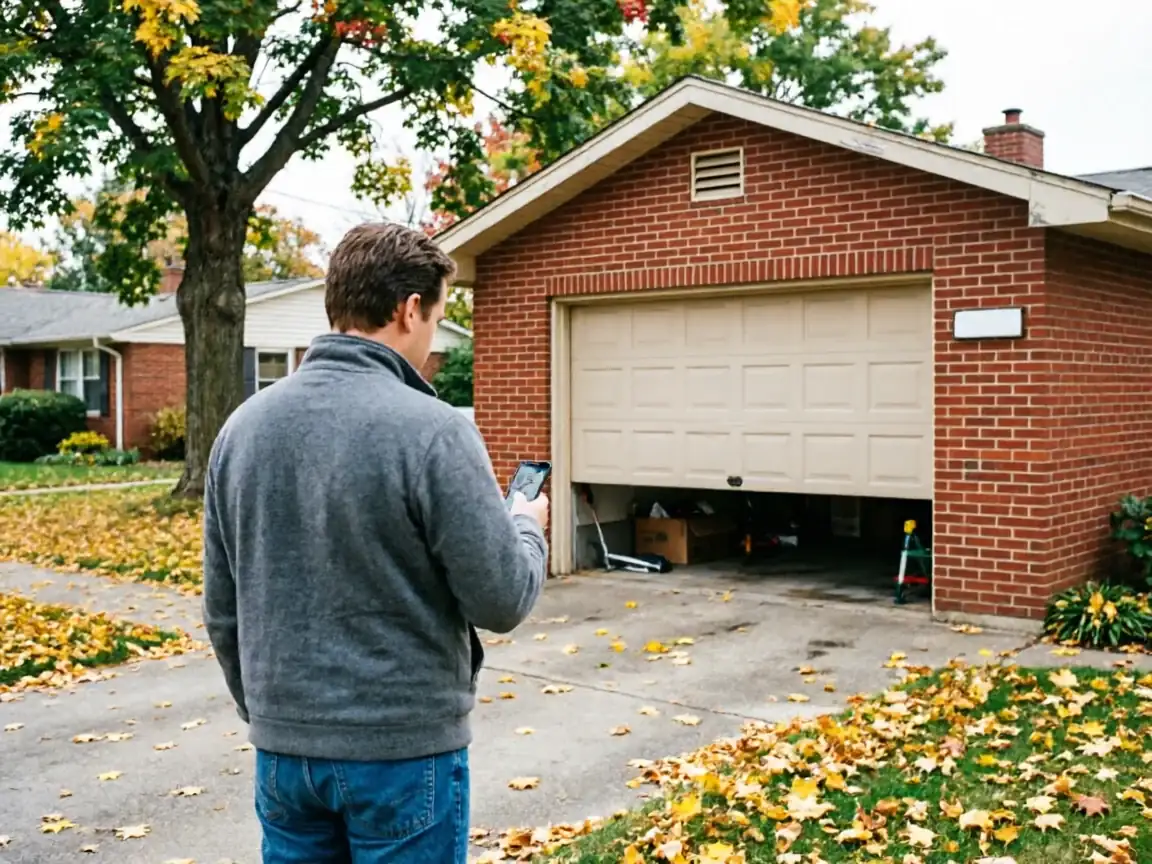
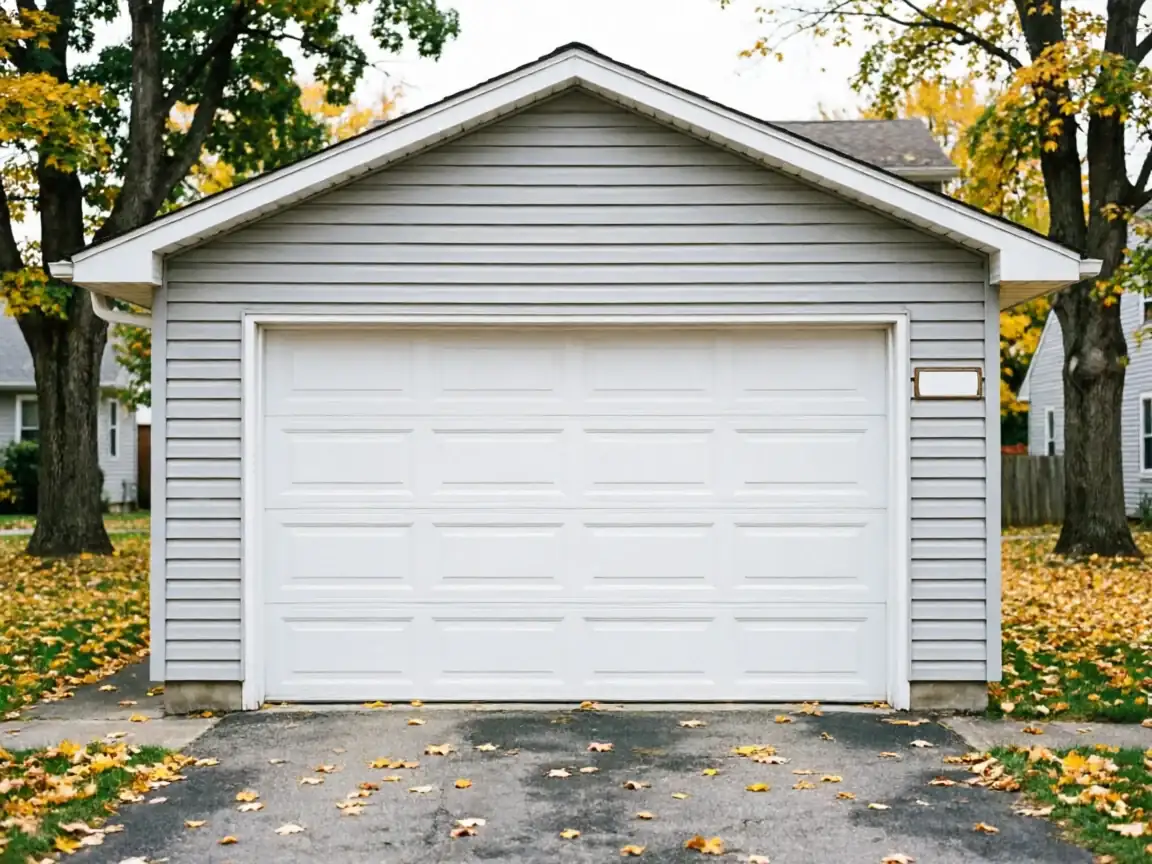
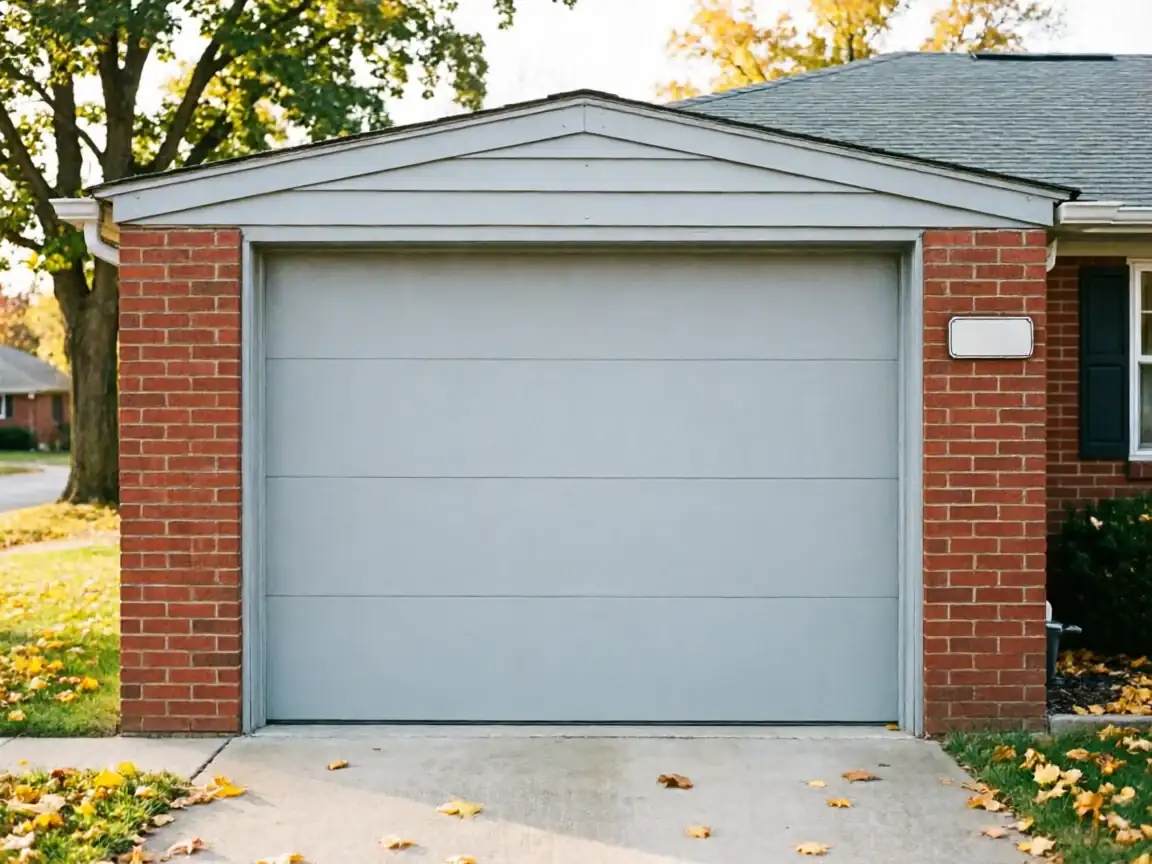
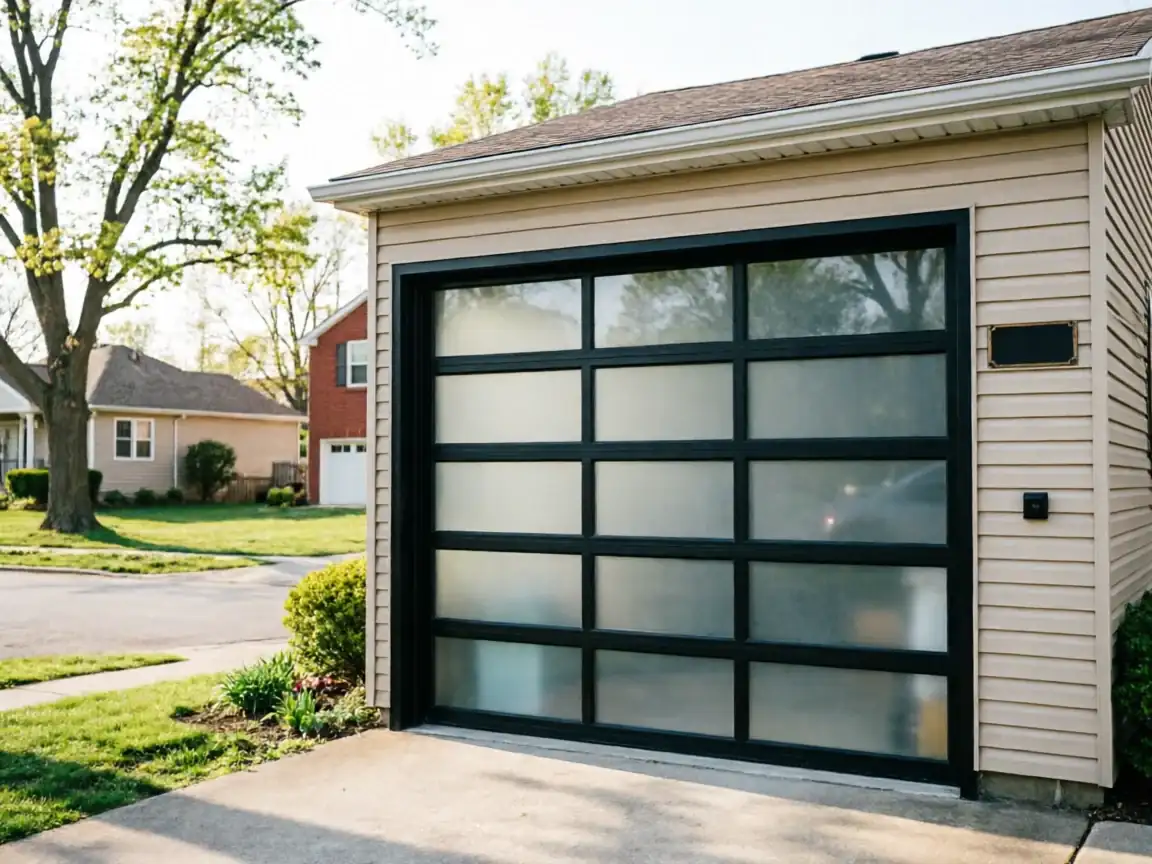
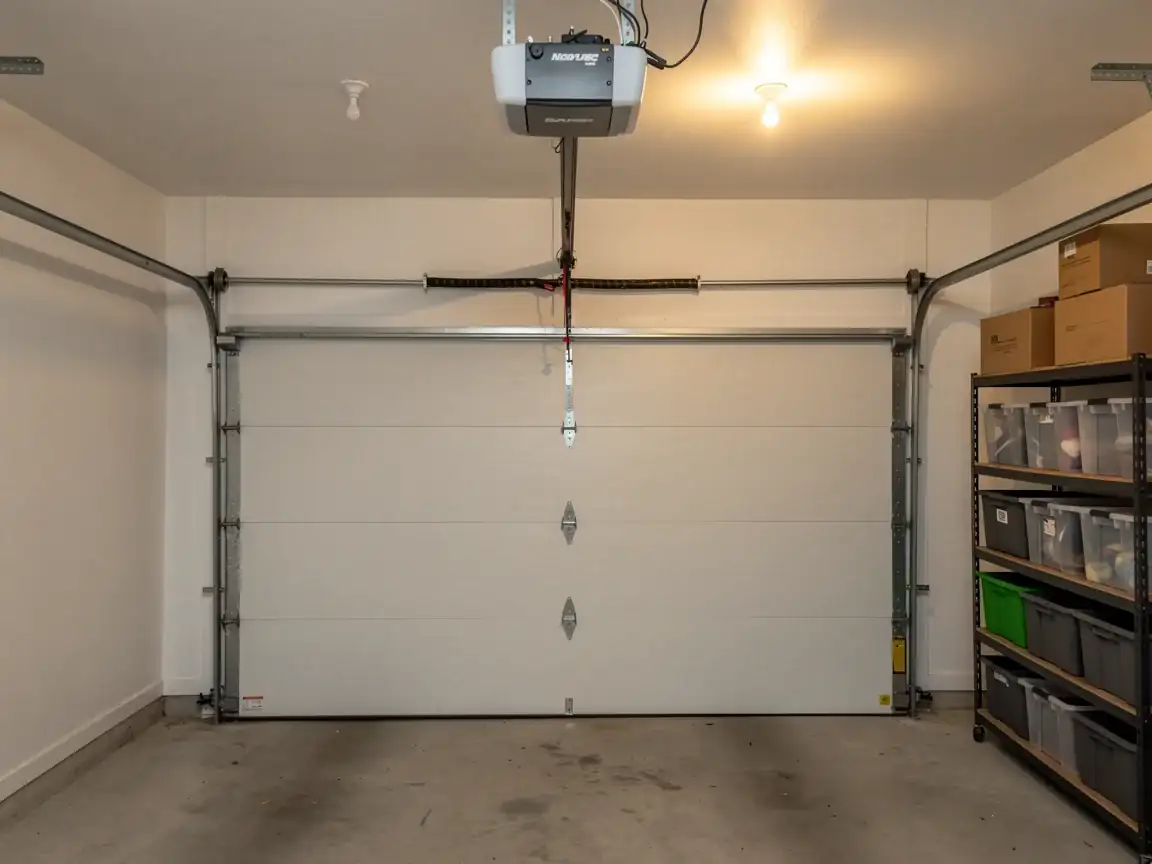
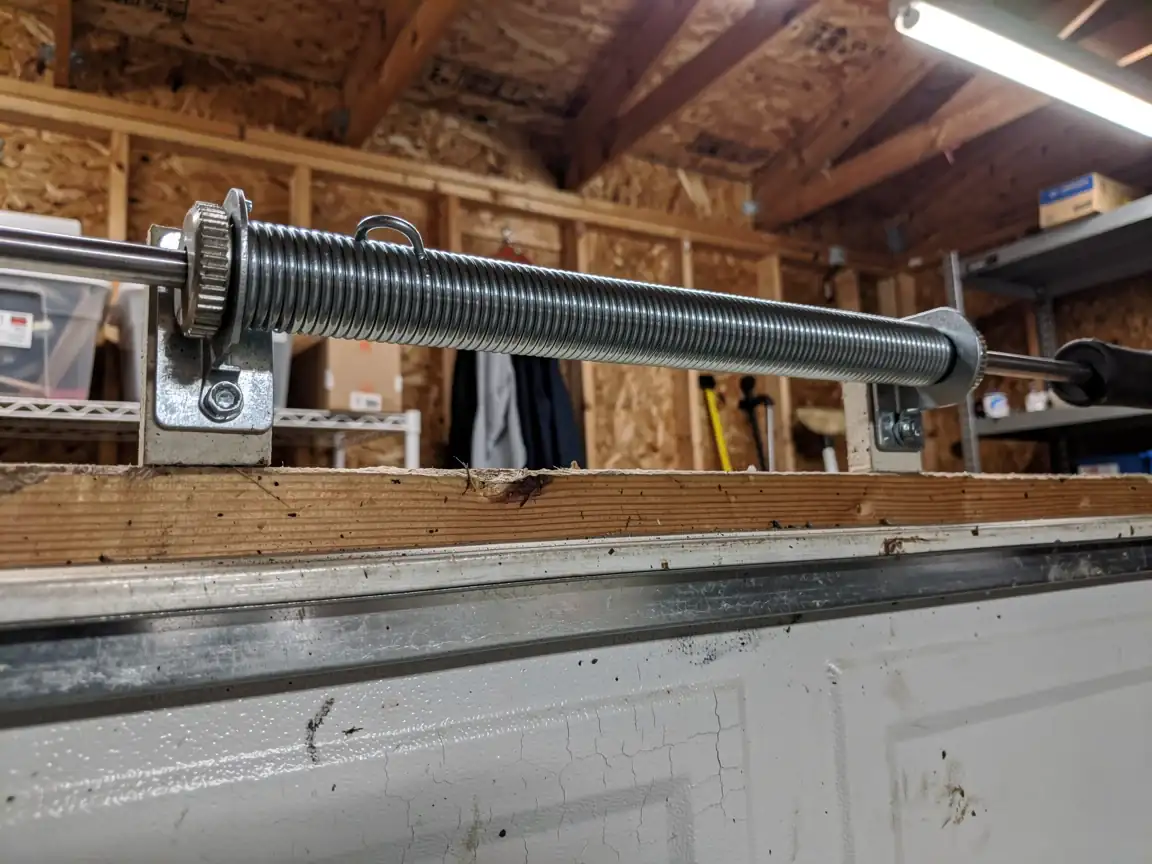
With the median build year sitting around 1983. That spread matters for cables because a door's lift cables are only as good as the drum, spring, and track geometry they're paired with, and a lot of that original hardware is still out there on houses built in the 80s and 90s. Across the wider service area, that same 1980s-90s stock dominates 53 named communities, which means thousands of doors running cables that were sized for a torsion system nobody services the same way twice.
Add the cold climate band this area sits in
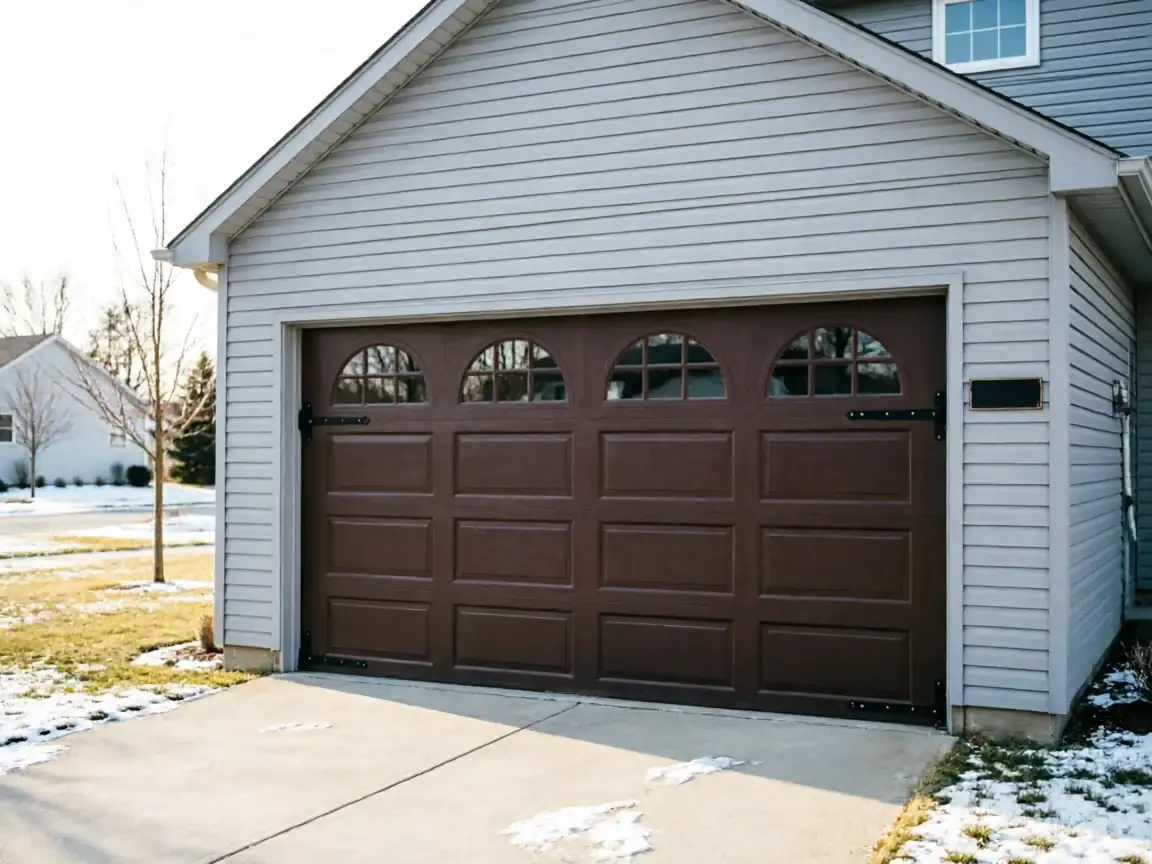
And you get a second problem: steel cable wire contracts in deep cold, and the drum and spring tension that held fine in July gets tighter and less forgiving in January. Add moisture from melting snow and salt tracked into an attached garage, and the galvanized coating on an older cable starts to go first at the point where it wraps the bottom bracket. That's not a flaw in the door. It's what happens to a 30- or 40-year-old cable system in a cold-weather market when nobody's looked at it since it was installed.
How It Shows Up
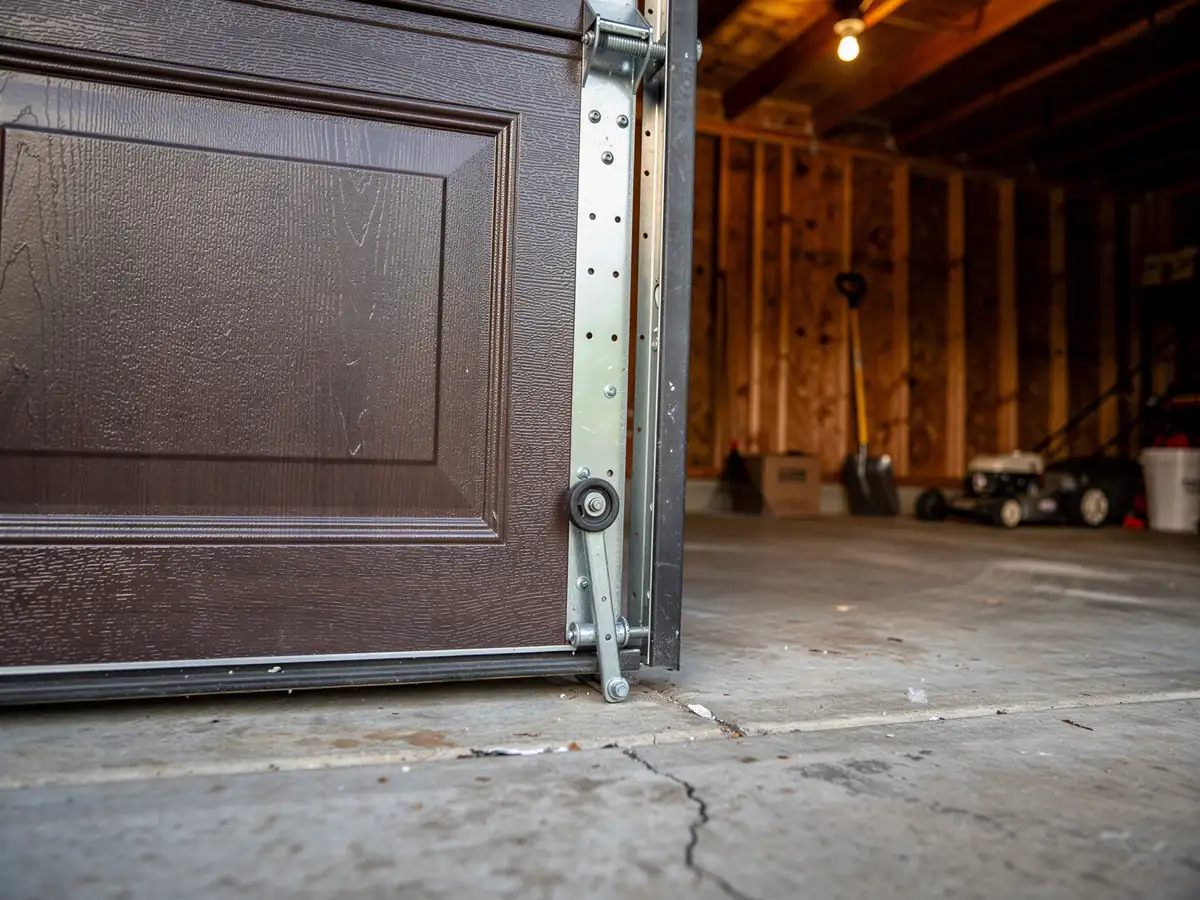
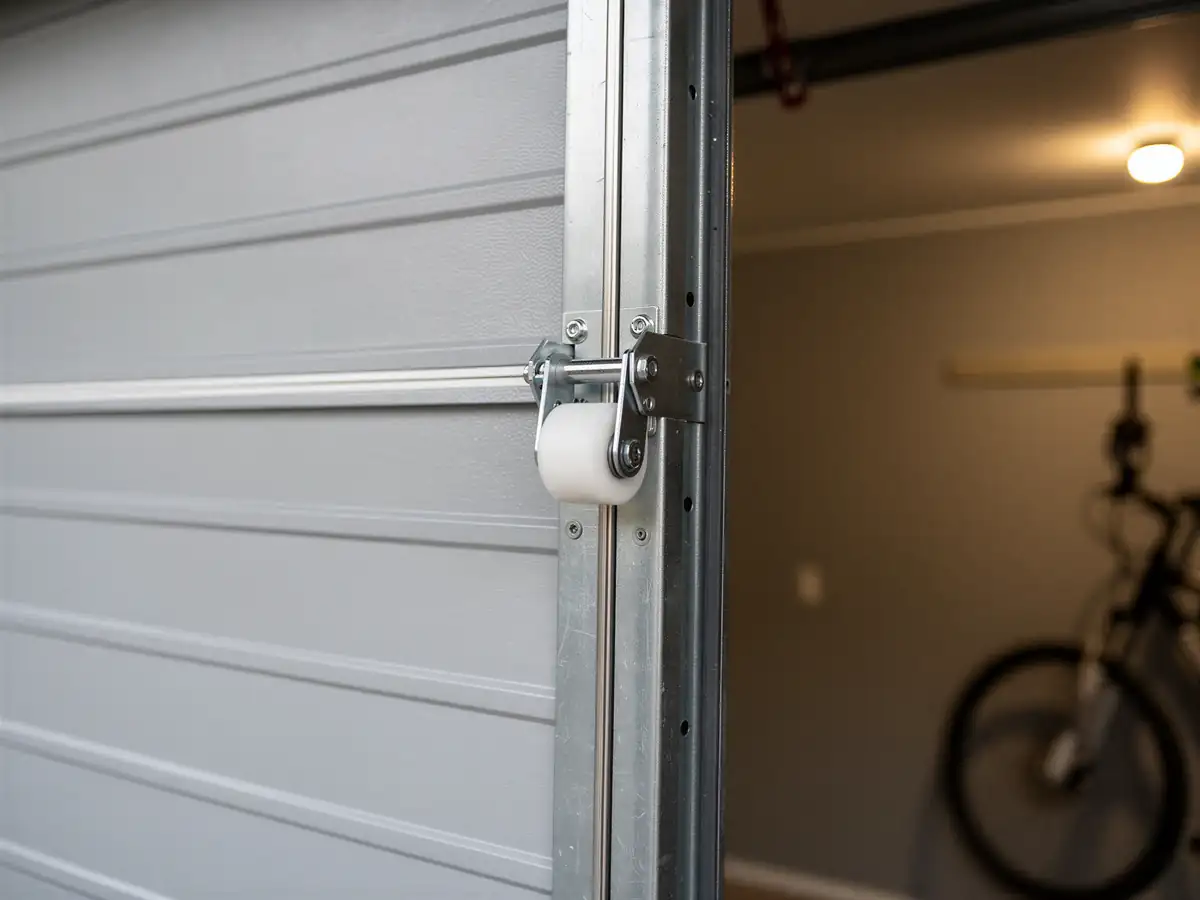
Most cable failures don't start as a snapped cable. They start as noise or a door that runs crooked. You'll notice one side of the door dropping faster than the other on the way down, or a visible kink where the cable wraps the drum. On older torsion setups common in the pre-2000 housing here, a fraying cable often shows as strands poking out near the bottom roller bracket, sometimes catching on the track guide.
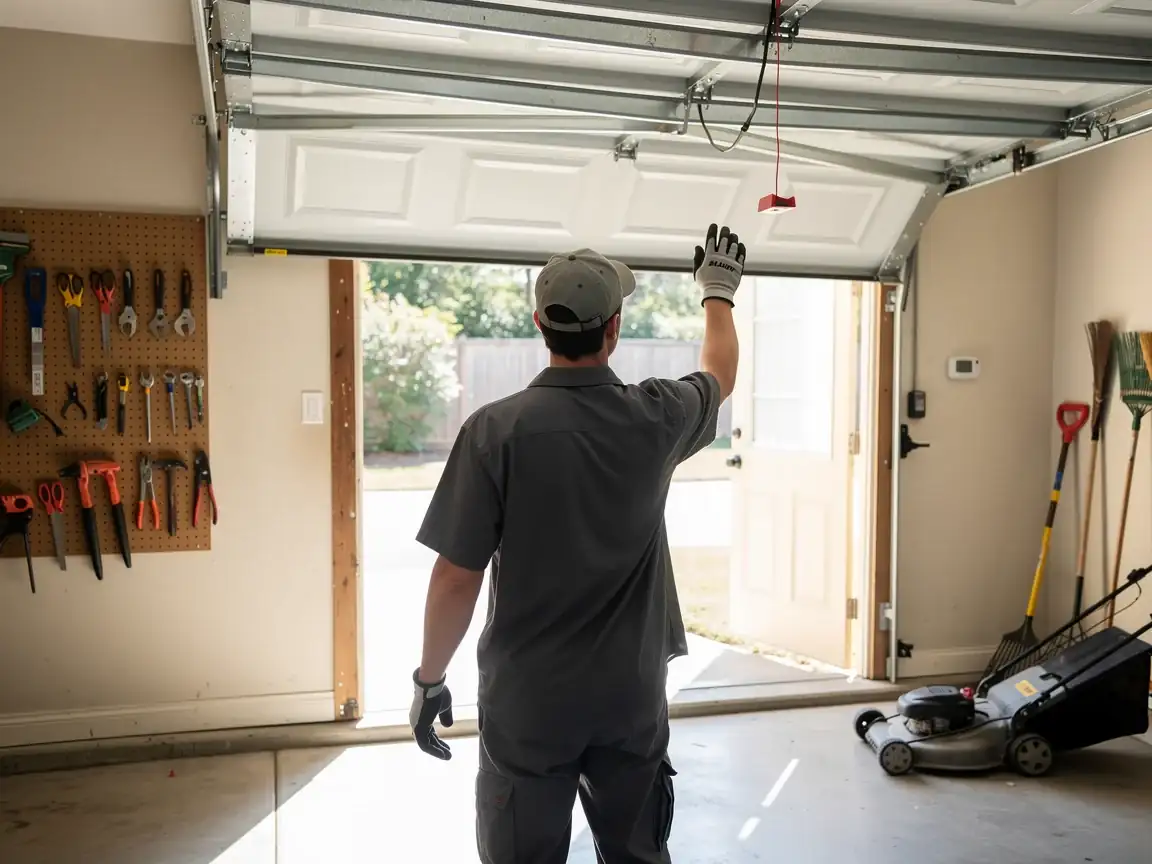
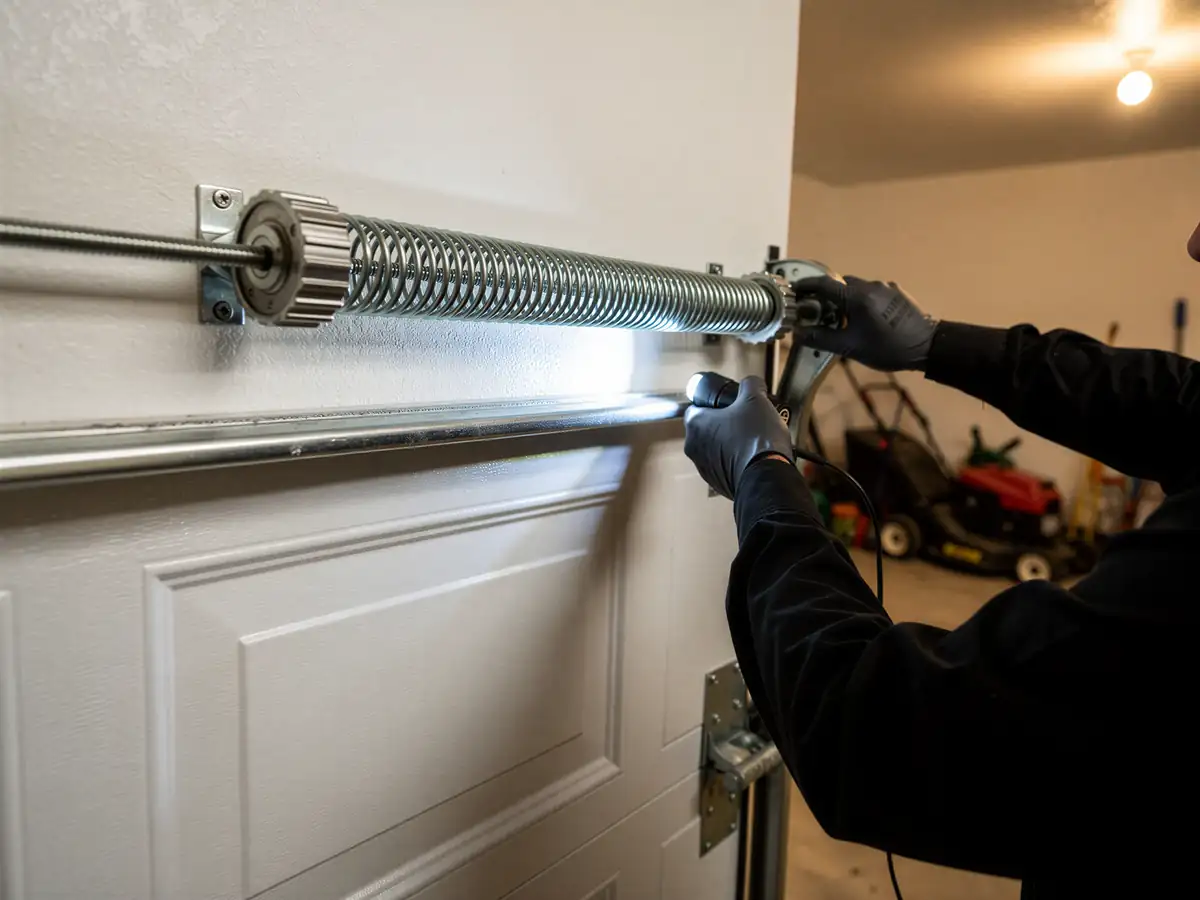
In cold weather the symptom changes. A cable that's slightly stretched or loose in warm months can bind tight enough in freezing temperatures that the door stutters partway through its travel, or the opener strains and reverses. If a cable actually lets go, the door usually drops hard on one side and jams at an angle in the track, and that's not a DIY fix with the door under spring tension. We also see cables come off the drum entirely on doors where the drum set screws backed out over years of thermal cycling, which is a maintenance issue more than a parts issue.
How We Fix It
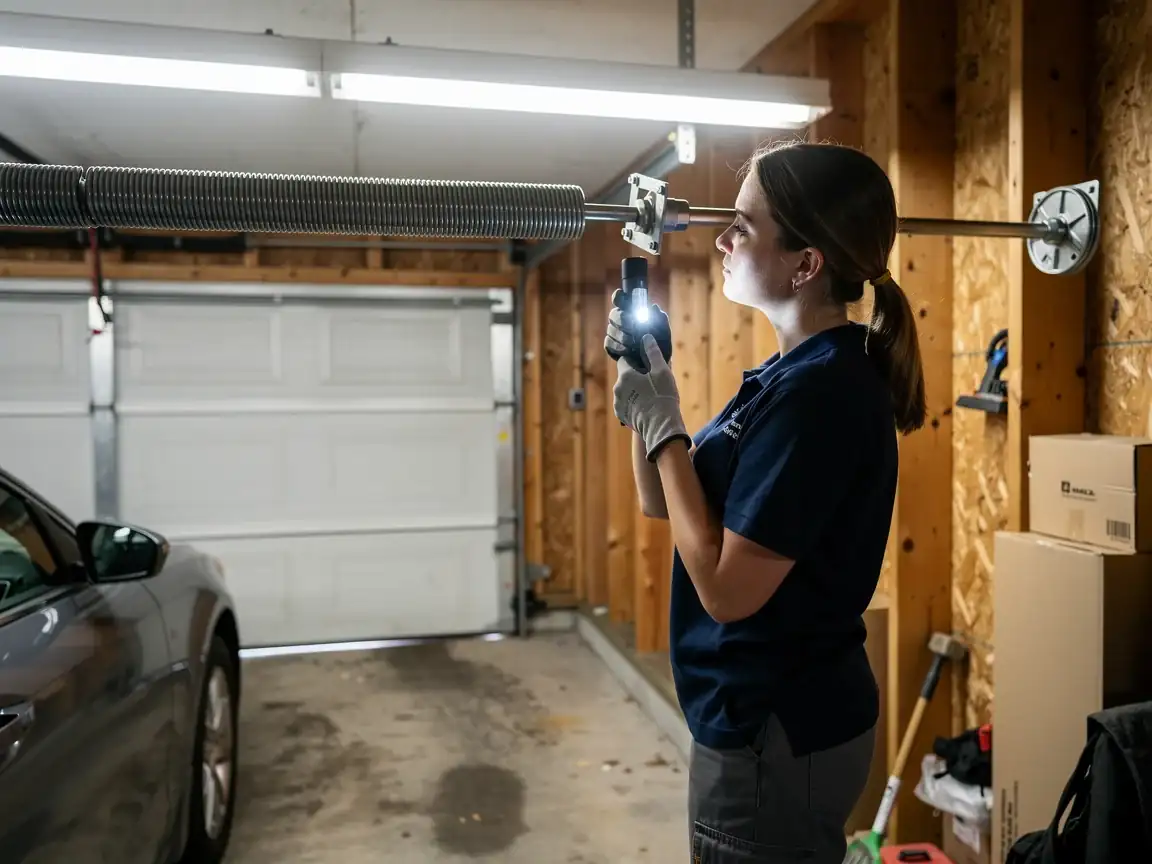
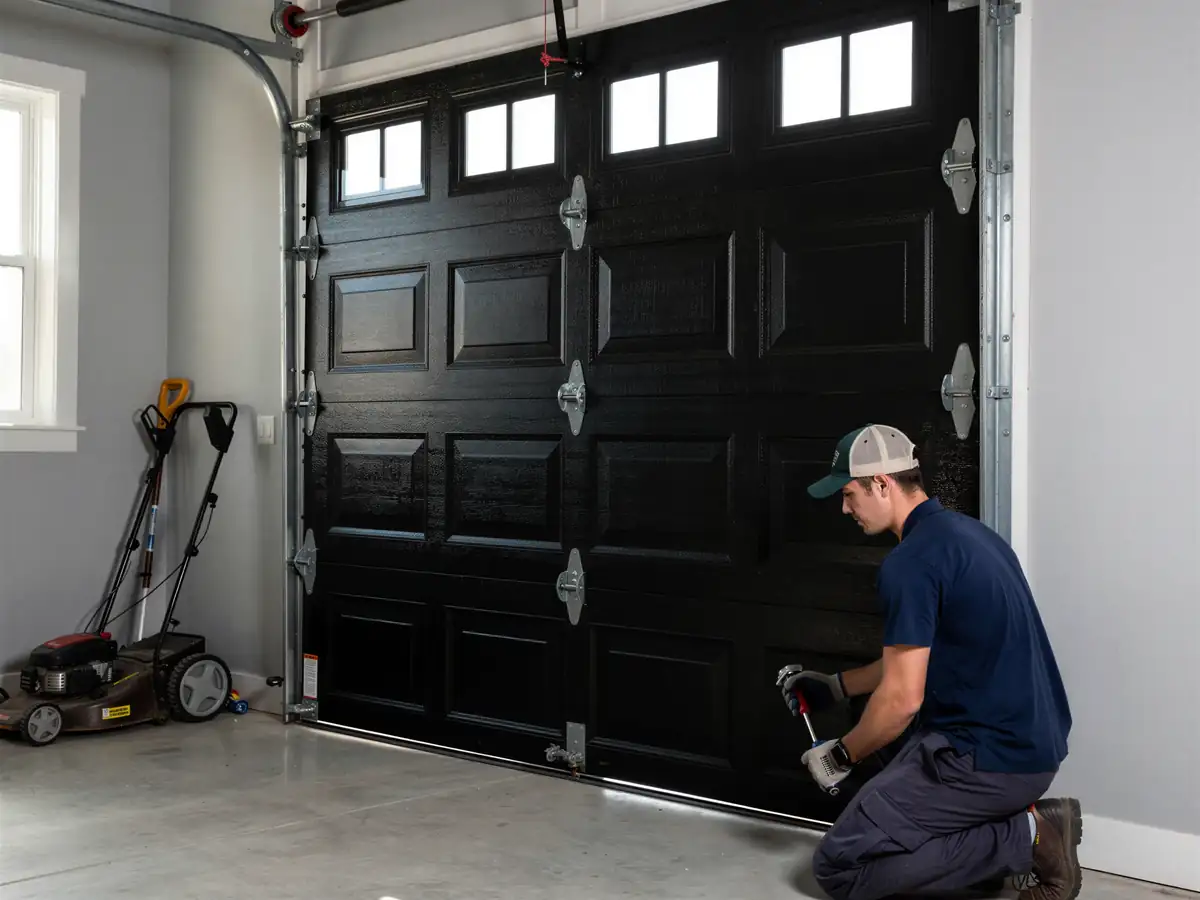
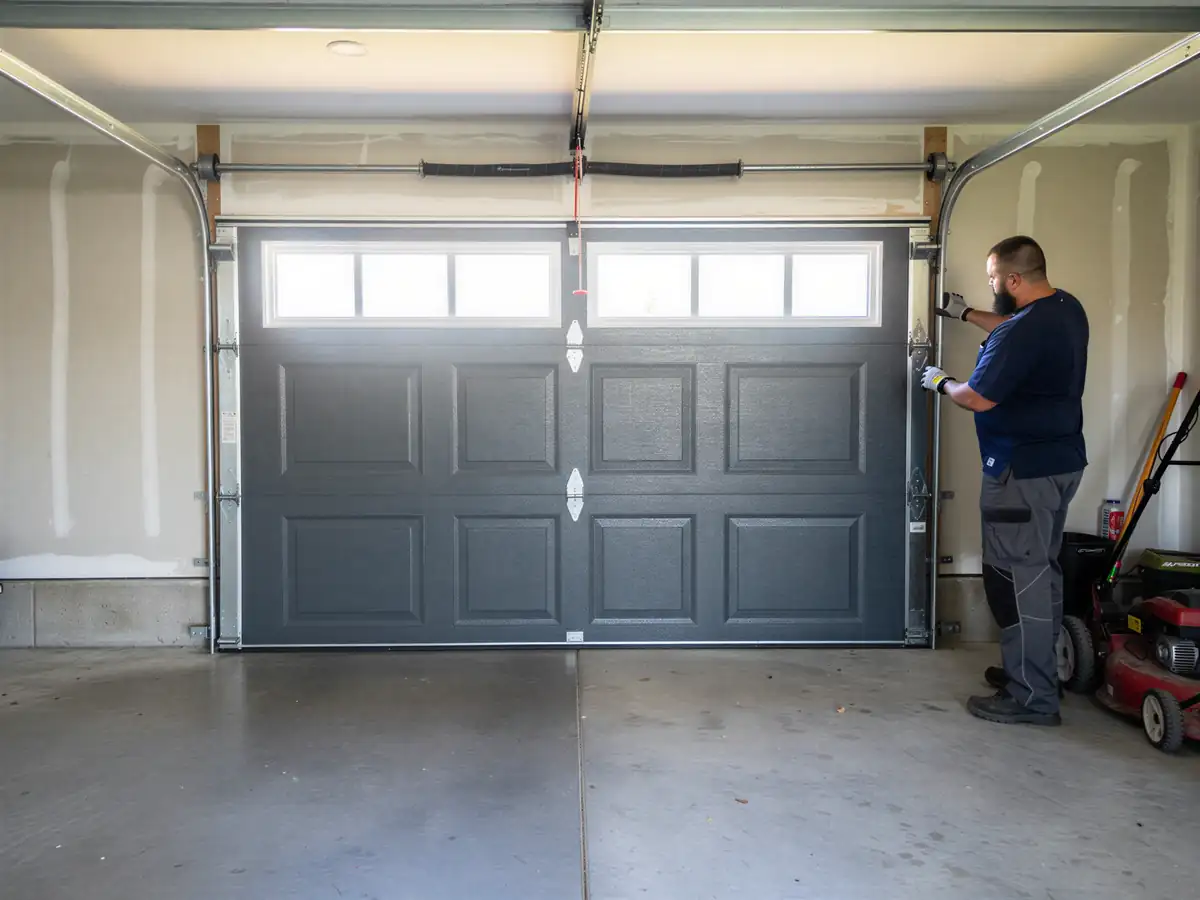
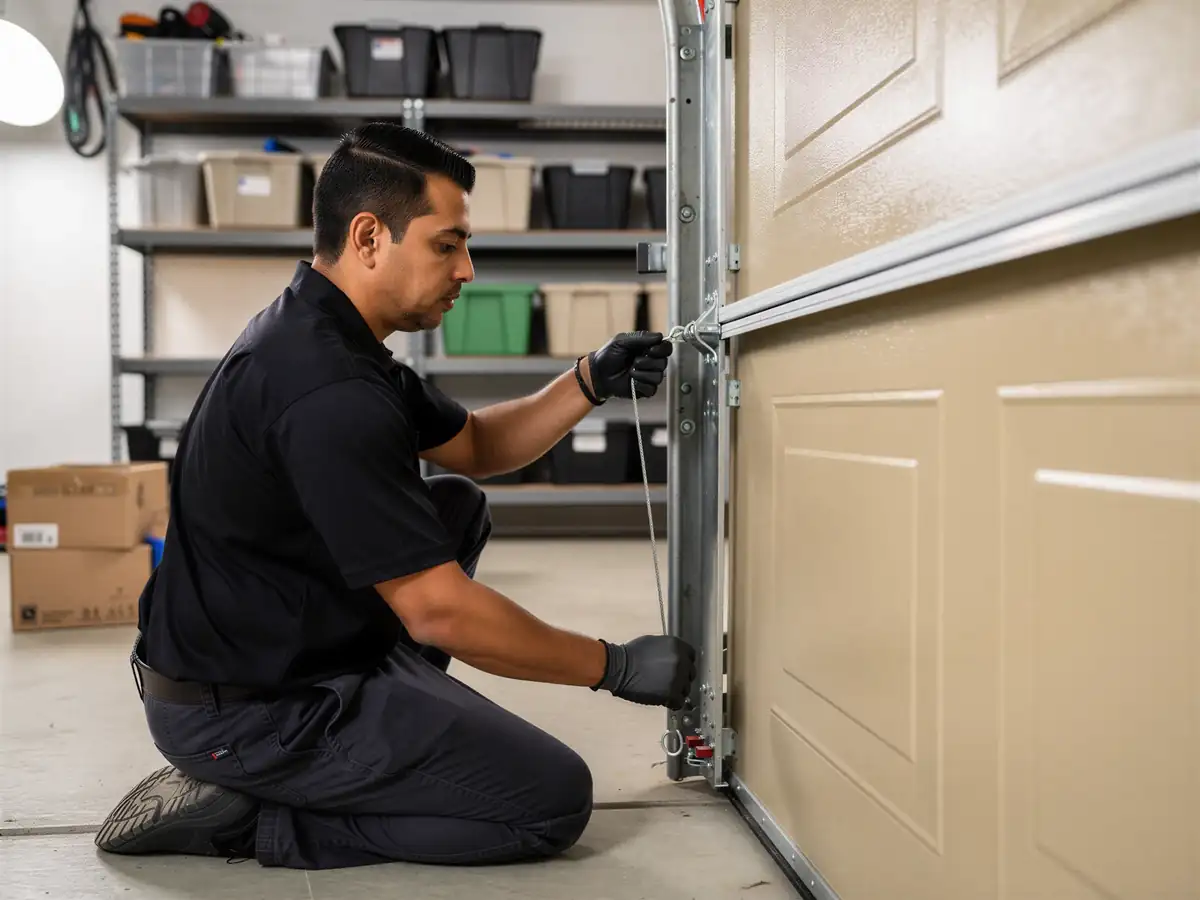
We replace the cable as a pair, not one side, because a mismatched cable under tension is how you get the next failure six months later. On torsion systems typical of the 1980s and 90s builds around here, that means releasing spring tension safely, pulling both cables, checking the drums for wear grooves, and re-cabling to the manufacturer's wrap pattern so the door runs level.
We also check the bottom brackets and rollers while we're in there, since a cable rarely fails in isolation - a dragging roller or a bent track puts extra load on the cable that caused the fray in the first place. One limitation worth saying plainly: if the drums themselves are worn or the wrong size for the door's weight, replacing just the cable is a short-term fix, and we'll tell you that instead of charging you twice. On some older doors the better call is a full spring-and-drum conversion rather than patching the original hardware.
How to Book
If a cable has already come off the drum or snapped, don't run the opener and don't try to force the door by hand
That's how a bracket bends or someone gets hurt. Call and describe what you're seeing: a crooked door, visible fraying, or a door that's stuck partway. That tells us whether we're bringing drum stock for your door's weight class before we're on site.
We work across the broader Lake Forest area, including the nearby communities we also serve
You can reach us through the contact page on our site to get a call back and get a time set.