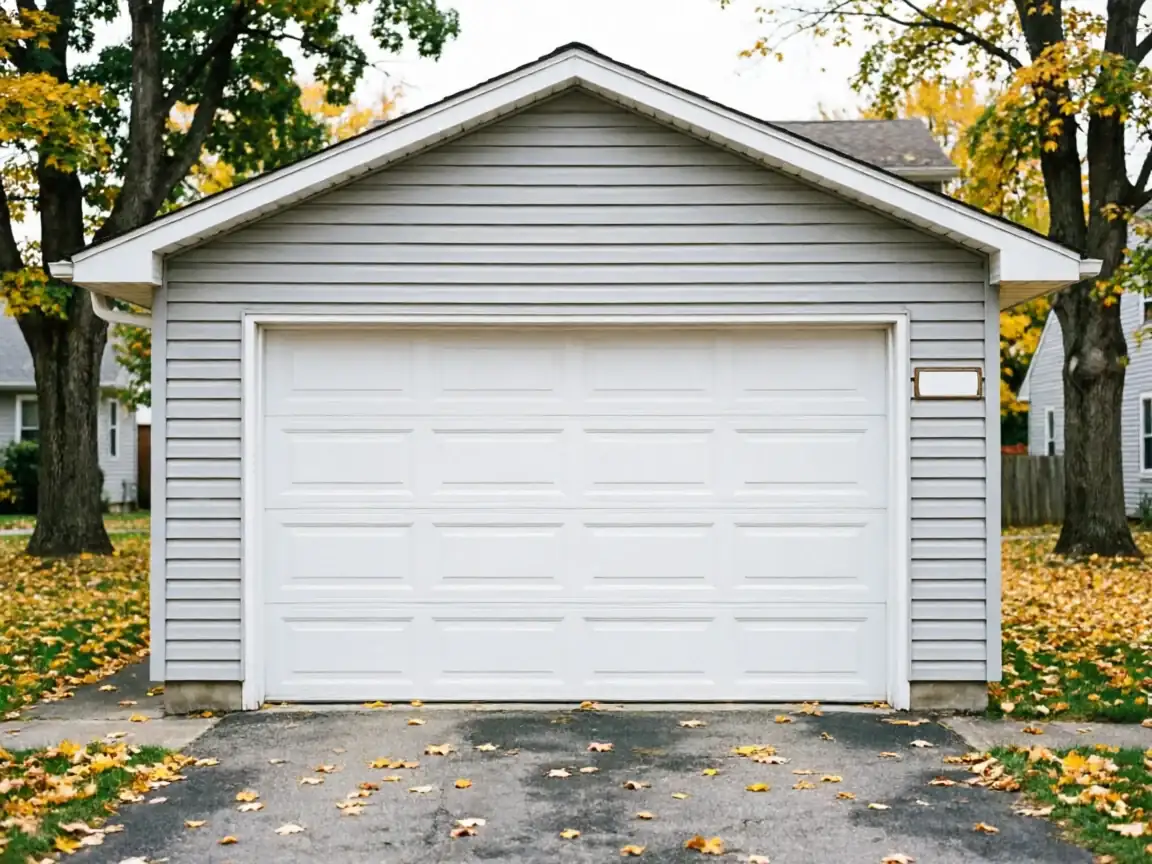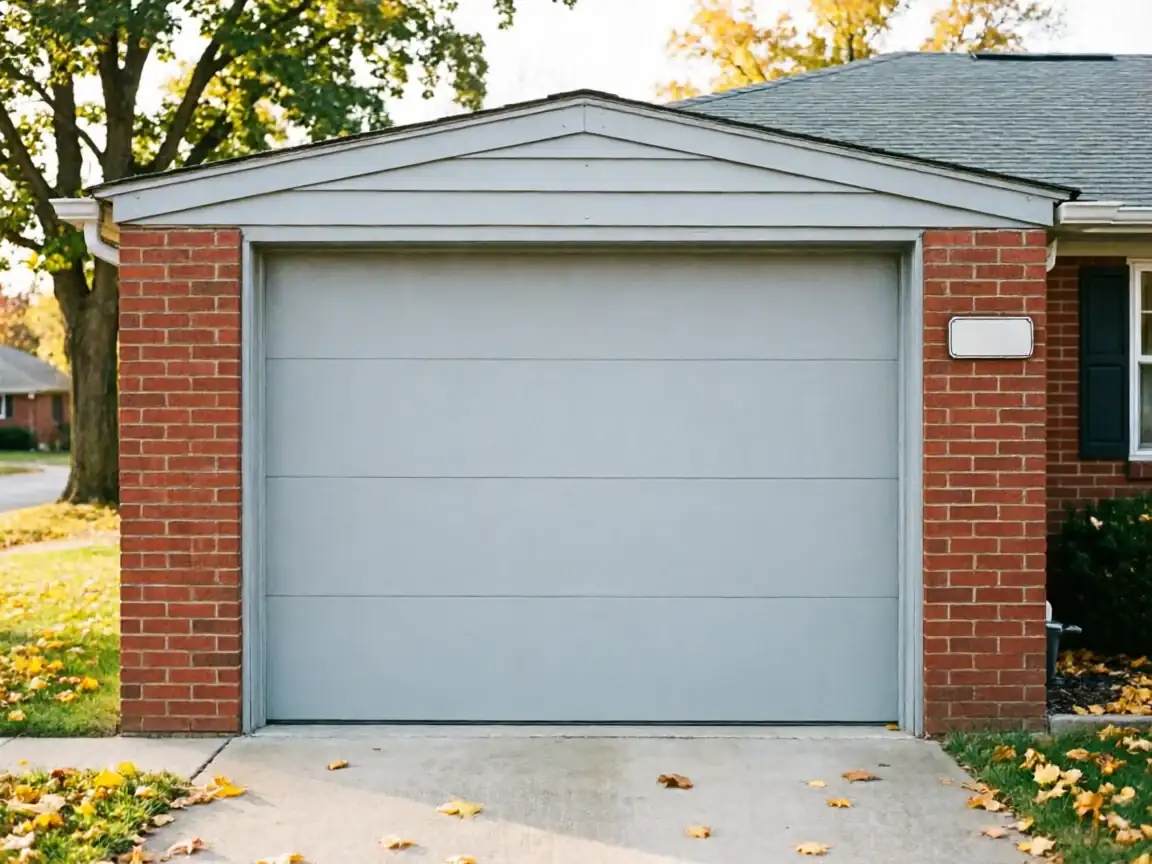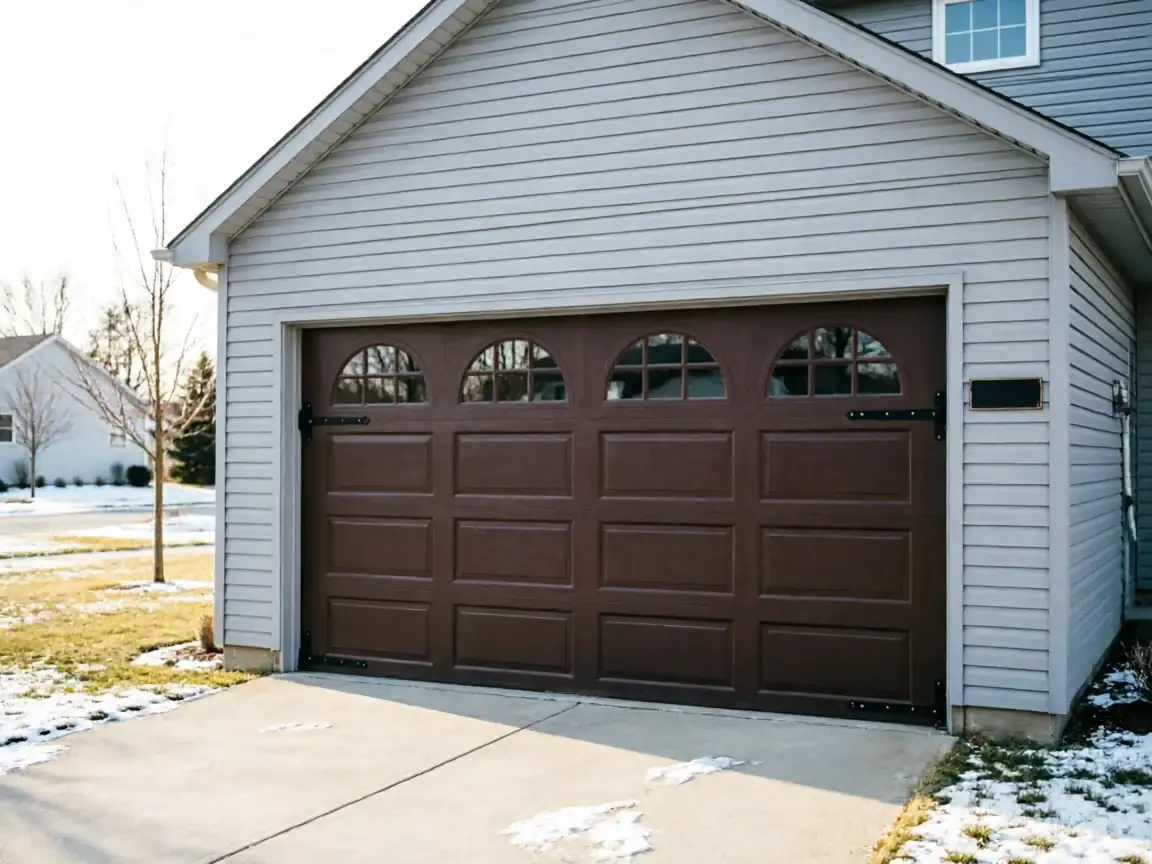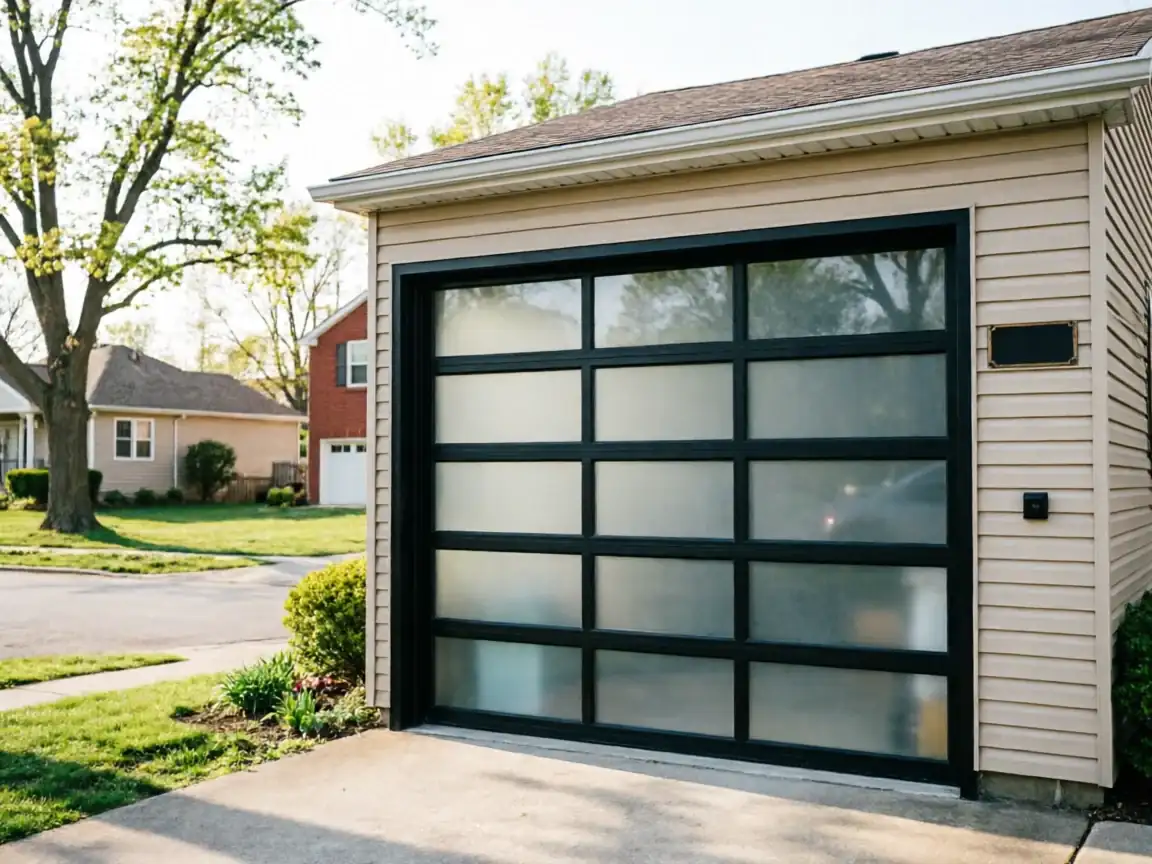

The Houses Here
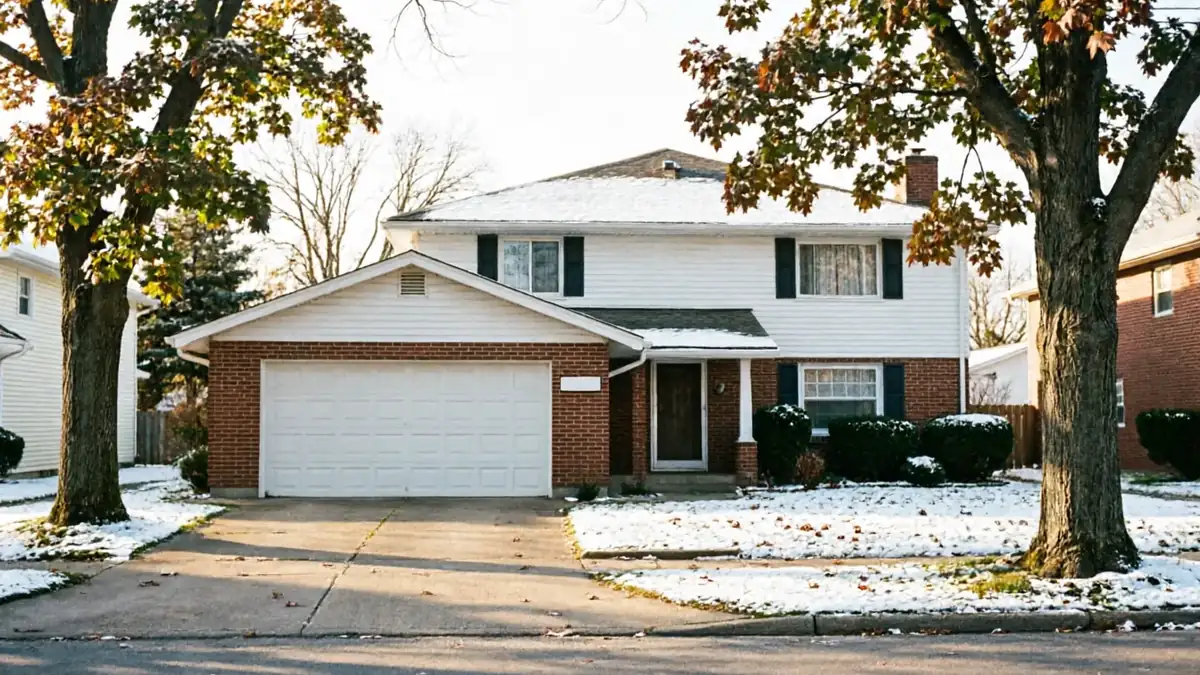
Libertyville's housing stock centers on 1976
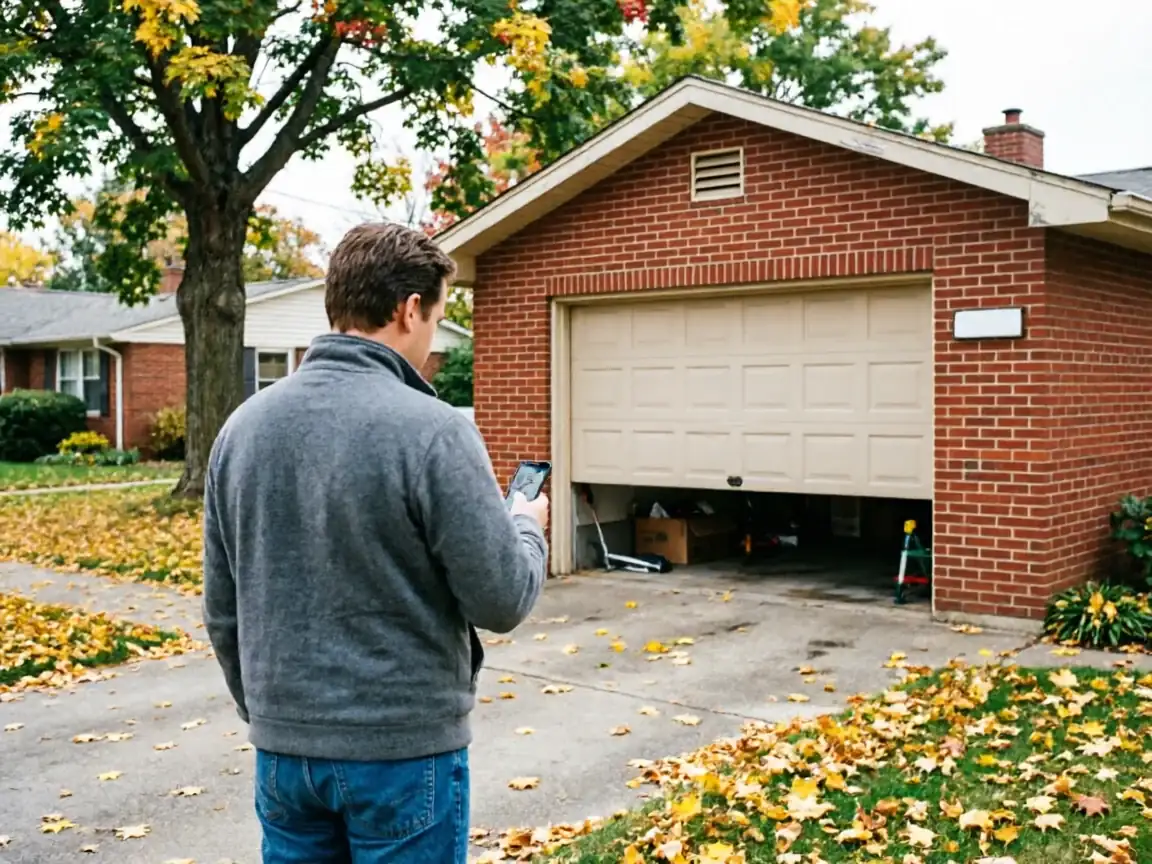
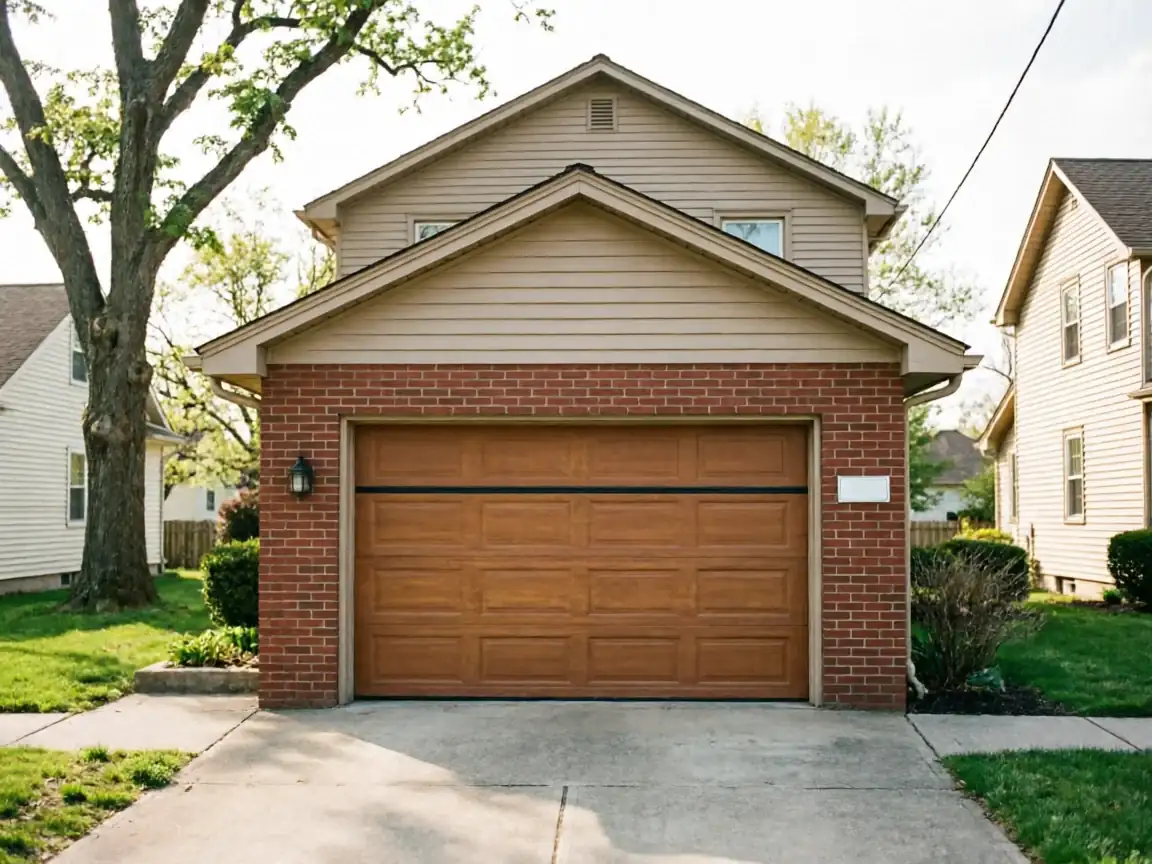
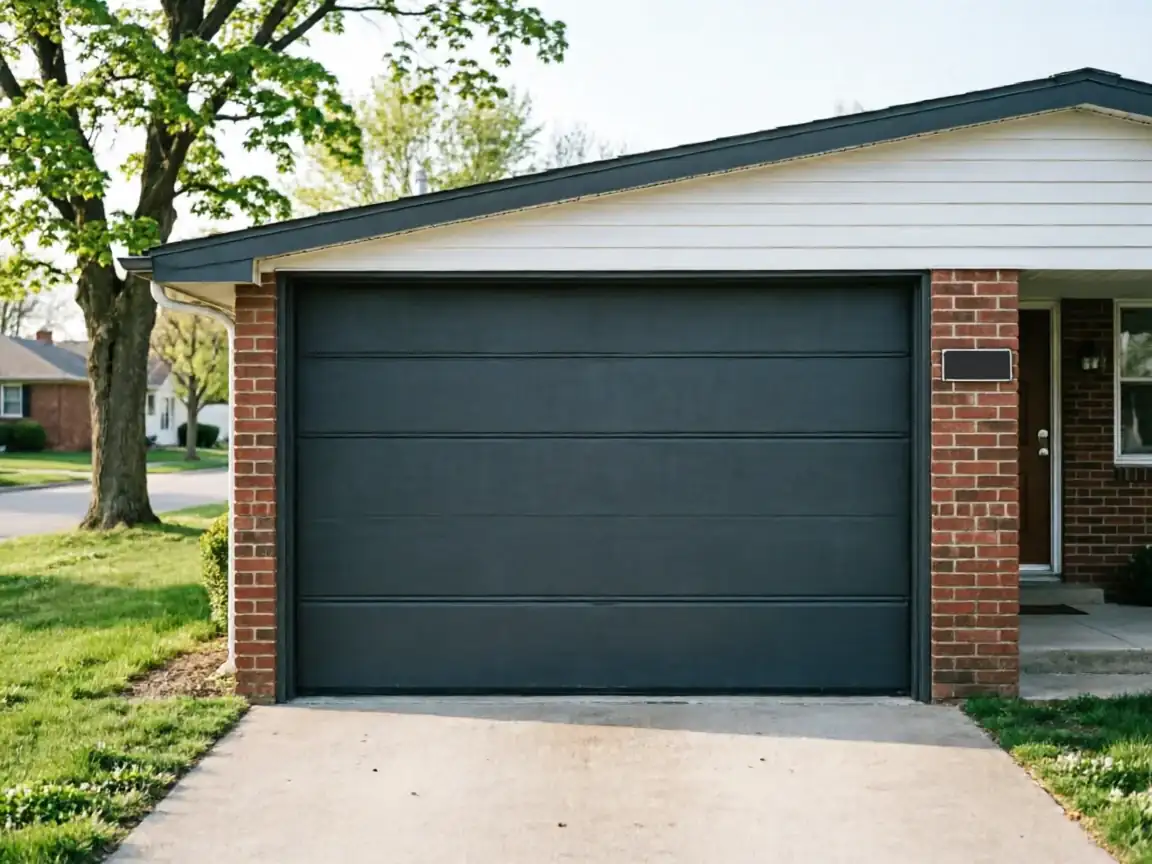
Which puts it ahead of the wider service area's 1938-2009 spread but still well before the 1980s-90s construction wave that filled out most of the other 53 communities we cover. That half-decade matters more than it sounds. A house built in 1976 usually got a steel sectional door on an extension spring system, not the torsion setups that became standard through the 80s. The tracks tend to be narrower gauge, and a lot of these original openers have long since been swapped for chain-drive units bolted onto the same old header bracket.
- 53 communities
With 7,573 households in town, there's a decent mix of original garage doors that never got touched and homes where a prior owner put in a mid-2000s steel door but kept the 1976 framing underneath
We see both. The framing age is usually the tell: if the jamb and header look original, the hardware clearances and spring mounting often don't match what a modern door kit expects, which is the first thing we check before quoting a replacement.
- 7,573 households
We're not based in Libertyville
We run this out of Lake Forest, about 6 miles up the road, so a visit means a drive, not a walk-in.
- 6 miles
The Calls We Get From Here
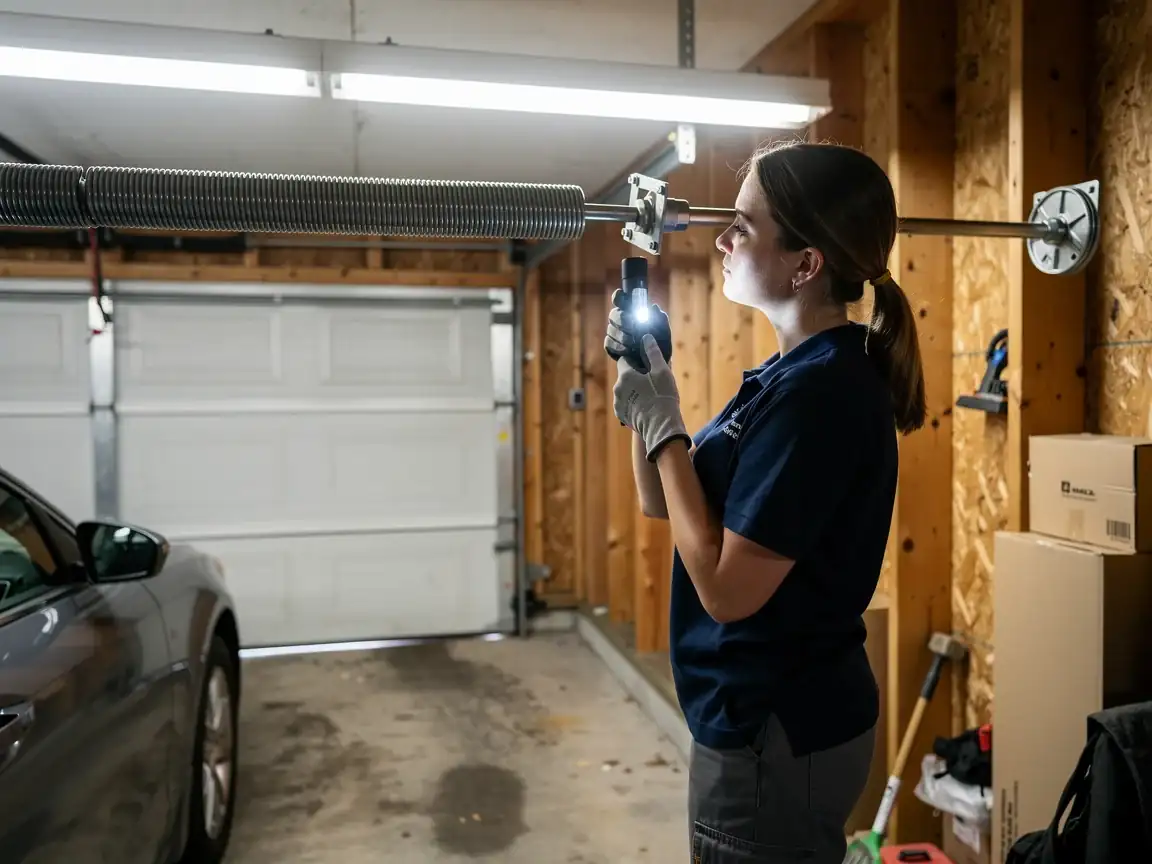
The calls that come out of Libertyville skew toward extension-spring failures more than the torsion-spring breaks we handle elsewhere in the area. That tracks with the 1976 median build year. Extension springs stretched along the horizontal tracks were standard on that era's garage doors, and they wear differently than torsion springs do: less of a loud bang, more of a slow stretch and sag until the door won't lift evenly.
We also hear from people whose chain-drive opener is grinding or losing grip on the drive gear. A lot of these units were installed as replacements for an original opener decades ago, and the internal gear is a known failure point once it's logged enough cycles. Winters here run cold enough that cold grease and stiff seals make a worn gear's symptoms worse, which is often what pushes someone to finally call.
Less common, but it comes up: panel rust or delamination on doors where the original steel skin was never swapped. At $162,270 median household income, a fair number of these calls end in a decision to replace the whole door rather than patch a 45-plus-year-old panel, especially once the extension springs and hardware are factored into the repair cost.
How That Shows Up in the Door
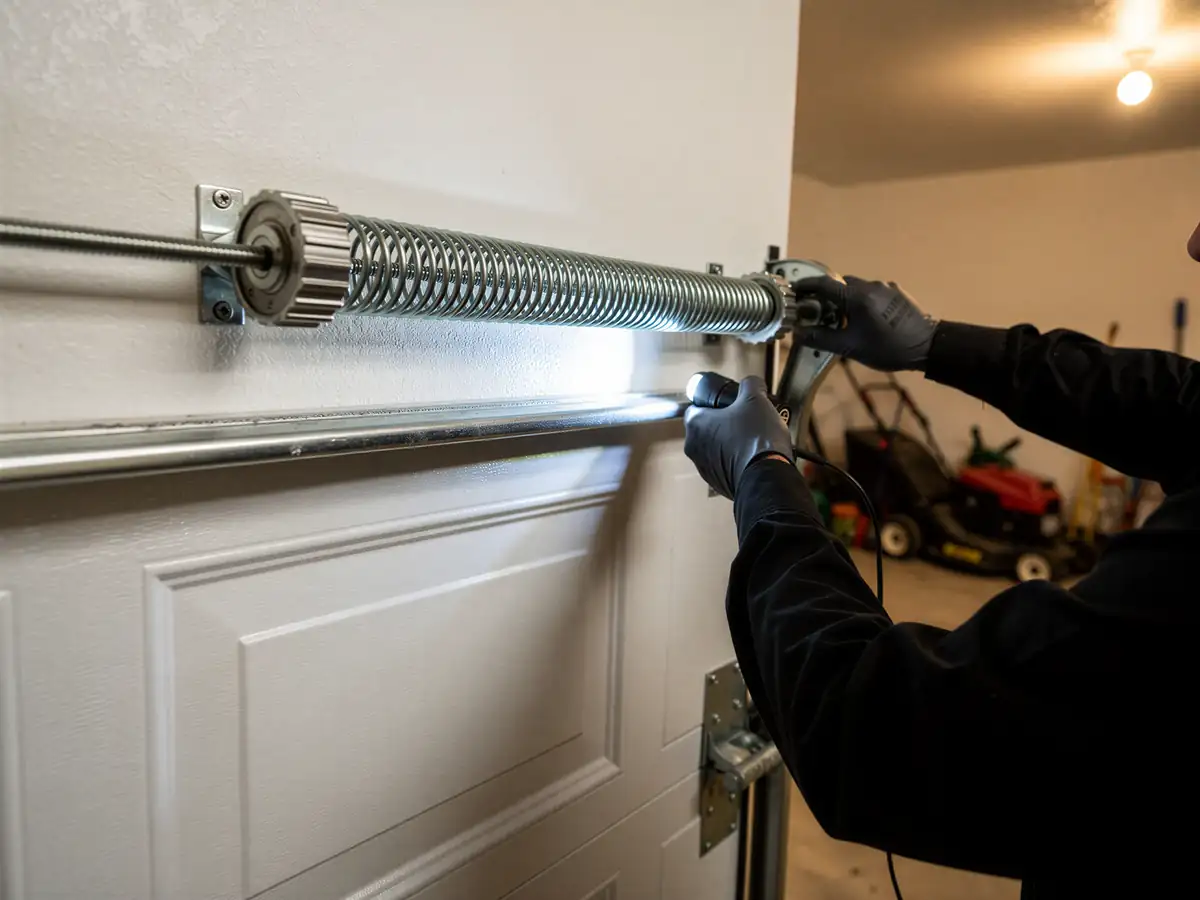
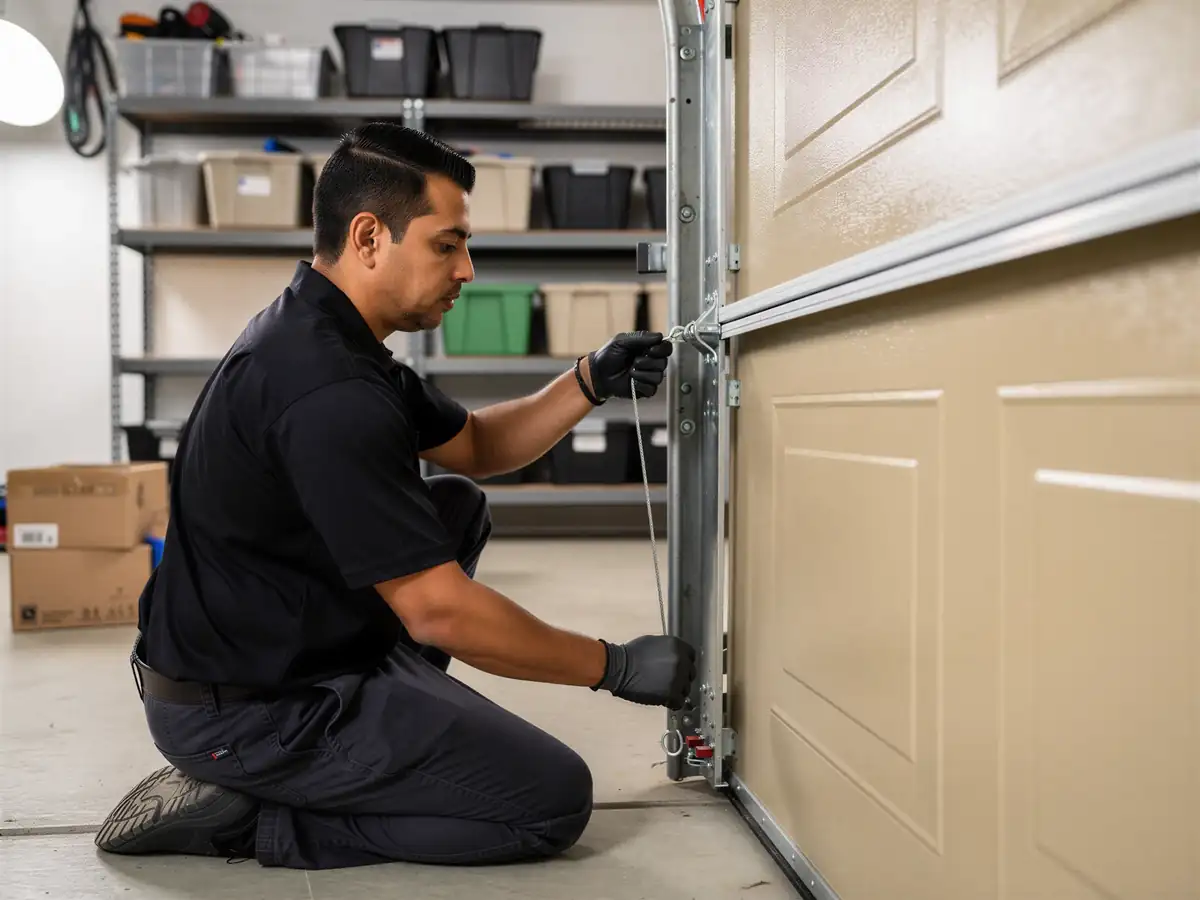
Open an older Libertyville garage and you'll usually find the spring running alongside the horizontal track instead of mounted above the door on a torsion bar. That's the extension-spring layout, and it changes how a failure looks and how dangerous it is to handle. When one side lets go, the door can tip hard to that side instead of just dropping straight, because there's no center shaft holding both ends level the way a torsion system does.
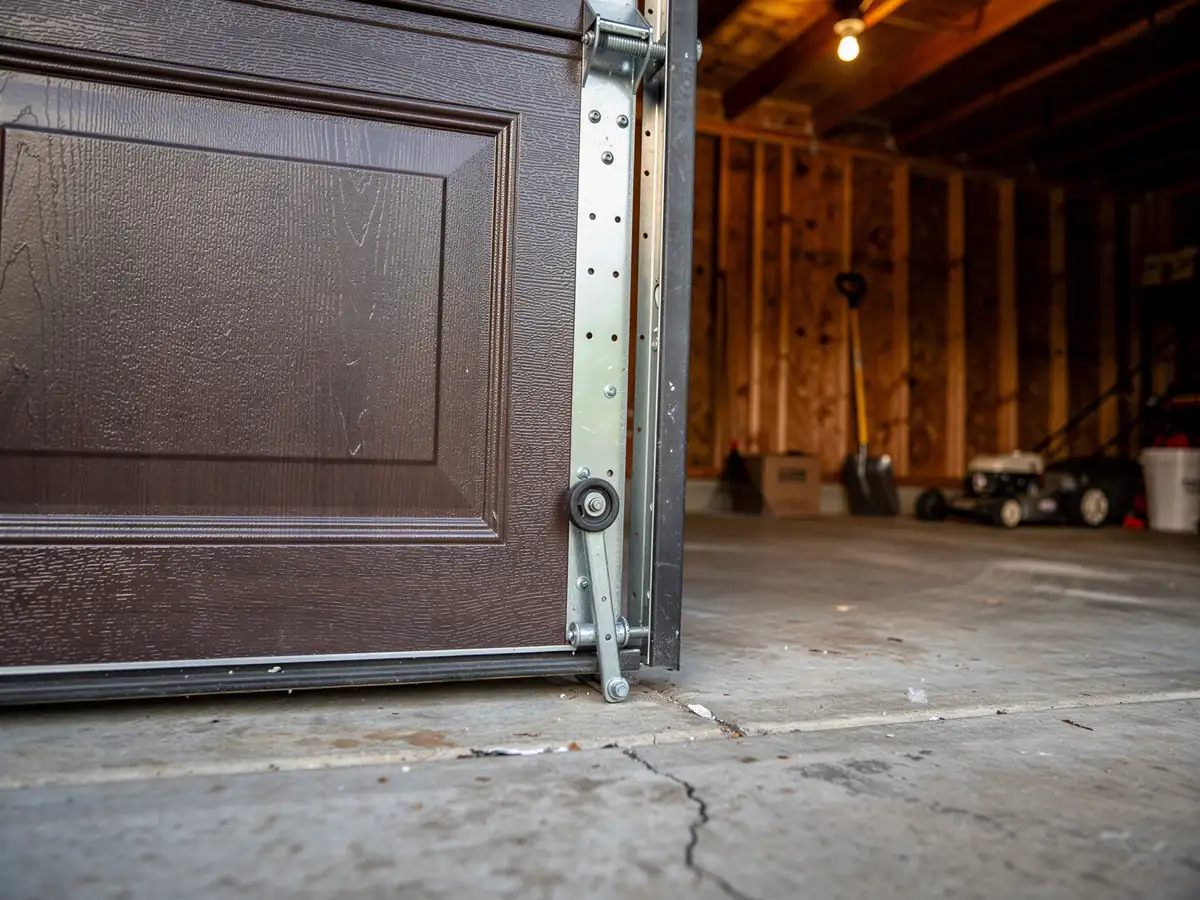
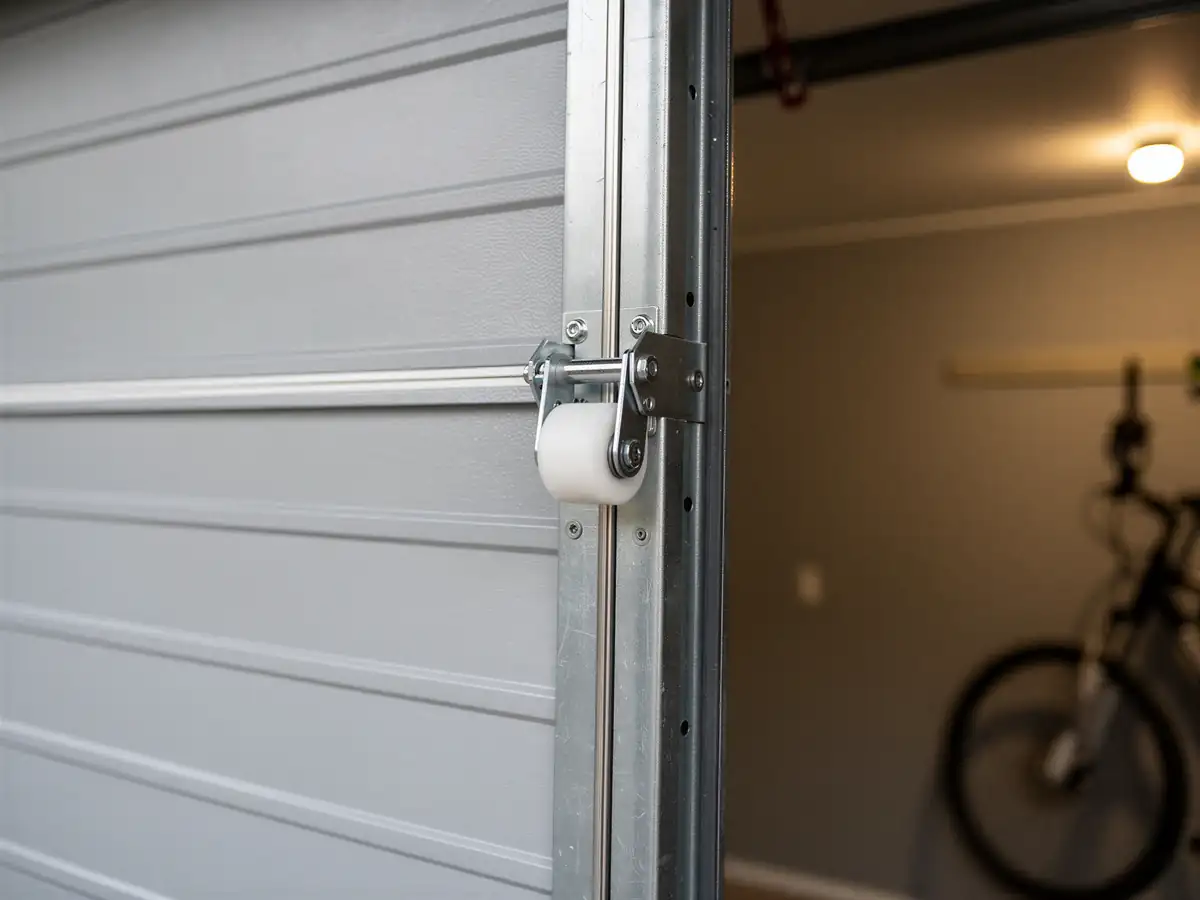
Hardware from this era also tends to run thinner-gauge track and smaller rollers than what gets installed today. That's not a defect, it's just what was standard in 1976. The trouble comes when a homeowner replaces the door itself with a modern heavier insulated panel but keeps the original track and rollers, because the old hardware wasn't sized for the added weight.
Cold winters add another layer. Steel contracts in the cold, and on these older doors the panel seams and weatherstripping were never built to the thicker insulation standards you'd see in newer stock. That's one limitation worth being upfront about: on a lot of these original doors, a full weatherstrip and seal job only buys so much, and at some point a new insulated panel does more for the cold draft than another repair does.
The Usual Work Here
Most of our Libertyville jobs land in one of three categories
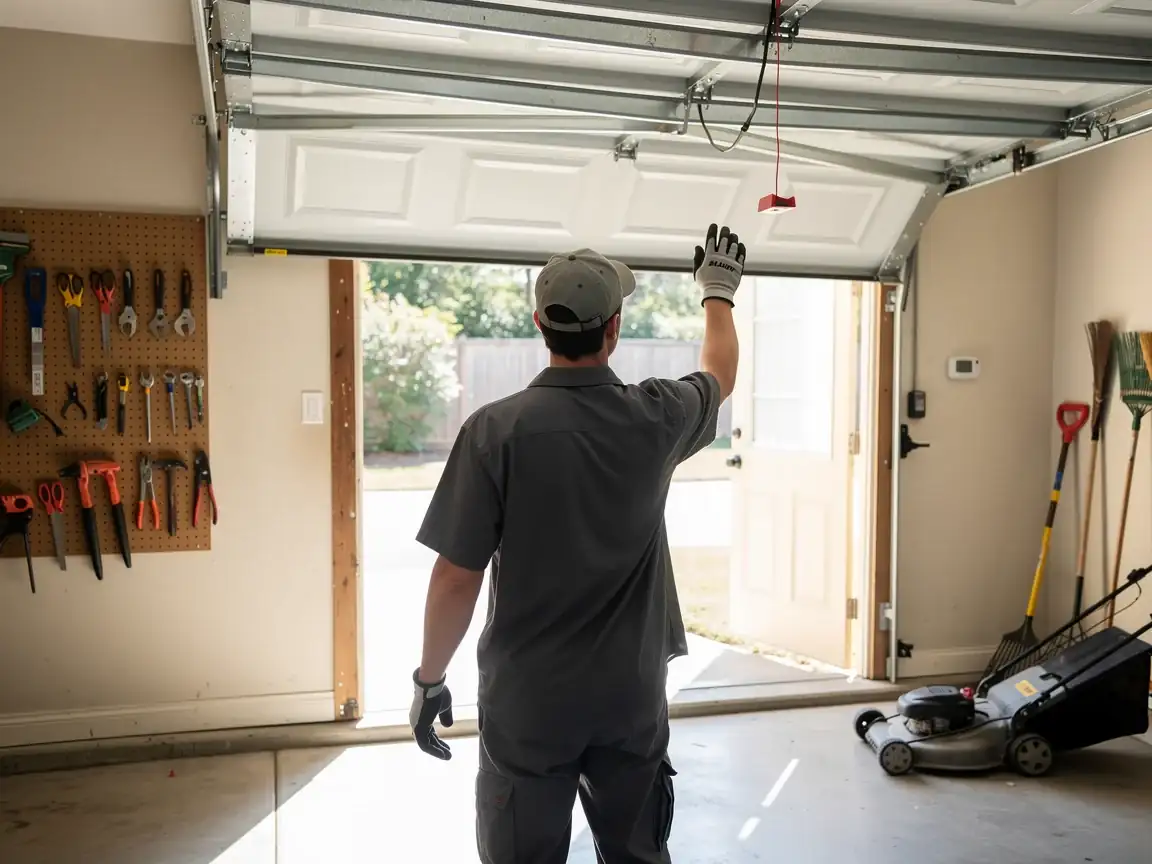
Extension spring replacement (usually both sides at once, since if one failed from age the other is close behind), chain-drive opener repair or replacement, and full door swaps on homes where the original 1976 steel panel has gone soft with rust or warping.
On the spring jobs, we match the cable and pulley hardware to the existing track rather than assuming a torsion conversion is the better move
Since converting an extension system to torsion means reworking the header and isn't always worth it on an older frame. On opener work, we check the gear kit first before recommending a full unit replacement, since that's often the cheaper and sufficient fix if the rest of the motor and drive are sound.
For full replacements, we walk through whether the existing track and roller hardware can carry a heavier modern insulated door or whether that needs upgrading too
Since skipping that step is how you end up with a new door straining old rollers within a year. None of this is same-day work out of a local shop; we're driving in from Lake Forest, so we schedule the visit, diagnose on site, and if parts are needed, that's a second trip.