The Houses Here
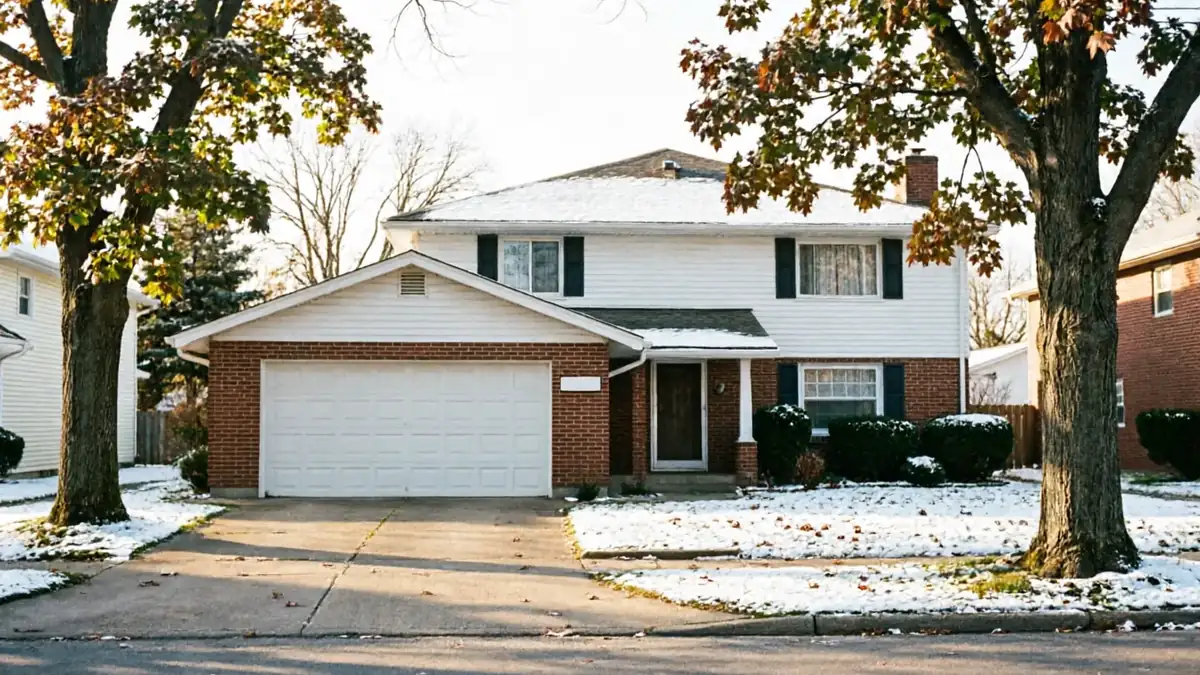
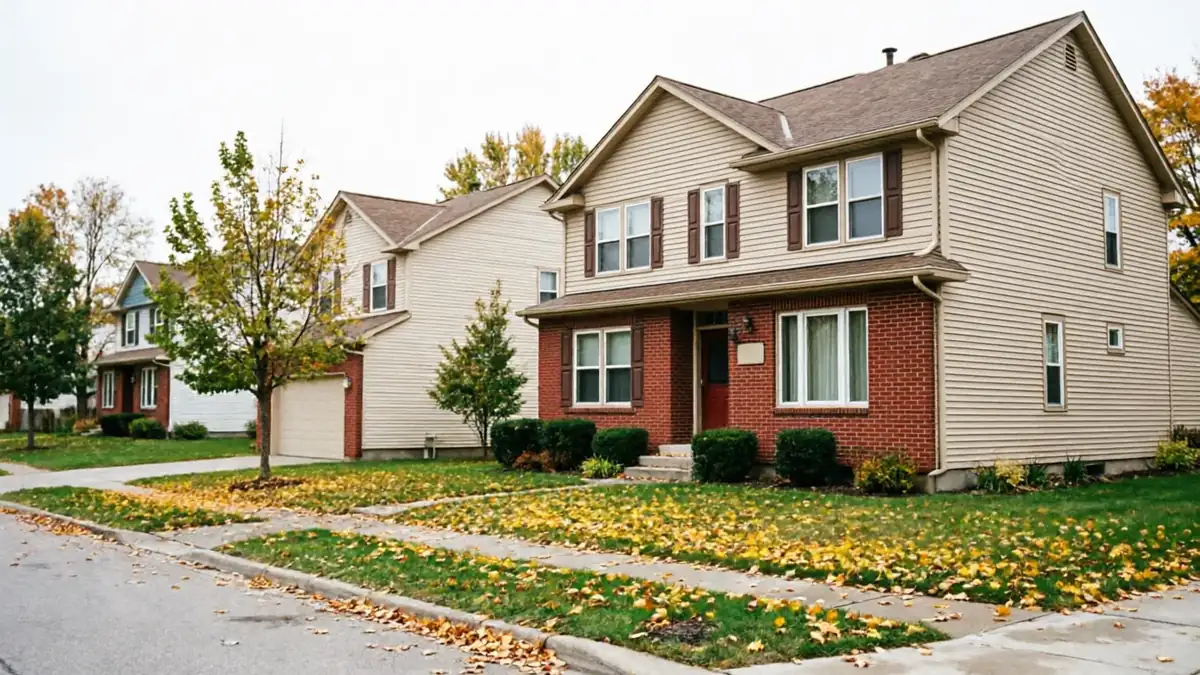
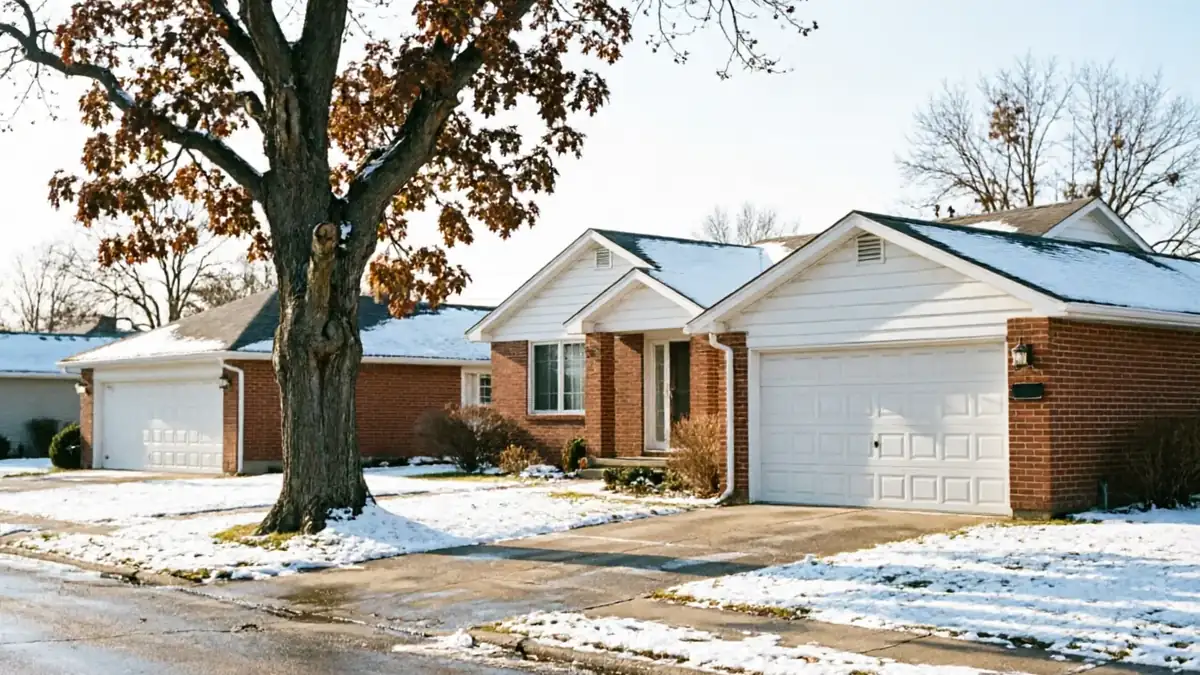
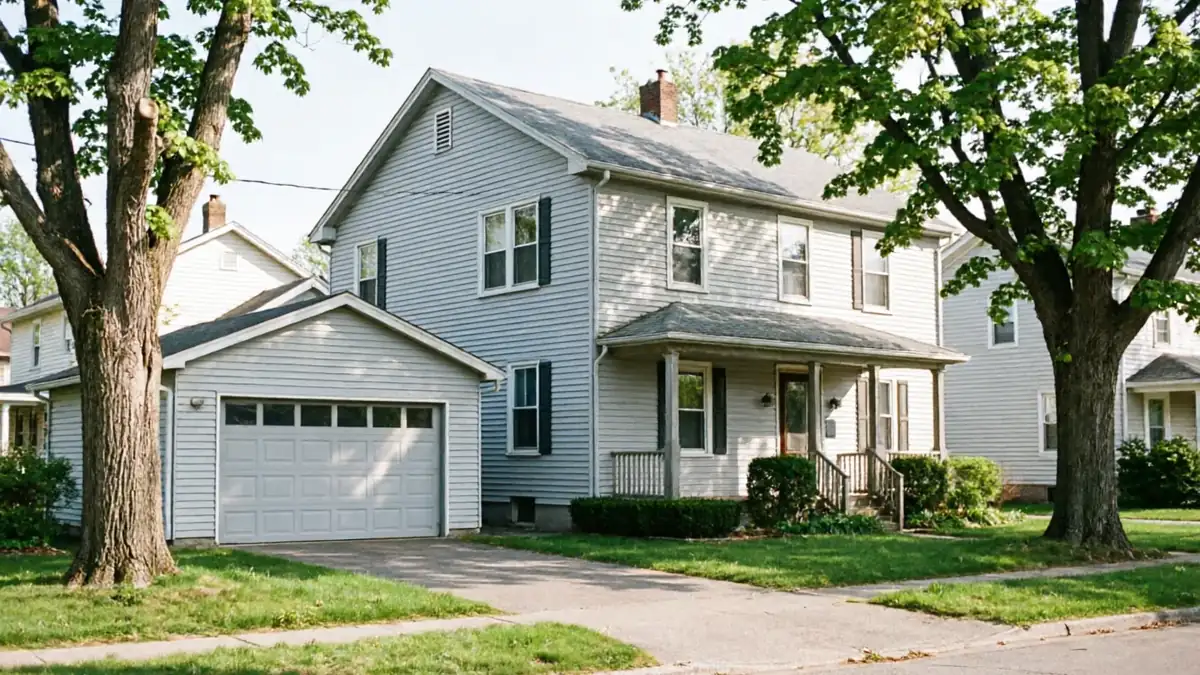
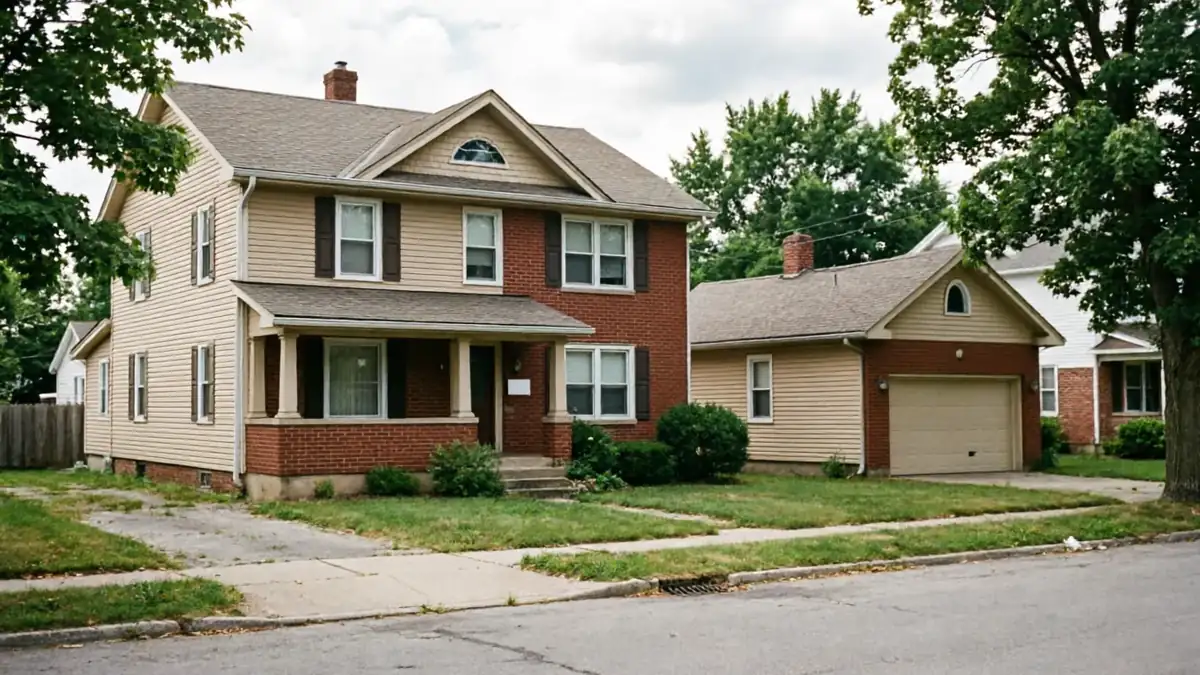
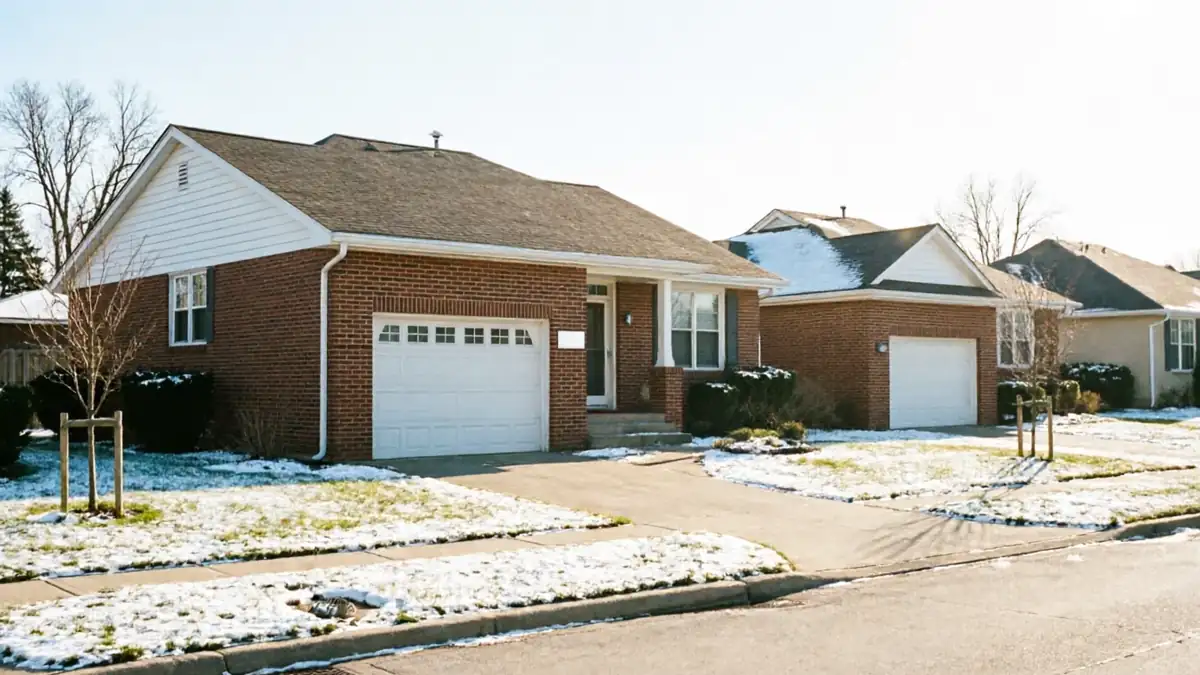
Lindenhurst's housing stock centers on 1986
A few years past the 1983 median for the wider service area we cover out of Lake Forest. That gap matters more than it sounds. Houses built in the mid-80s mostly came with the first wave of factory-insulated steel sectional doors, not the thin single-layer panels that showed up on earlier builds. The openers from that era were chain-drive units on 1/3 horsepower motors, built to run but not built to last forever, and a lot of them are still bolted to the ceiling doing the same job they did in 1986.
With roughly 5,081 households in Lindenhurst, you get a fairly tight band of construction years
Which means a fairly tight band of door and hardware problems. We don't see much of the oldest wood-panel stock you'd find in older pockets of the region, and we don't see the newer insulated models either. What we do see is a lot of original torsion springs on their second or third decade, original galvanized track that's held up fine structurally but is starting to show it at the rollers, and openers that are either original or one replacement removed from original.
- 5,081 households
Median household income here runs $127,837, a bit above the broader area's $124,847
And that tends to show up as more owners replacing an opener before it fails outright rather than running it to the ground. It doesn't change what breaks. It changes when people call about it.
The Calls We Get From Here
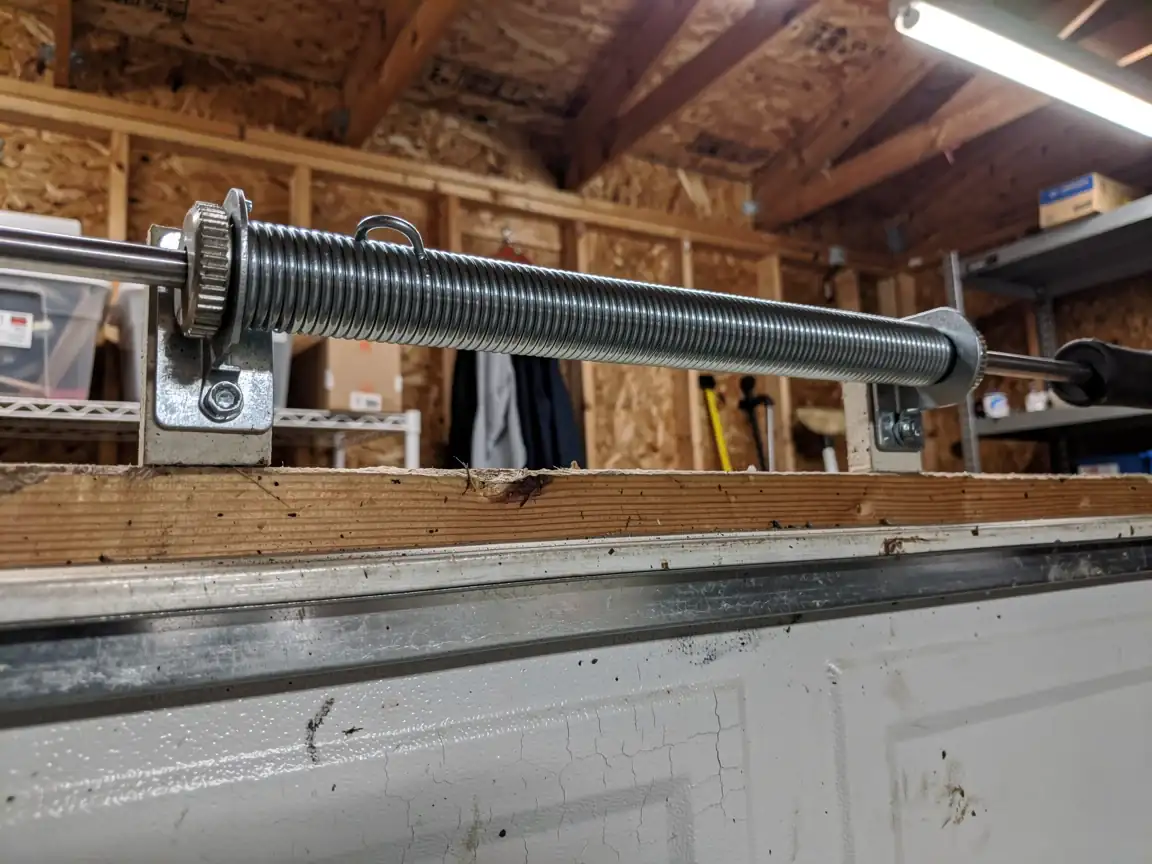
The calls that come out of Lindenhurst skew toward hardware that's done its full service life rather than hardware that was ever cheap or wrong for the house. A torsion spring rated for a mid-80s door has had close to forty years of cycles on it, and when it goes, it usually goes without much warning - a loud bang, then a door that won't budge or won't stay up.
We also get a steady run of opener calls where the complaint isn't "it broke," it's "it's gotten slow" or "it reverses for no reason." On a chain-drive unit from that build era, a slipping gear or a worn drive gear kit usually explains both. Less common, but not rare, are cable calls - the original galvanized cable starting to fray at the drum after decades of winter use.
We travel to Lindenhurst from our base in Lake Forest, about 15 miles out, so we're not a drive-by crew that happens to notice a dented panel. The calls we take are ones that got booked - a spring that let go, an opener that quit mid-cycle, a track that's bent from a backed-into door. That's the real mix here, and it tracks pretty closely with what you'd expect from a town built mostly in one decade.
How That Shows Up in the Door
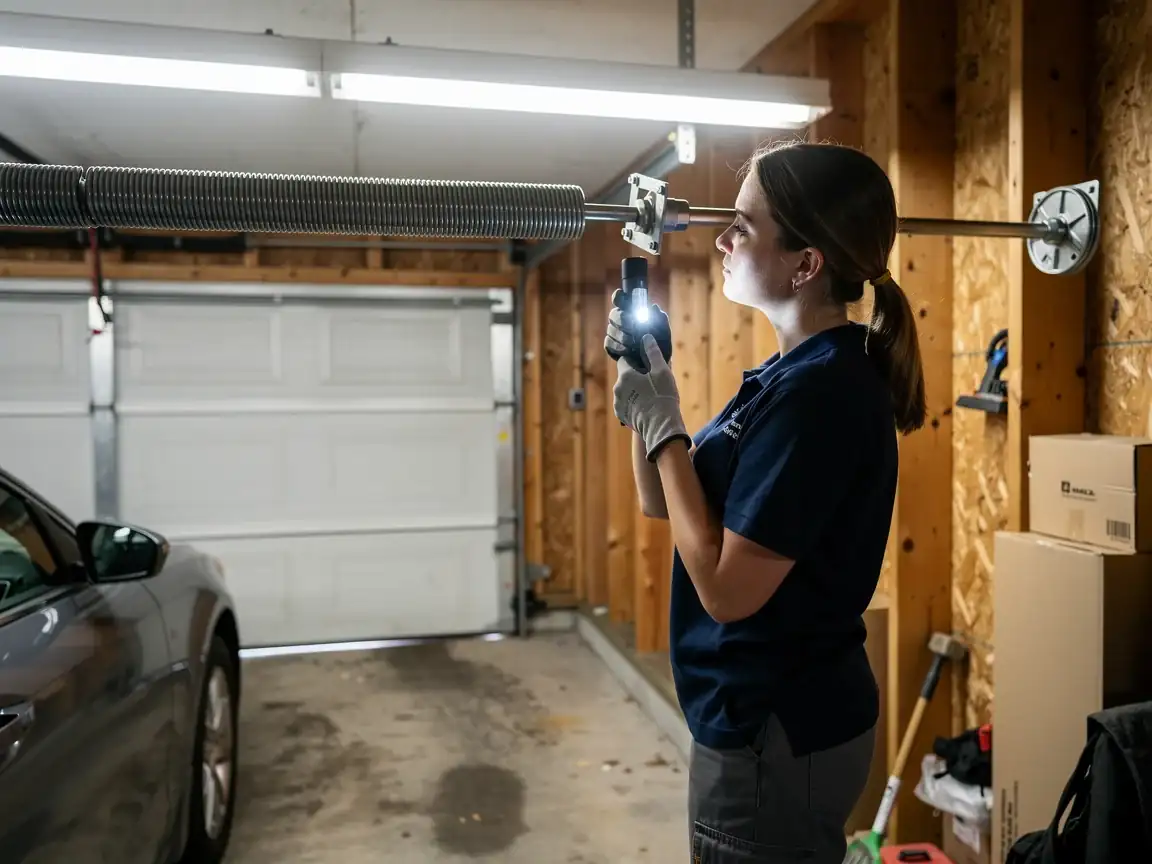
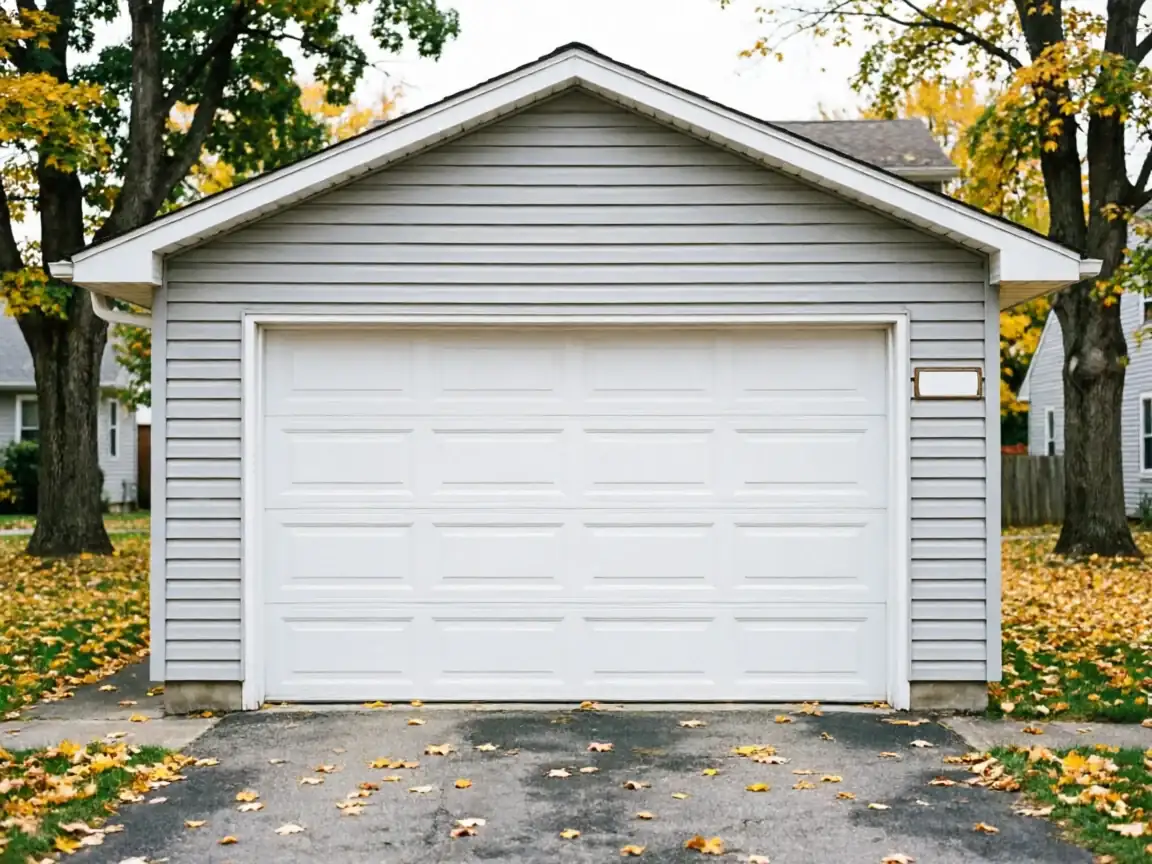
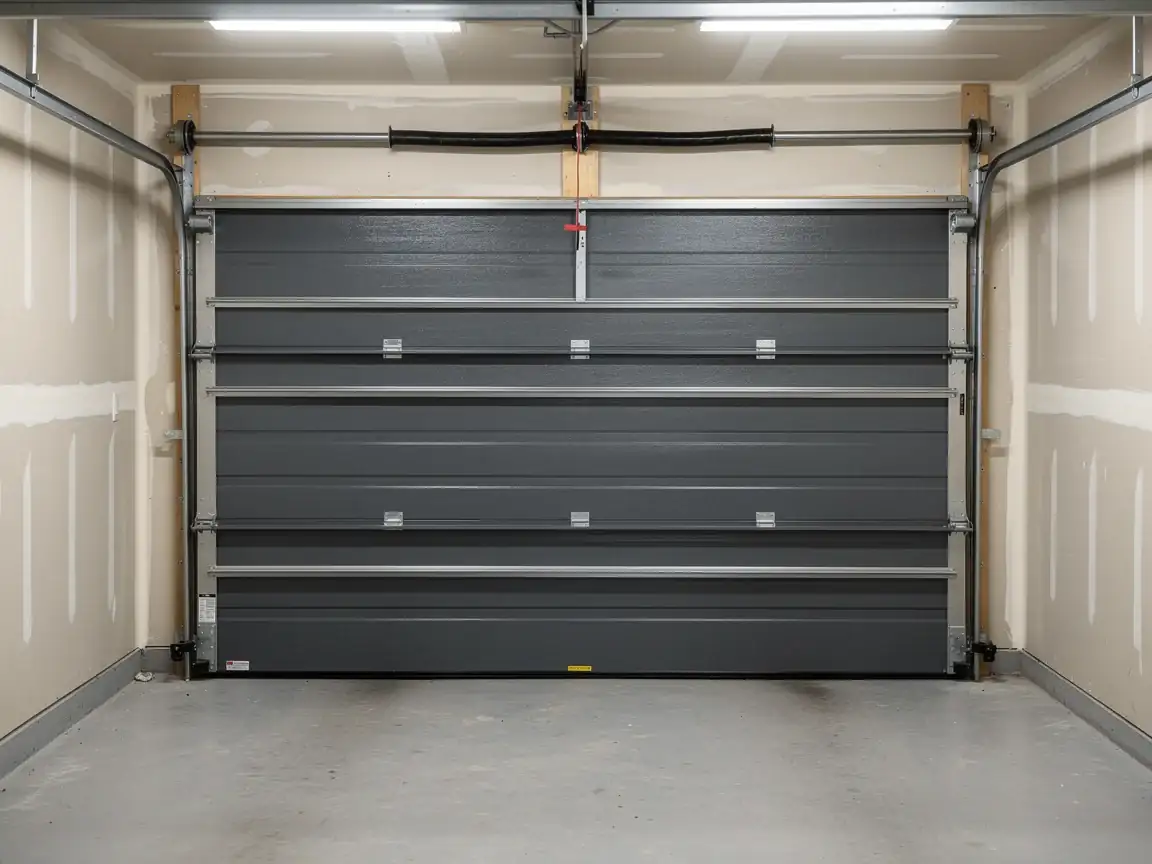
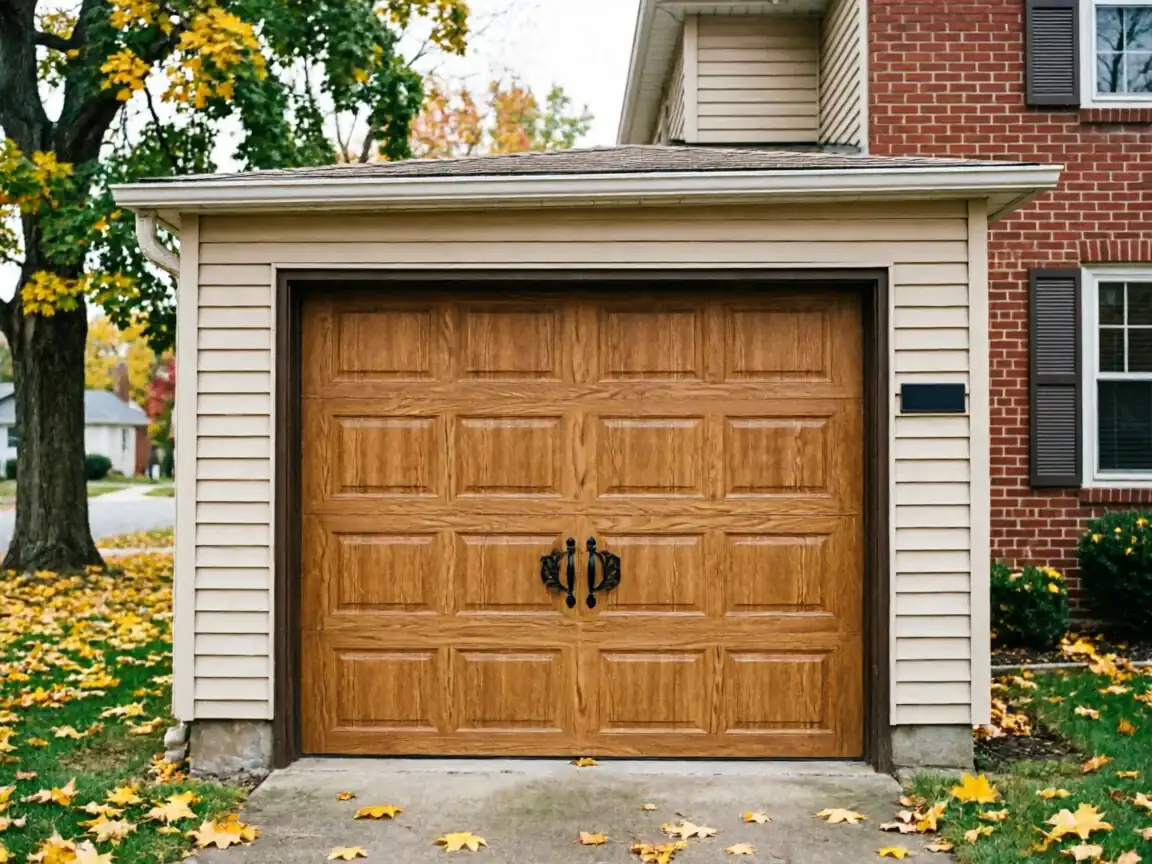
A door installed around 1986 and never touched since is a door running original torsion springs, original end bearings, and in most cases an original opener. None of that is a knock on the house - it's just the math of a 40-year-old mechanical system under constant spring tension. The service area sits in a cold climate band, and that matters for a garage door two ways: track and hinge hardware that's been through repeated freeze-thaw cycles tends to bind and squeal before it breaks, and old lubricant on original rollers gets stiff enough in January that the opener has to work harder than it should.
What we actually find on a Lindenhurst call is usually one of three things: a spring that finally reached the end of its cycle count, an opener gear set worn down from decades of use, or rollers and hinges that have gone from loud to seized. We don't see much evidence of doors that were installed wrong - the build era here used solid residential hardware, not the bargain stuff some older or newer tracts got stuck with.
One honest limit: if your springs, cables, and opener are all original and all near the end, patching one part often just moves the next failure a few months down the road. At some point, replacing the whole package costs less than three separate service calls.
The Usual Work Here
Given the age and mix of houses in Lindenhurst
The work we actually do breaks down pretty predictably. Torsion spring replacement is the most common single job - doors from the mid-80s are hitting or past the point where the original springs are worth trusting, especially on a two-car door that gets cycled daily. Opener service and replacement is close behind, usually chain-drive units that have slowed down, started reversing early, or stopped responding to the wall button.
We also do a fair amount of roller and hinge work
Swapping worn steel rollers for sealed nylon ones, which cuts noise and resists the cold-weather stiffening that steel rollers get. Cable replacement comes up less often but isn't rare, particularly on doors that have never had the cables touched since installation.
What we don't do much of here is full panel replacement
The steel sectional doors from this build era hold up well structurally, and most of the damage we see is isolated to one bent panel from a backed-into door rather than failure across the whole door. In those cases, a single panel swap usually makes more sense than replacing the unit.