When to Get Help
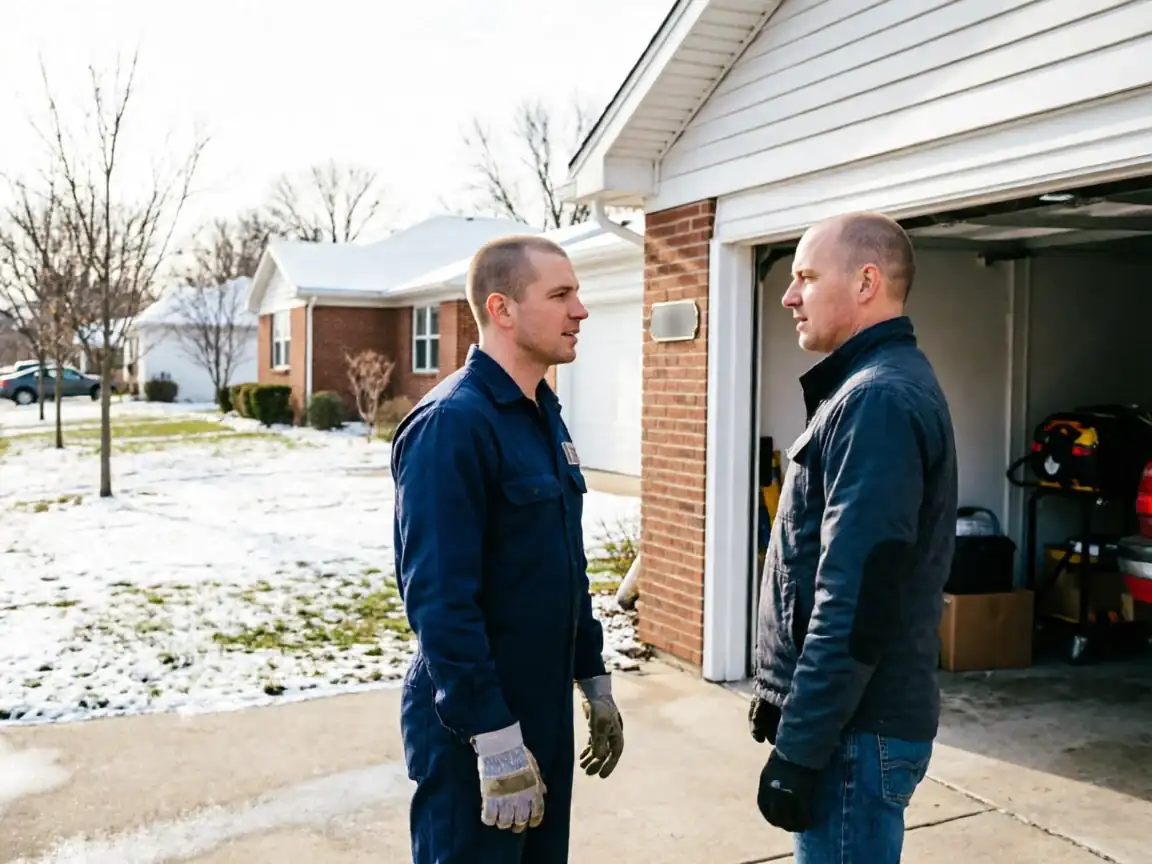
Call before the door fails all the way, not after
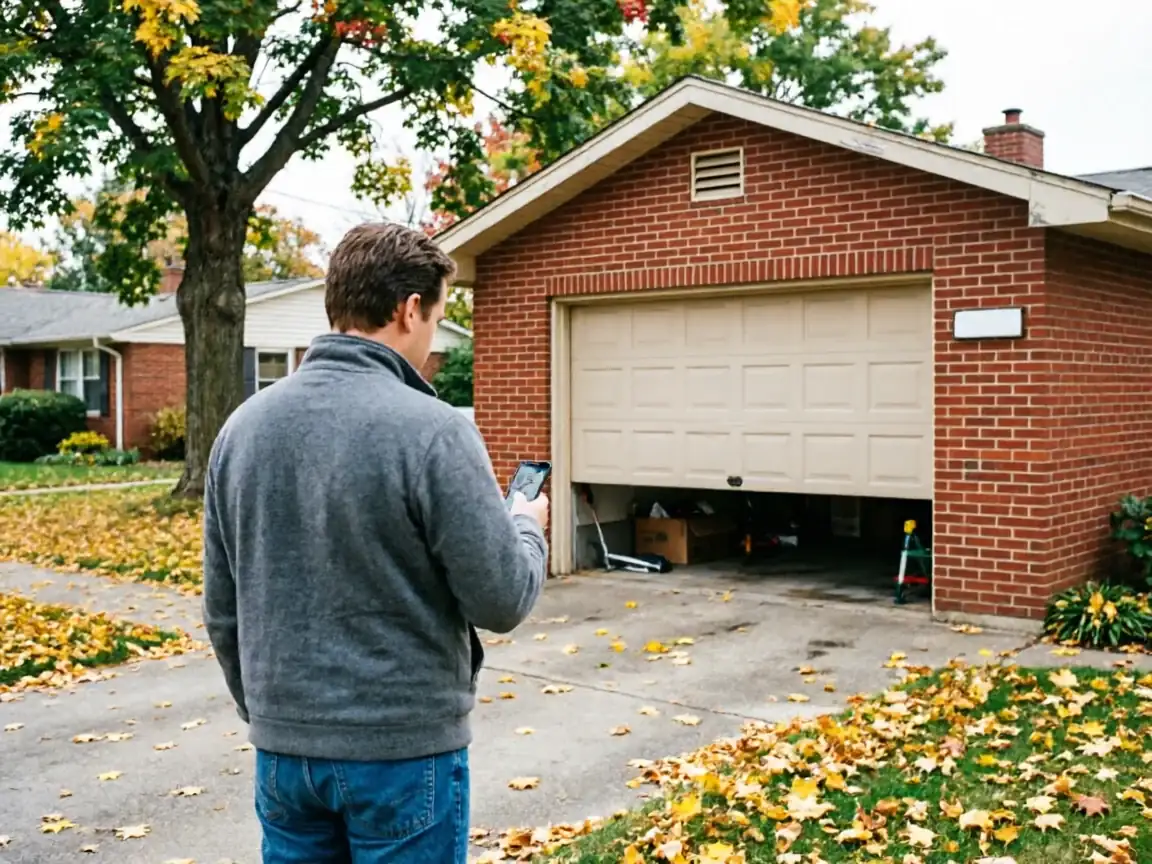
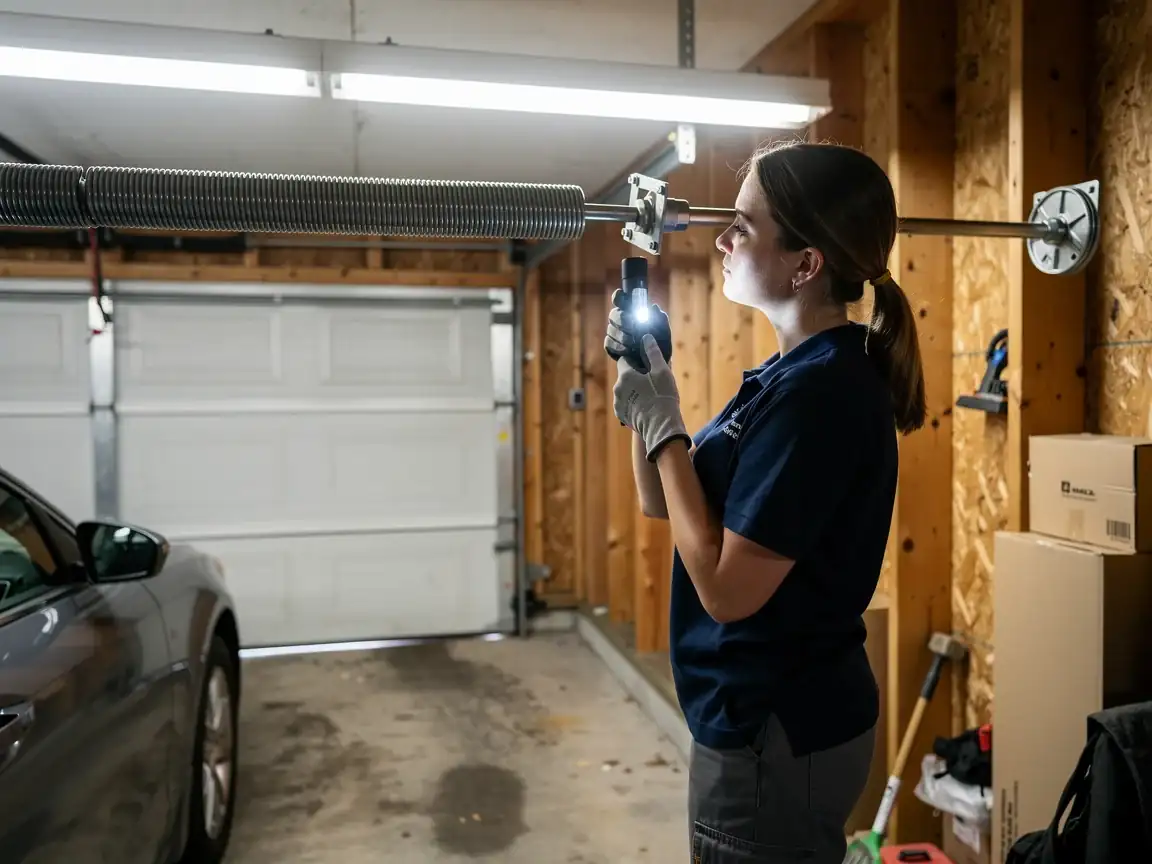
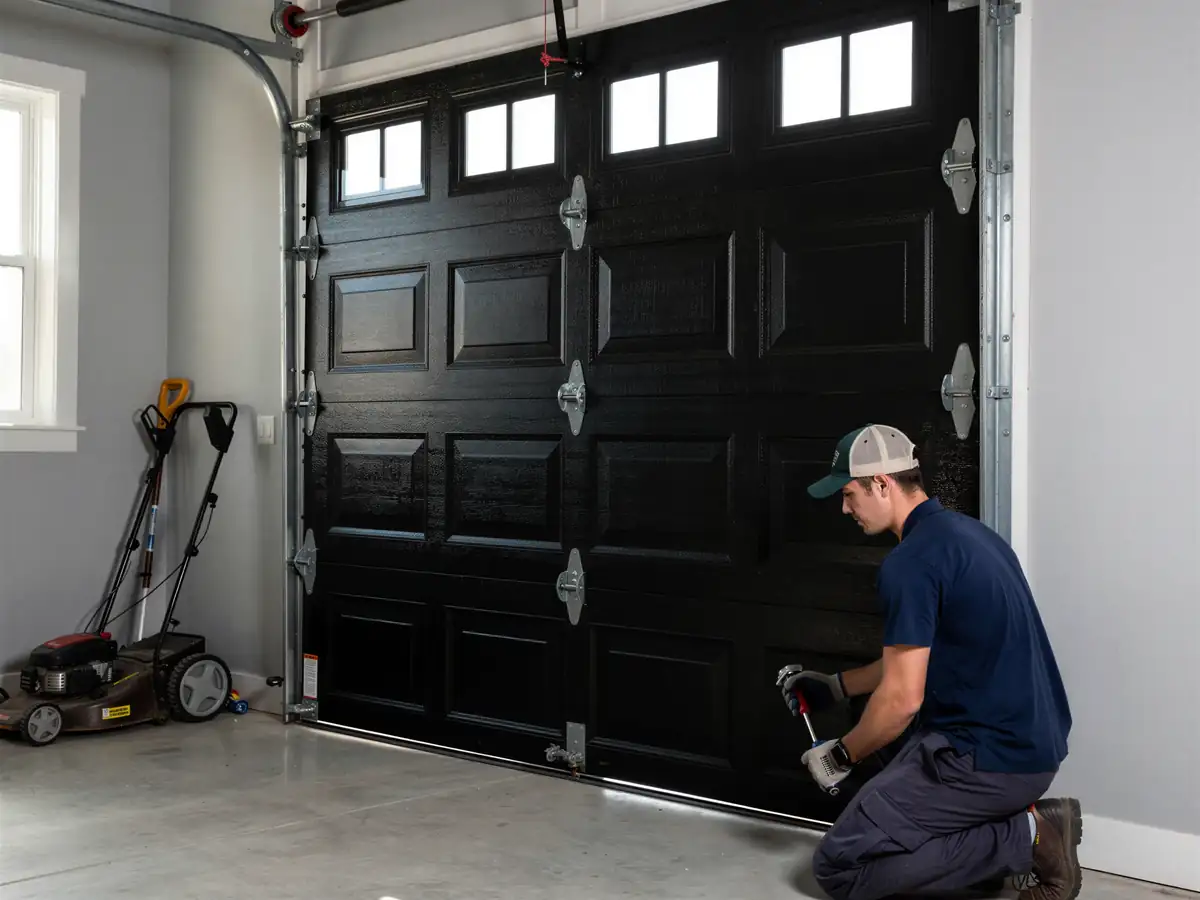
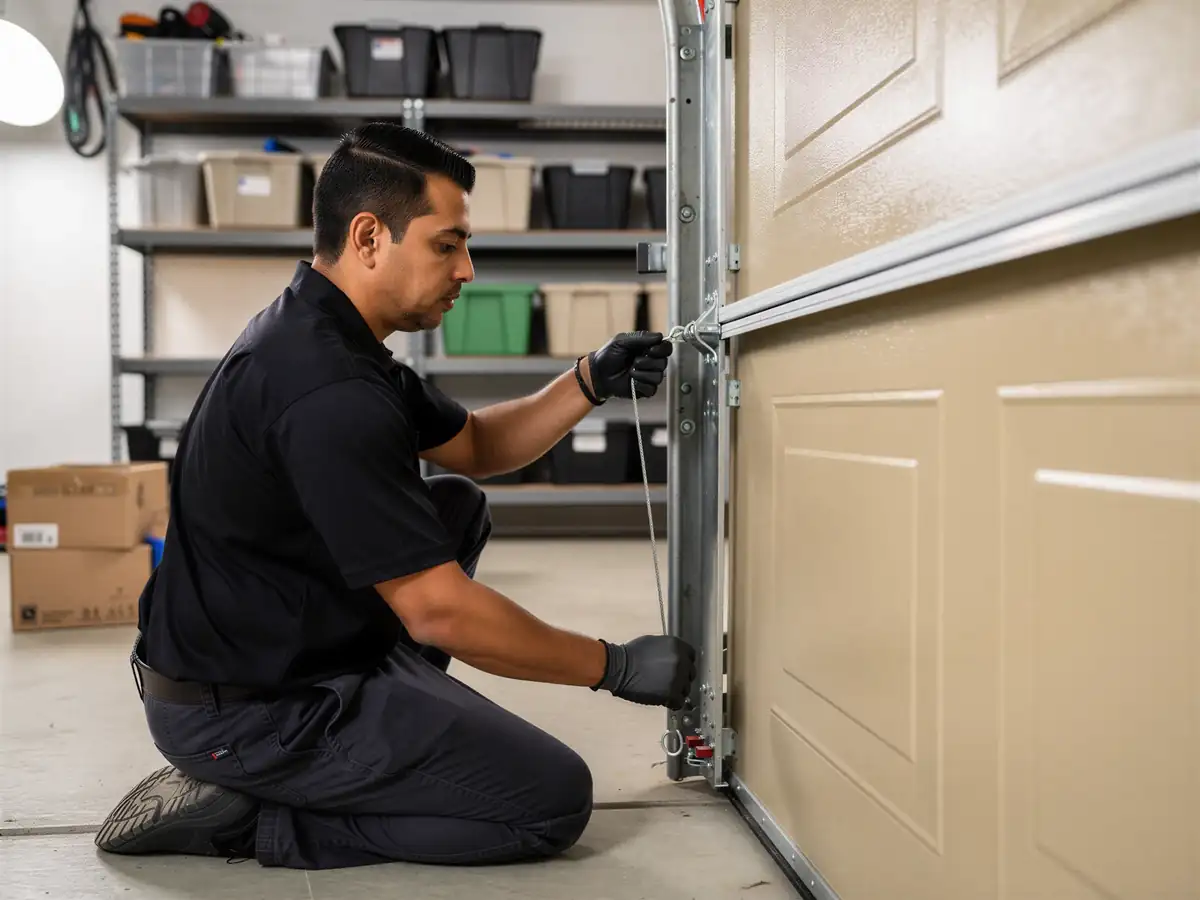
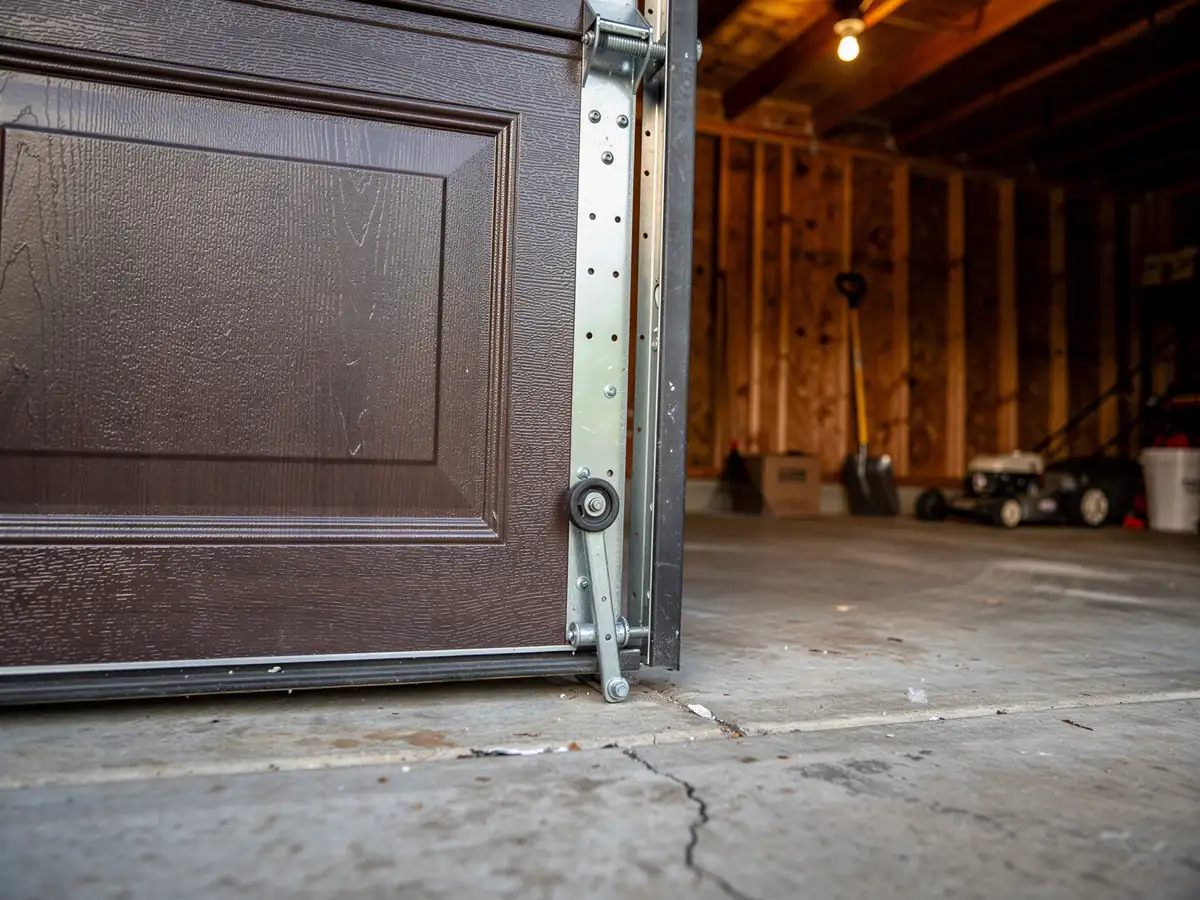
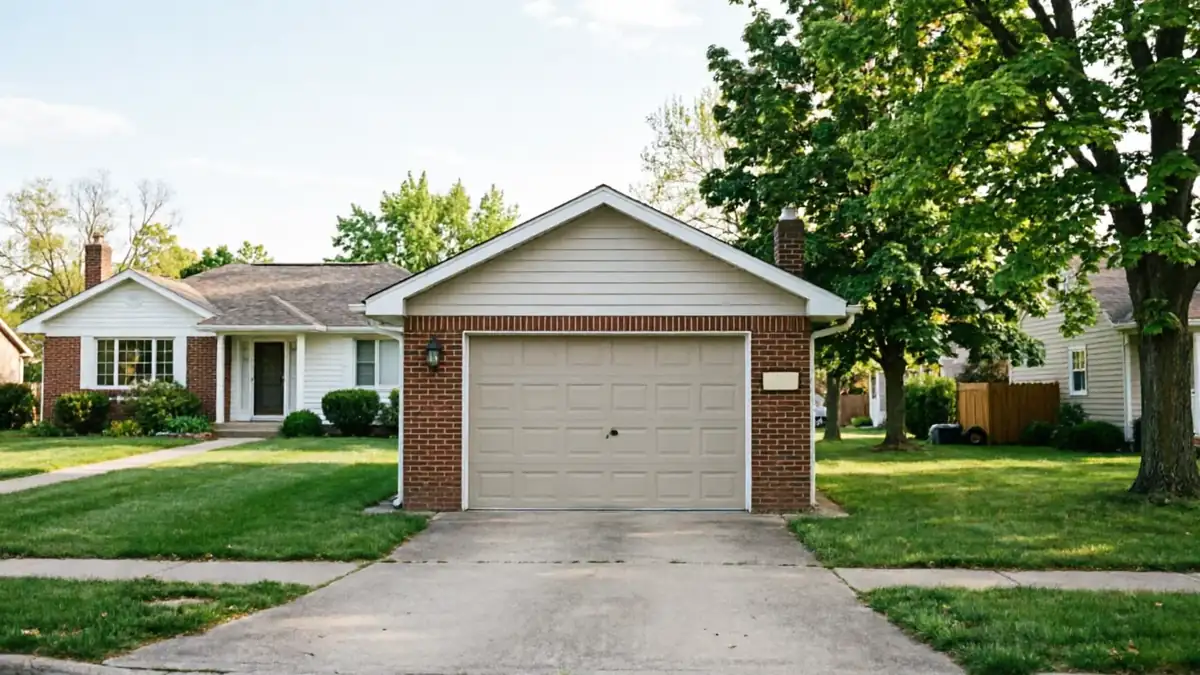
On a detached garage with no shared wall to the house, a dragging track or a spring that's lost tension usually means the door is working twice as hard in winter with no residual heat from the home to help it. If you're hearing a grind on lift, or the door hangs crooked at the top of the track, that's a service call now, not a spring project.
Attached garages give you an early warning system the detached ones don't
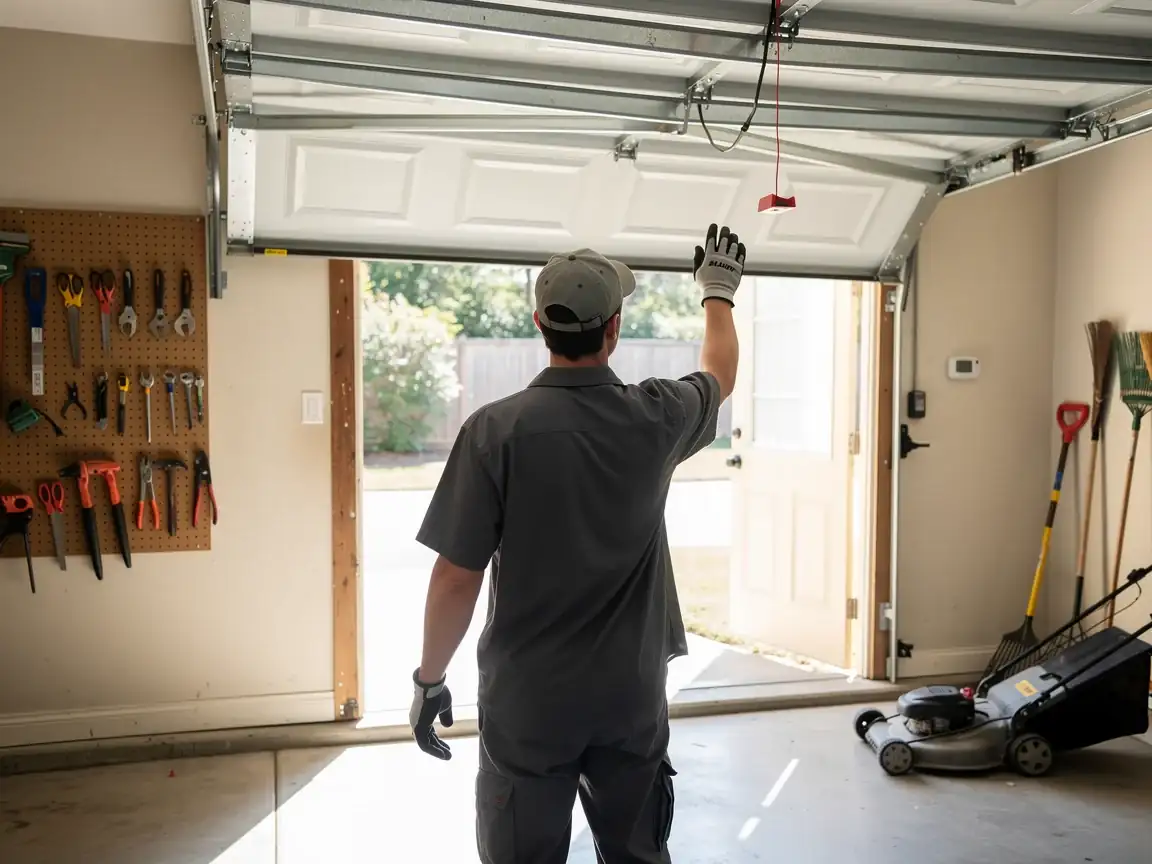
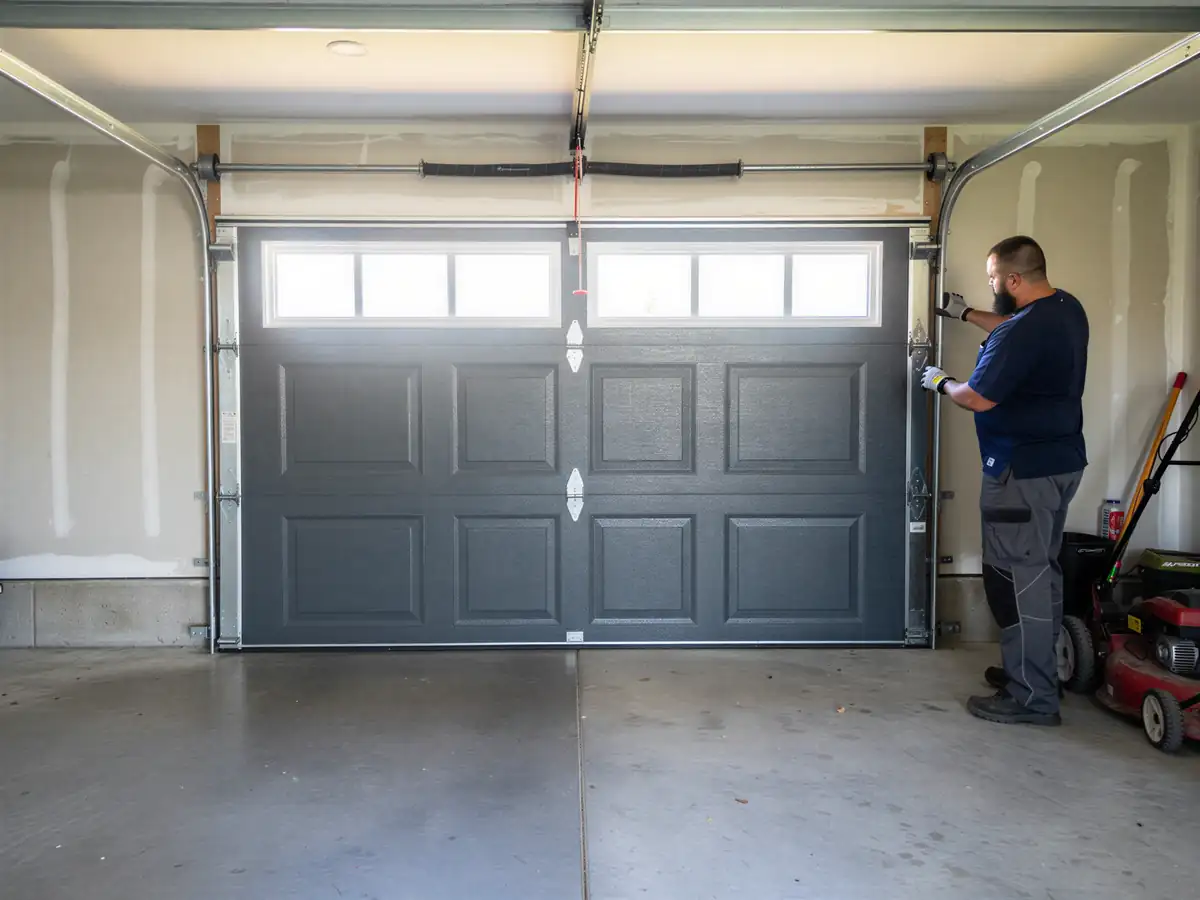
If the door seals poorly, you feel it inside the house first, usually as a cold wall or a cold floor above the garage. If a room next to or above the garage runs noticeably colder than the rest of the house, the door and its weatherstripping are worth a look before you blame the furnace.
Age matters too
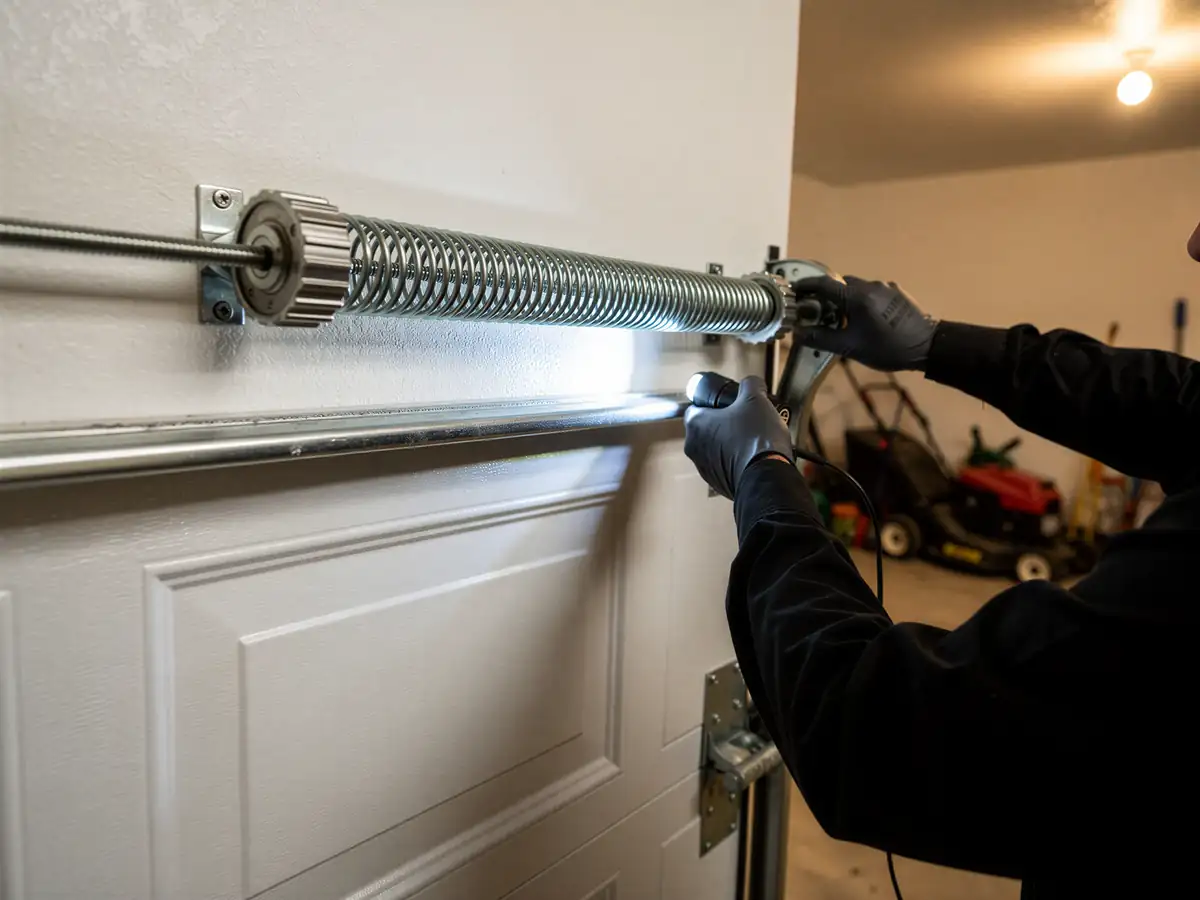
With housing in this area built anywhere from 1938 to 2009 and a lot of it dating to the 1980s and 90s, a lot of original hardware is still in service. If your door and opener haven't been touched since the house was built, don't wait for a full failure to get it inspected - original torsion springs rated for that era's door weight are the most common unplanned-failure call we get.
The Situation
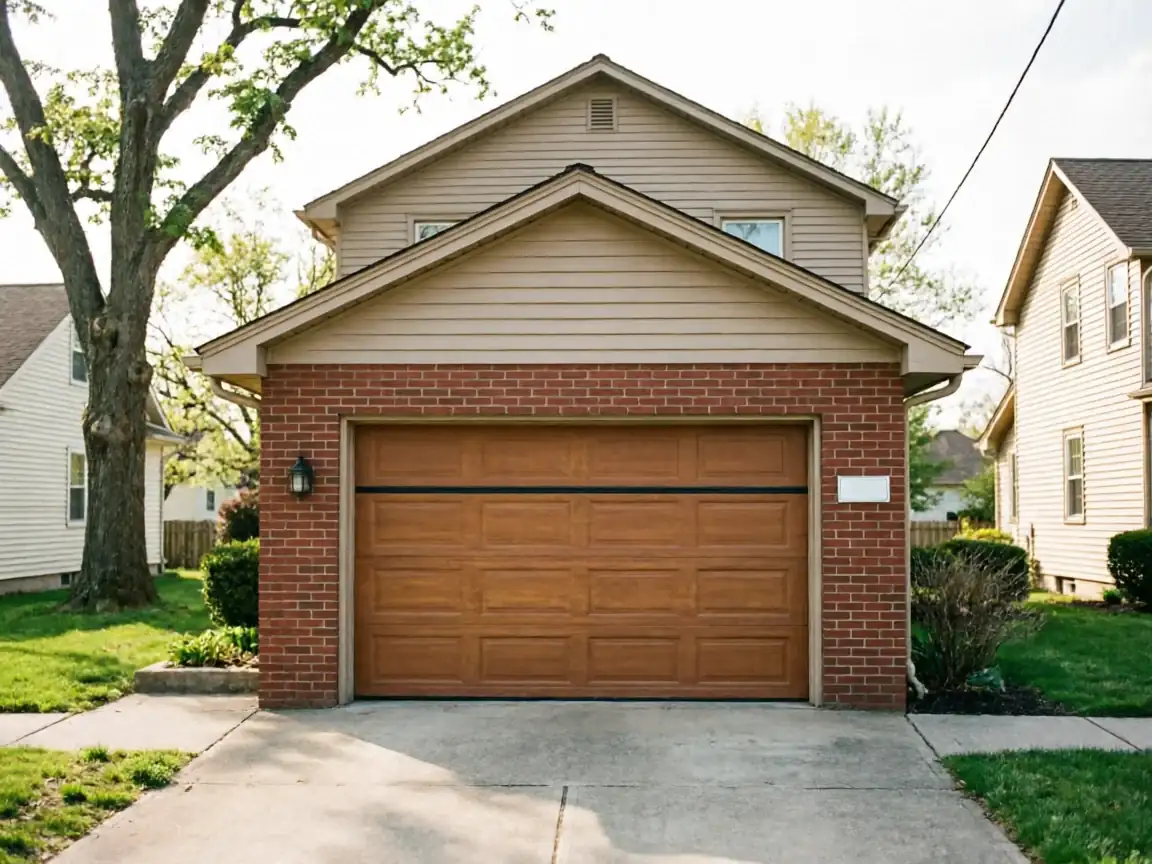
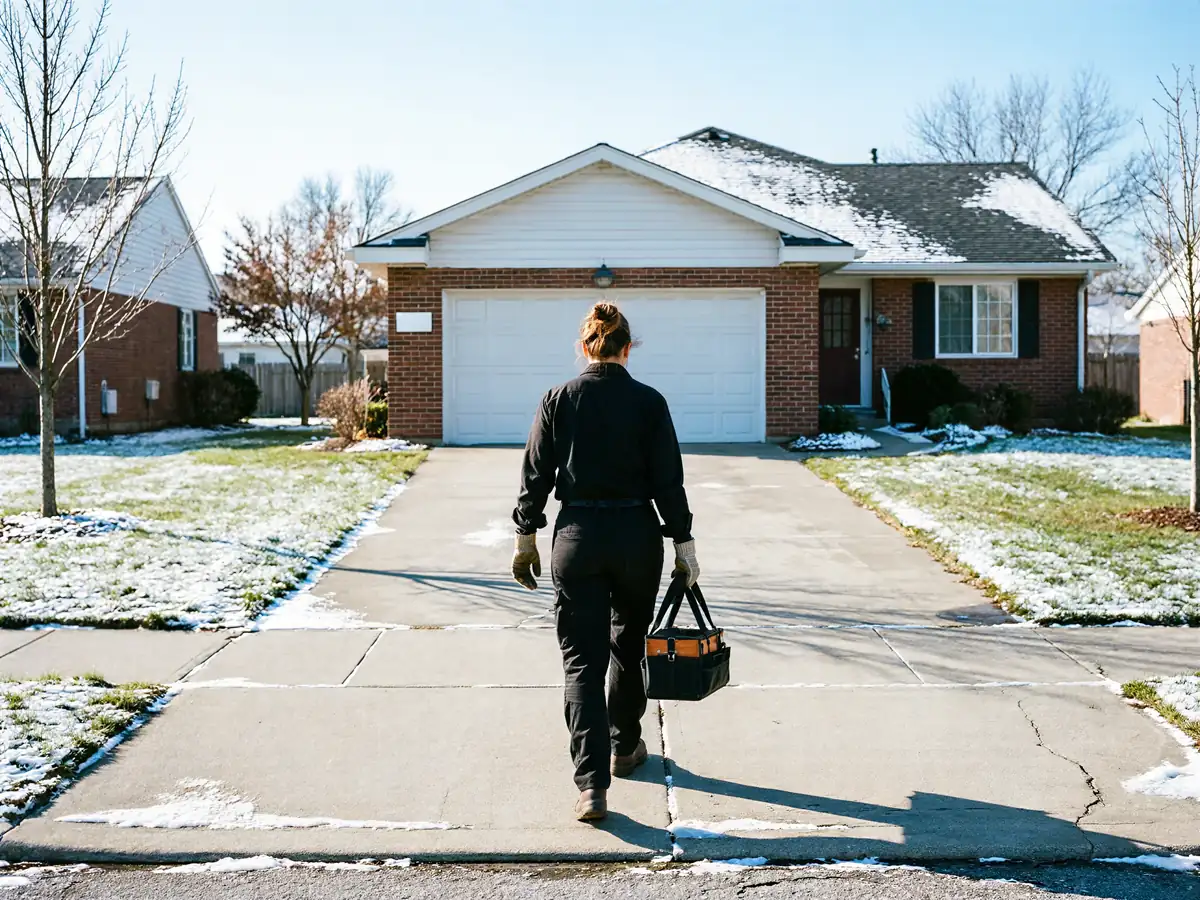
Lake Forest's garage stock splits pretty evenly by era rather than by a single style, which is part of what makes this a real distinction here and not a general talking point. Housing built from 1938 through 2009, with a median year around 1983, means you've got older detached garages built as separate structures - sometimes set back from the house, unheated, with no insulation value from the home at all - sitting alongside newer attached garages built during the 1980s-90s boom that share at least one wall with living space.
A detached door lives in full outdoor temperature swings on every side. There's no residual heat leaking through a shared wall to keep the inside air above freezing, so the steel door itself, the rollers, and the spring all cycle through the same cold the rest of the structure feels. An attached door, even a basic one, benefits from whatever heat bleeds through the house-side wall, which changes how fast lubricant stiffens and how much the door itself contracts.
This isn't cosmetic. It changes which hardware wears first and which repairs are worth doing versus which call for a full door swap.
What Most People Get Wrong
The most common mistake we see is treating a detached garage door like a smaller version of the attached one next door. People buy the same weatherstripping kit, run the same lubrication schedule, and expect the same lifespan out of both. A detached door in a cold-moderate climate band like this one loses heat on every face, so hardware that would hold up fine on an attached door's milder swings wears out faster on a detached structure.
The second mistake is assuming an attached garage door doesn't need winter attention because the garage