What Those Garage Door Sounds Are Telling You in Lake Forest
Lake Forest homes span 1938-2009, mostly 1980s-90s stock, in a cold climate zone. Here's what grinding, popping, or slapping door sounds actually mean here.
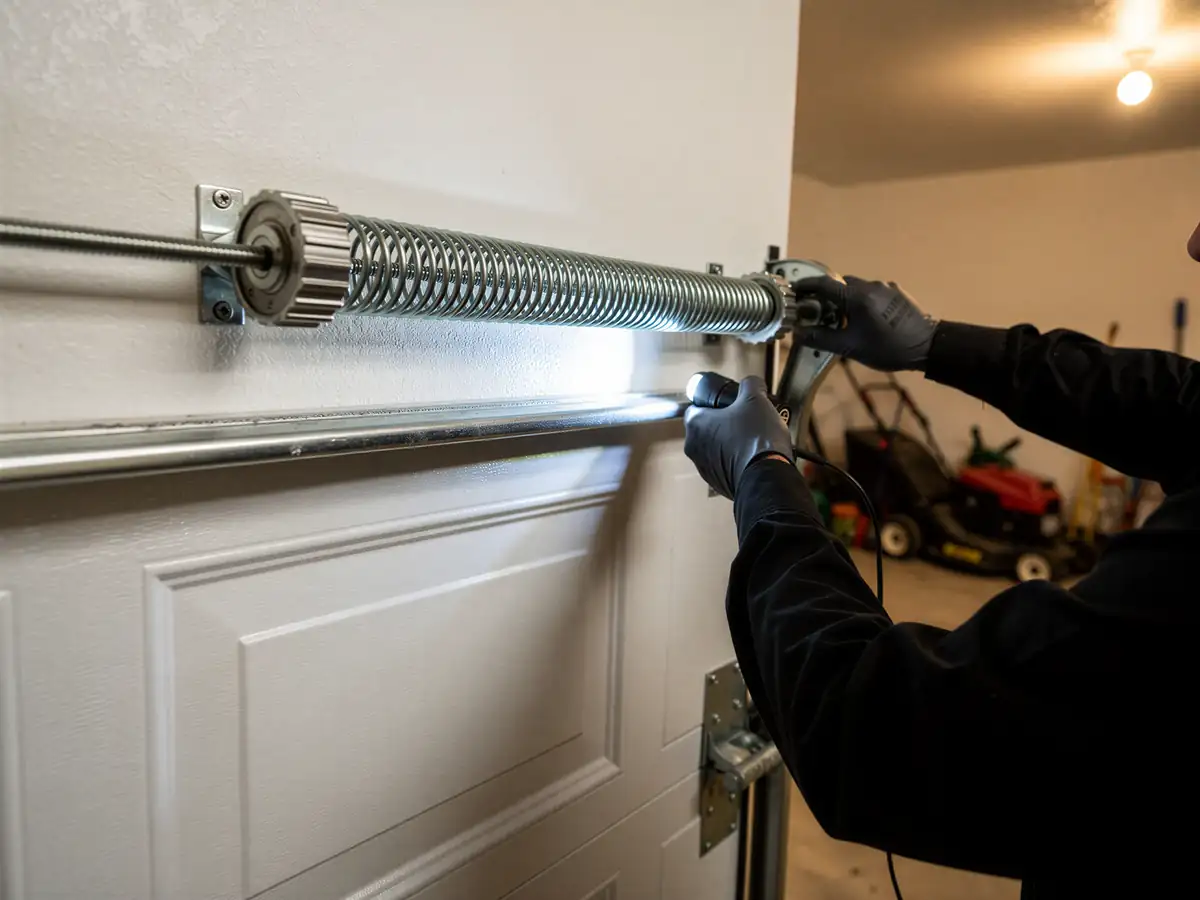
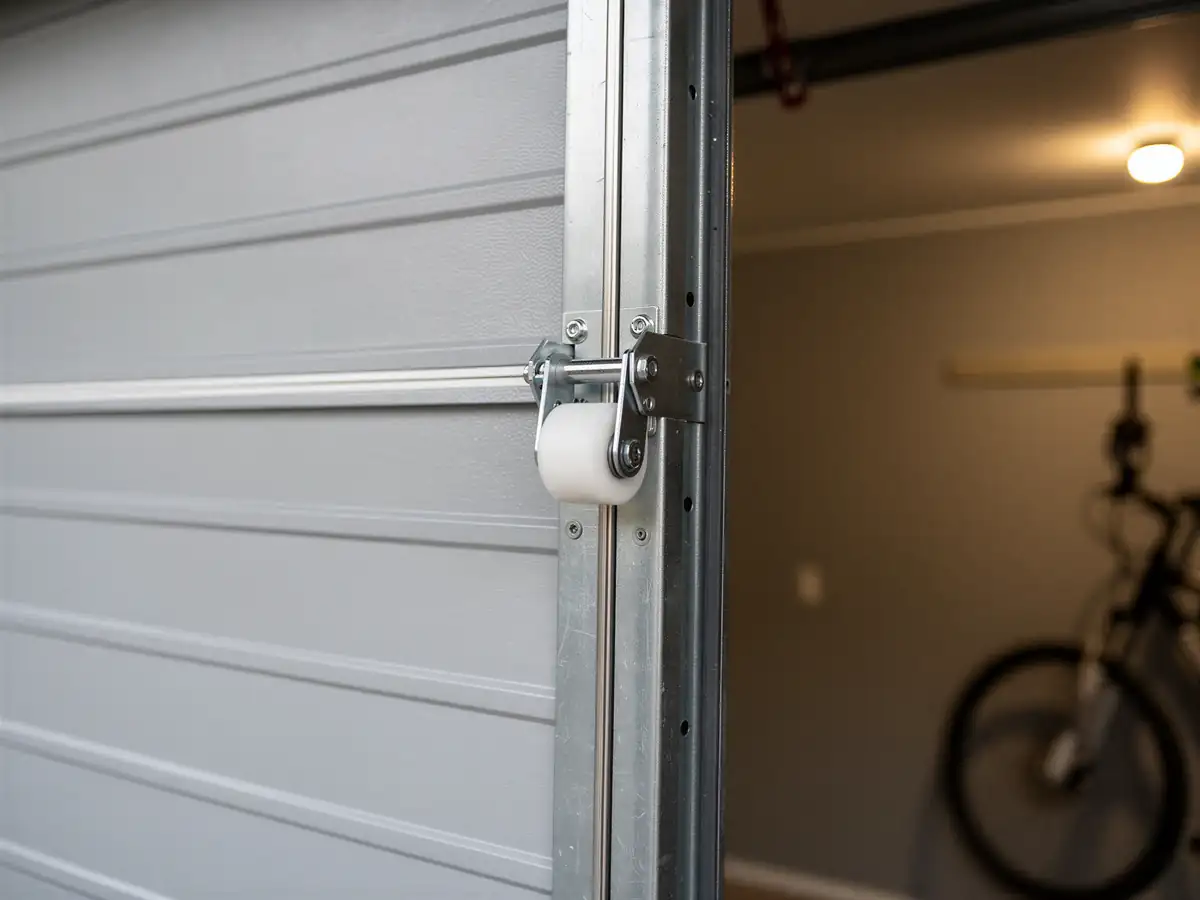
Not every sound means a call tonight, but some do. A sharp bang followed by the door refusing to move is almost always a broken torsion spring - stop using the opener and get it looked at before anyone tries to force the door by hand. A rhythmic thump every few feet usually points to a bent track section or a roller that's worn through its bearing, and that can wait a day or two if the door still opens smooth otherwise. Lake Forest's housing runs from 1938 up through 2009, with most of it dating to the 1980s and 90s, so a lot of what's in these garages right now is original equipment well past its intended service life. If your door was put in when the house was built and it's started grinding, popping, or dragging, that's age talking, not a one-time fluke. Screeching on a cold morning that goes away by afternoon is different from a grind that's there every time - the first is usually lubrication, the second is usually hardware wearing out. We'd rather get a call for a noise that turns out to be nothing than a call after a cable snaps with the car halfway out.
The Situation
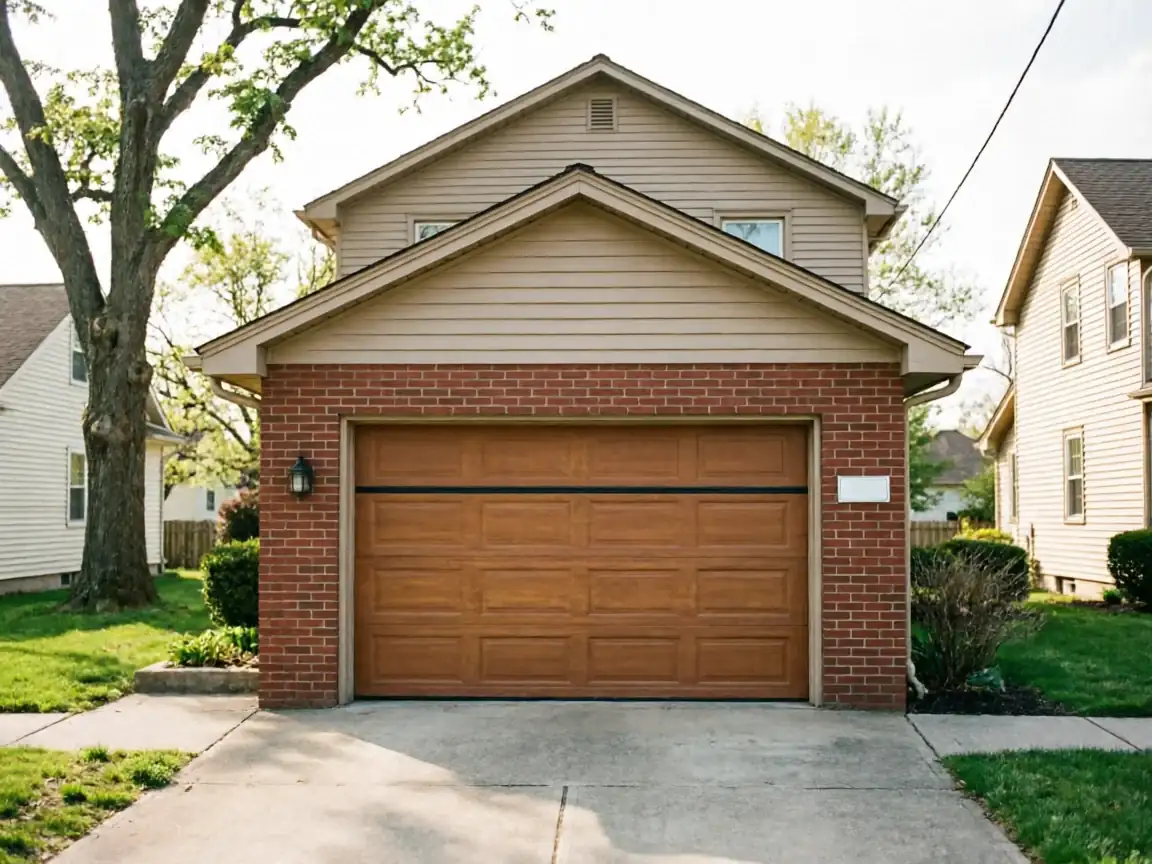
Most of the doors we get calls on here were installed somewhere in that 1983 median window - early 1980s through late 90s - which puts an awful lot of torsion springs, rollers, and cable drums at or past the cycle count they were built for. That's not a guess about one house; it's the shape of the housing stock across the 53 named areas that make up this territory. A spring rated for roughly 10,000 cycles doesn't care what year it is on the calendar - it cares how many times it's lifted that door, and a door from the Reagan era has had a lot of mornings. What we see is less "broken" and more "wearing out in the order you'd expect": springs first, then rollers, then cable fray at the drum. The noise is usually the early warning, not the failure itself. Houses built closer to 2009 tend to have galvanized torsion springs and nylon rollers as standard, which run quieter longer, but even those start talking after a decade or two of winters. Age of the house is a rough guide to what's likely wearing, not a guarantee - plenty of owners have replaced springs once already and are on newer hardware than their house would suggest.
What Most People Get Wrong
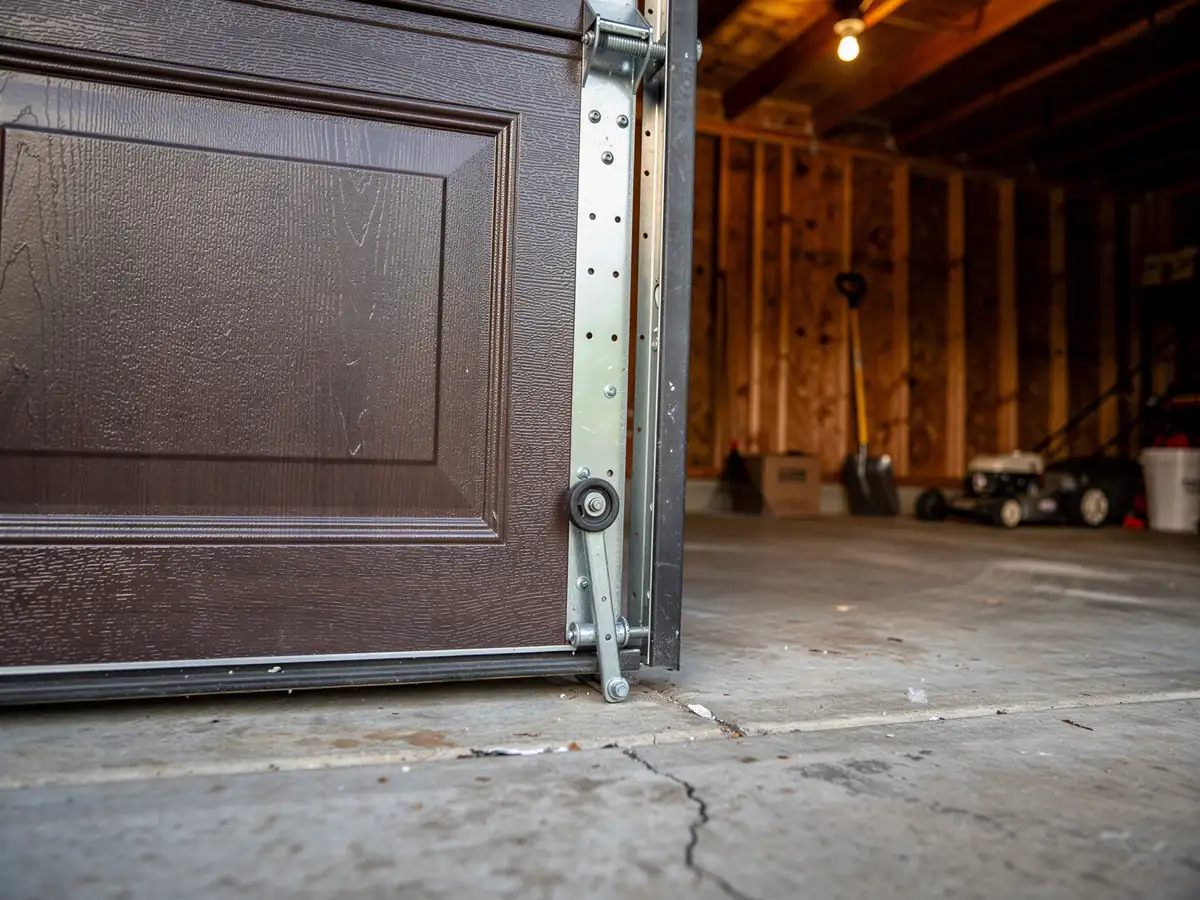
The most common mistake is spraying something on a squeal and calling it fixed. A noisy roller or hinge often quiets down for a week or two after lubricant, then comes back louder, because the sound was never really about dryness - it was wear in the bearing or the roller stem. The second mistake is waiting for a noise to get worse before doing anything, which works fine for some parts and fails badly for others. A spring doesn't ease into failure - it holds until it doesn't, and when it goes, it goes under full tension. The third mistake, more specific to this area's climate, is blaming every noise on the cold. Cold matters here, but it's not the only cause, and if a door is grinding in July the way it did in January, the climate isn't the problem - the hardware is. We'll say plainly that not every noisy door needs replacing. A lot of what we fix is a $20-30 part on a door that's otherwise sound, and we'd rather tell you that than sell you a new door you don't need yet.
What Local Conditions Do
Lake Forest sits in a cold moderate climate band, and that does real things to a garage door, separate from how old it is. Winter contraction tightens torsion springs and can make a coil that was fine in October start squealing on the first hard freeze - the metal is literally shrinking against itself. Grease that spread smoothly on tracks in summer thickens in the cold, and a door that glided in August can drag and chatter in February on the exact same hardware. Ice buildup at the bottom seal is another one - it doesn't damage the door, but it can make the opener strain and groan trying to break the seal free before it lifts, and that strain shows up as noise at the bottom of the travel, not the top. None of this is specific to one house; it's what a cold winter does to steel, rubber, and grease anywhere stock gets this kind of seasonal swing. The honest limitation here: we can't diagnose a noise over the phone with any real confidence. Cold-weather symptoms and worn-hardware symptoms can sound almost identical, and guessing wrong means either an unnecessary part or a missed one.
How it works
From “it’s stuck” to “it’s fixed”
01
Tell us what’s wrong
Describe the symptom - won’t open, loud bang, opener runs but the door won’t move.
02
On-site diagnosis
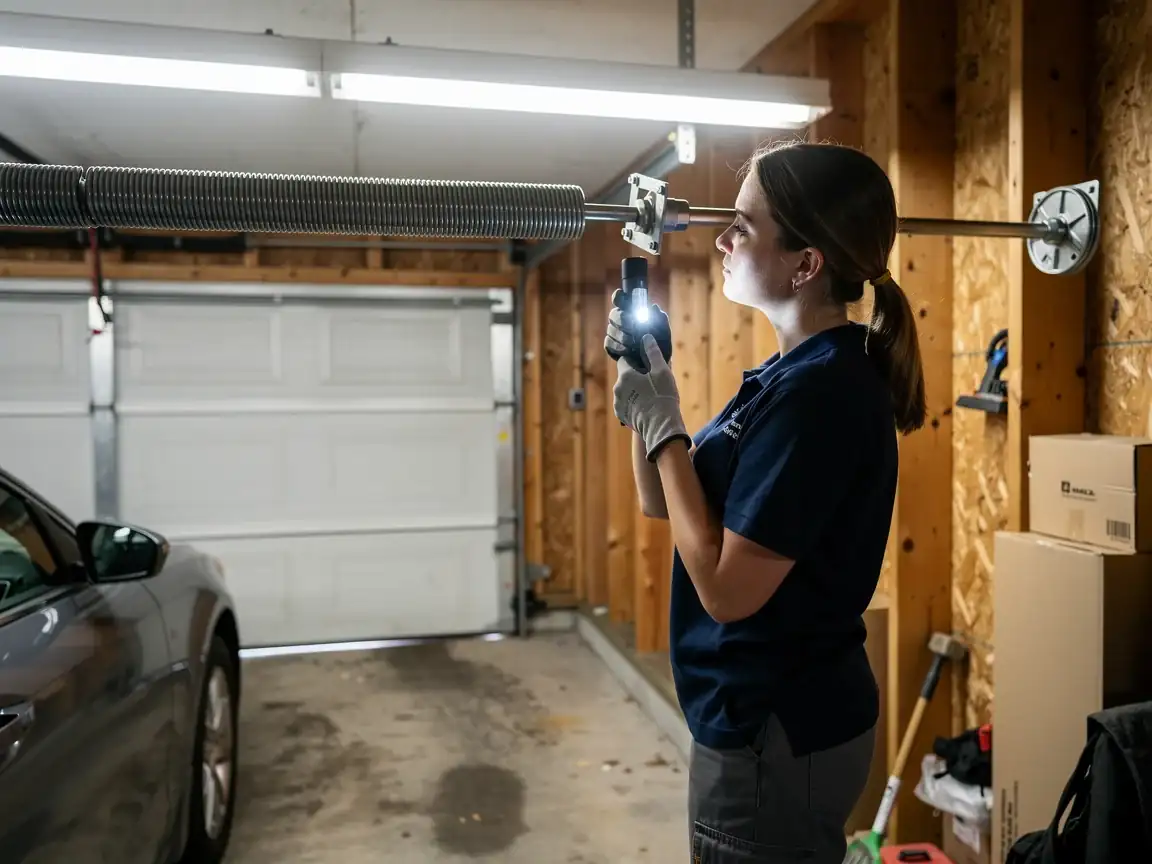
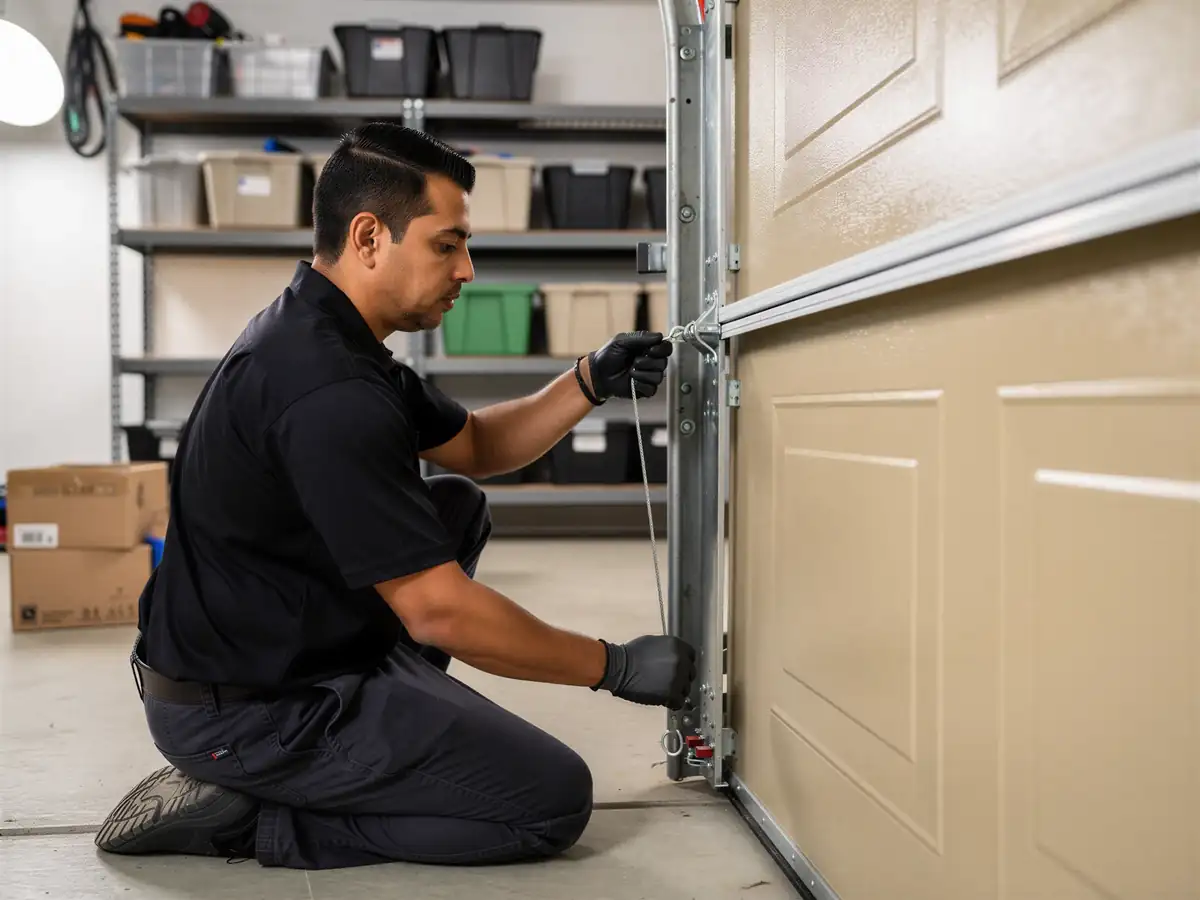
A technician tests the door under power and by hand and finds what actually failed.
03
Clear, up-front plan
You get the fix that’s needed and what drives the cost - before any work starts.
04
Repaired & tested
The repair is done, the door is set true and tested, and the work area left clean.
Not sure which repair your door needs in Lake Forest, IL? Describe what it’s doing - every job starts with a diagnosis.
My door is loud in winter but fine in summer - is that just the cold?
Often yes. Grease thickens and metal contracts in a cold climate like this one, which can make a door noisier in January without anything actually being broken. But if the noise doesn't fully go away once things warm up, or it's getting louder each winter, that's wear underneath the seasonal effect, not just the cold.
My house was built in the 1980s and the door's never been replaced - should I be worried?
Not worried, but attentive. A door from that era is well past typical spring cycle life, and that's exactly the age range common across this area. If it's running quiet and smooth, there's no rush. If it's started grinding or the spring looks stretched or gapped, that's worth a look before it fails under tension.
Is it ever not worth repairing?
Sometimes. If the door itself is original to a house from the early part of that 1938-2009 range and several systems are failing at once - springs, rollers, and panel rust together - replacing the whole door can cost less over time than fixing it piece by piece. We'll tell you when we see that, not push it on everything.
Ready to get your garage door sorted?
Tell us what it’s doing and where you are in Lake Forest - we’ll take it from there.