Why This Fails Locally
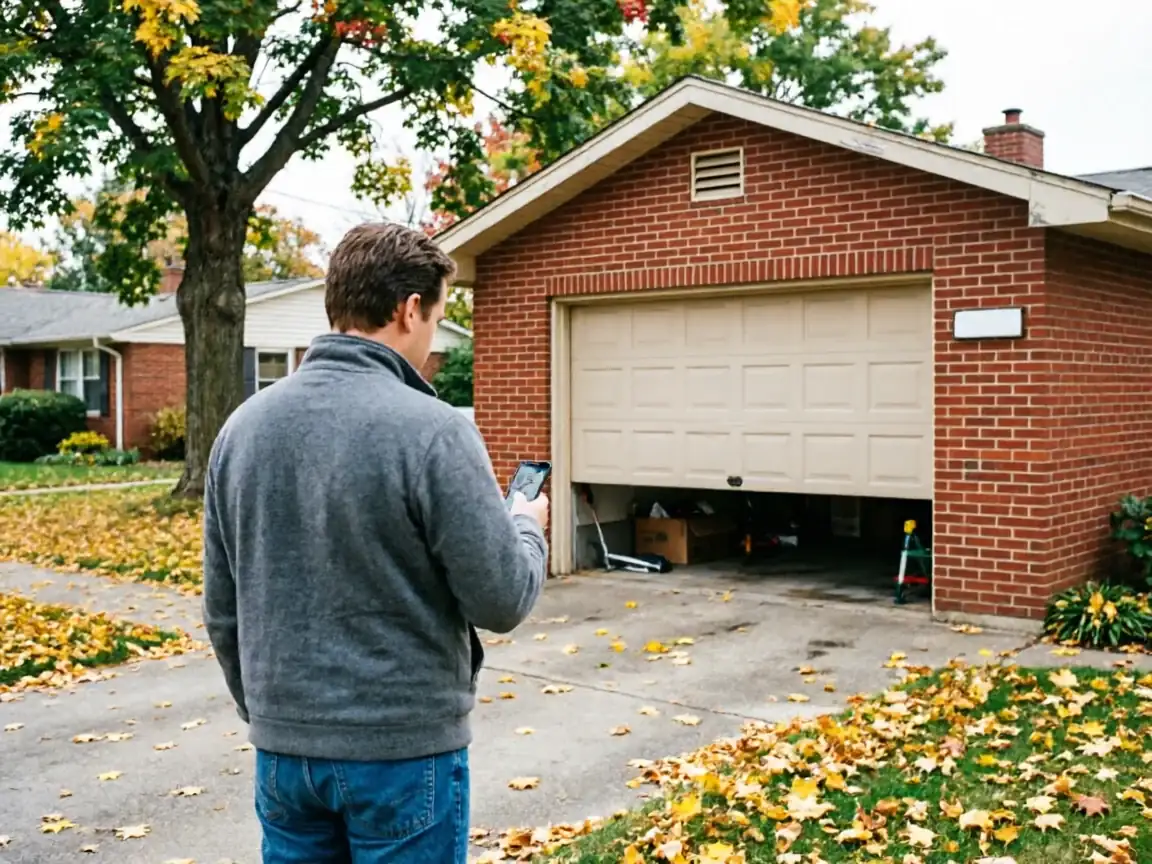
Lake Forest's housing runs from 1938 through 2009, with the median build year landing in 1983
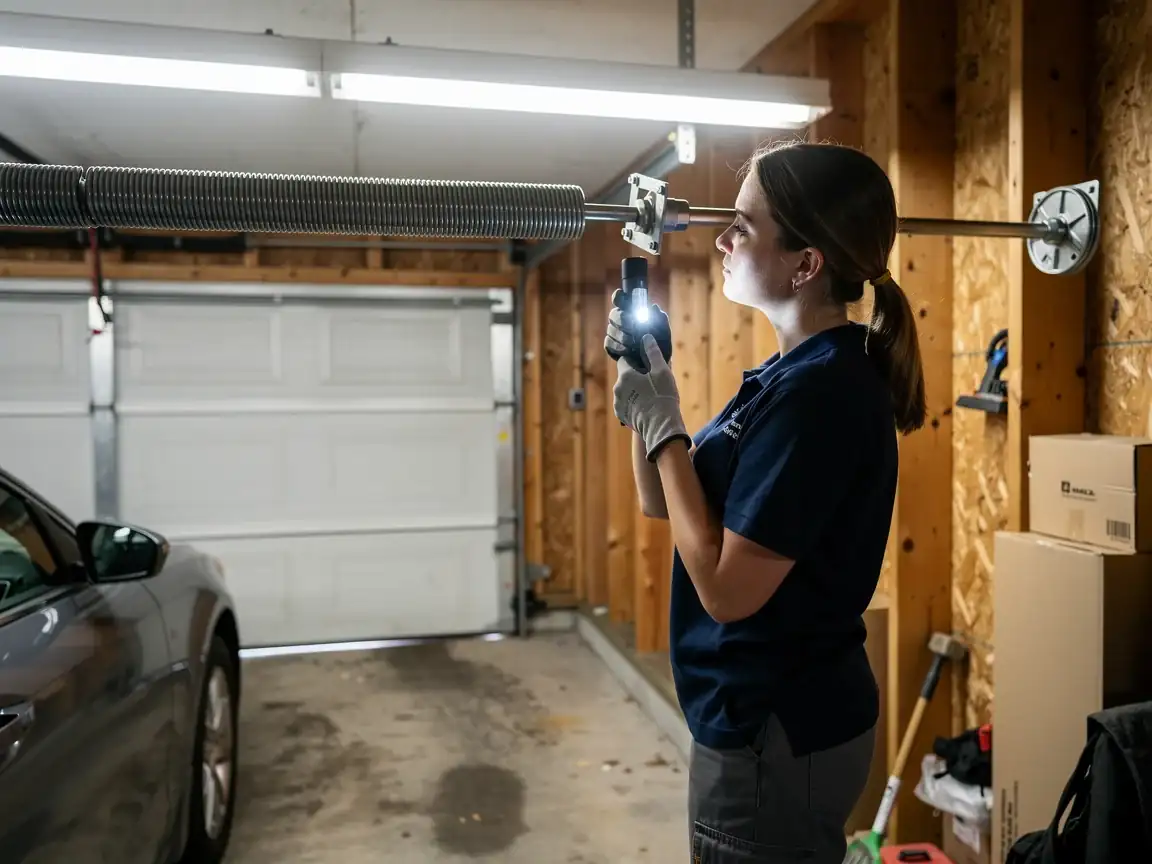
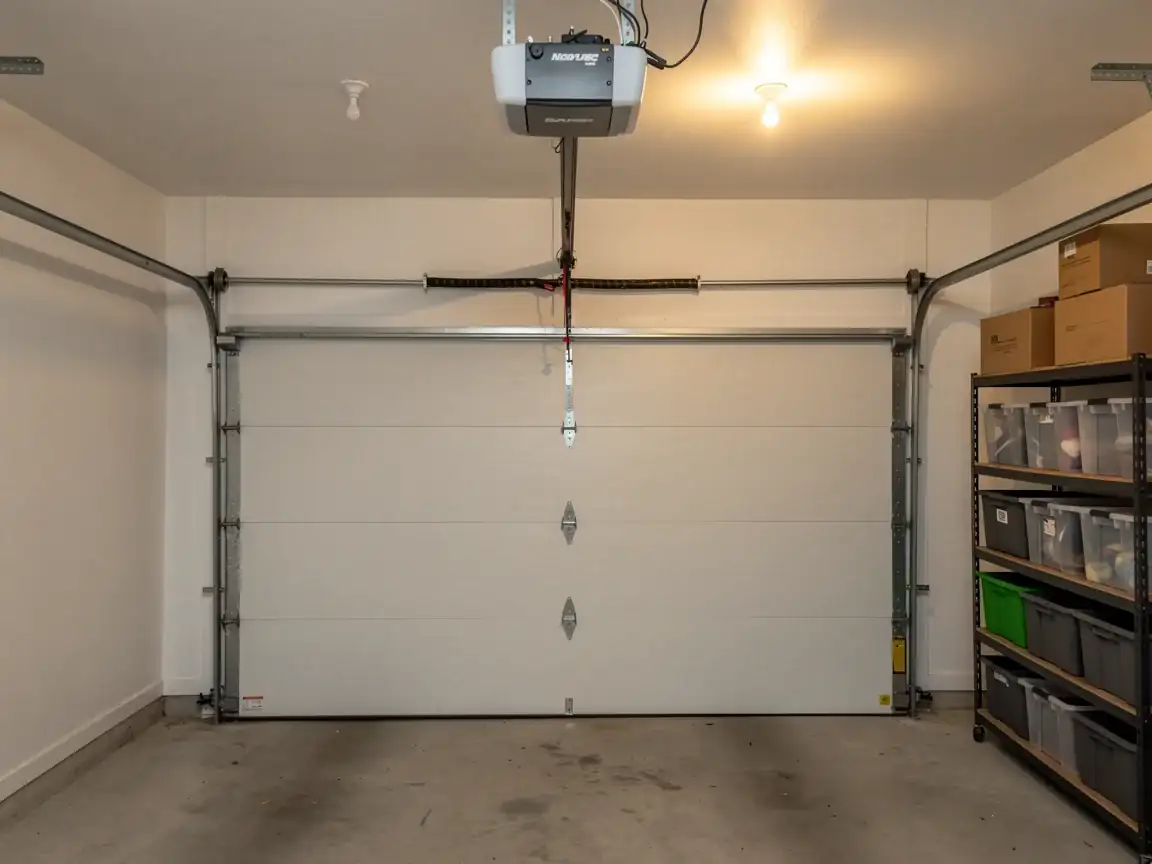
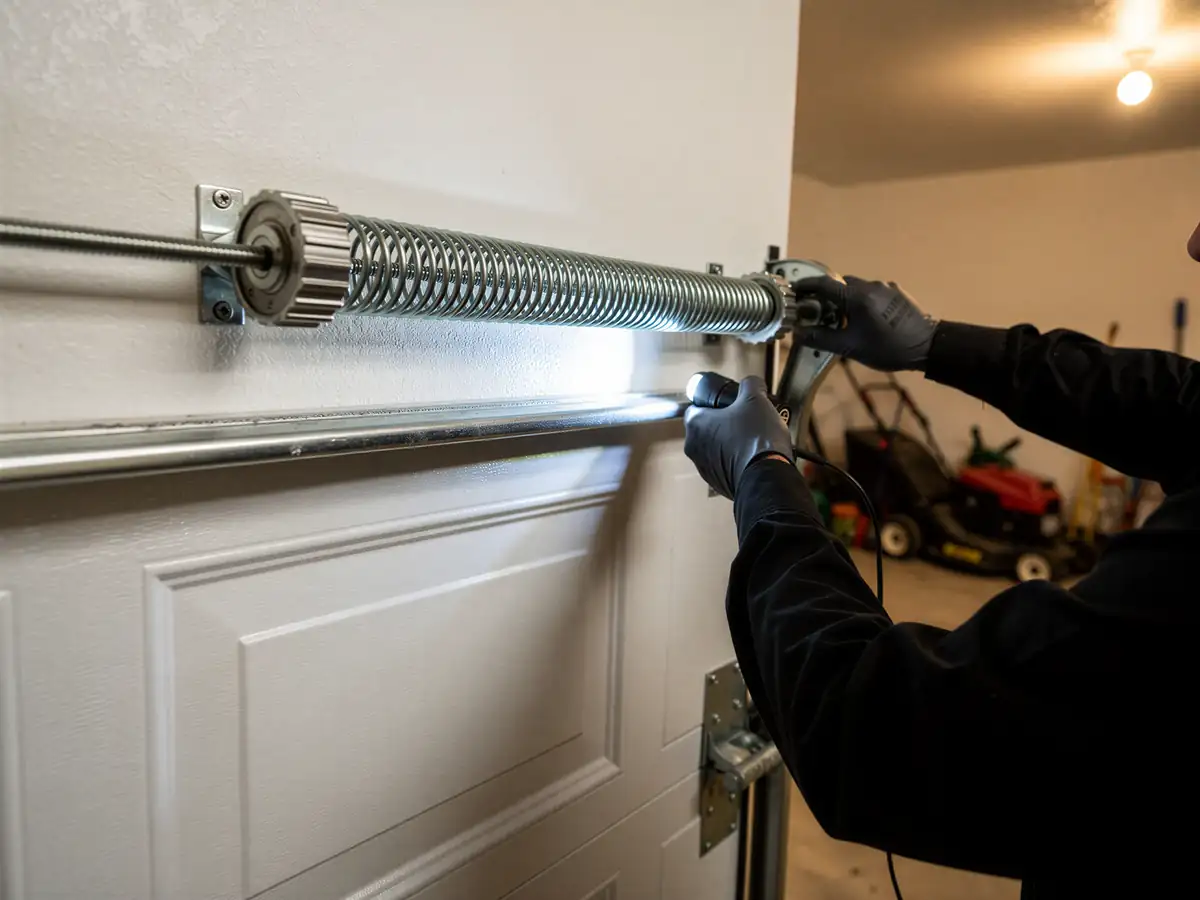
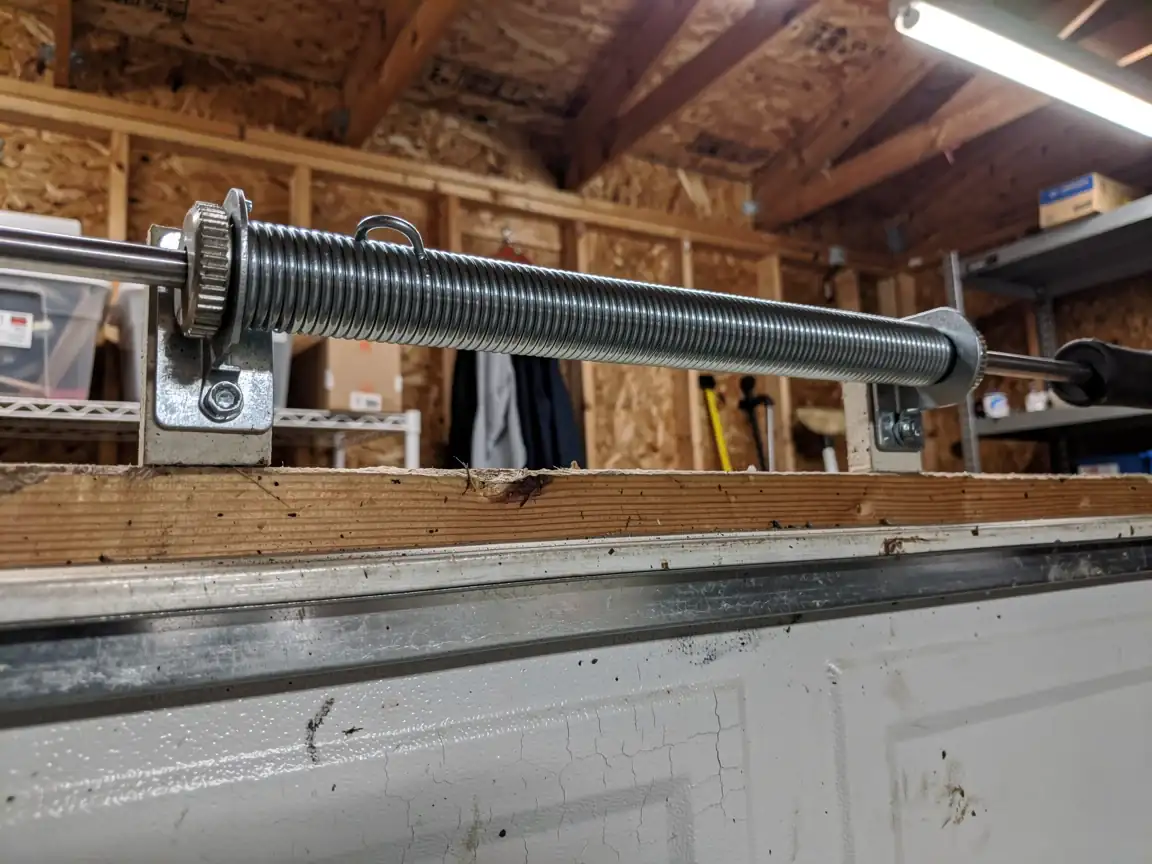
That matters more than most homeowners realize, because a door and opener installed in the early-to-mid 1980s is now pushing forty years old, and the torsion springs on that door were never rated to last that long. A spring is a wear part. It has a cycle count, usually somewhere around 10,000 open-and-close cycles, and a door original to a 1983 build has been through that many times over.
The cold is the other half of it
This area sits in a moderate-cold climate band, which means real freeze-thaw cycles every winter, not just an occasional cold snap. Steel contracts in the cold. Lubricant thickens. Nylon rollers that were fine in September start binding in January. None of this is dramatic - it's just steady wear that happens faster here than it would somewhere with a mild winter, and it happens on schedule with houses built in that 1938-2009 window because that's when the original hardware was put in and never swapped.
We're not guessing at this
It's the pattern we see call after call: a door from the 1980s or 90s, original springs, original rollers, and a winter that finally finds the weak point.
How It Shows Up
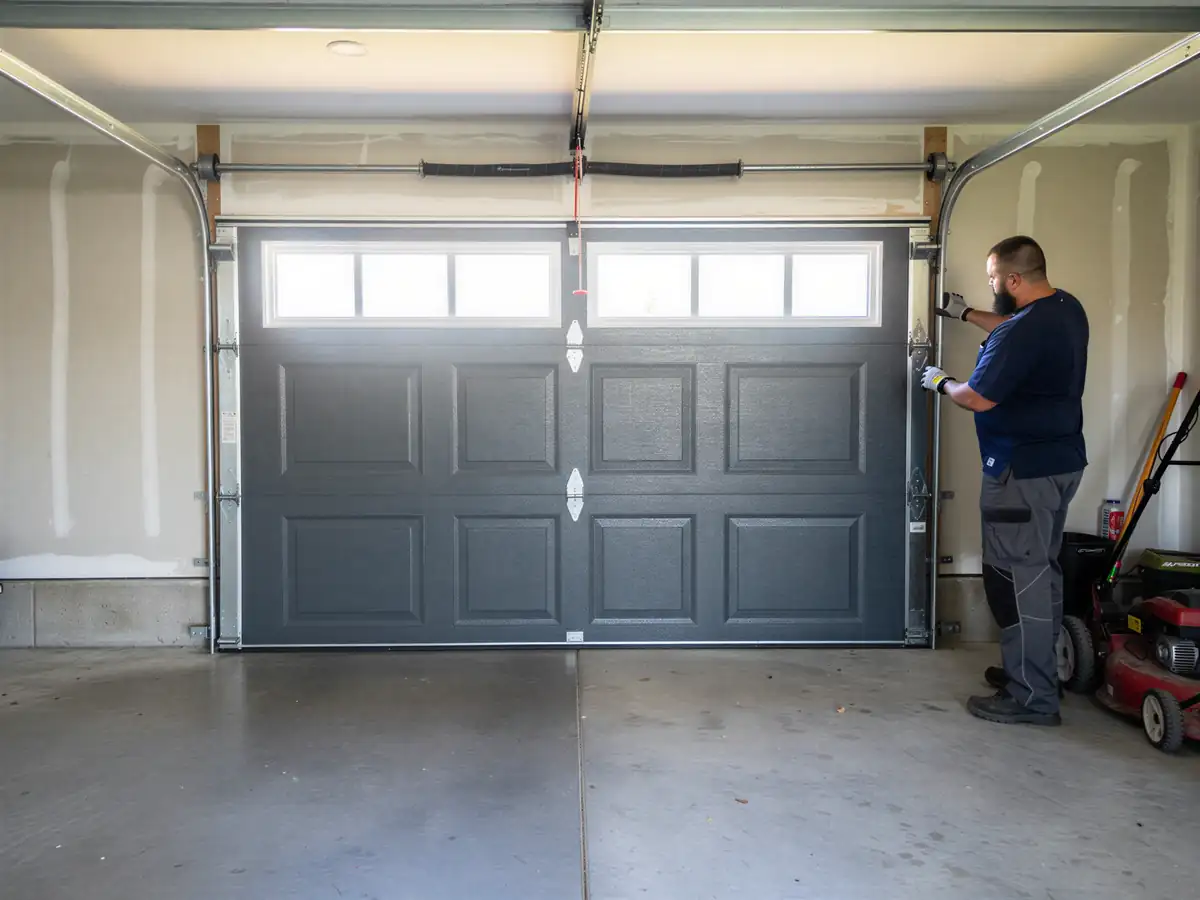
The most common version: the door won't open, or it opens about six inches and stops. That's almost always a broken torsion spring - on a door this age, both springs are usually close to failing even if only one has snapped, since they were wound and installed at the same time.
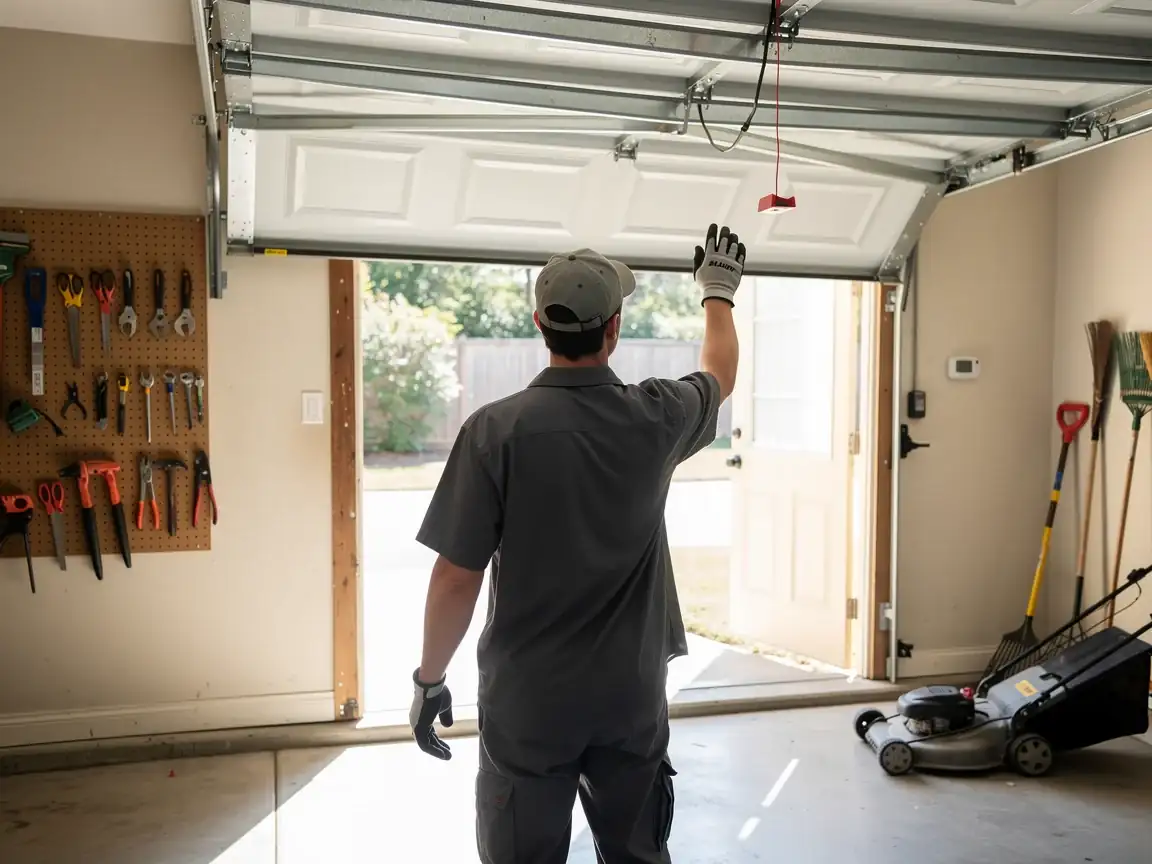
Second most common: the opener runs but the door doesn't move, or it reverses halfway up. That's often a worn drive gear or a chain that's stretched past where the opener's travel limits can compensate - again, a part with a service life that a 1983-vintage door has simply outlived.
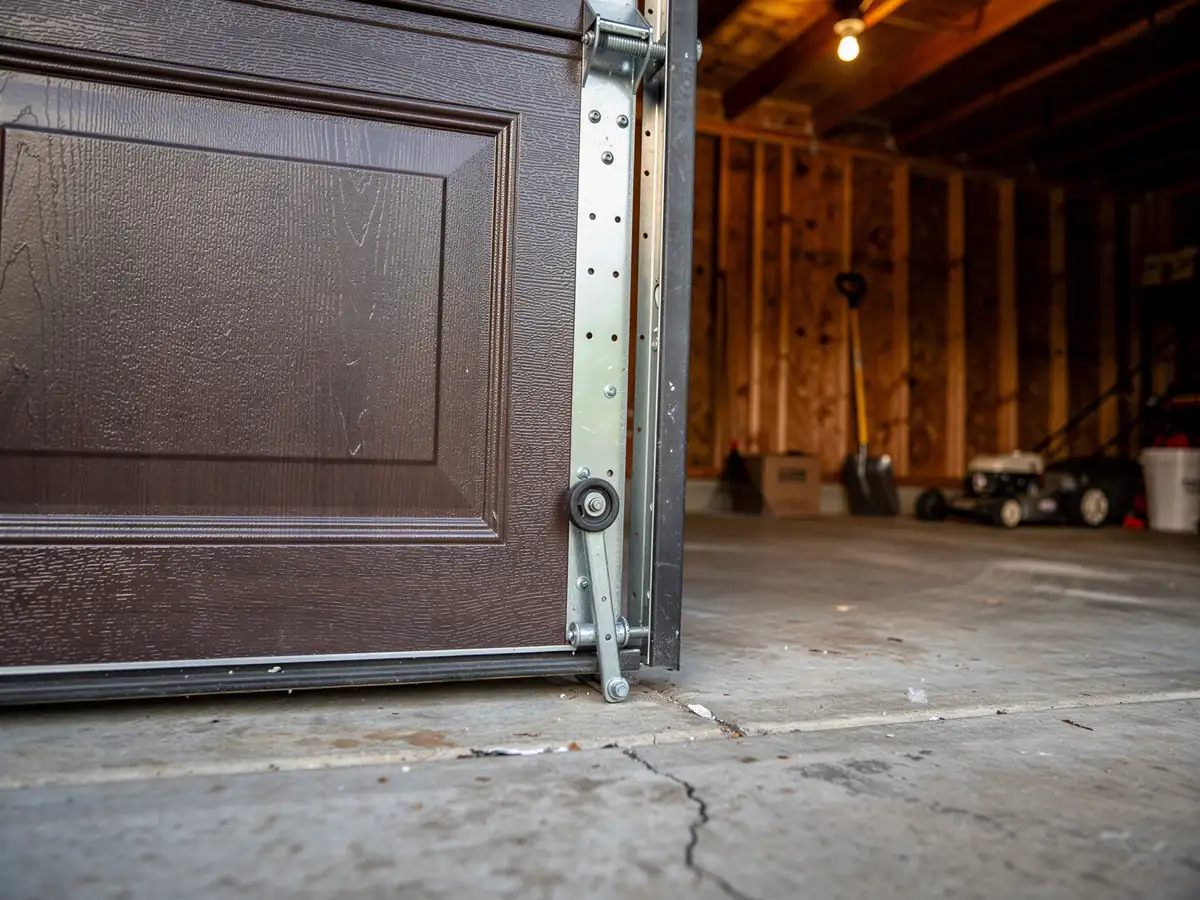
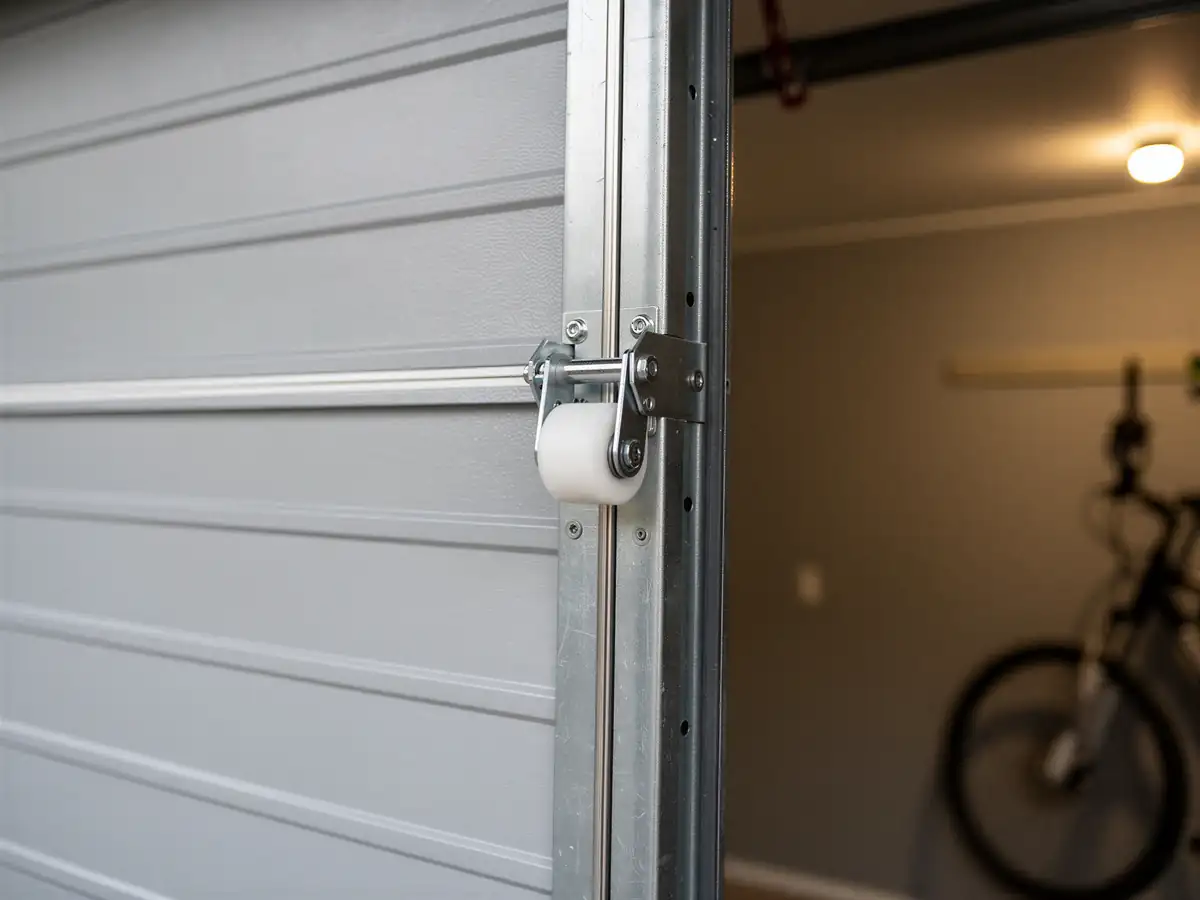
Third: grinding or popping from the track, worse in cold weather. That's usually a roller that's hardened and cracked, or a track that's gone slightly out of alignment as the house has settled over four decades. You'll notice it most on the first really cold mornings of the year, when everything is tight and stiff before the door's done its first cycle or two.
How We Fix It
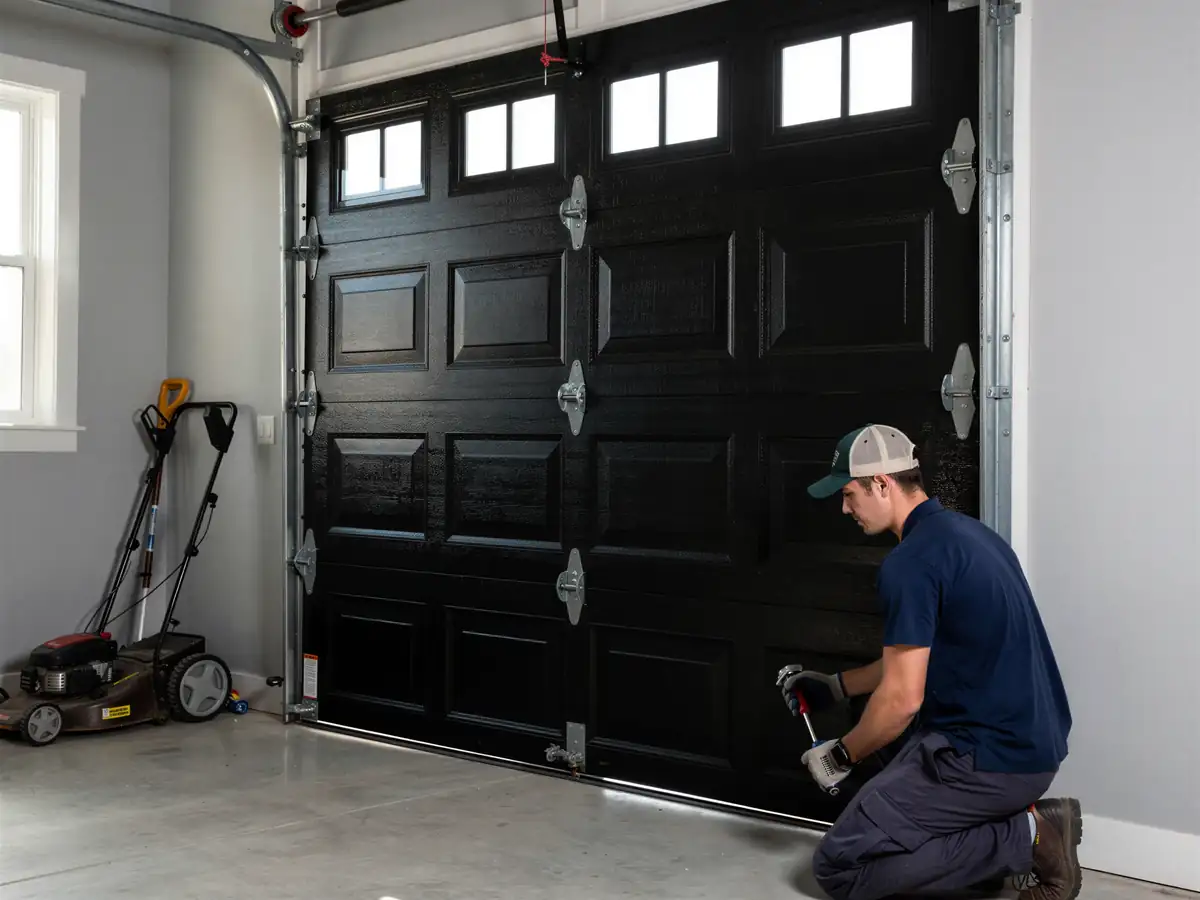
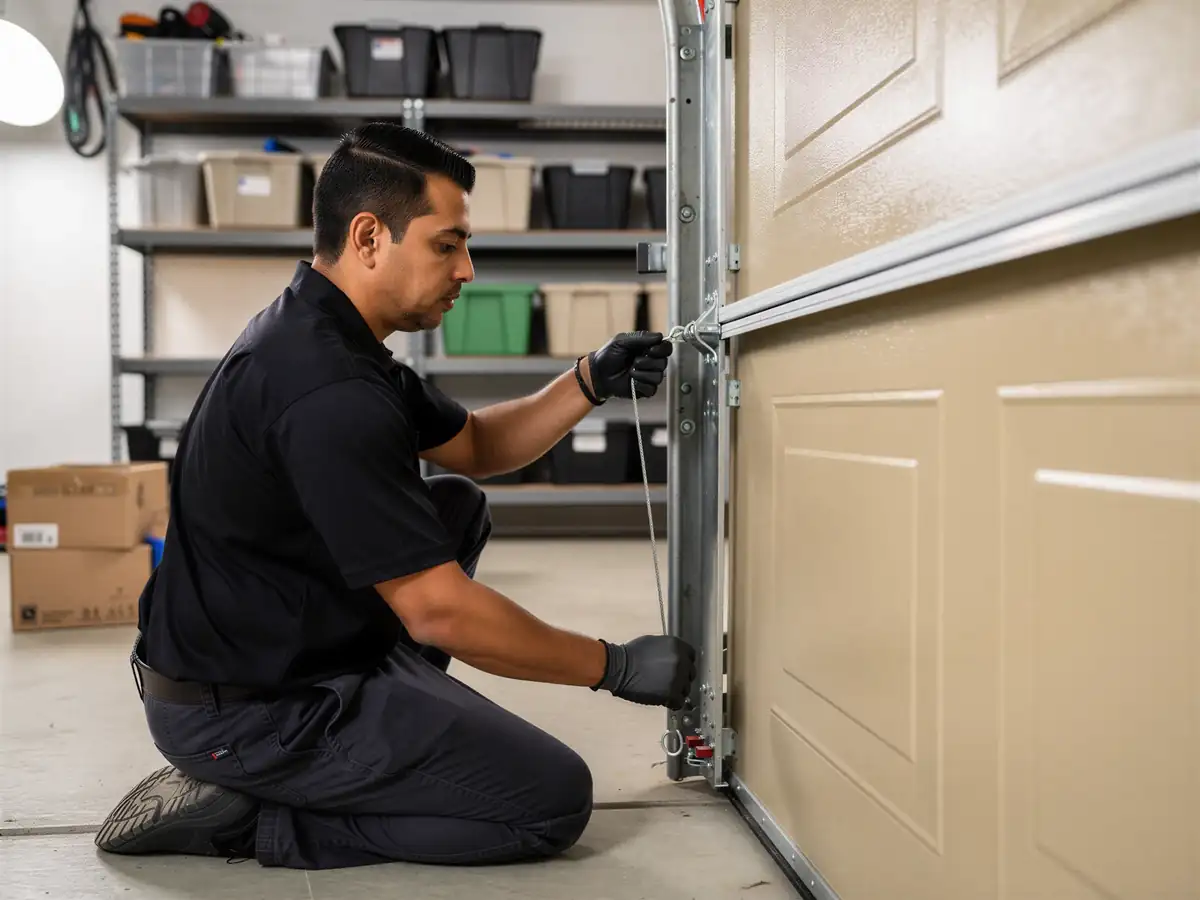
For a broken spring, we replace both springs as a pair, sized to the door's actual weight - not a universal spring, which is a shortcut that fails early. For opener issues, we diagnose the gear, the logic board, and the travel settings before we recommend a swap; a lot of 1990s-era openers just need a gear kit and a sensor realignment, not a full replacement.
For track and roller wear, we replace rollers in full sets, not one at a time, since a door running on mismatched rollers wears unevenly and comes back to bite you within a season.
Here's the honest limitation: if your door panels themselves are original steel from the 1980s and have rusted through at the bottom, we're not going to patch that. Panel replacement on a door that old sometimes means replacing the whole section or the whole door, because the manufacturer may no longer make a matching panel. We'll tell you straight when repair isn't worth the labor against a new door, rather than billing you for a fix that won't hold.
How to Book
Call or request service and tell us the age of the house if you know it
That one detail usually tells us more about what's likely wrong than a description of the noise does. We'll ask what the door is doing (won't open, opens partway, grinds, won't close) and get a truck out.
We work throughout Lake Forest and the surrounding area, including Highwood, Bannockburn, Lake Bluff, Mettawa, Lincolnshire, and Riverwoods
If you're in one of the nearby towns and not sure we cover your address, just ask when you call.