How It Shows Up
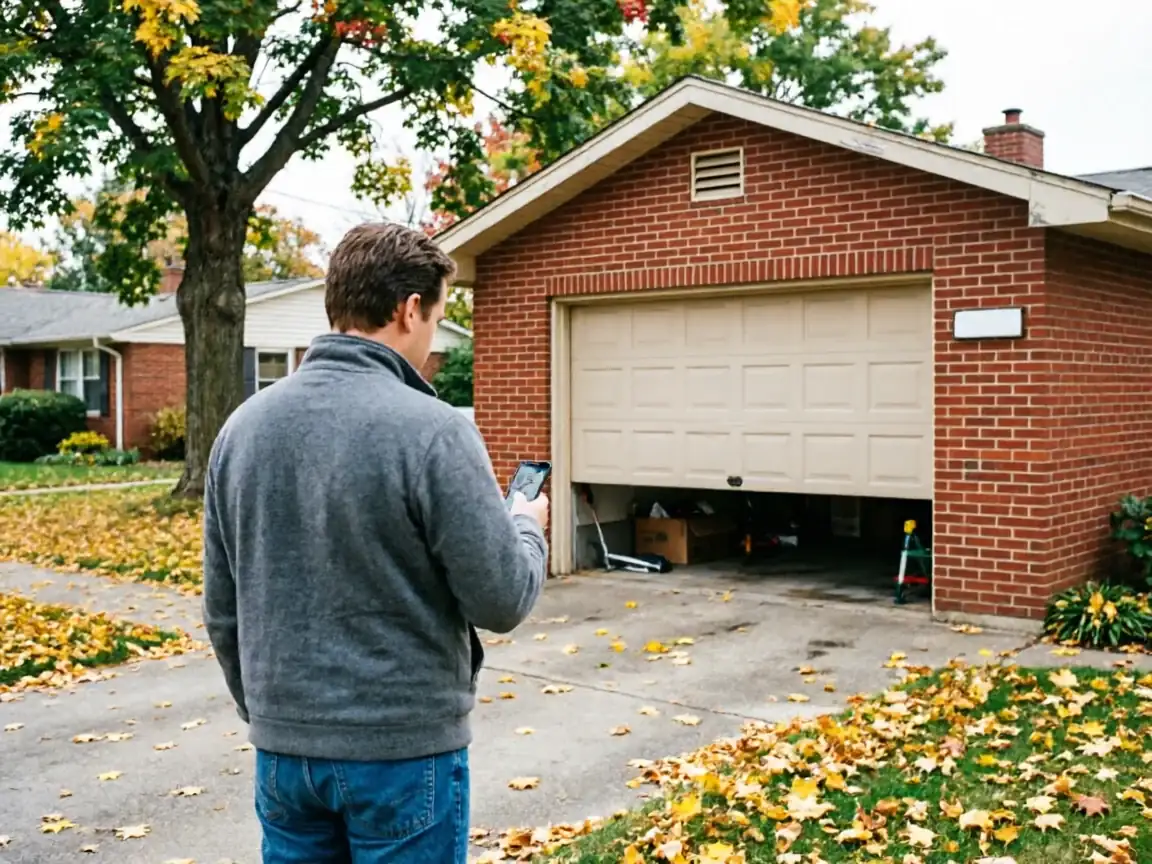
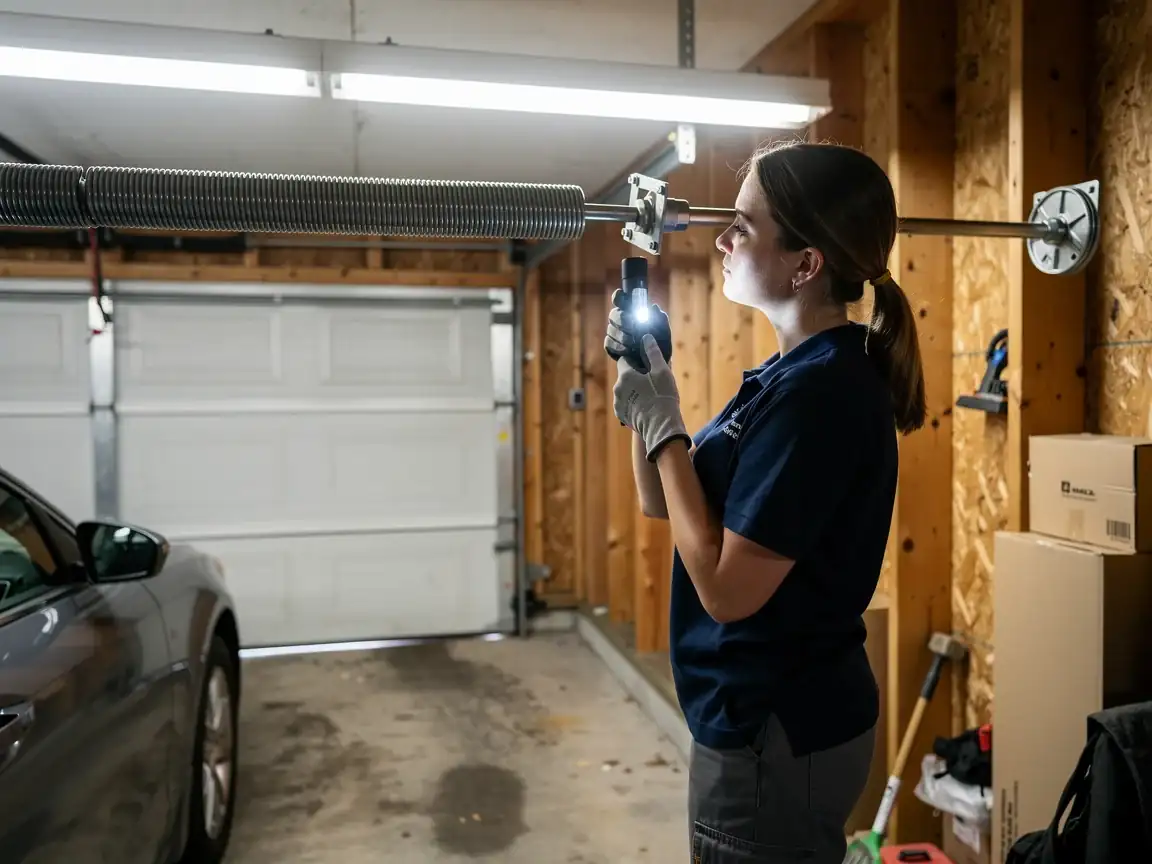
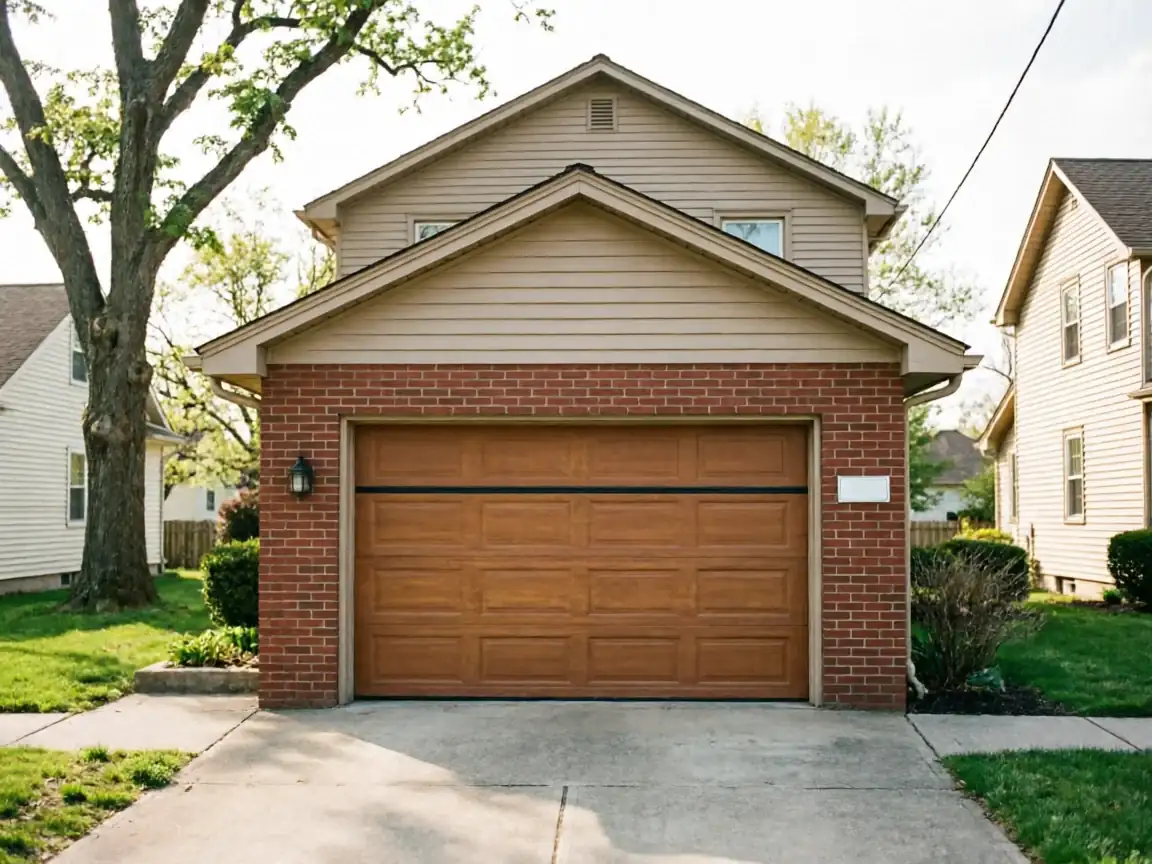
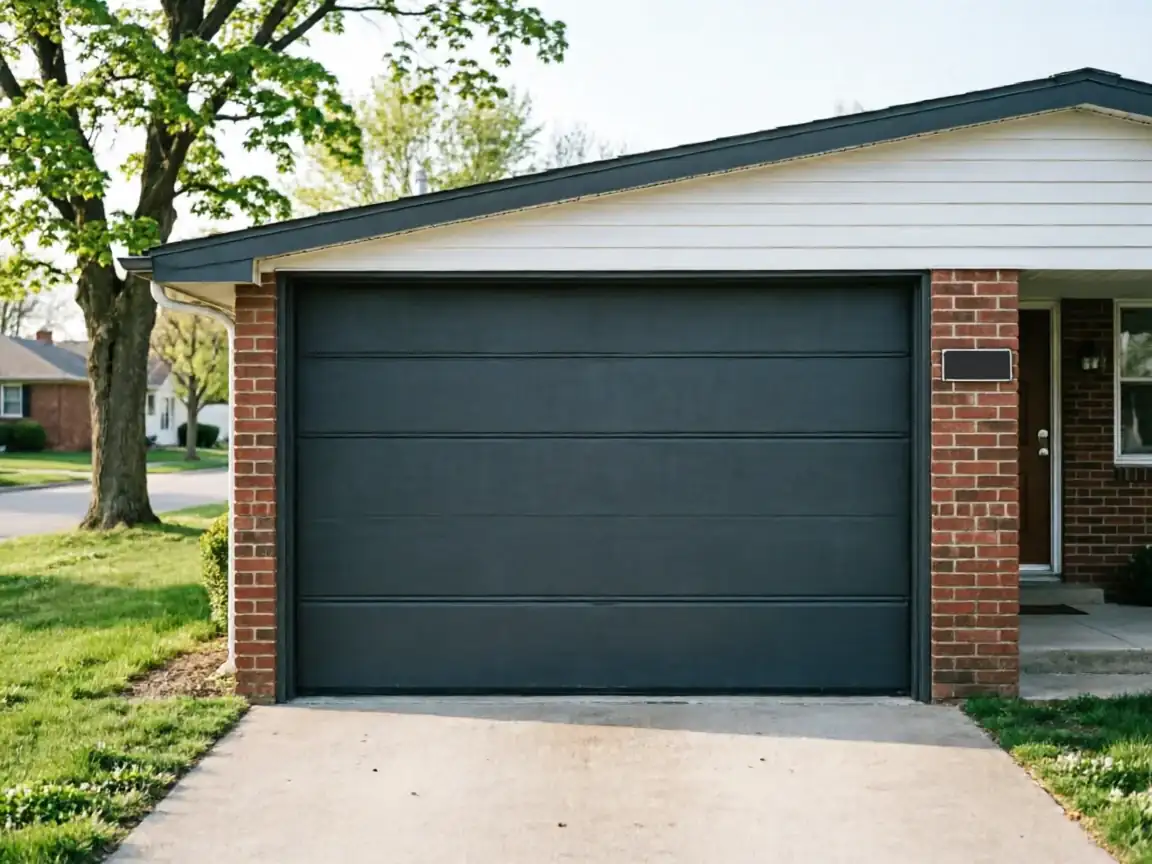
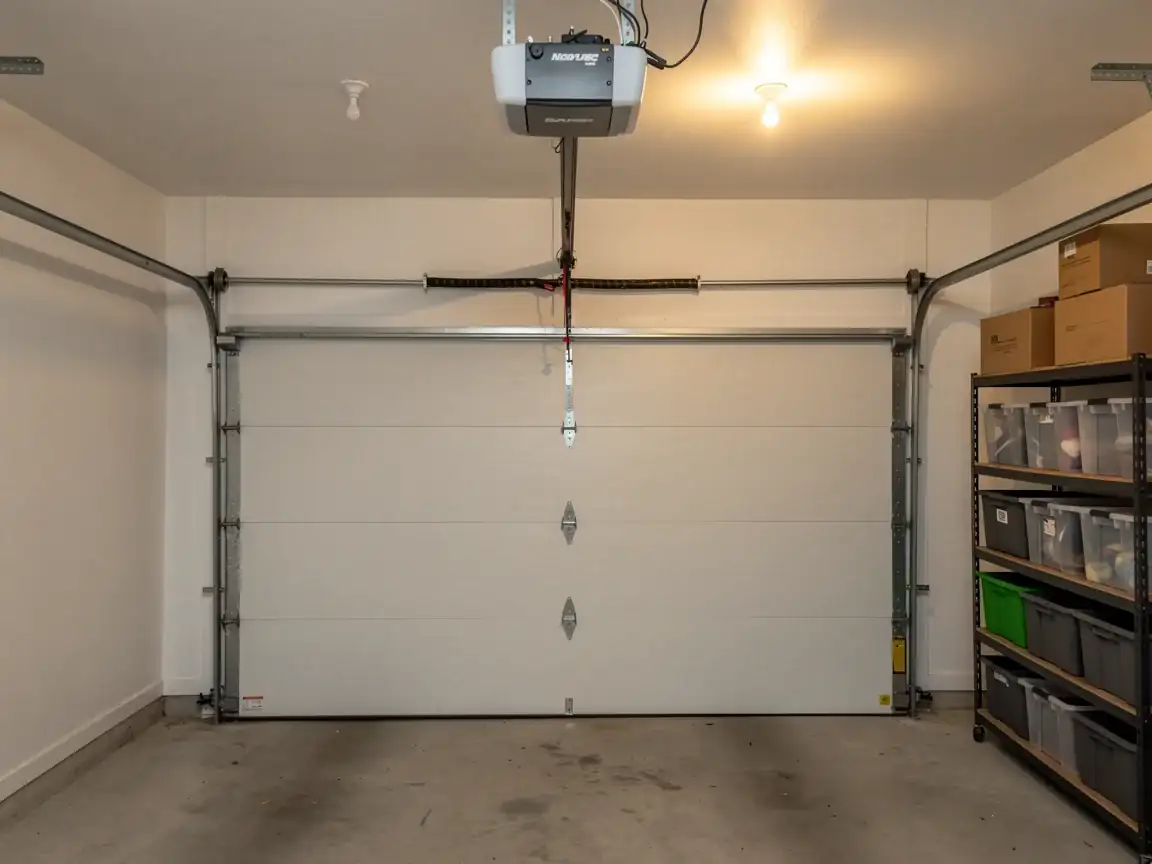
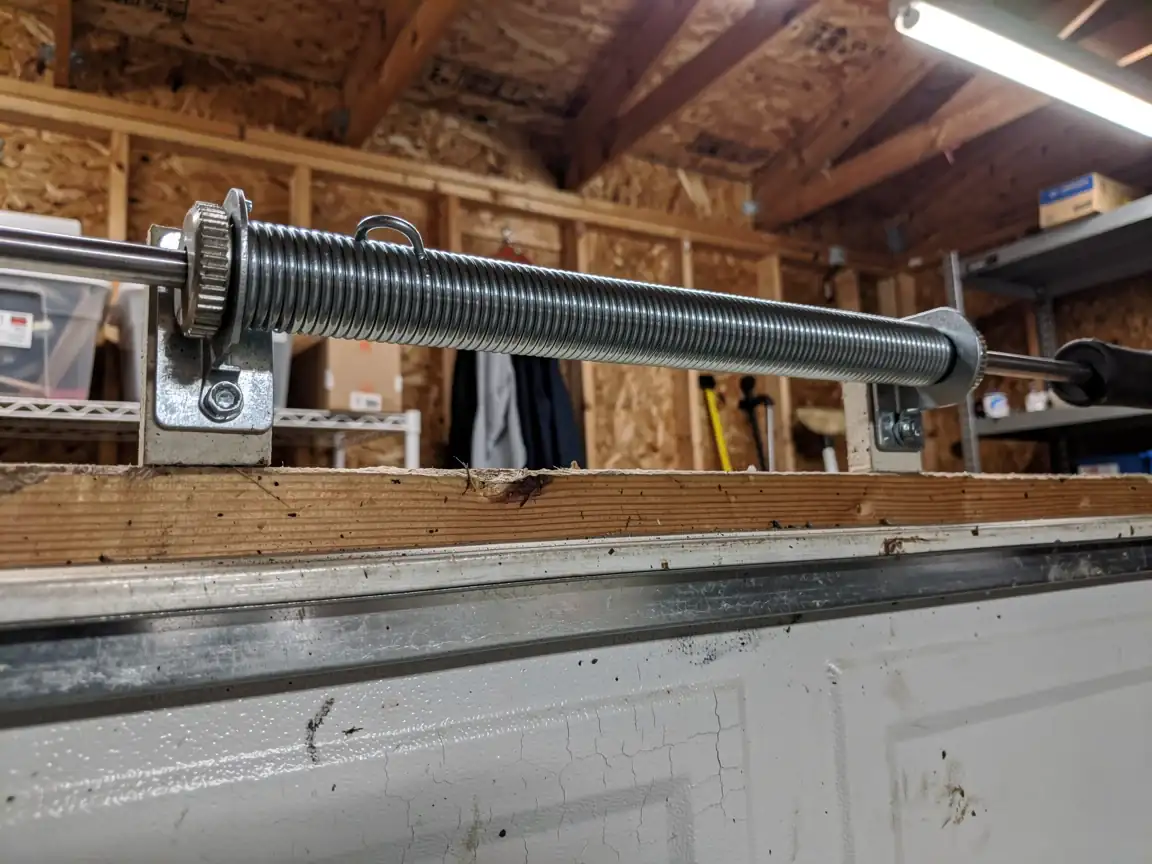
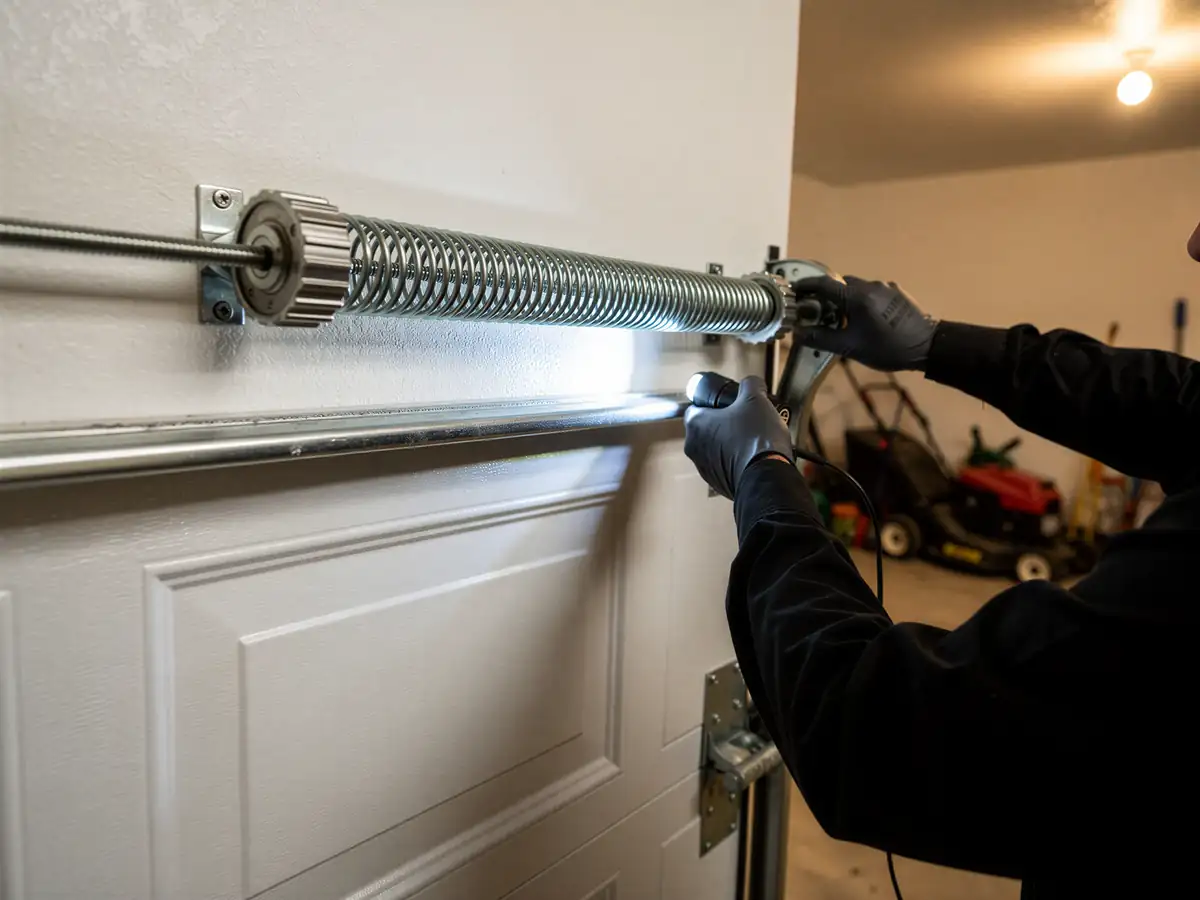
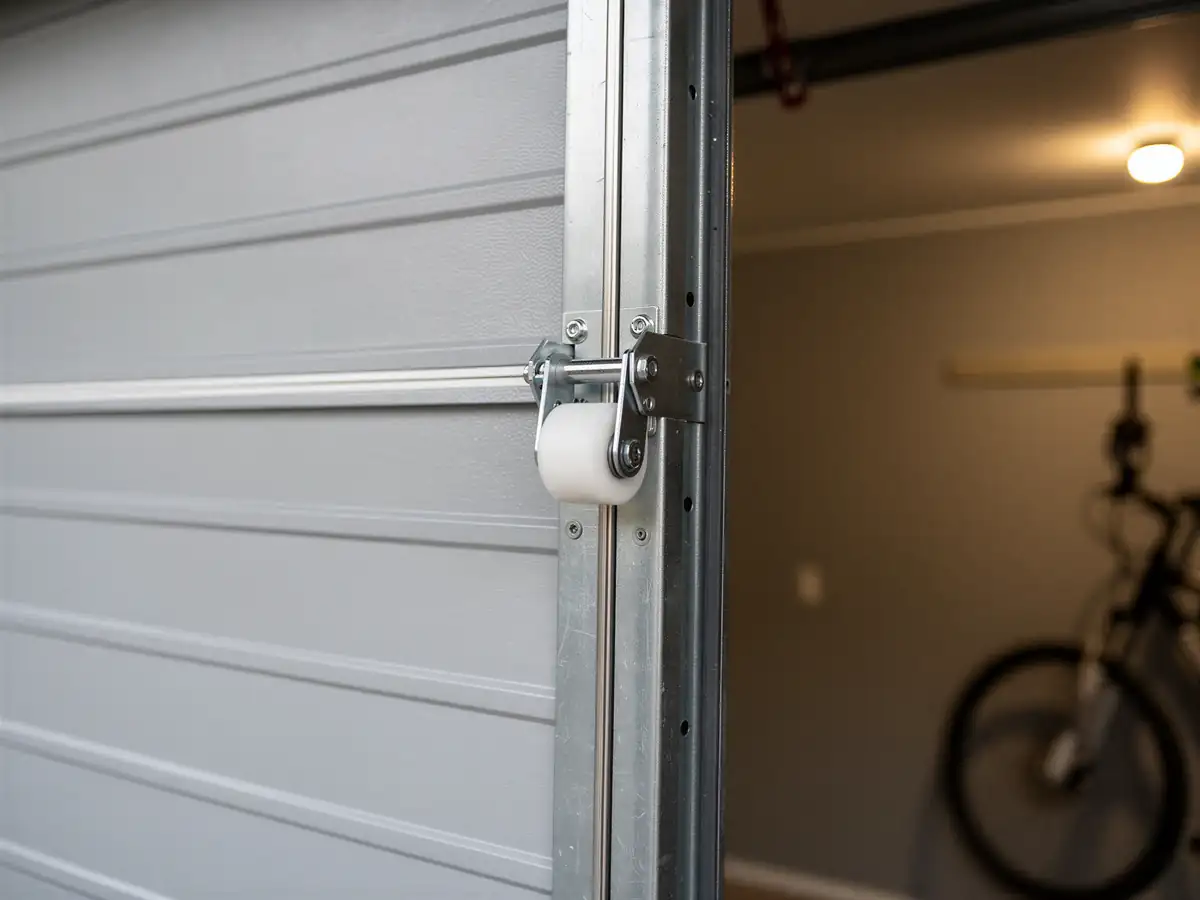
On a house from the early-to-mid 1980s stock that's common here, the giveaway is usually the opener straining on the last foot of travel - it was rated for a lighter original door, not today's thicker insulated panels. On older homes near the 1938-1950s end of the range, you'll see original single-layer doors on tracks that were never built for an automatic opener at all; someone added one later and the whole system fights itself. Cold is the accelerant. Steel tracks pull a few hundredths of an inch tighter when temperatures drop, which is enough to bind a roller that was already running dry. Torsion springs wound for a 1980s door weight start to fatigue faster once a heavier replacement door goes on top of them, so the symptom often isn't a sudden break - it's a door that reverses halfway up, or an opener that clicks and stops. Owners describe it as the door 'not wanting to go up in the morning,' which is a fair description of a spring that's one cold snap from done.
How We Fix It
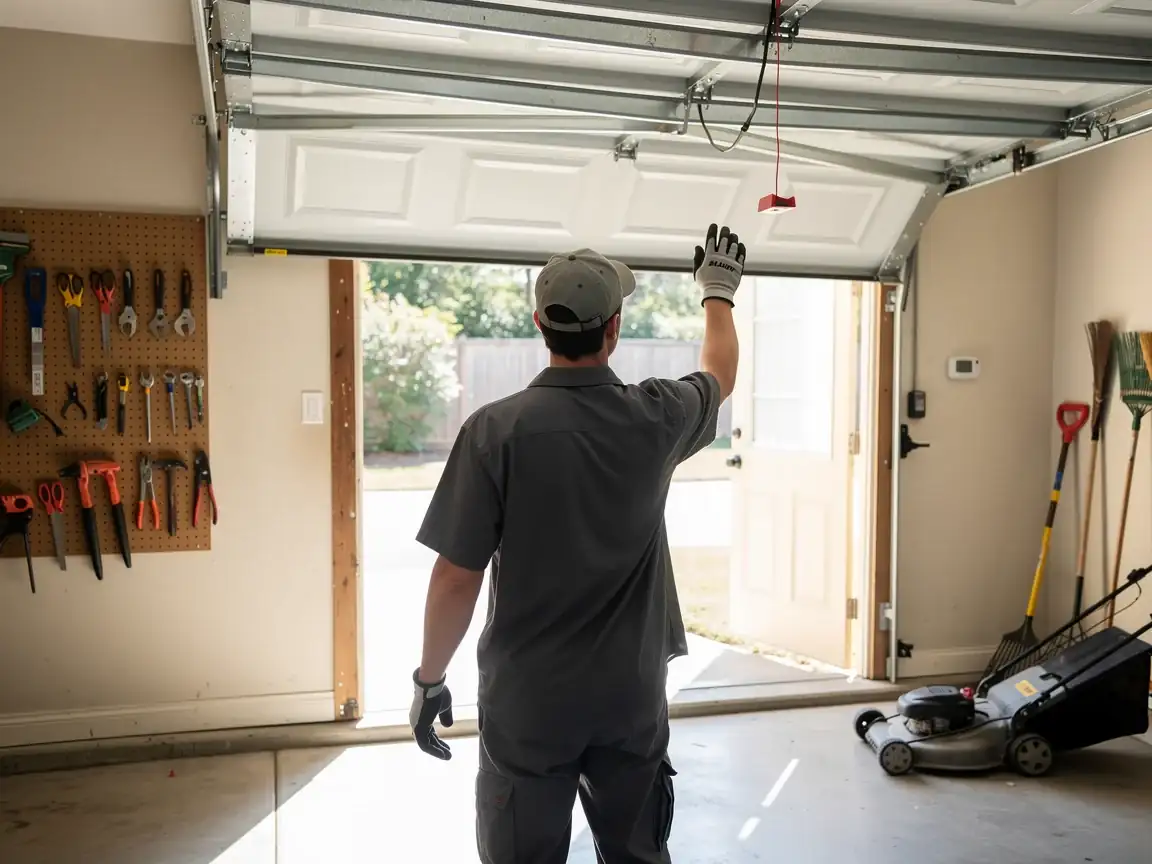
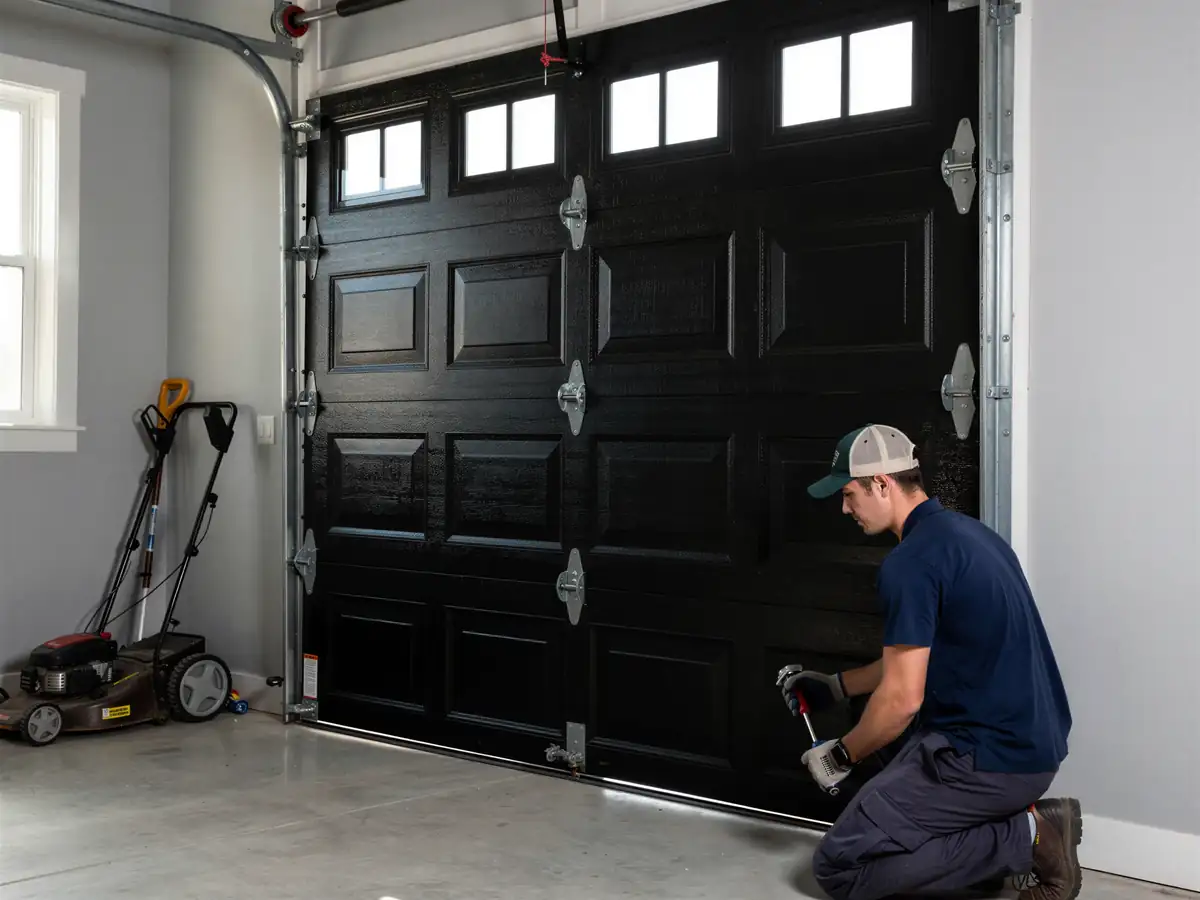
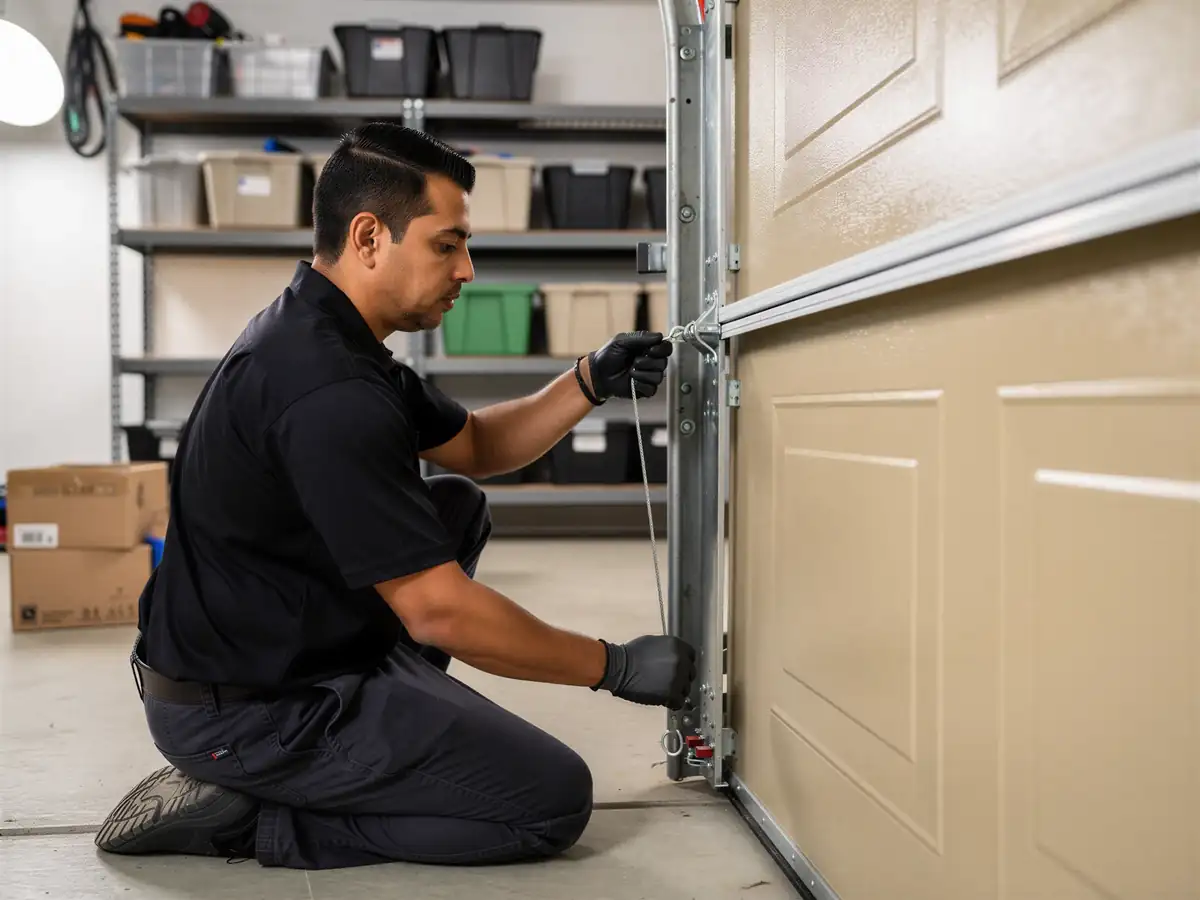
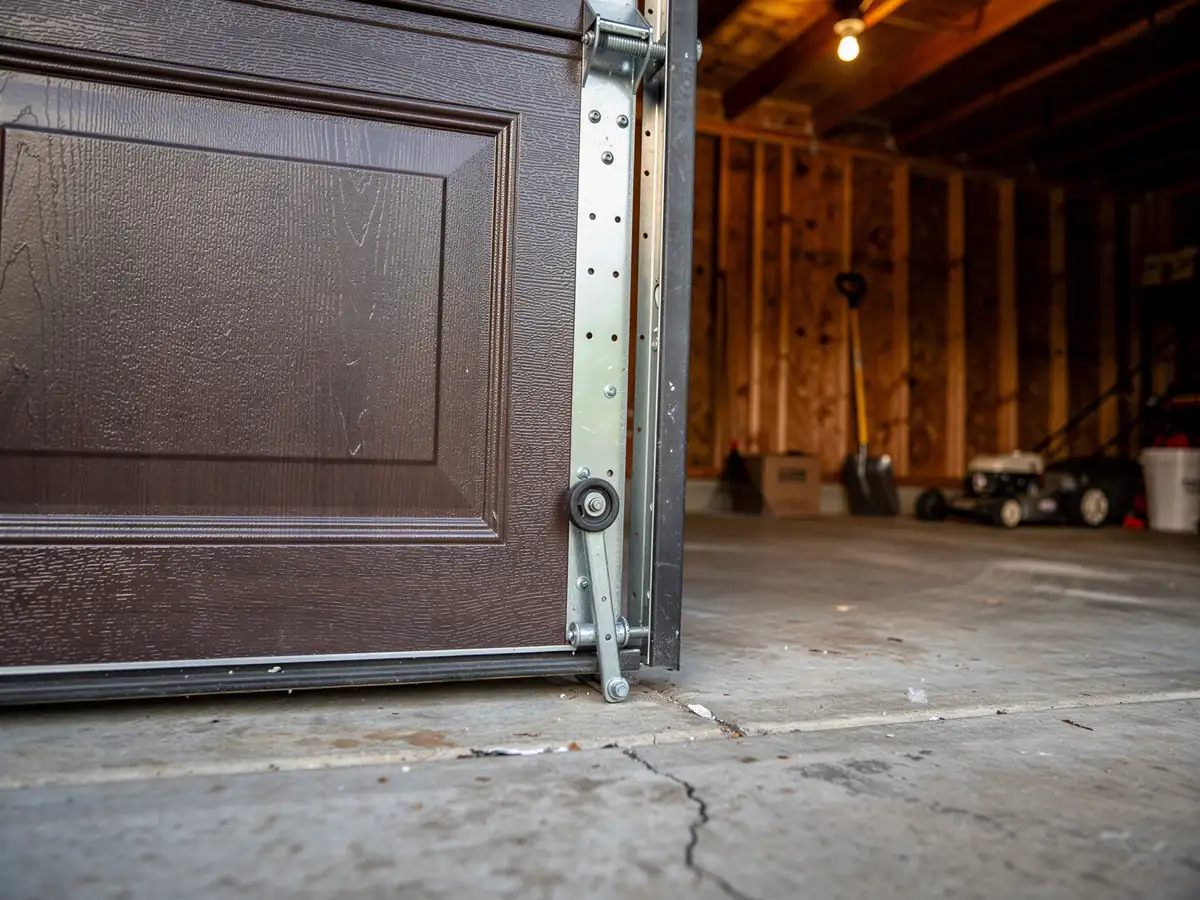
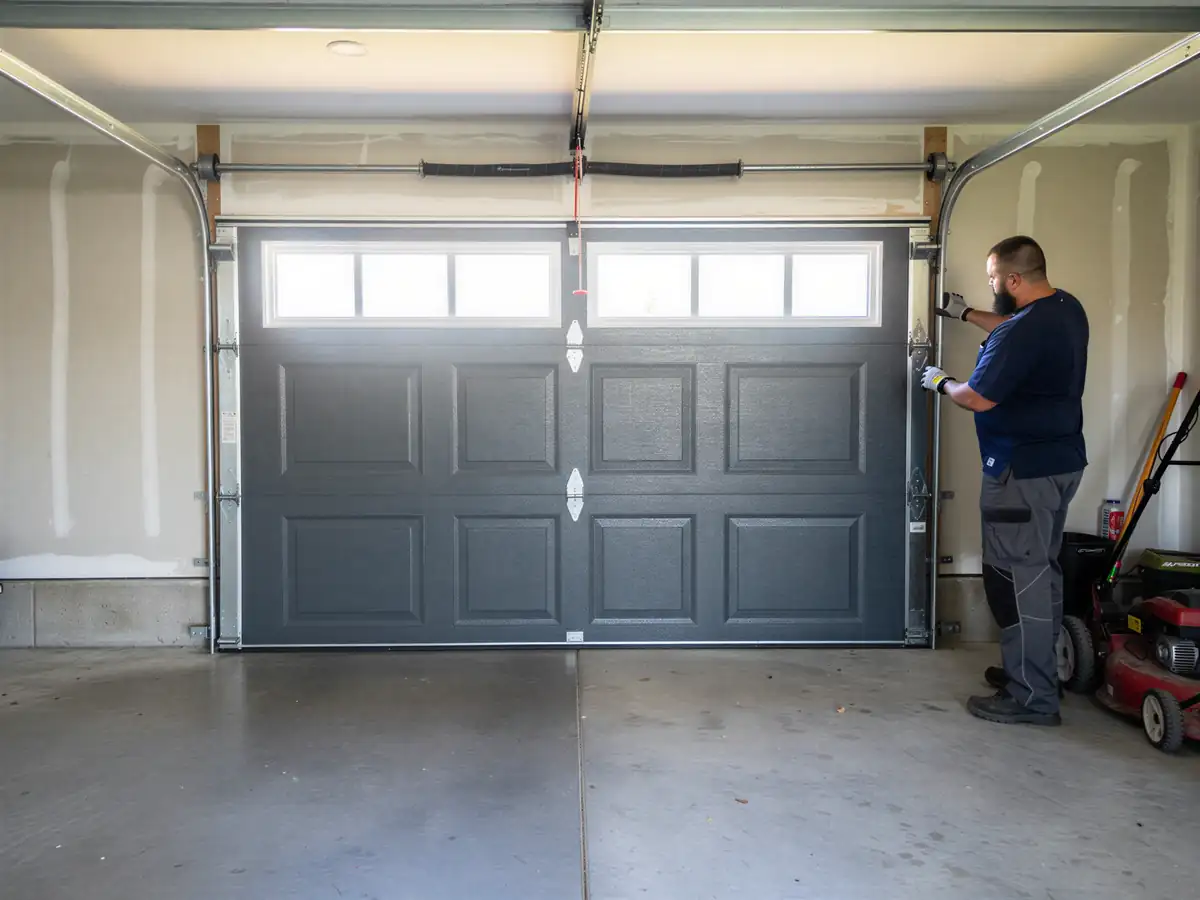
We size the installation to the house, not to a catalog default. That means pulling the spring rate, track gauge, and opener horsepower to match the actual door going in - heavier insulated panels get torsion springs rated for that load, not whatever was on the wall before. Given the cold climate here, we use hardware rated to hold up through winter cycling rather than parts built for a mild-climate market. One honest limit: if your current track or jamb framing is out of square from decades of settling, which happens on the older end of this area's 1938-built stock, we'll tell you before we quote the job - sometimes a straight swap isn't possible without framing work first, and we won't install a door we know will bind. For most homes in the area's 1980s-90s median range, it's a clean swap: old door and opener out, correctly matched system in, tested through a full cycle before we leave.