How Long It Takes
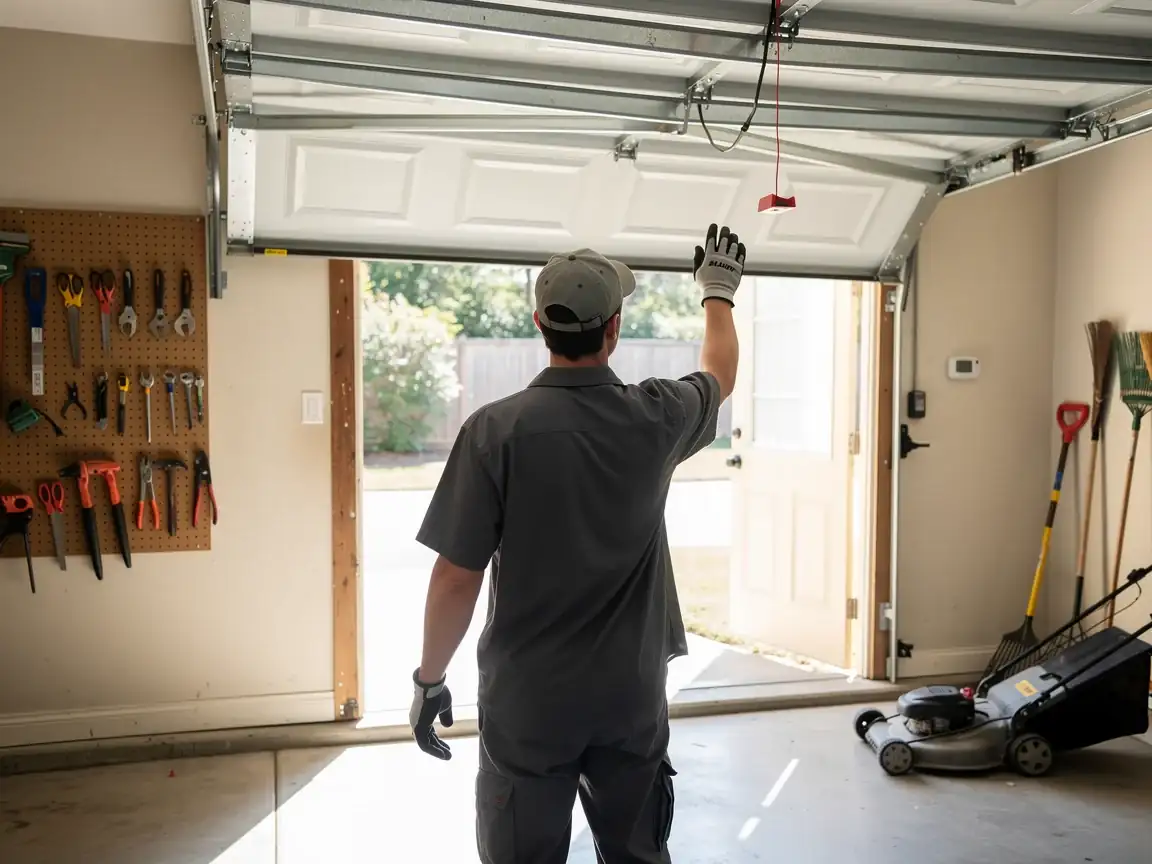
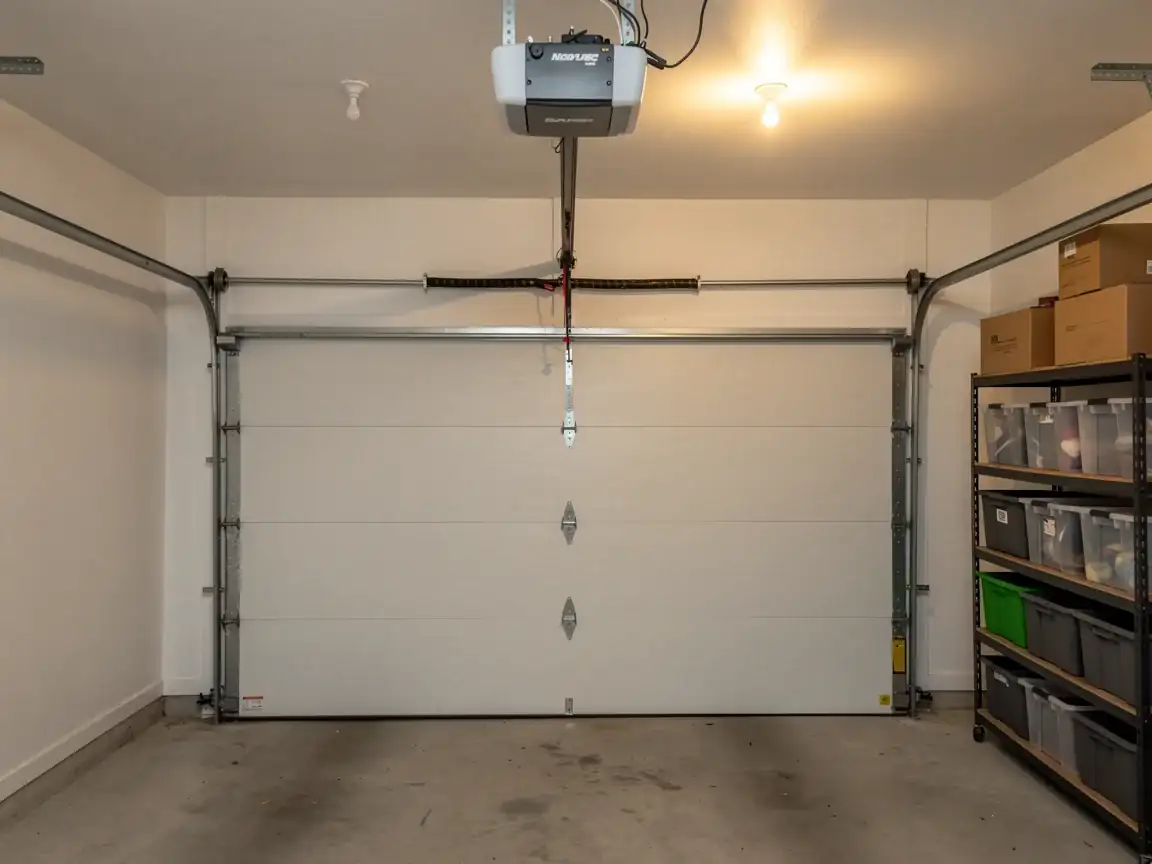
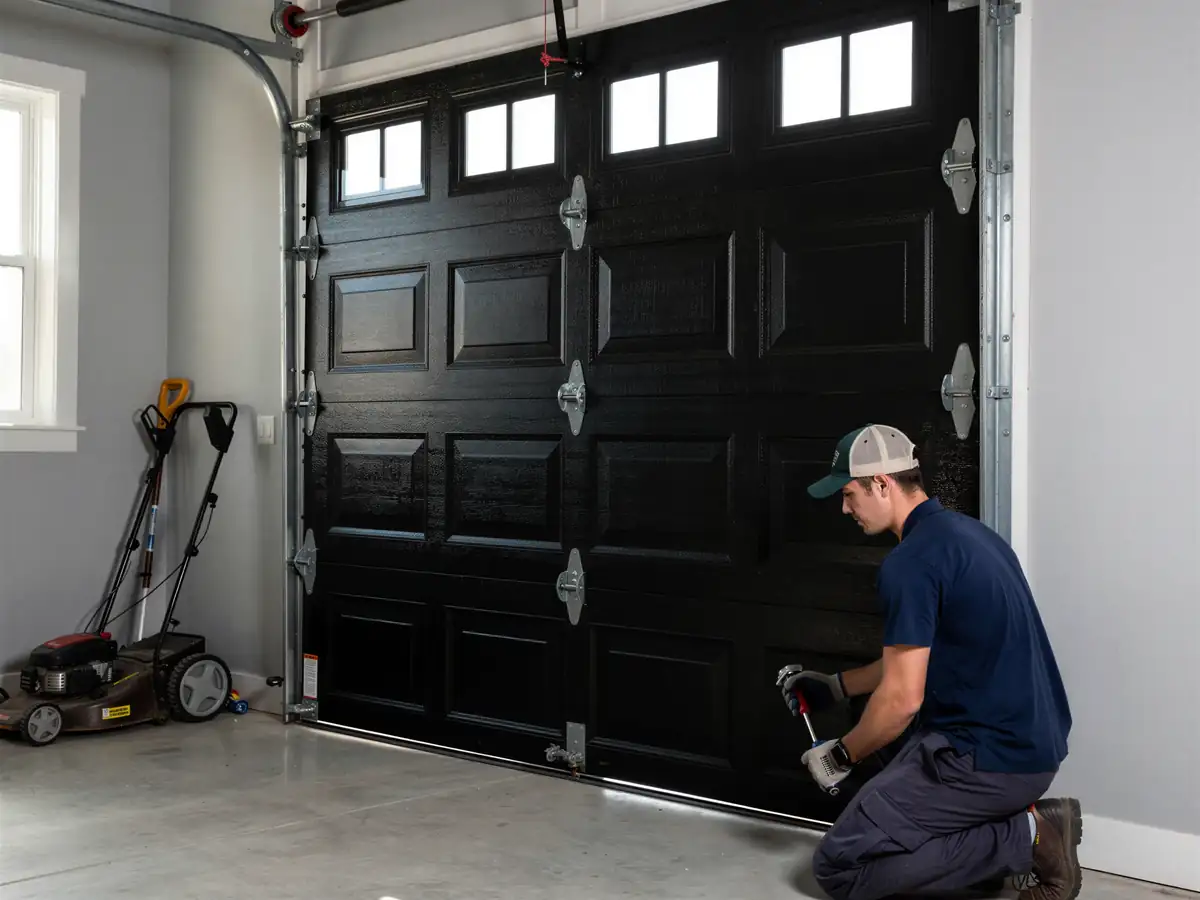
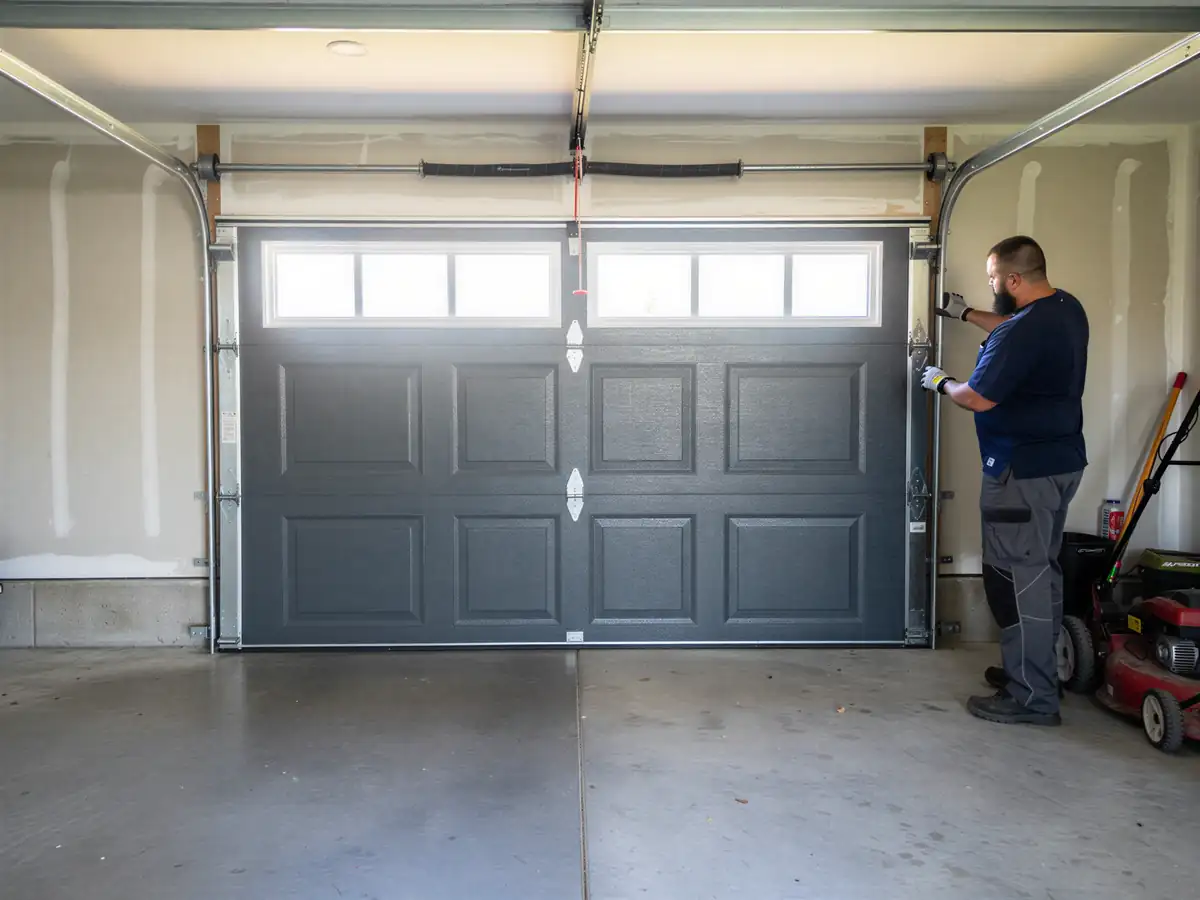
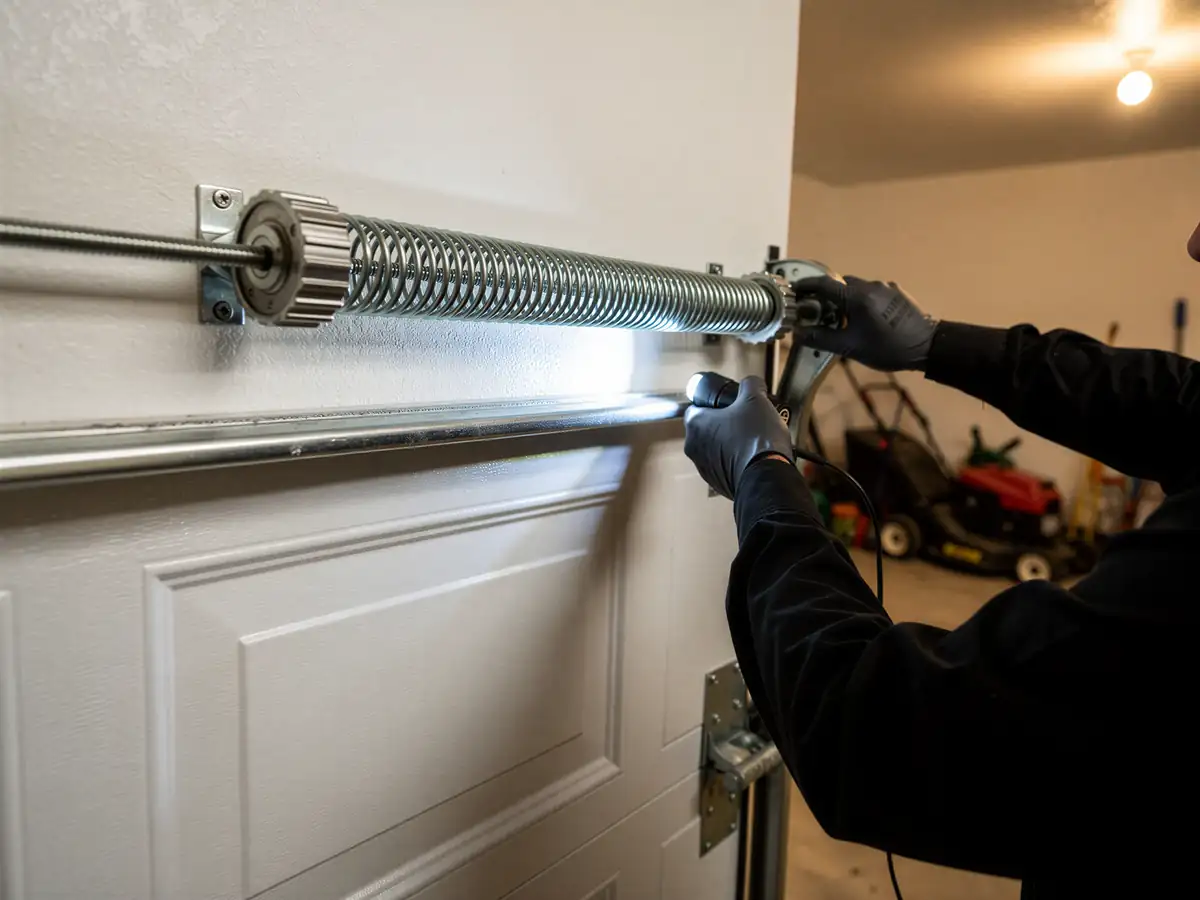
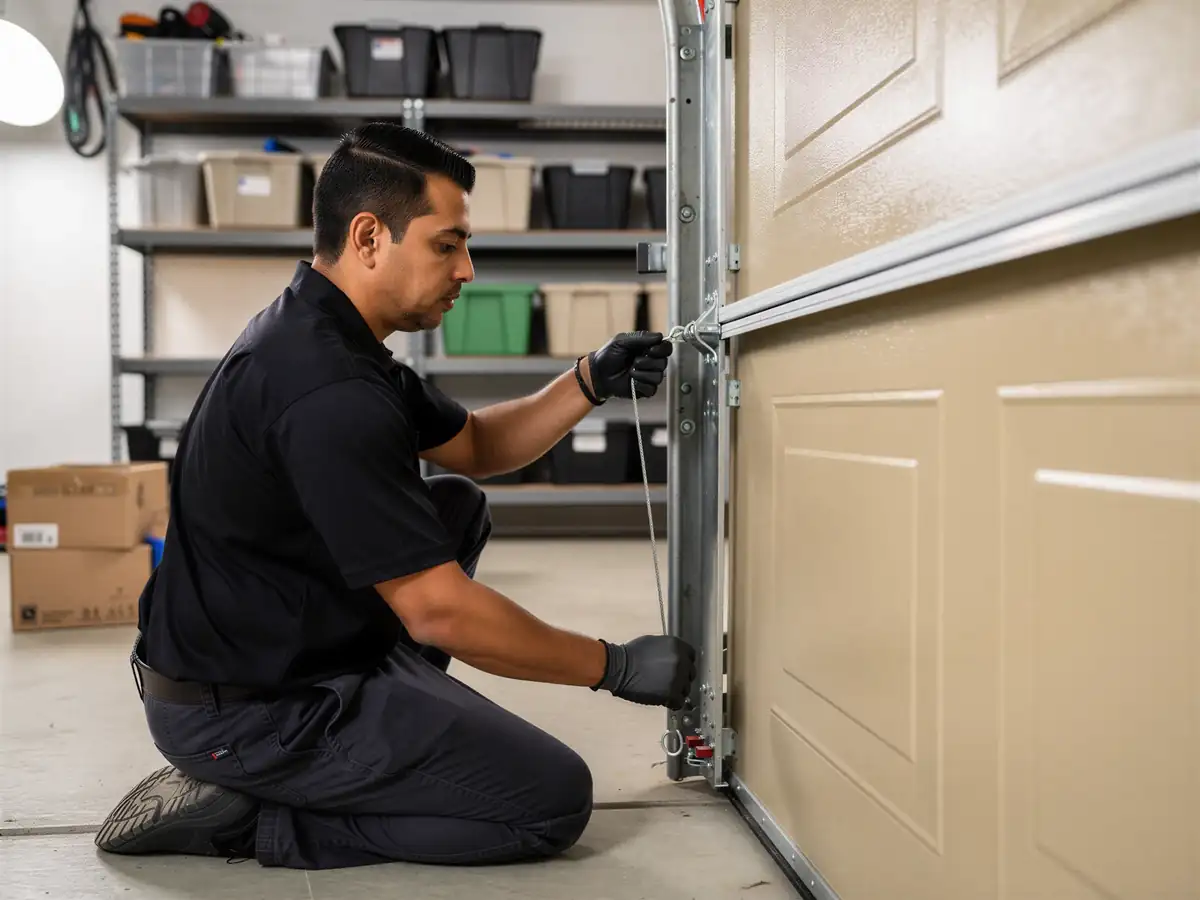
Cable work is usually the fast half of a service call once we're actually at the house. The bigger variable is which side failed and whether the door dropped crooked when it let go - a door that came down level is a straightforward swap, a door that came down cocked means we're also checking the opener's travel limits and the track alignment before we close it out. We carry common cable lengths and standard drum sizes for the 1980s-and-90s doors that make up most of what we find in Green Oaks. An uncommon drum pitch or a specialty cable gauge is the one thing that can put us on a short hold for a part, and we won't pretend otherwise. We travel the 5 miles out from Lake Forest for every call here, so there's no local branch adding or shaving time off the job - it's one truck covering this stretch of the map.
Why This Fails Locally
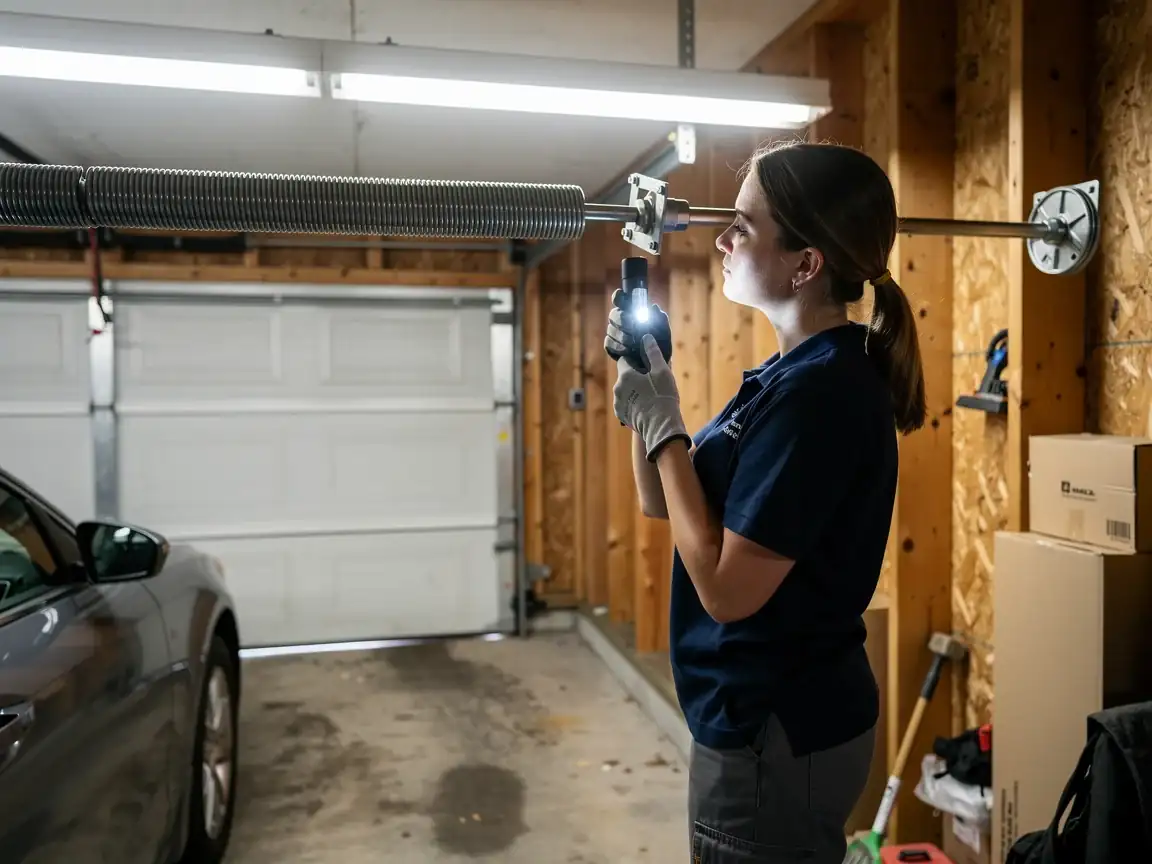
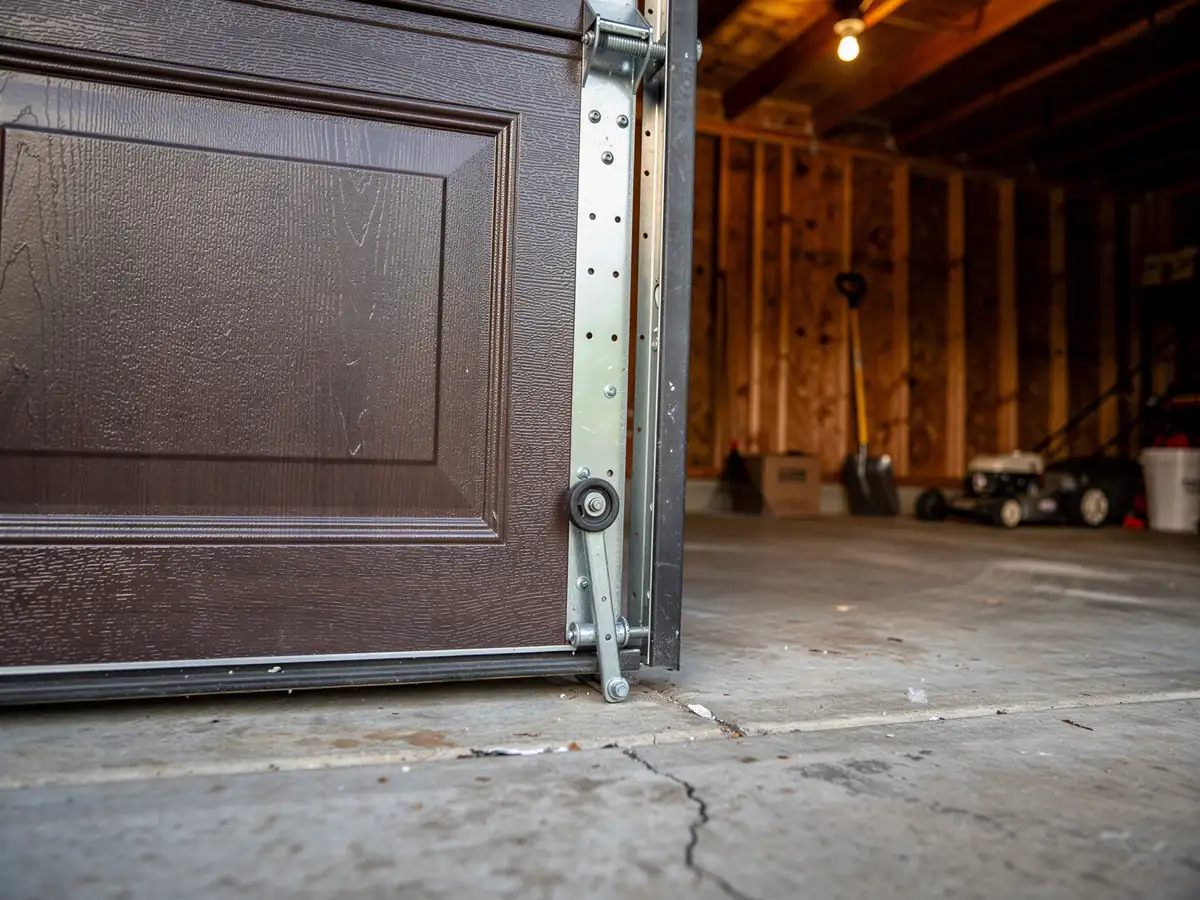
Cables don't usually just snap out of nowhere. In a cold-climate area like this one, the grease on an aging cable stiffens in winter, and a stiff cable fraying against a dry drum groove is a slow failure that finally lets go on a cold morning when the spring takes an extra jolt of tension to lift the door. Green Oaks households run a median income of $133,472, noticeably higher than the $124,847 median across the rest of the area we cover, and higher incomes here often mean better-maintained original hardware rather than the aftermarket patch jobs we see on older stock elsewhere. But original 1990-era cable can still be more than thirty years old, and steel cable doesn't last forever regardless of how well the rest of the door was kept up. That's a few years newer than the 1983 median build year for the service area as a whole, which tracks with the newer wave of construction this town saw. The failure we see most here is a slow fray at the drum that finally gives on a cold start, not a sudden cut.