How Long It Takes
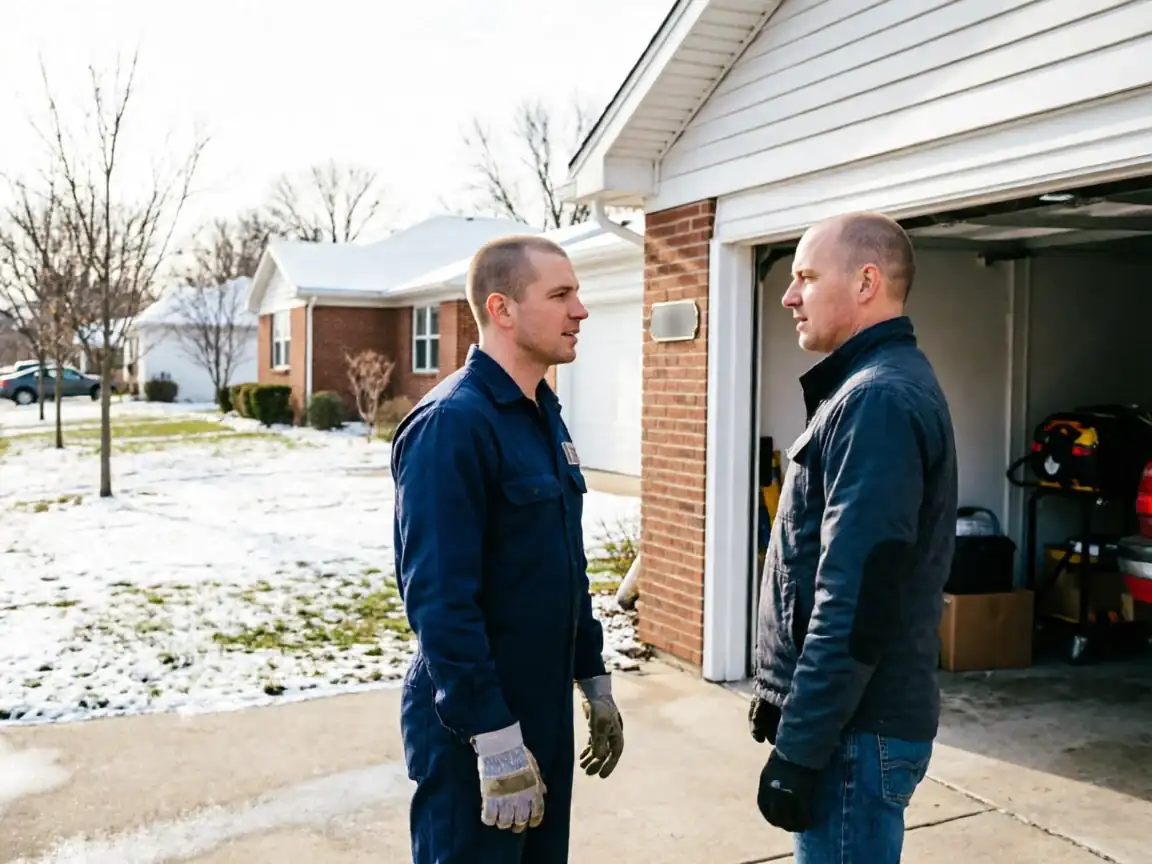
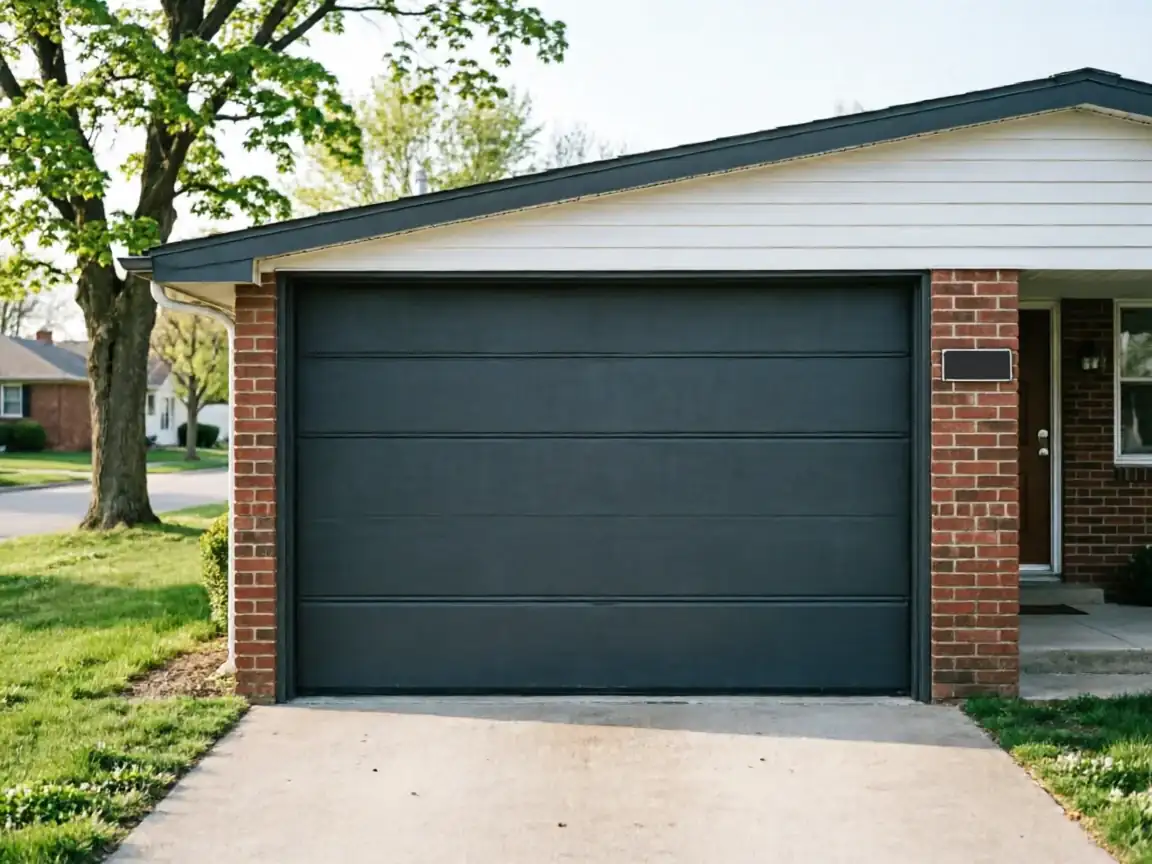
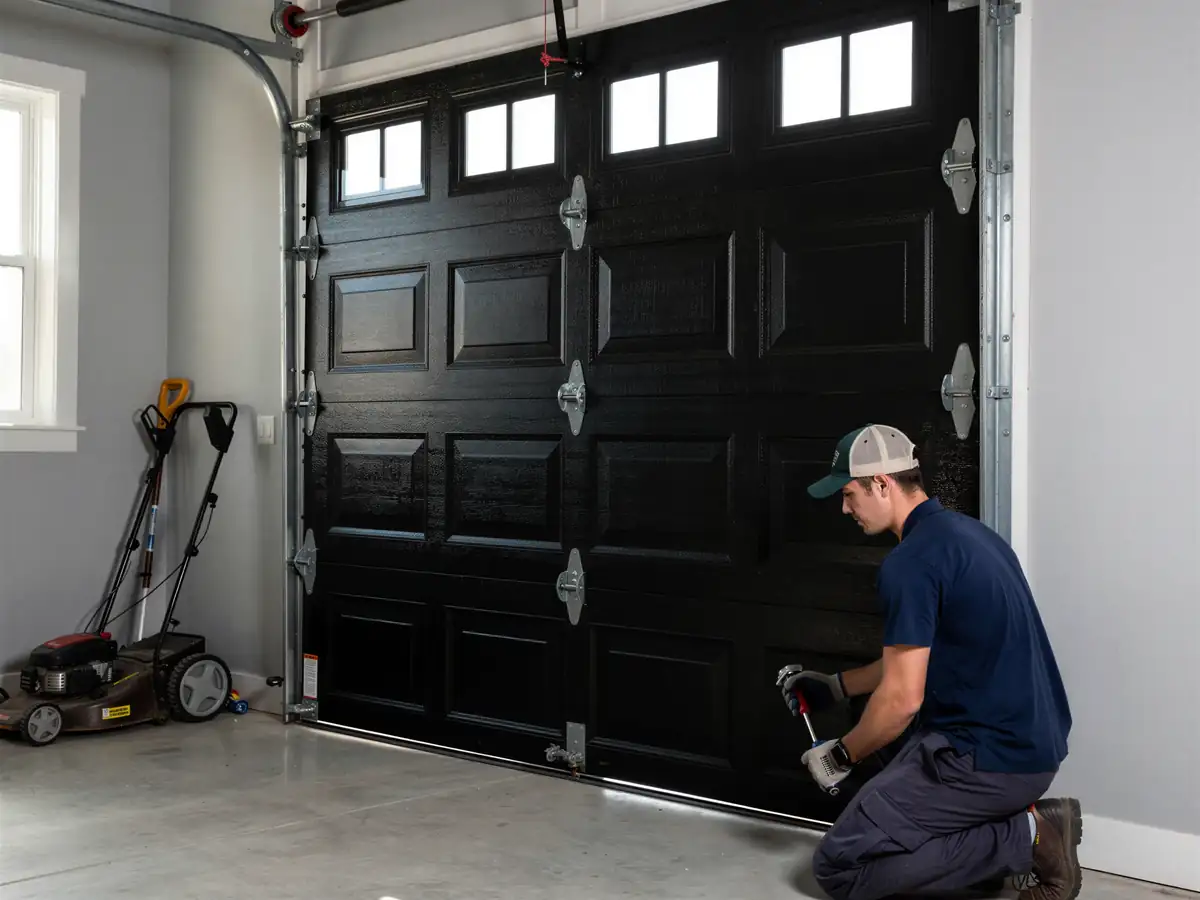
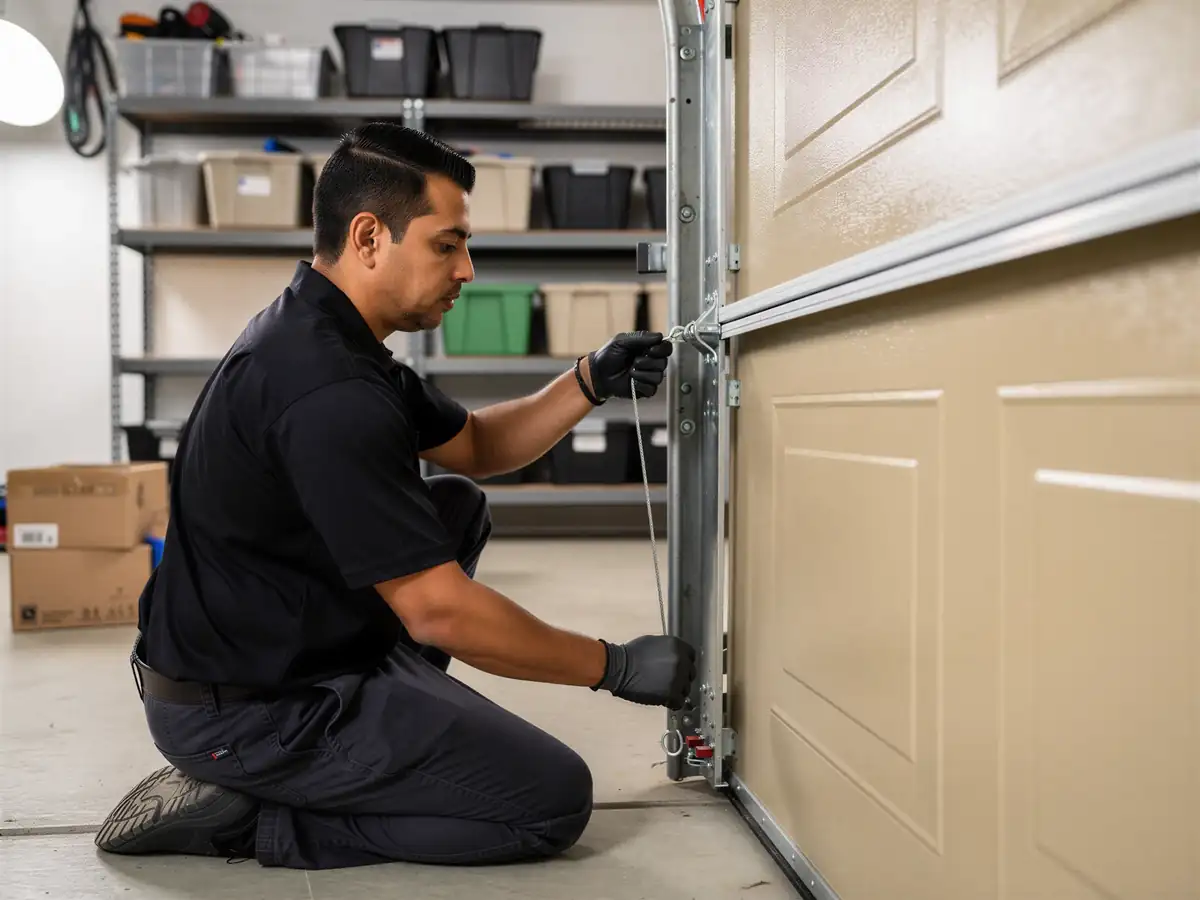
Most new installs here run half a day once the door and opener are on the truck, assuming the opening doesn't need framing work. The five-mile run from Lake Forest doesn't add meaningfully to that window, but it does mean we schedule install days in blocks rather than fitting a single Green Oaks job between two calls on the other side of the service area. If your opening is non-standard - an older convert from a 1-car to a 2-car setup, or a header that was never sized for an insulated door - expect that to add time, not because of distance but because framing changes the math. We'll tell you on the first look if your job is a half-day or needs a second visit; we don't like surprising a homeowner with an extra trip charge mid-install.
Why This Fails Locally
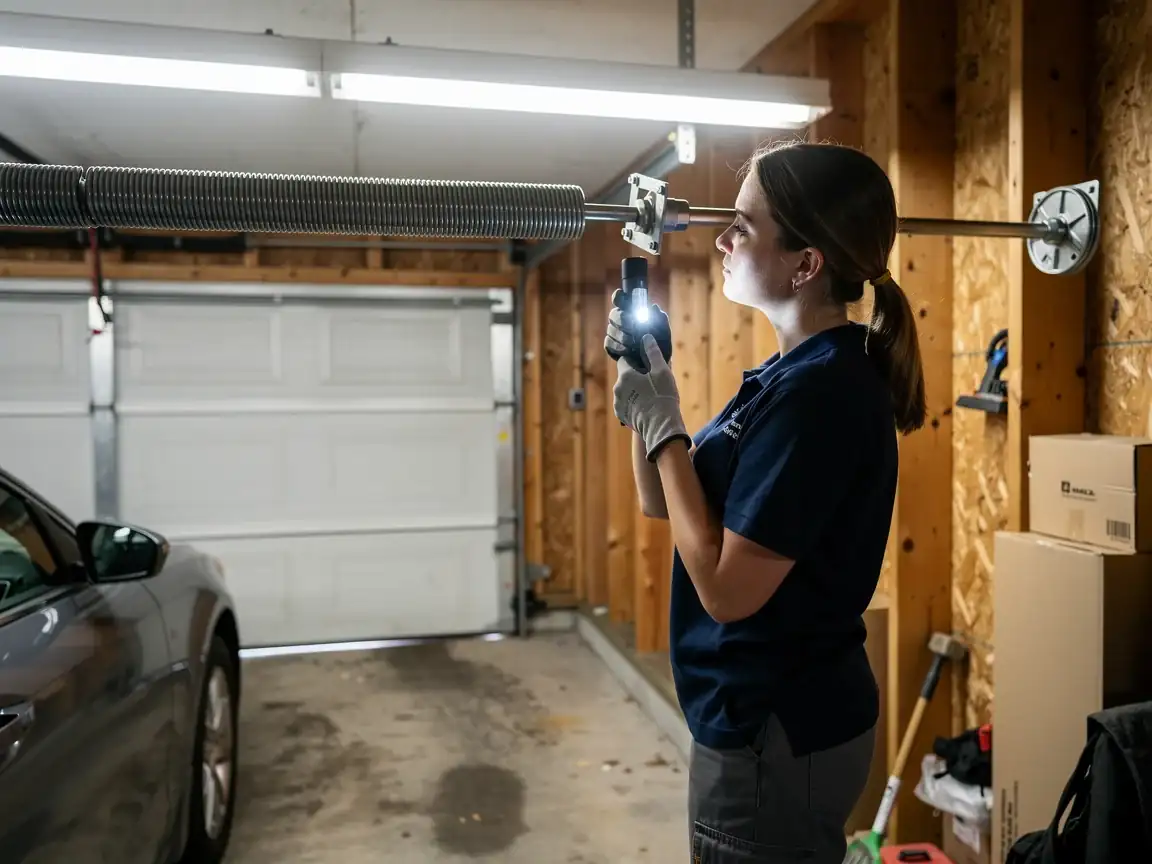
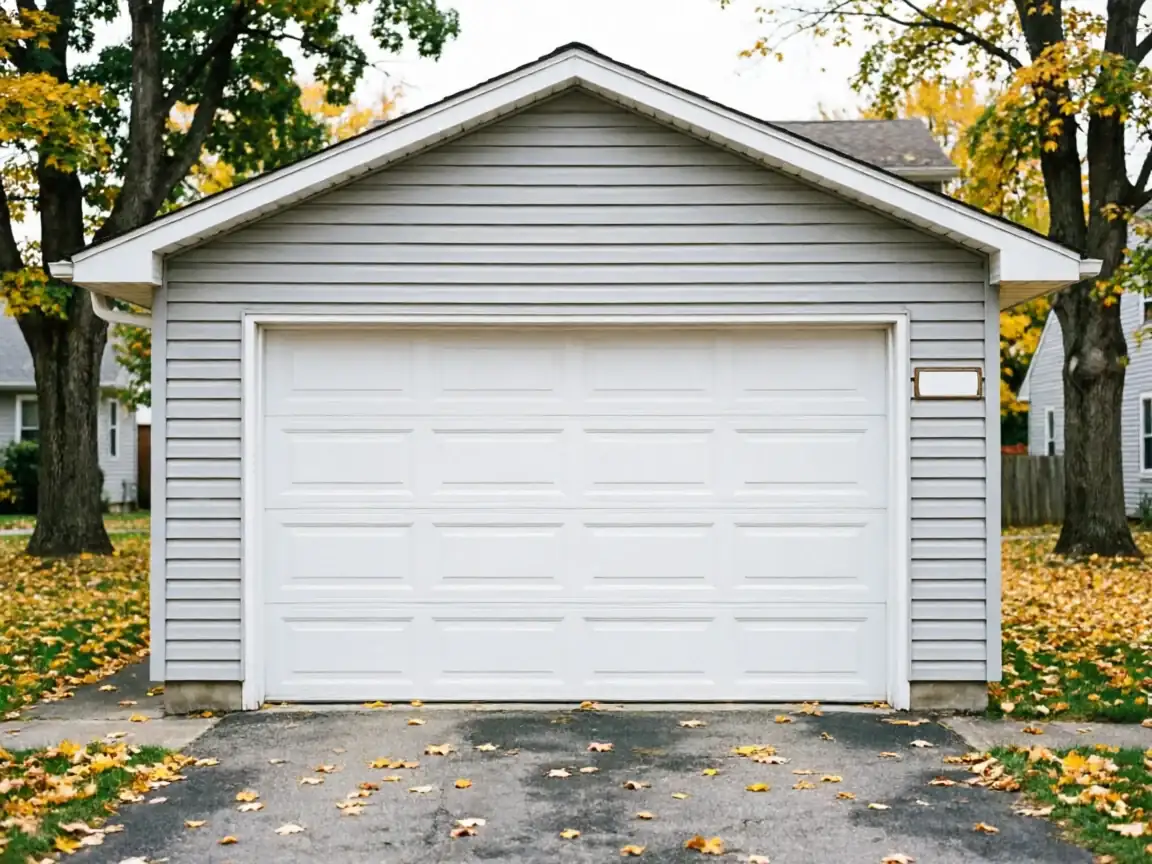
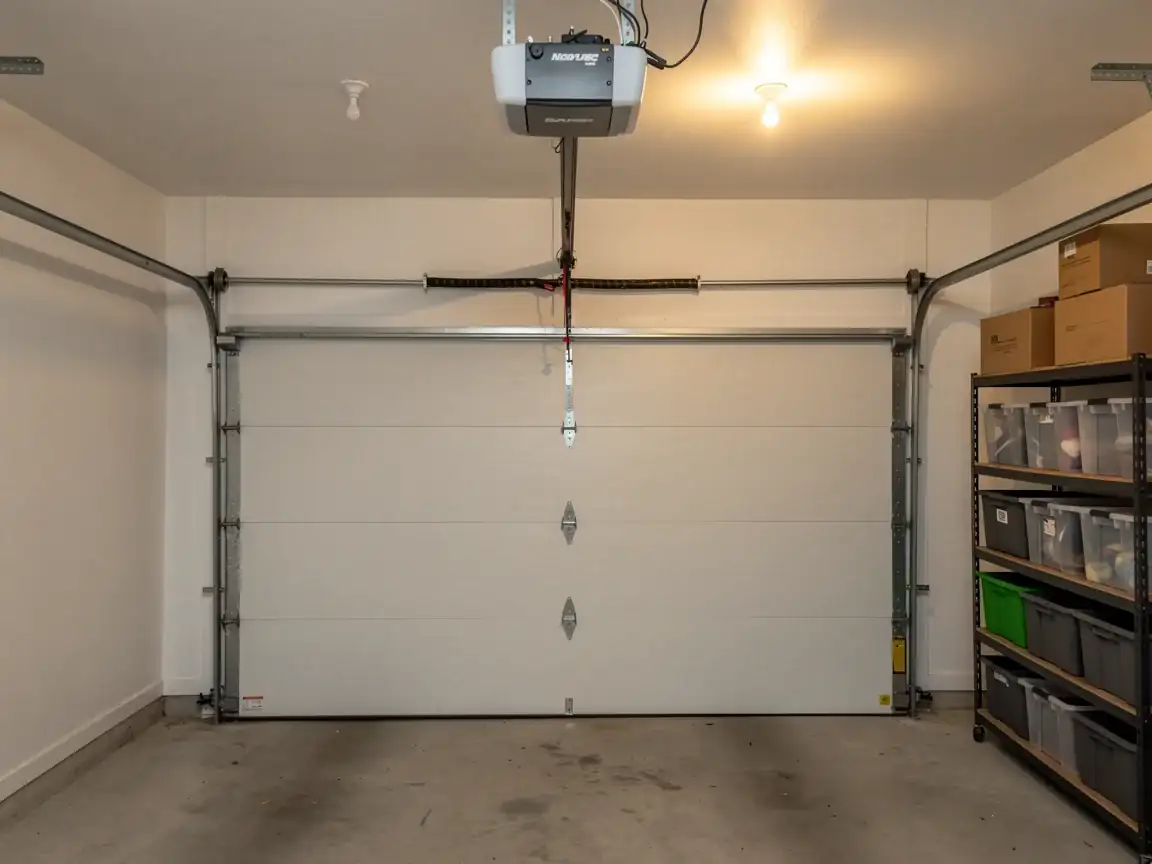
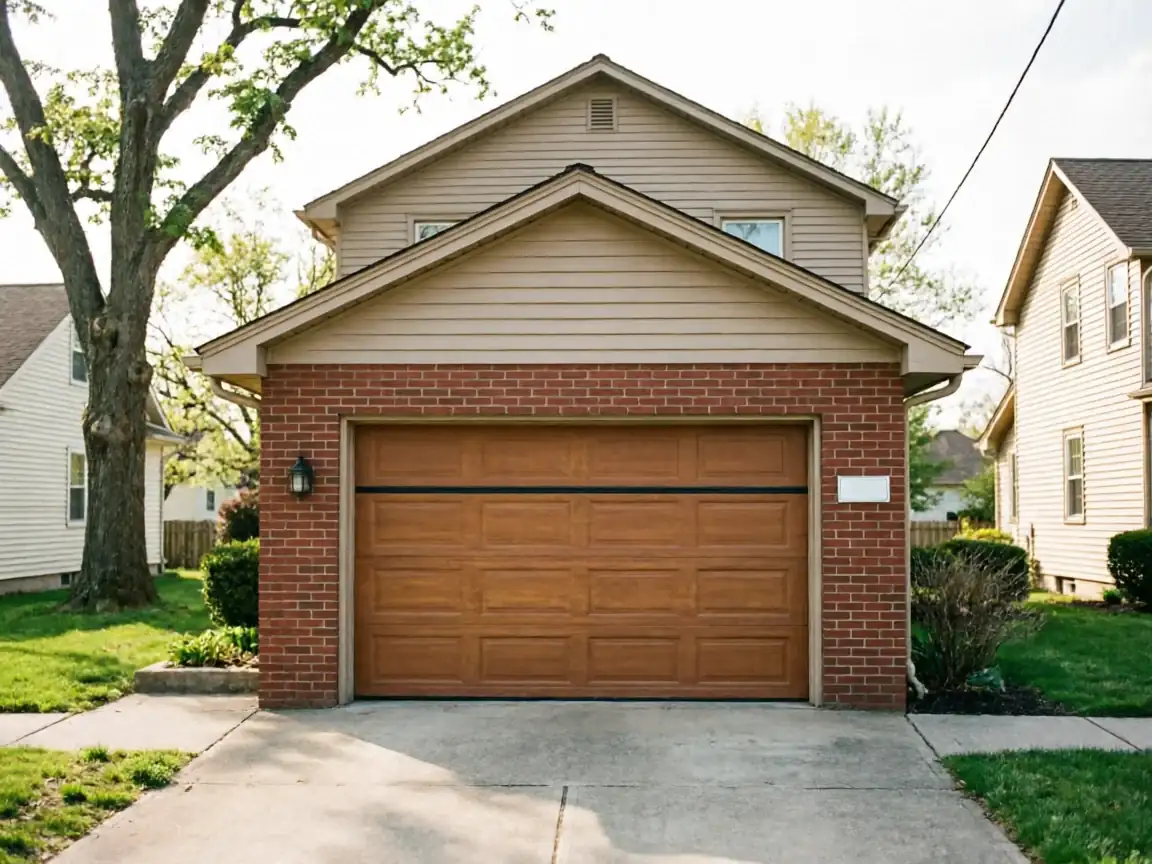
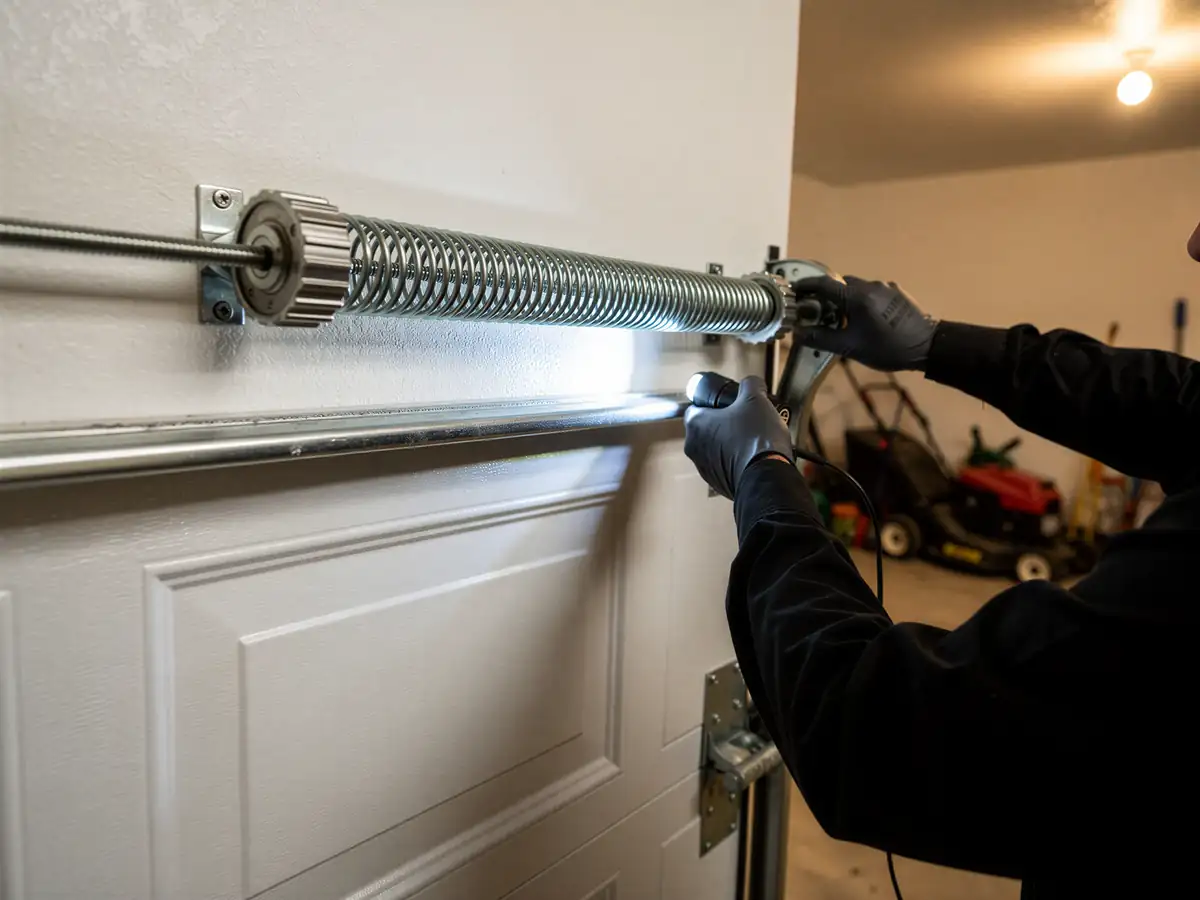
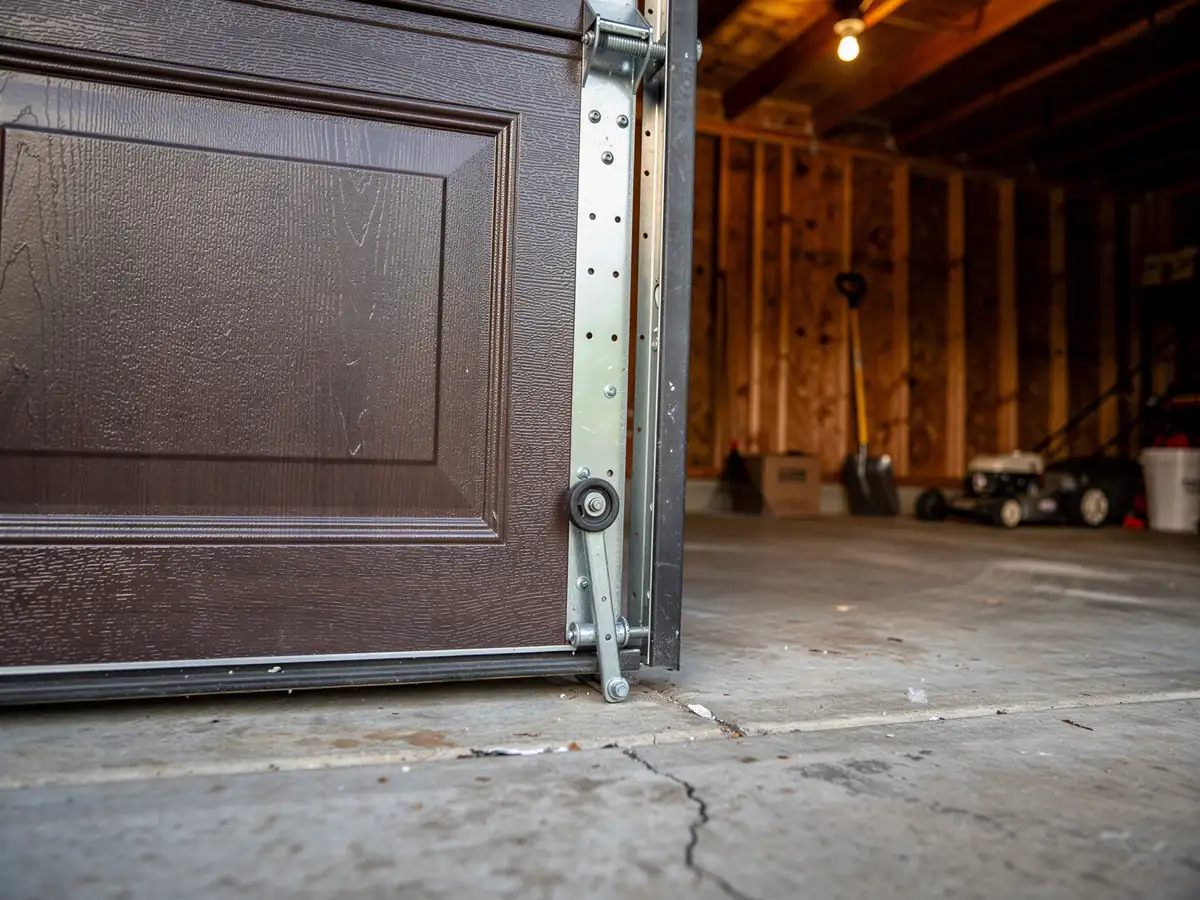
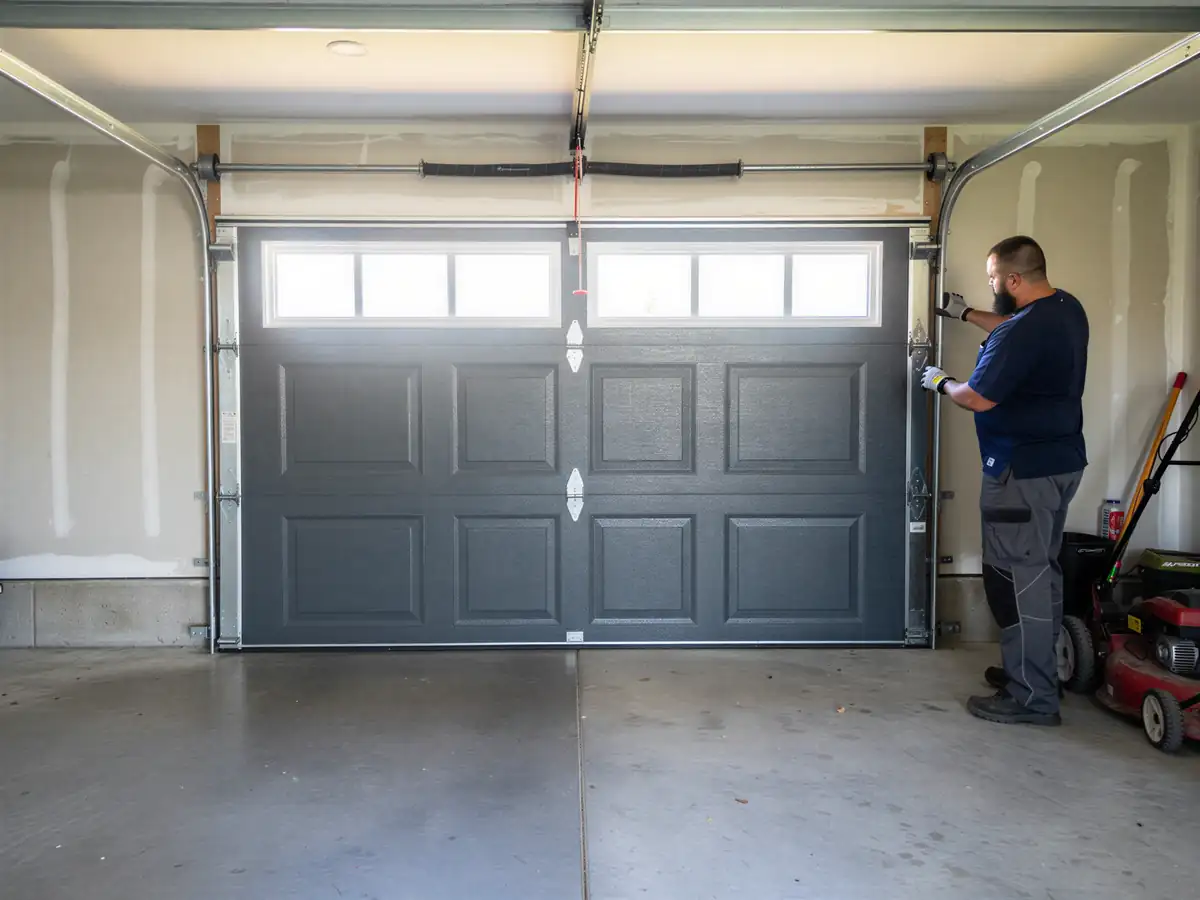
Green Oaks' housing runs newer than a lot of the broader service area - the typical house here dates to around 1990, while homes across the wider area we cover range from 1938 up through 2009 with a median closer to 1983. That gap matters: a 1990-era garage usually has a torsion spring system on standard track, not the older side-mounted extension springs you find on pre-1970 construction. The failure we actually see in Green Oaks isn't the door itself - it's a builder-grade torsion spring undersized for the door weight once a homeowner adds a heavier insulated panel. Original 1990s hardware wasn't speced for today's thicker doors, and springs cycle out faster under that load. Add the cold-moderate climate here, where steel contracts and lubricant stiffens through winter, and that undersized spring is the first thing to snap on a January morning. A new install gives us the chance to size the spring to the actual door weight instead of inheriting whatever the builder put in thirty-some years ago.