How We Fix It
Green Oaks sits about five miles from Lake Forest
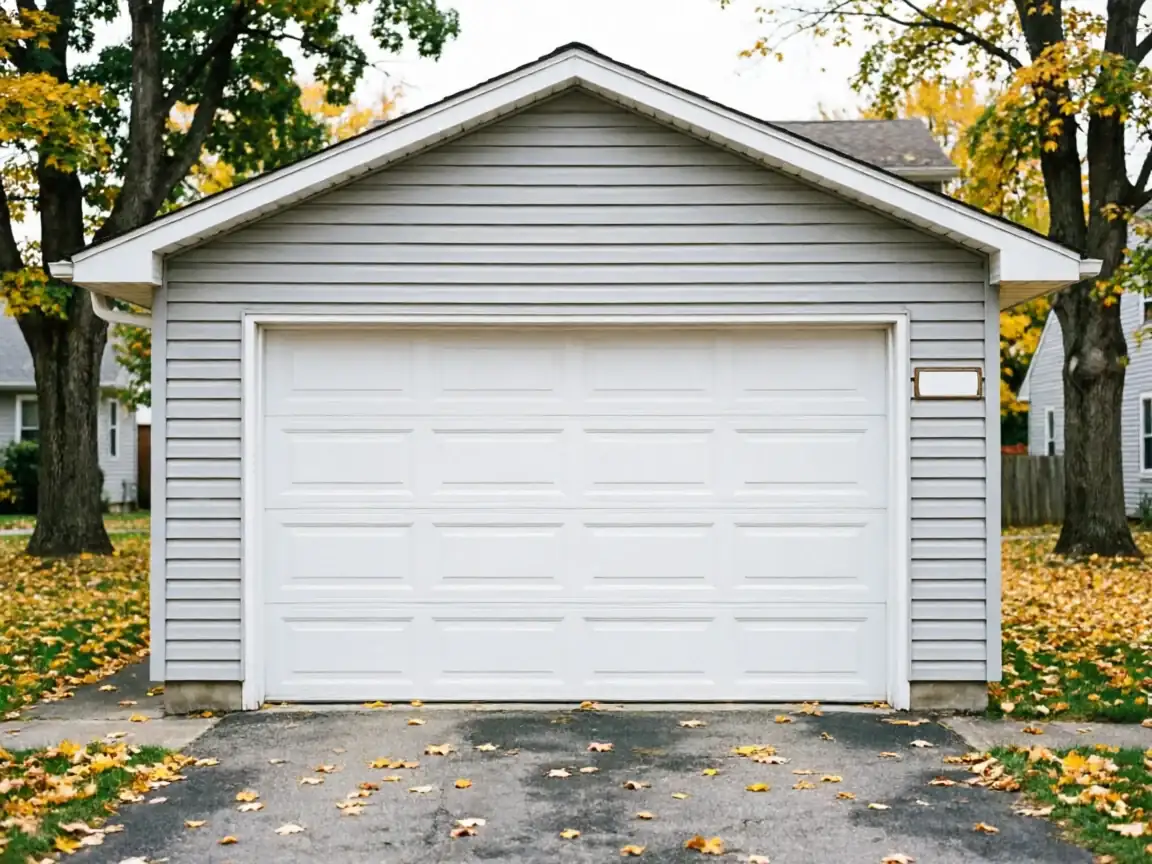
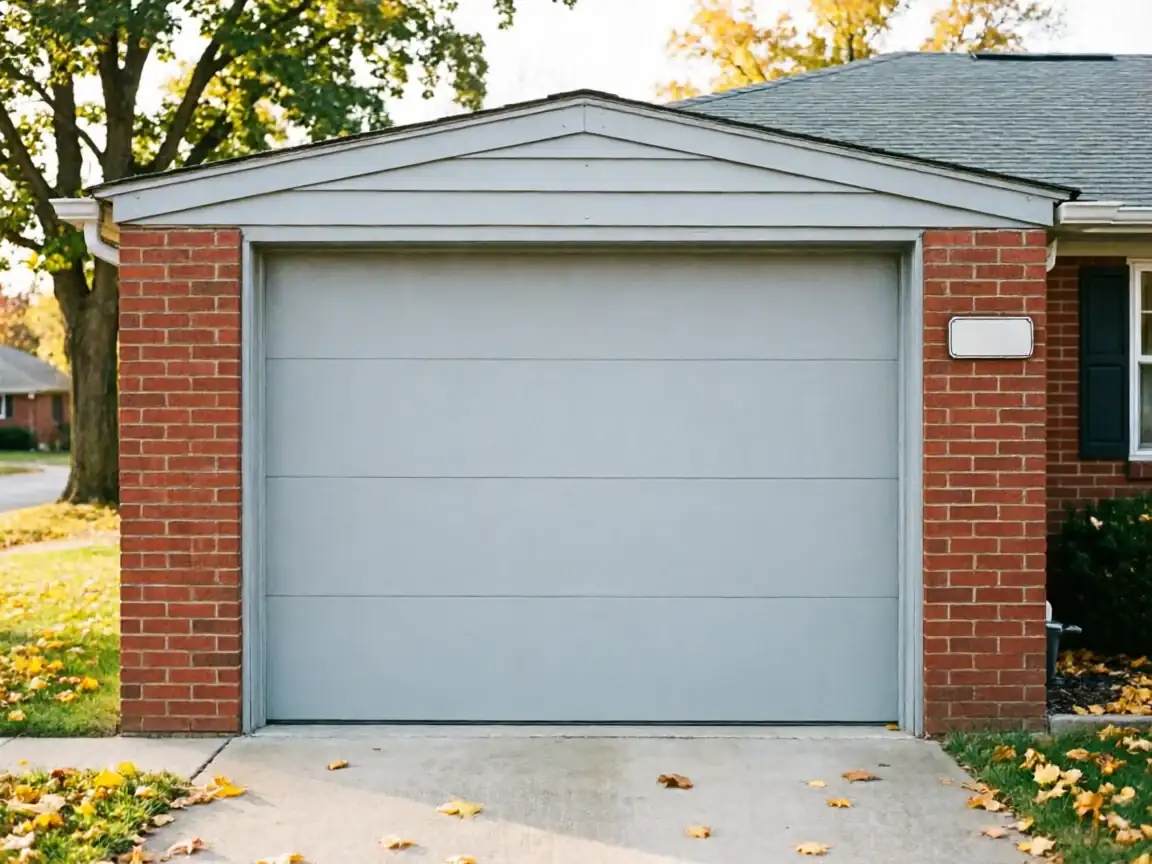
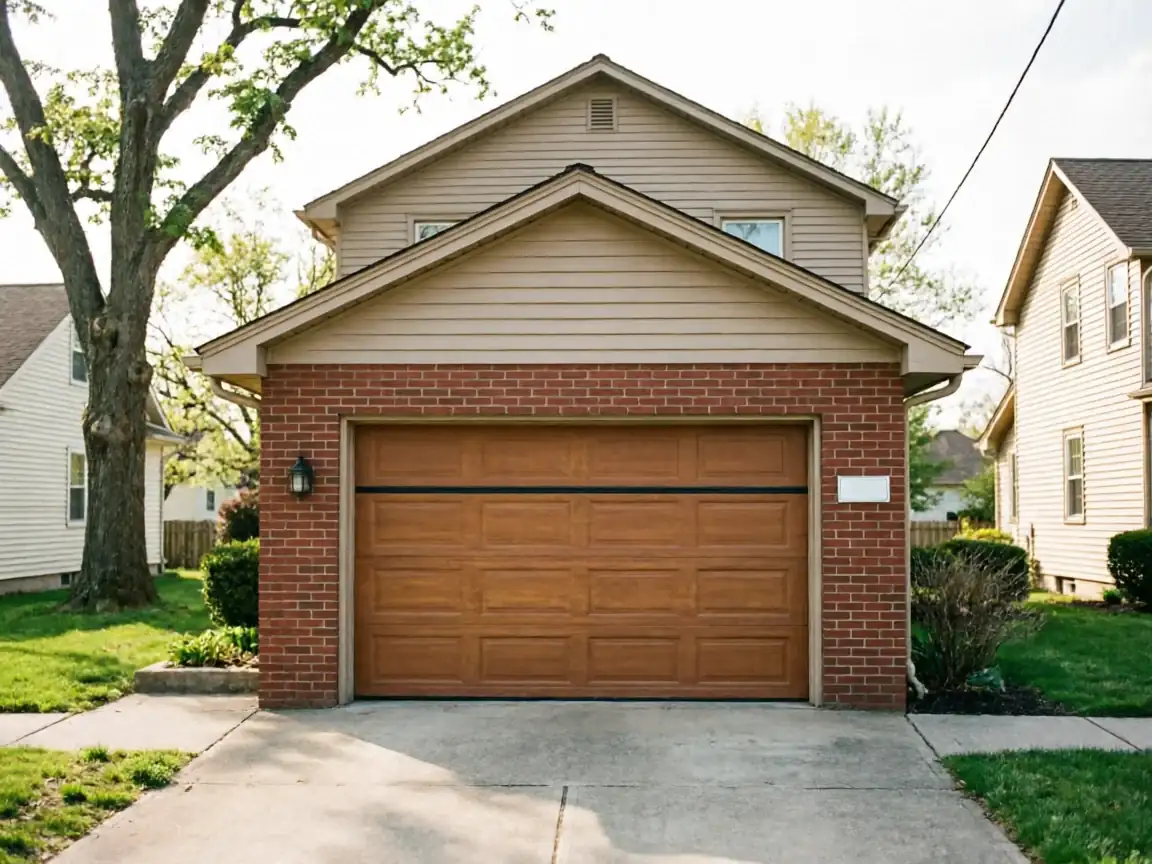
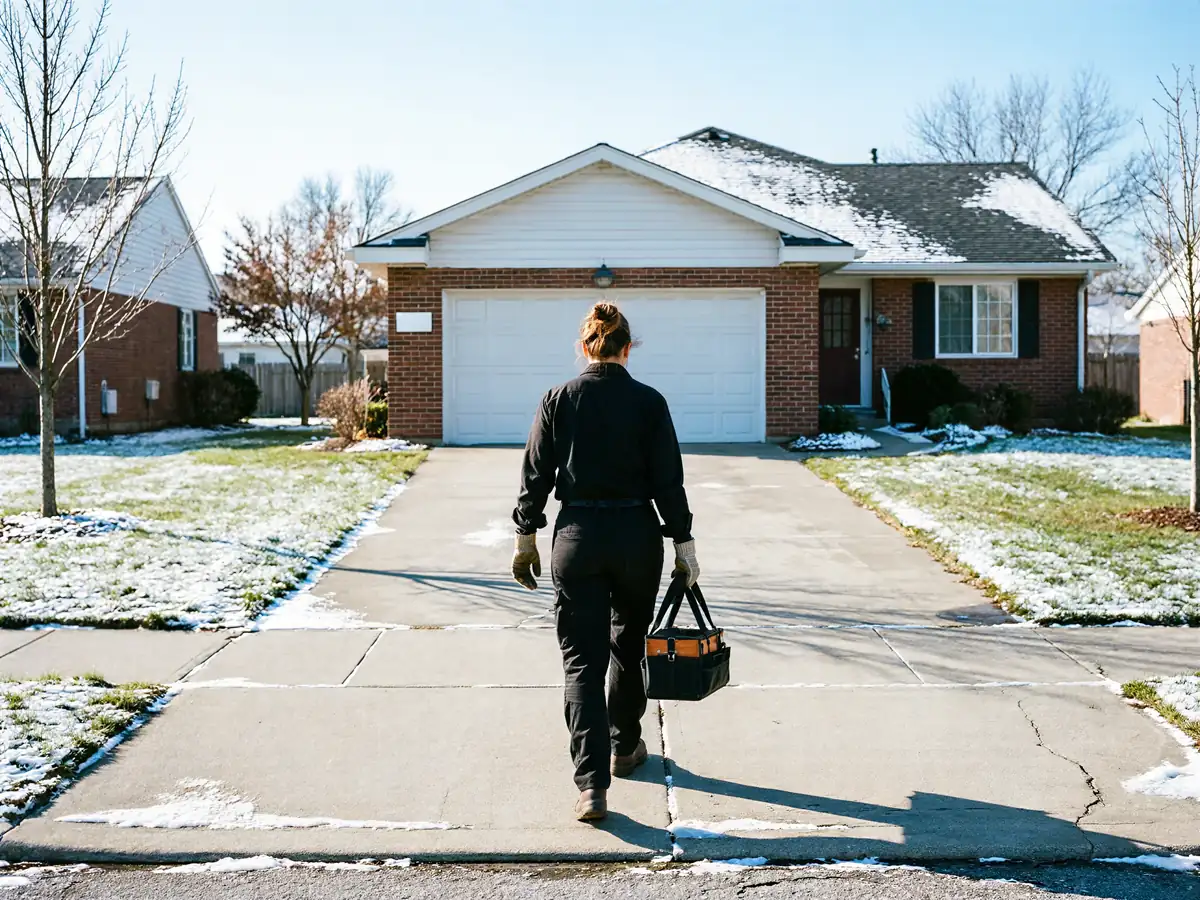
And the houses here skew newer than a lot of what we see closer to the lake - most of this town's stock went up around 1990, a good decade past the median build year for the wider service area. That matters for an off-track door. A 1990 build usually means extension springs or early torsion setups on steel tracks that are lighter gauge than what you'd find on an older Lake Forest house, and lighter track bends easier when a roller jumps it.
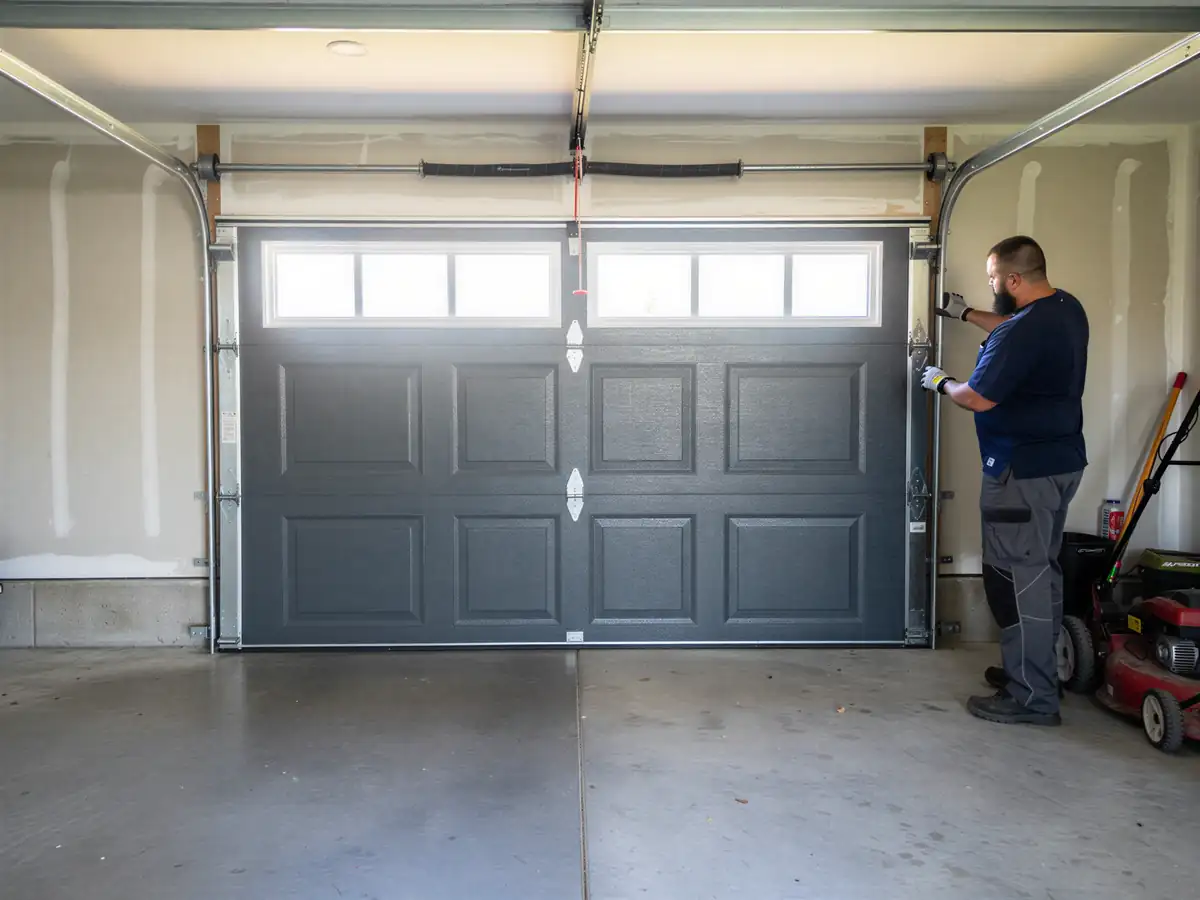
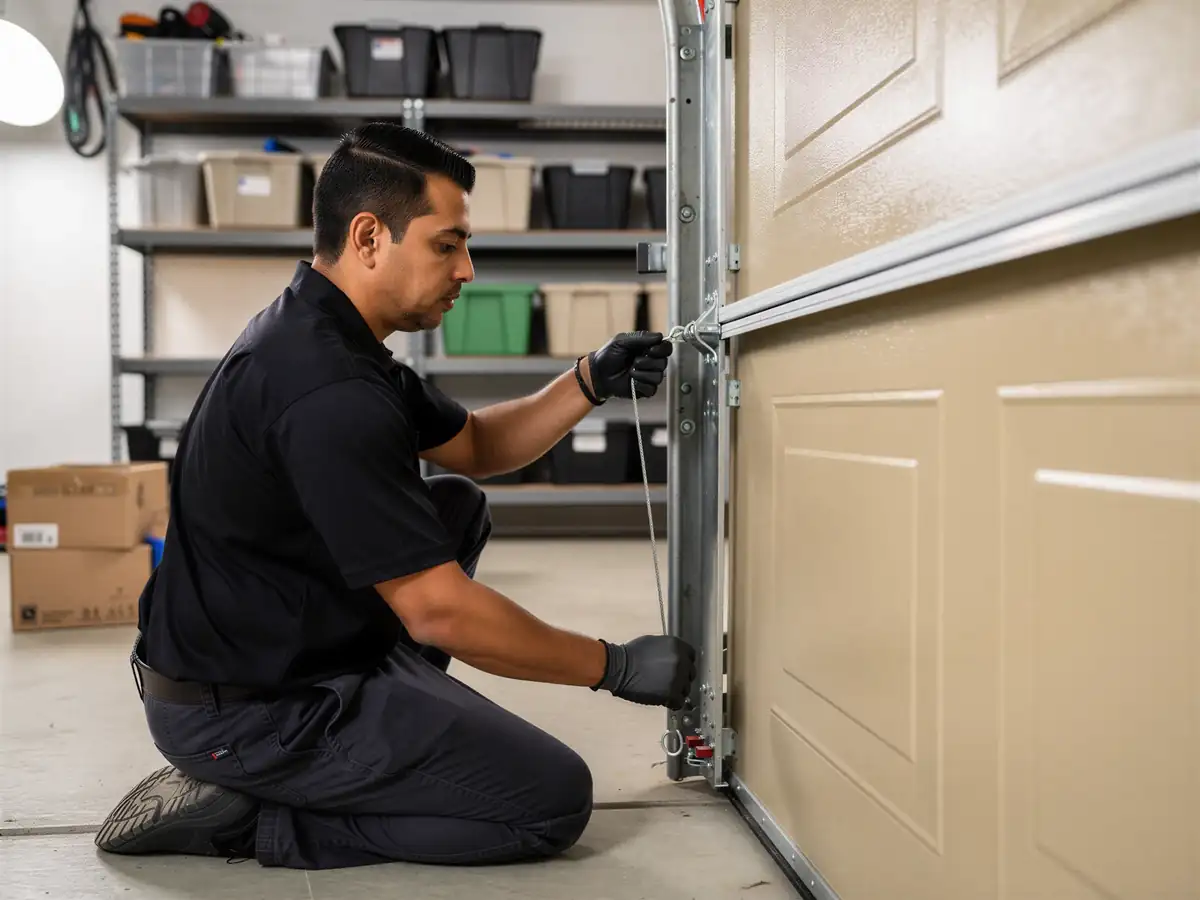
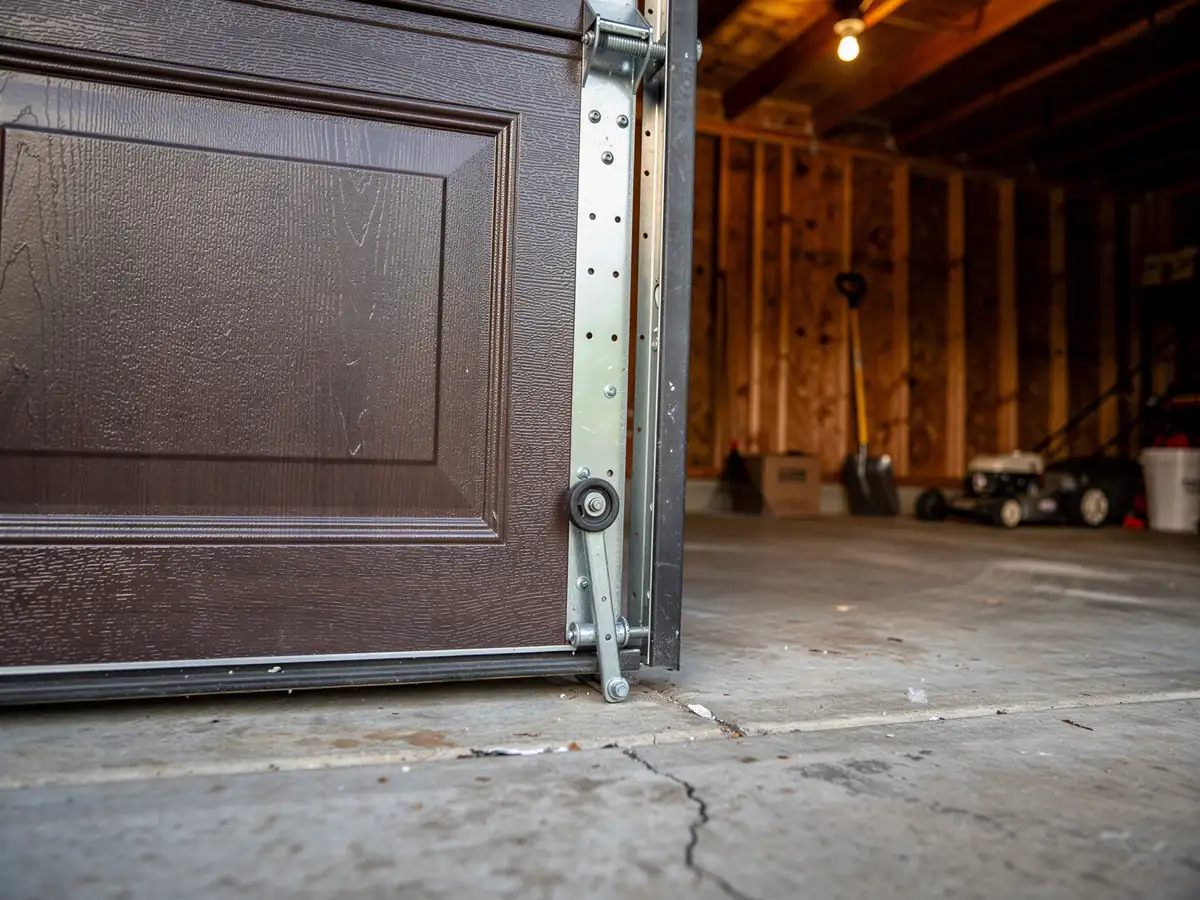
When we get out to a Green Oaks job, the first thing we check is whether the track itself is bent or just knocked out of alignment at the brackets
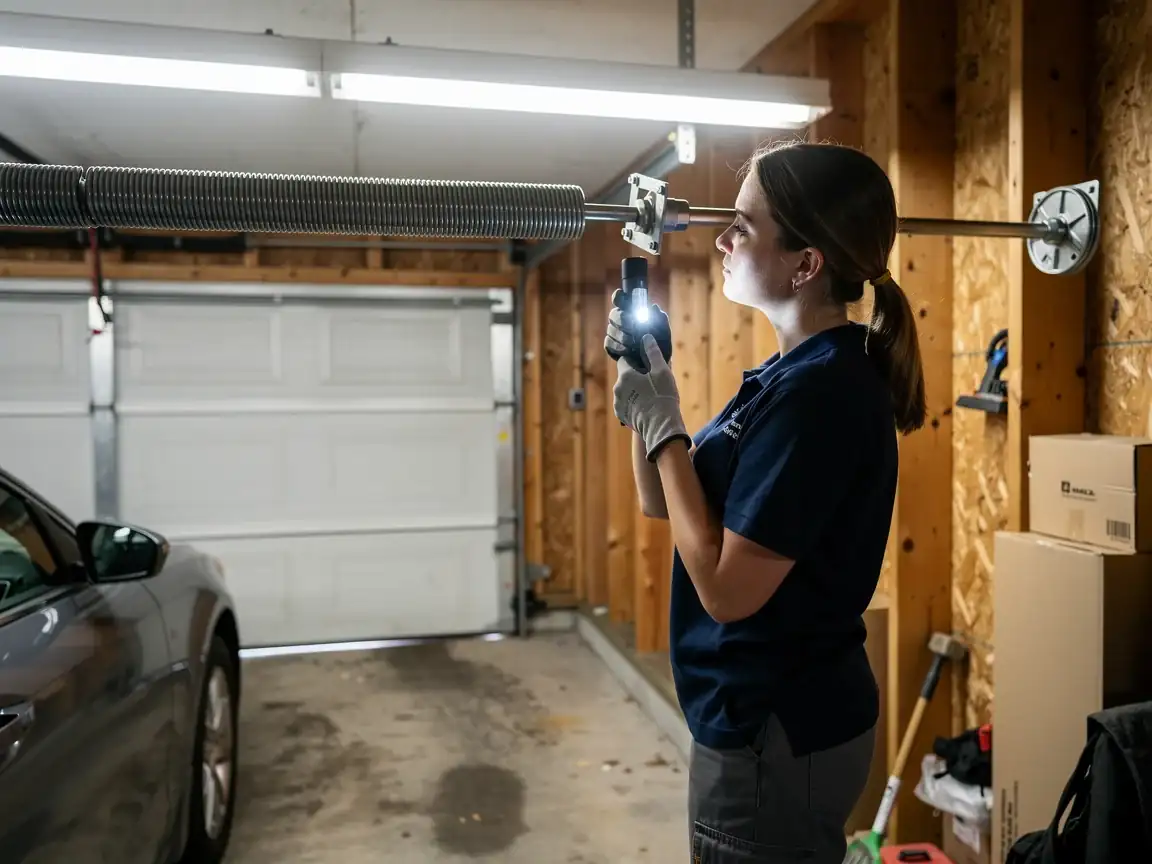
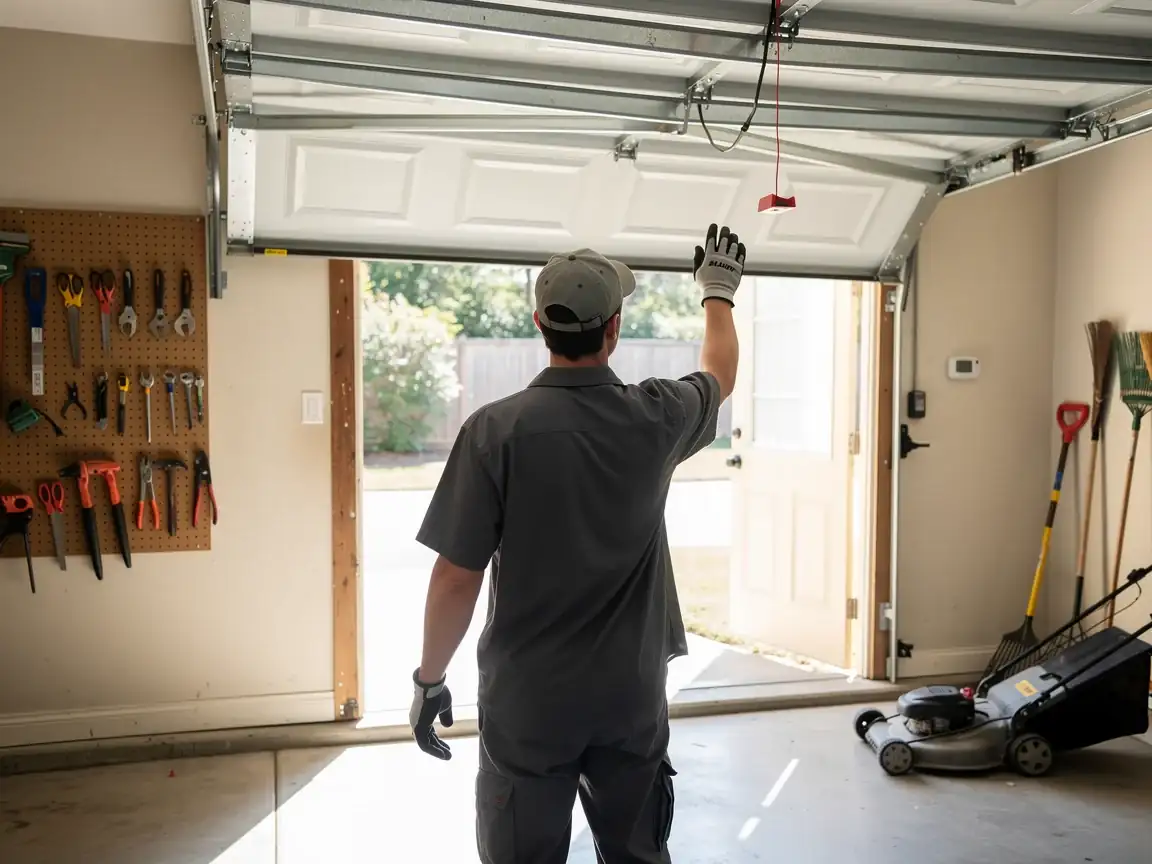
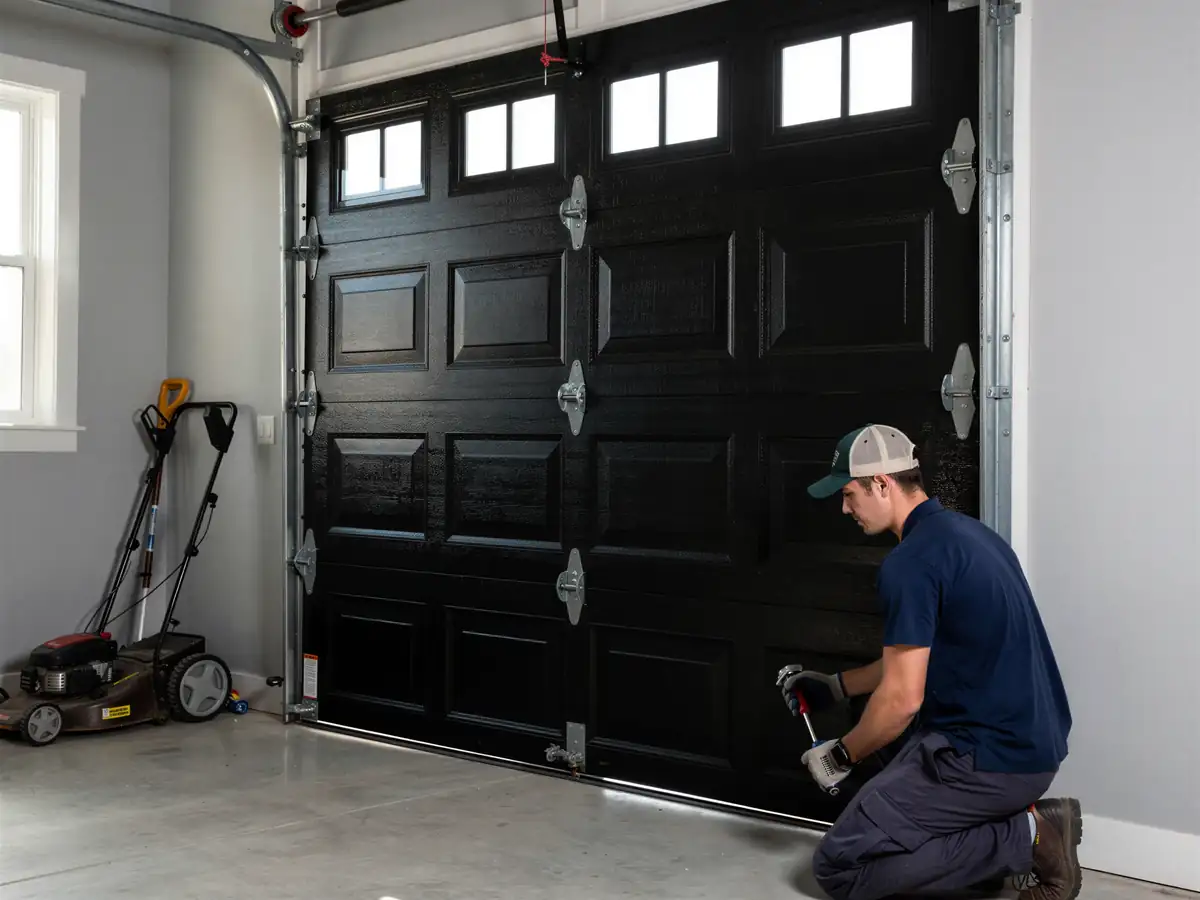
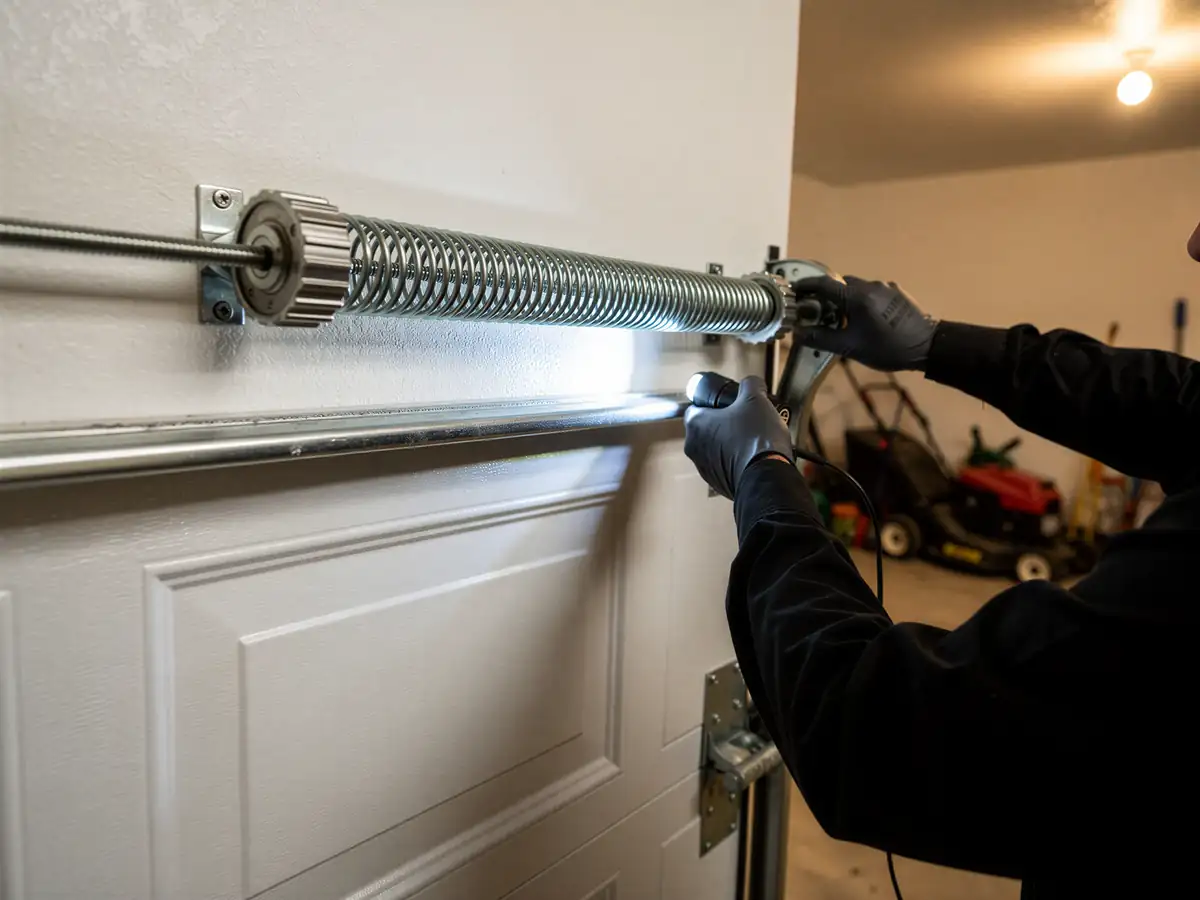
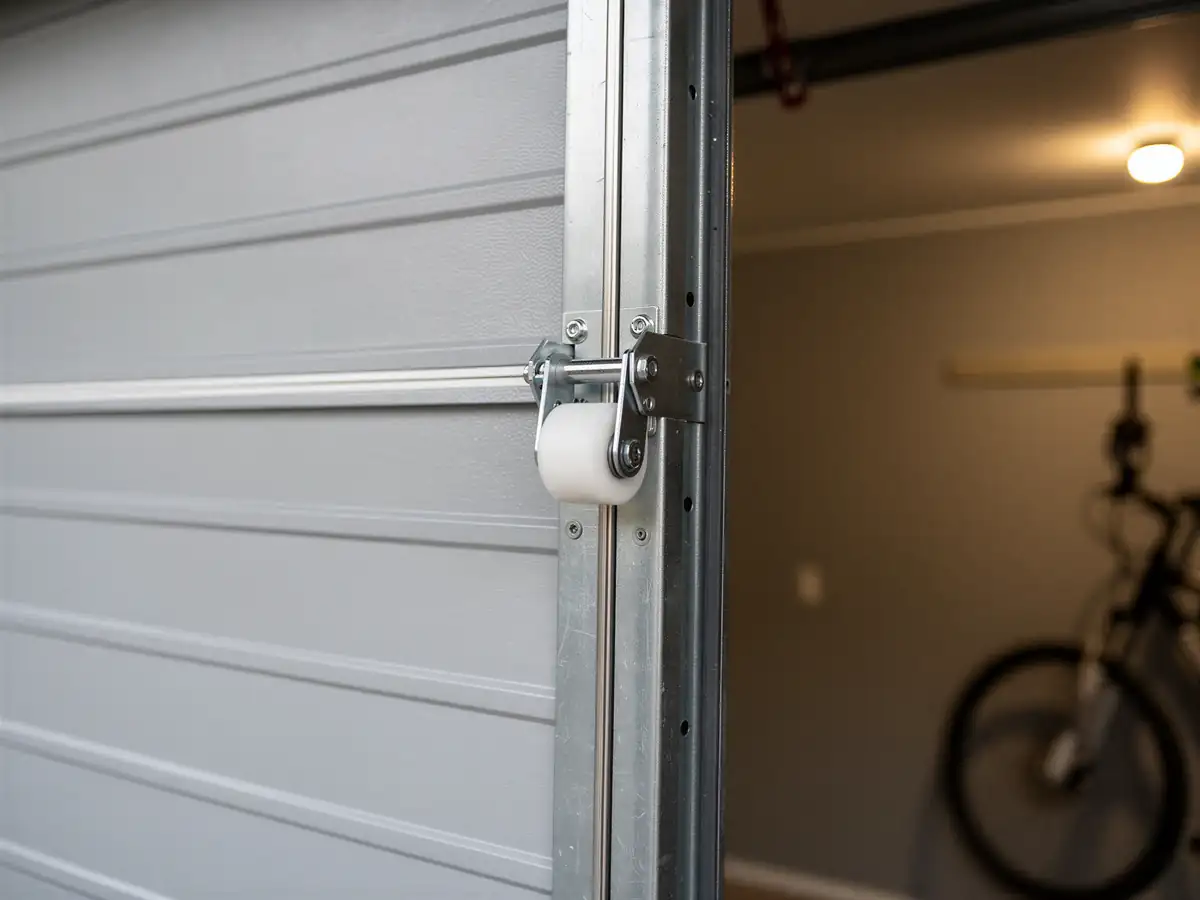
A lot of off-track calls on newer builds like this turn out to be a bracket that's worked loose over years of vibration, not a track that needs replacing. We re-seat the door on the track, check the rollers for wear, and tighten every bracket along the run before we test it under power. If the track is actually bent - which happens more when someone's tried to force the door past the jam - we replace that section rather than hammer it straight, because a hammered track will jump again.
We don't try to force a door back onto a track that's cracked at the weld
That's a track replacement, not a repair, and we'll tell you straight if that's what you're looking at.
How Long It Takes
Most off-track calls in a house from this era are a bracket and alignment job, not a parts-replacement job, so the actual fix usually runs under two hours once we're on site. If a section of track needs swapping because it's bent past straightening, add time for that - track isn't something we carry pre-cut to every size, so a bent section sometimes means a short wait on the right length coming in.
We travel to Green Oaks from Lake Forest, so get in touch early in the day if you want the job done same-day. We don't run a branch in Green Oaks itself; every job here is a truck coming from Lake Forest, which is part of why we'd rather diagnose the problem over the phone first than guess at parts before we arrive.
Why This Fails Locally
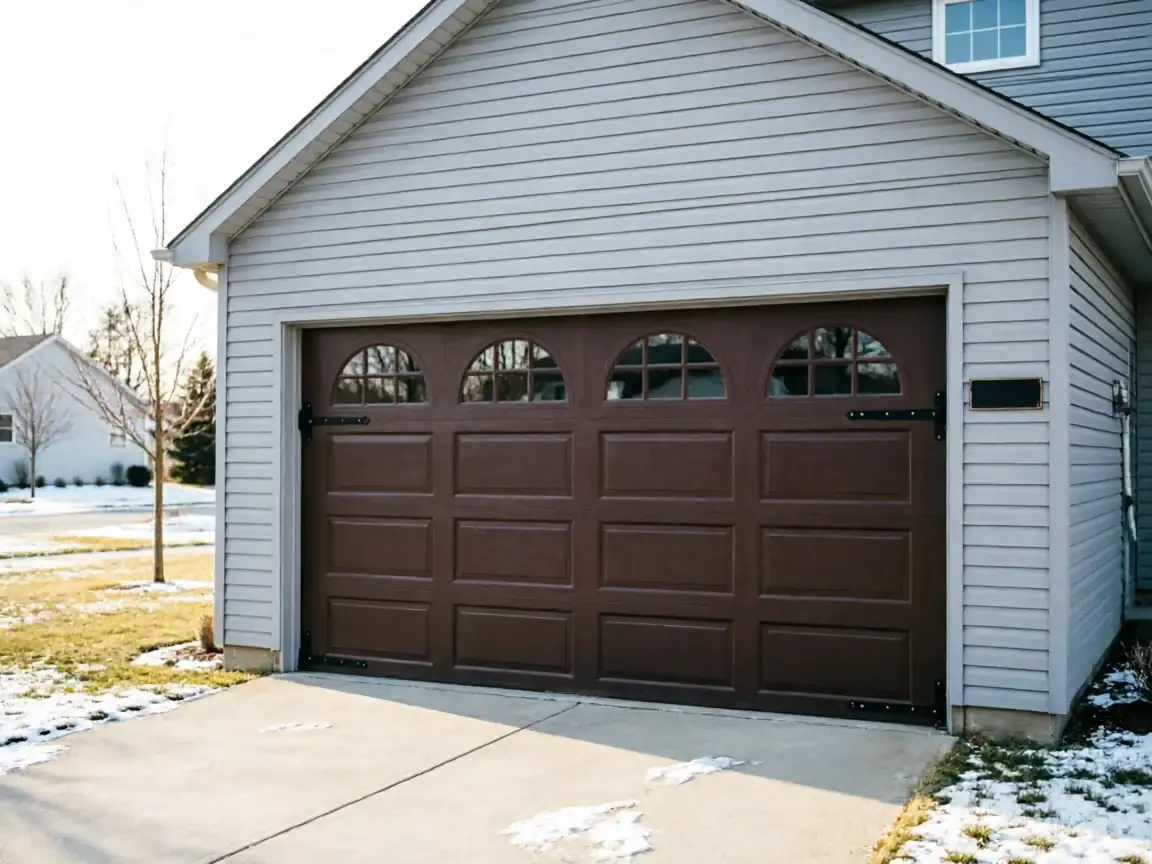
This part of the service area runs cold-moderate winters, and an off-track door often isn't really about the track at all - it's ice or compacted snow under one edge of the door that stops it from closing square, so the opener keeps pulling and a roller finally pops loose. On a house built around 1990, the weatherstripping and bottom seal are usually original or close to it, and seals that age don't always sit flush anymore, which lets more snow pack under the door than it should.
The other pattern we see in newer-build neighborhoods like this is a door that's been force-closed by the opener after something blocked it - a bike, a hose reel, a bin left too close to the track. The opener doesn't know the difference between resistance from ice and resistance from an object; it just keeps pulling until a roller jumps the rail. Either way, the fix starts with getting the door back on track, but we'll also point out if your seal or sensor setup is what's actually causing the repeat calls, since replacing the track twice a winter costs more than fixing the root cause once.
How to Book
If your door's hanging crooked or a roller's sitting off the rail
get in touch through the Green Oaks page and tell us what you're seeing - whether the door moves at all, whether it's one side or both, and roughly how old the opener is. That lets us bring the right hardware on the truck instead of guessing.
If you're dealing with a door that keeps running off track and you suspect it's more than alignment
Our Lake Forest off-track repair page covers the broader diagnostic steps we use across the service area, including when a full track replacement makes more sense than another patch job.