Doing It Yourself
The fault we see most in Winnetka isn't a snapped cable out of nowhere
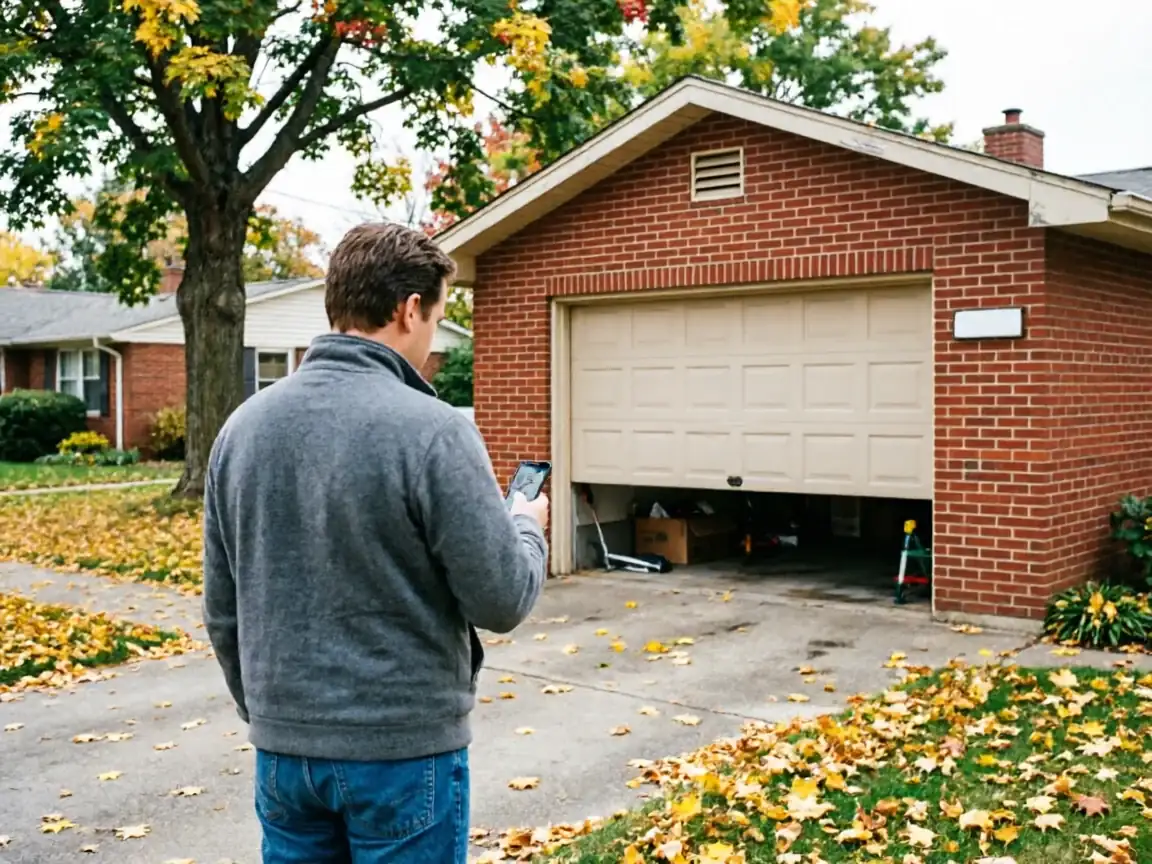
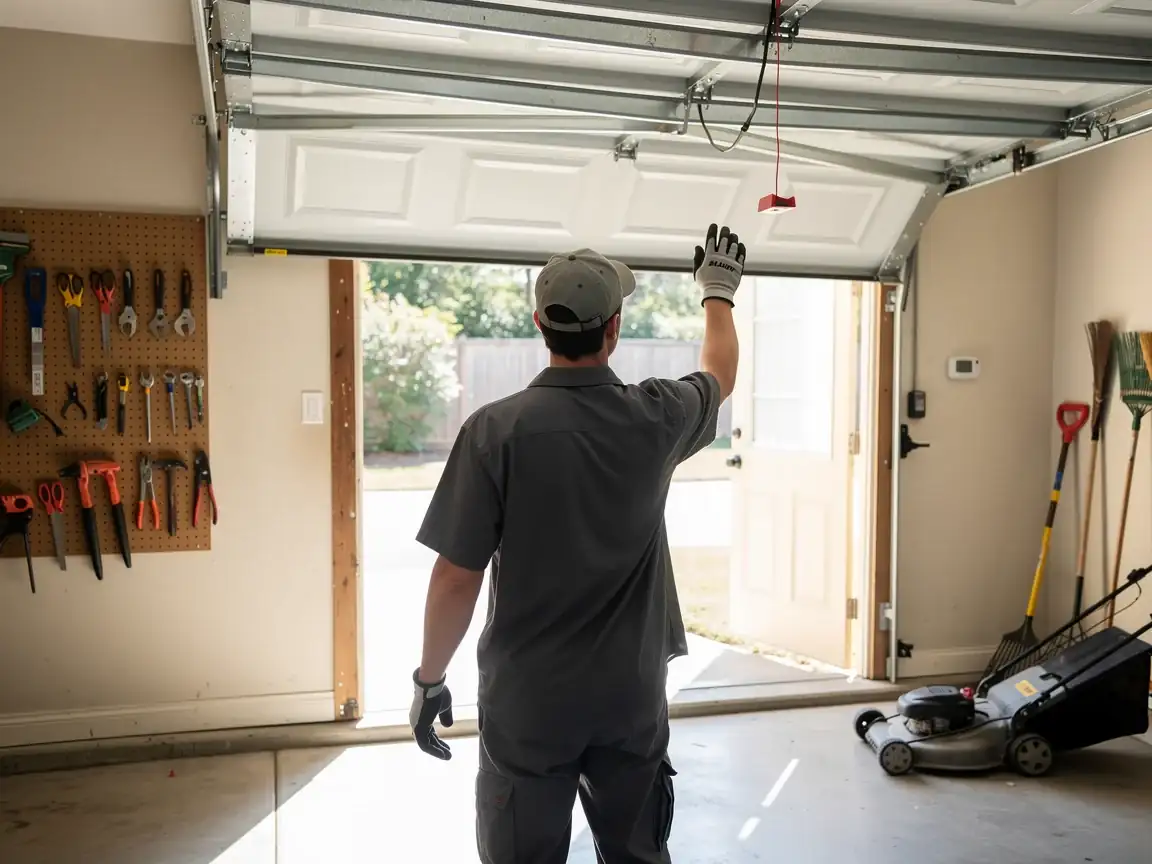
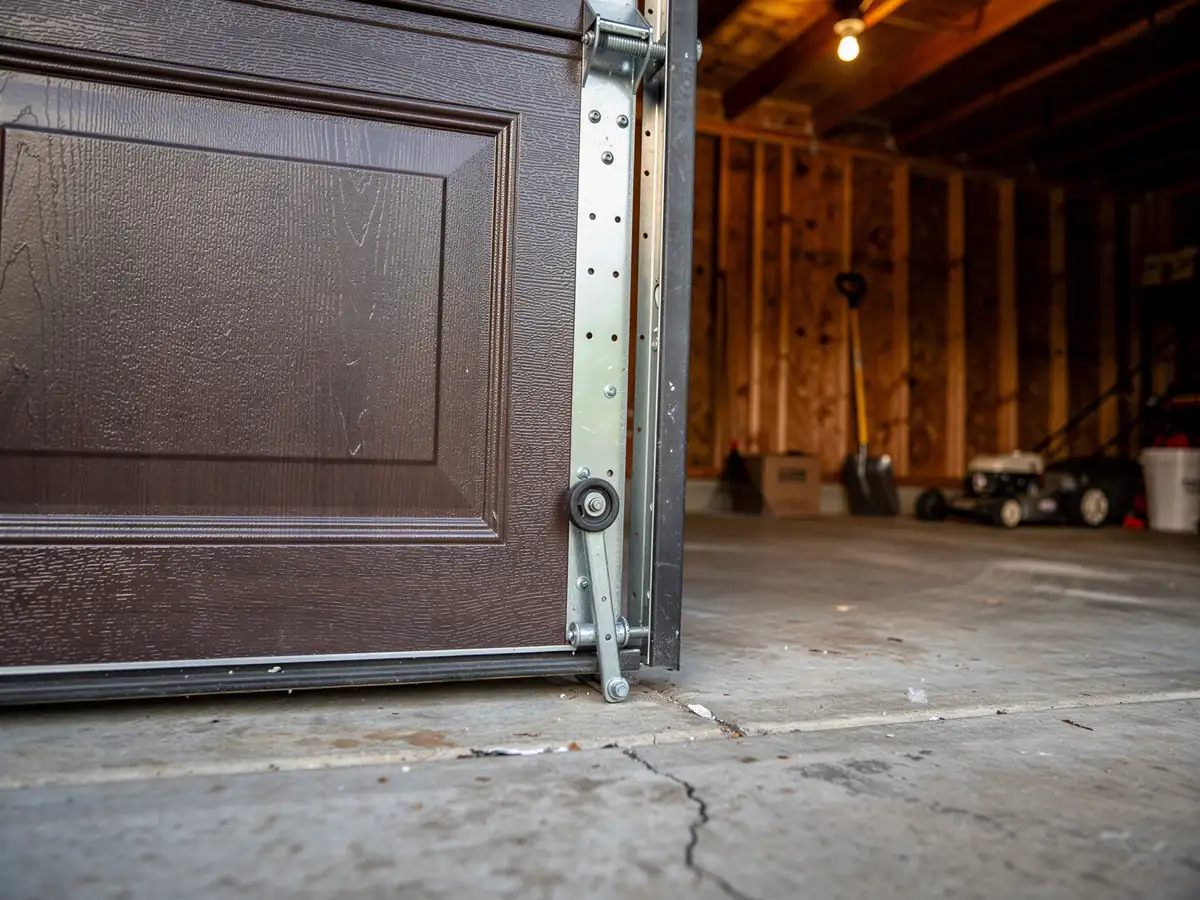
It's a cable that's been fraying against a worn pulley bracket for months before it finally lets go, usually when the door is halfway up. The door drops crooked, one side low, and the opener either stalls or keeps grinding against a cable that's already stripped its strands.
Winnetka's housing stock runs older than most of the towns we cover from Lake Forest
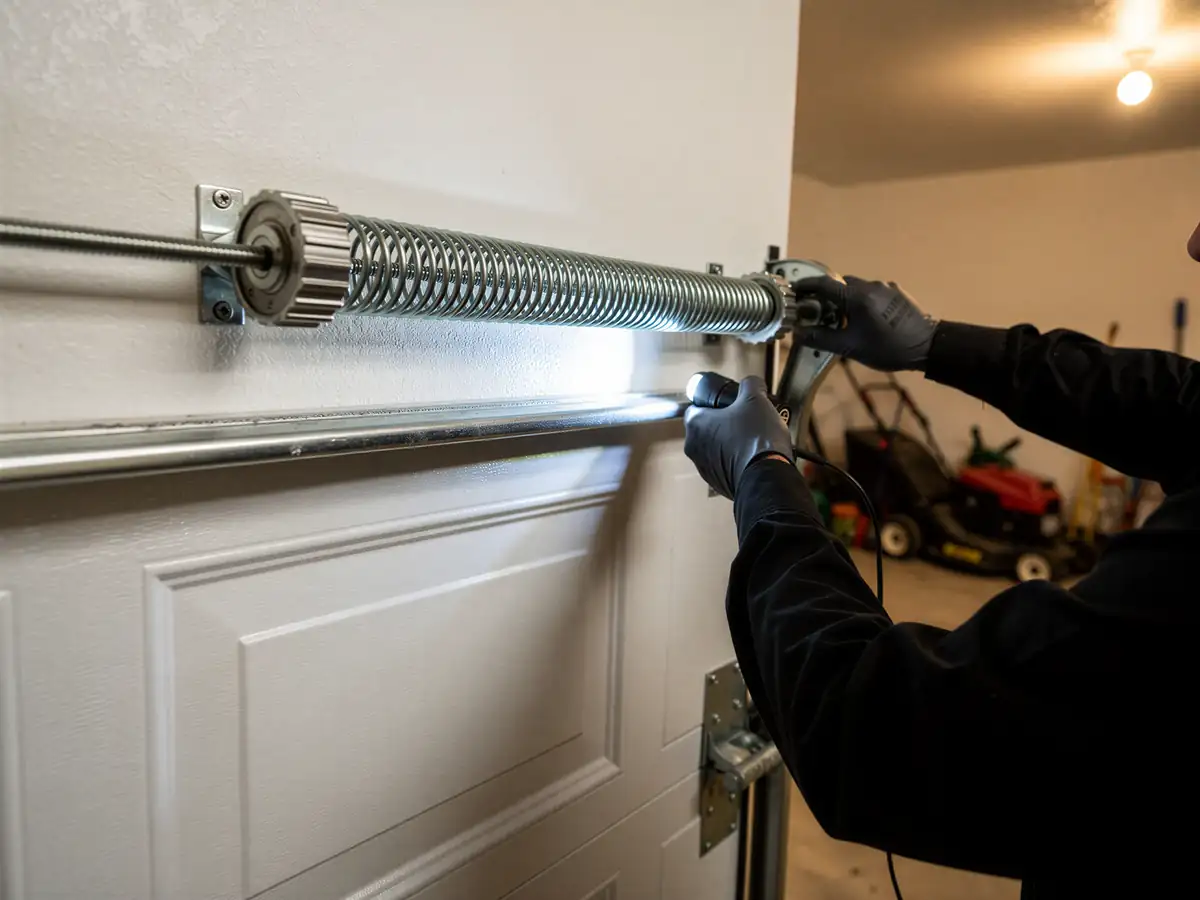
The median build year here is 1938, which puts a lot of these garages on original or early-replacement hardware. That means smaller-diameter drums, different cable gauges, and pulley brackets that don't match what's sold off the shelf at a hardware store today. Pulling a generic cable kit and trying to match it yourself is where most DIY attempts go sideways - the cable winds onto the drum wrong, the tension never balances, and you've got a door that slams instead of lowers. If the spring is also under tension when a cable breaks, do not touch it. That part of the job is not a weekend project, and we'd rather tell you that now than patch something that fails again in a month.
Why This Fails Locally
A cable that's rated for a standard 7-foot door built in 2005 isn't necessarily rated for the drum size on a door installed when the house went up, and in Winnetka that's often a lot further back than that. With a median build year of 1938, a good share of these garages were framed for doors and track systems that predate the galvanized, standardized cable most suppliers stock now.
The mismatch shows up as uneven wear - one cable frays faster than the other because the drums were never a matched pair to begin with, or a prior repair used a cable close enough in length but wrong in diameter. We've also found that in a town this size, with just over 4,200 households, the hardware variety per block is wider than you'd expect for the footprint - no two garages aging the same way at the same rate. That's not a knock on the houses; it's just what happens when a town keeps its original stock instead of a wave of teardown rebuilds. We bring drum and cable sizes in a few configurations on the truck specifically because of this.
How Long It Takes
We run this job from Lake Forest, about 11 miles south, so the time on your driveway starts once we're there - figure the drive itself as part of scheduling, not part of the repair. Once on site, swapping a single cable on a door that's otherwise sound usually comes in under an hour. If both cables need replacing, which we recommend doing together since the second one rarely has much life left in it either, plan for a bit longer.
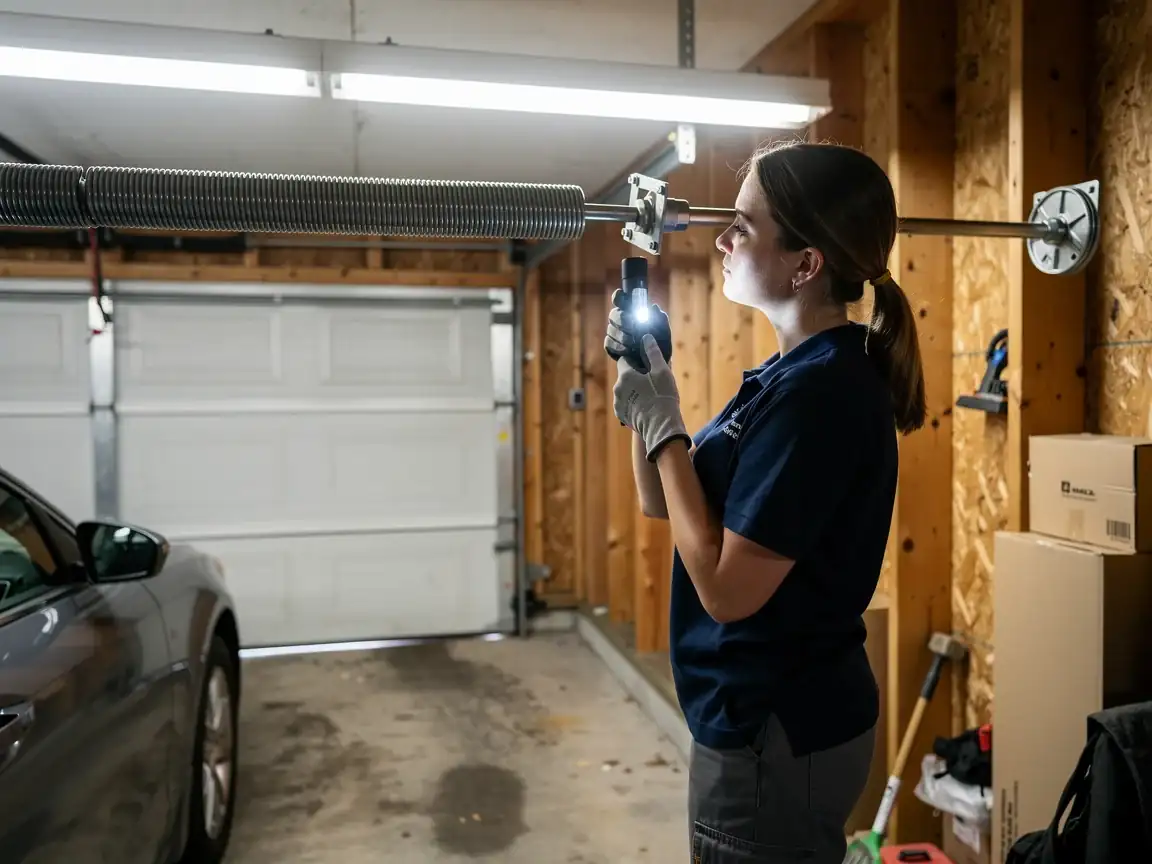
Where the time really goes is diagnosis on older Winnetka doors - confirming drum size, checking that the track hasn't shifted from decades of use, and making sure the opener's force settings aren't masking a second problem. We'd rather spend fifteen extra minutes checking than send you off with a door that's going to need a second visit. We don't carry every obscure drum size that exists for pre-war construction, so on rare jobs we have to source a part before we can finish - we'll tell you on site if that's the case instead of guessing.
What You Pay
We don't publish a flat number for cable repair here because the job really does vary by what's on your door
A single cable swap on a newer torsion setup costs less than replacing both cables plus a worn pulley bracket on an older drum system, and Winnetka has both kinds of doors in the mix. What we can tell you is that income levels in this area run well above the broader service region, and we've found that translates into homeowners who'd rather pay for the correct-gauge cable and a matched pair than a cheap patch that fails again in a season.
We price the job after we've looked at the drum, the cable gauge, and the pulley condition
Not off a phone description, because on a house this old the wrong guess costs you a second trip. If a spring is also compromised, we'll quote that separately so you're not paying to fix a cable twice.
How We Fix It
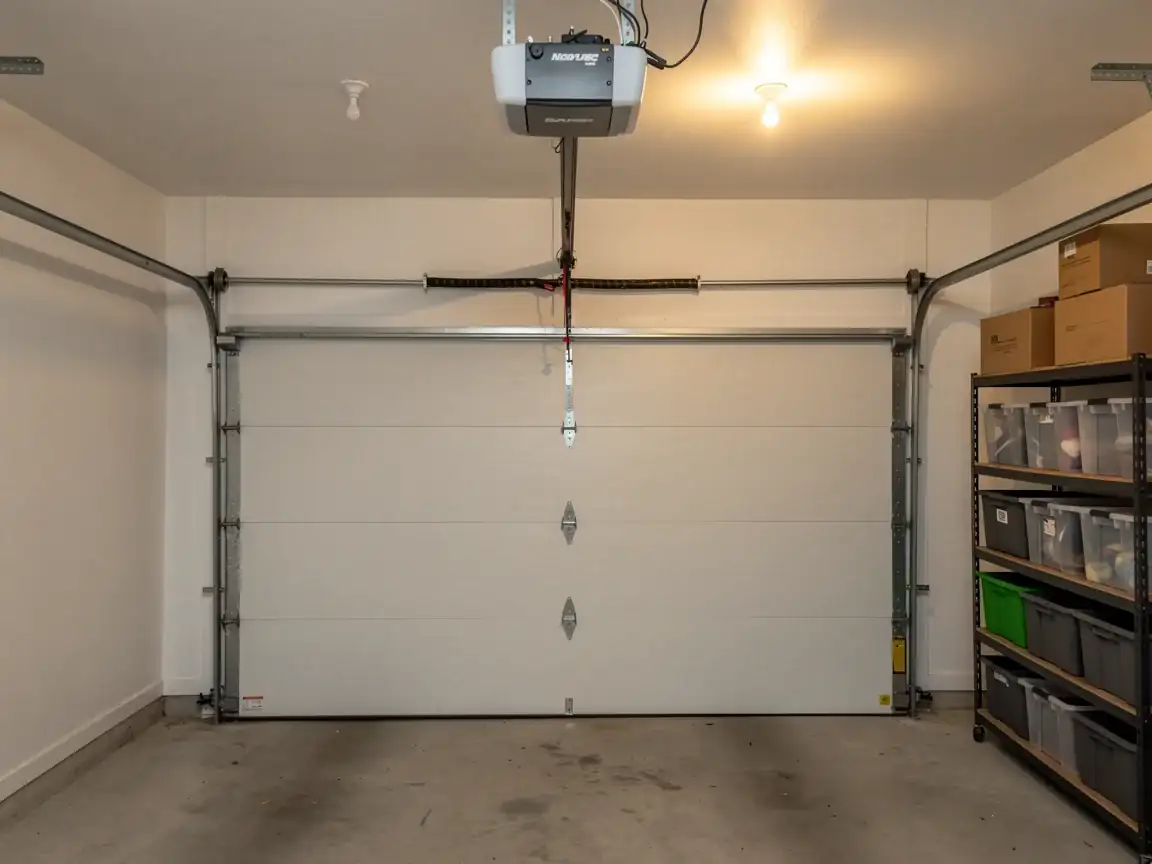
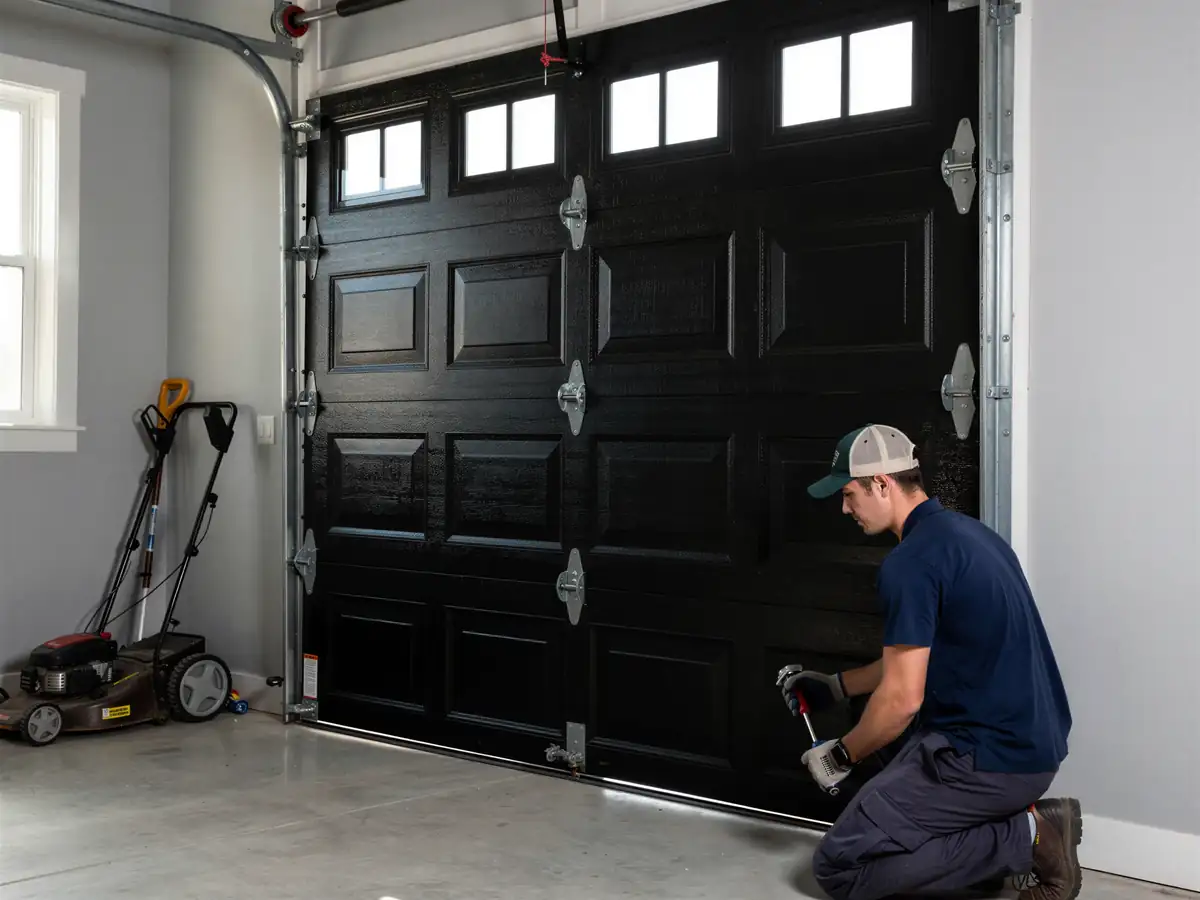
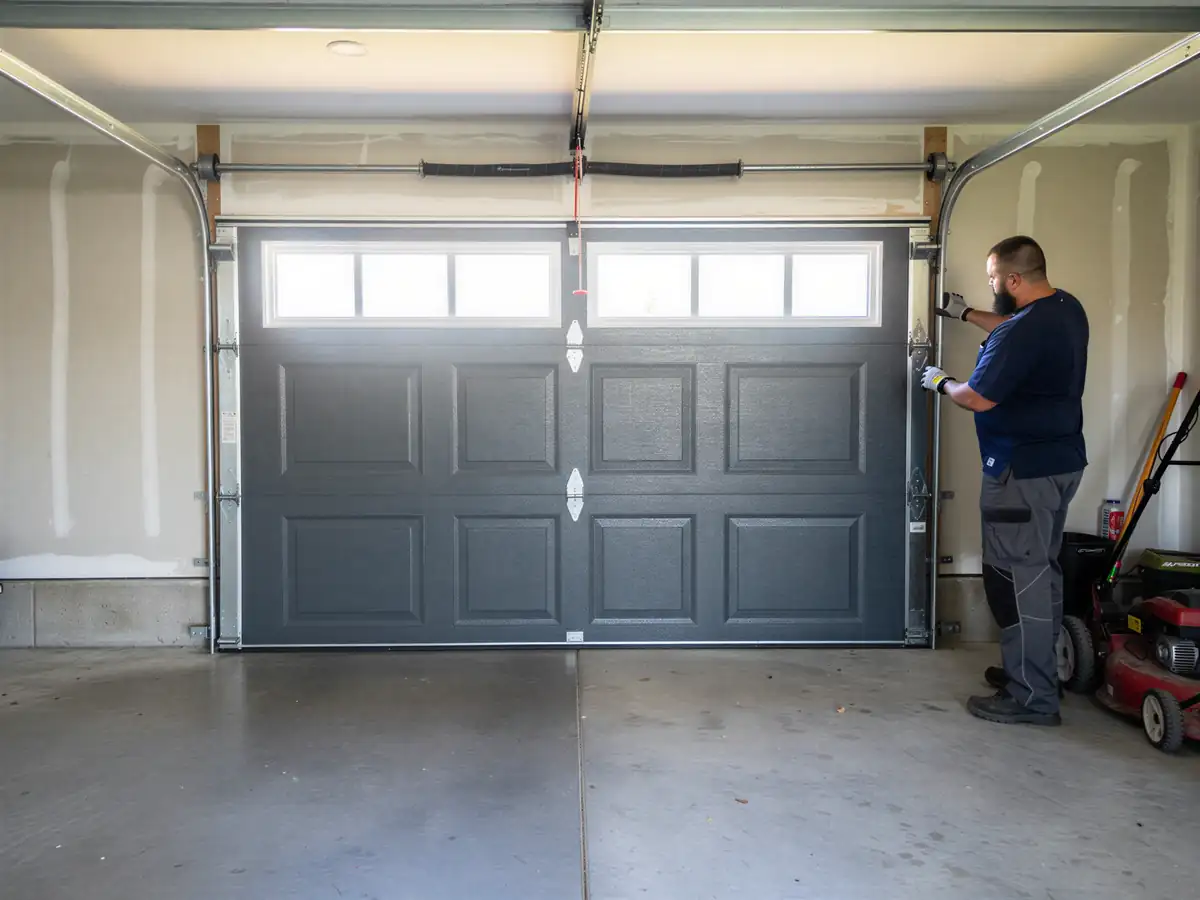
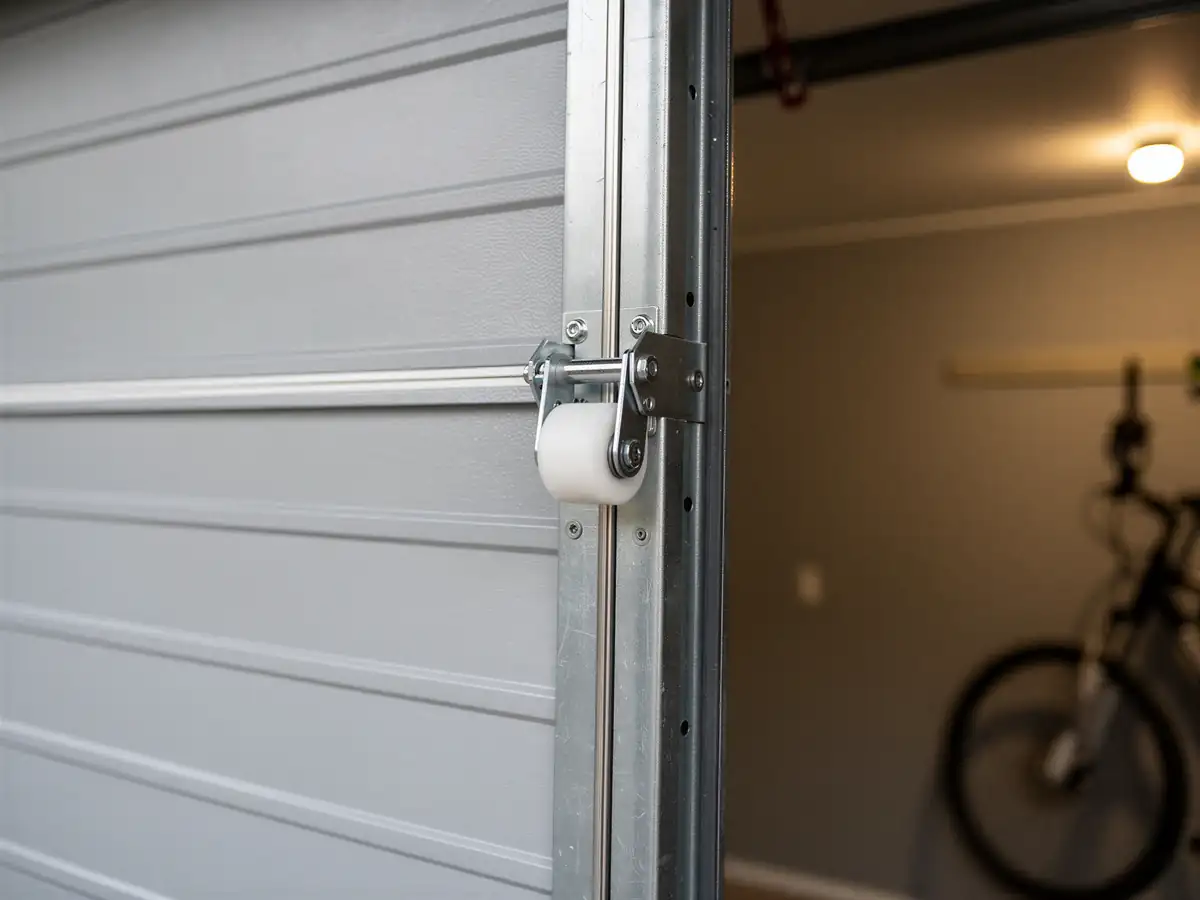
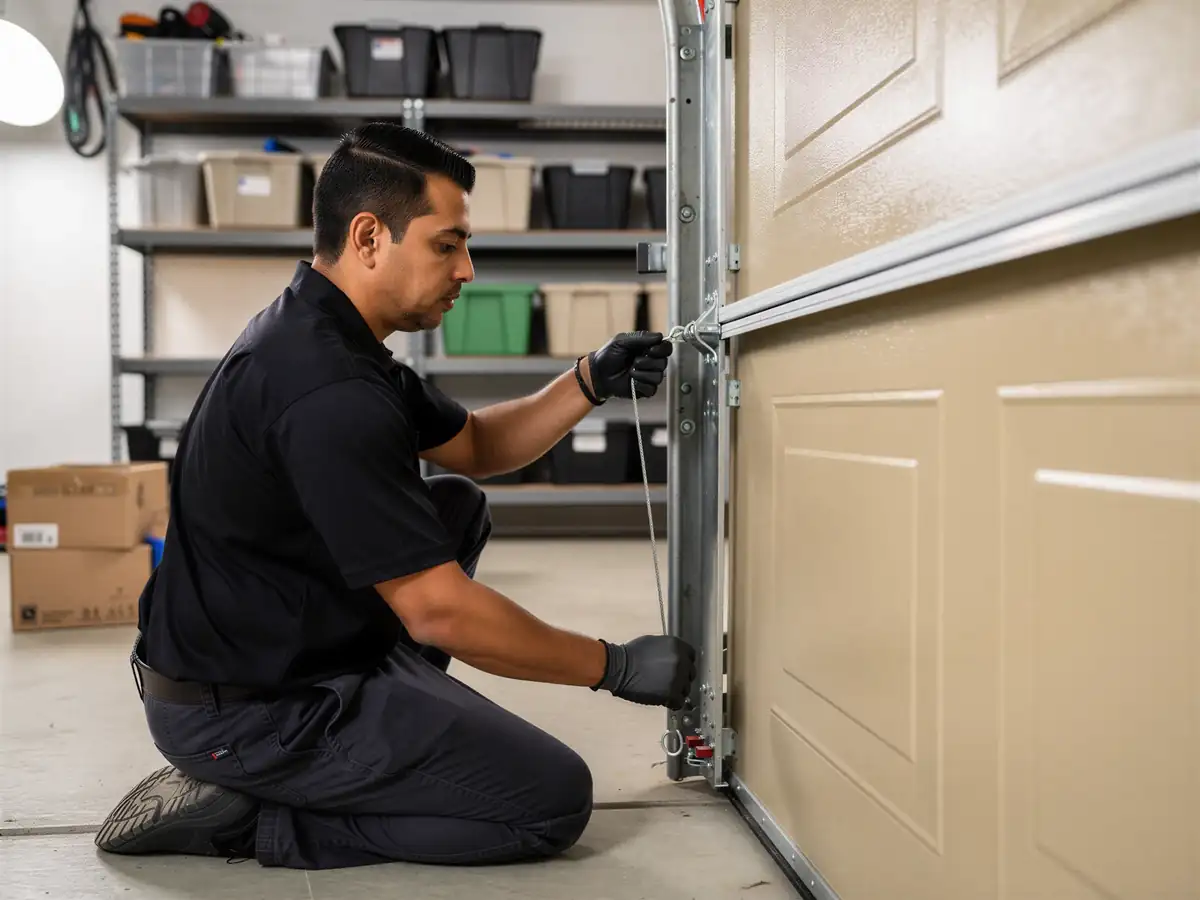
First we check whether the door is a torsion or extension system, since Winnetka's older stock has a real mix of both, then we check the drum for wear grooves that tell us the actual diameter and cable gauge we need - guessing here is how a repair comes loose in six months. We release tension safely, pull the old cable, and inspect the pulley and bracket it rode on, since a cable rarely frays on its own; something upstream usually caused it.
We replace both cables as a pair when one has already gone, re-wind the drum to the manufacturer spec for that door size, and re-tension before testing the door through a full open-close cycle under load. We check balance last - a door that opens smooth but doesn't hold position halfway still has a tension problem, not a cable problem. If we find the drum itself is cracked or undersized for a newer opener that's been added on since, we'll say so rather than bolt a new cable onto hardware that's going to strand it again.