Doing It Yourself
Winnetka is a small town
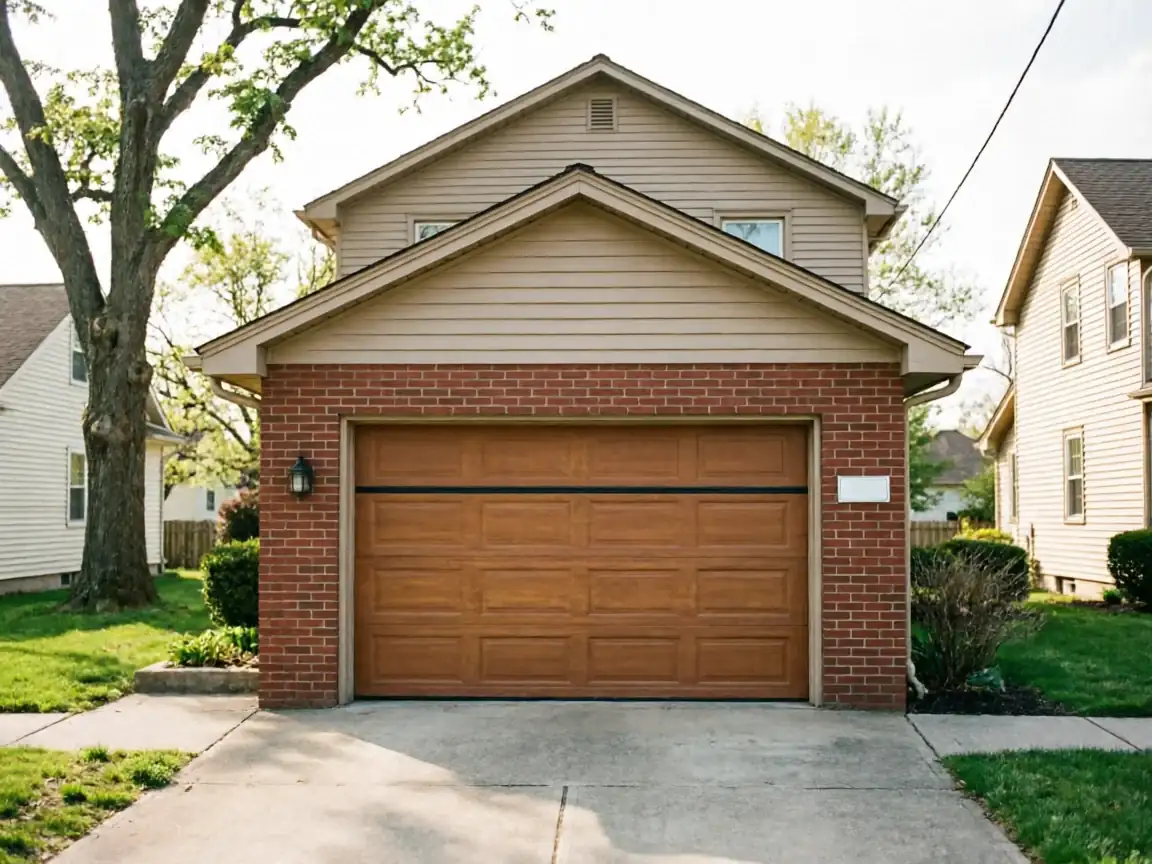
4,268 households, nowhere near the scale of the bigger communities we cover from Lake Forest. That size matters here: a lot of the calls we get aren't from a subdivision built in one stretch, they're from individual houses that have each aged on their own since the place was built. Winnetka's median year built is 1938, decades older than the 1983 median across our wider service area.
- 4,268 households
If you're looking at a stuck door or a spring that let go
The YouTube fix assumes a door built in the last 30 years: torsion springs on a steel track, standardized bolt patterns, a sectional door with uniform panels. A door from the 1930s-40s era doesn't play by those rules. Jambs settle out of square over eight decades. Hardware gets replaced piecemeal by whoever worked on it last, so you might find a newer opener bolted to a track that's never been re-leveled.
- 30 years
We're not saying don't try
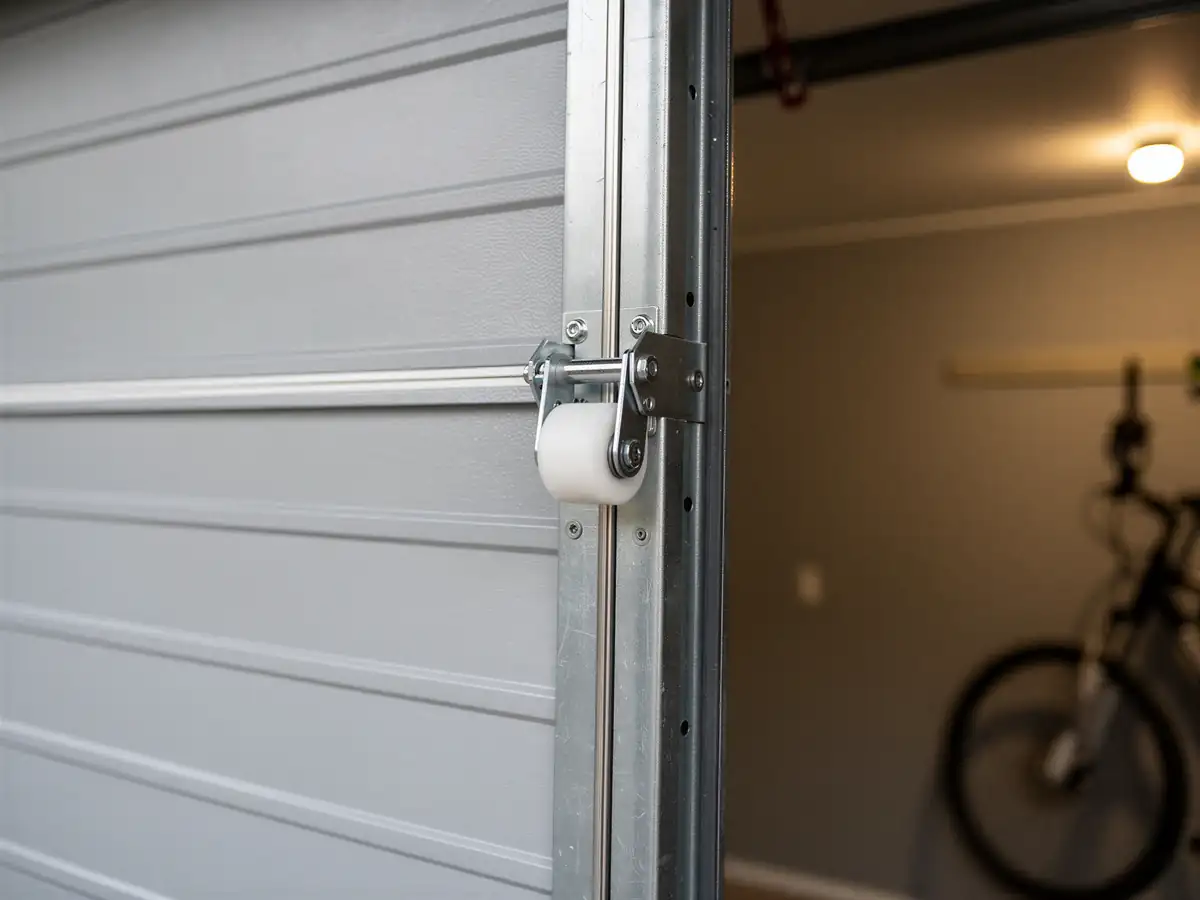
Tightening a loose roller bracket or lubricating hinges is fine on any door. But if the fix involves springs, cables, or anything under tension, an old door with unknown hardware history is a bad place to learn that lesson.
Why This Fails Locally
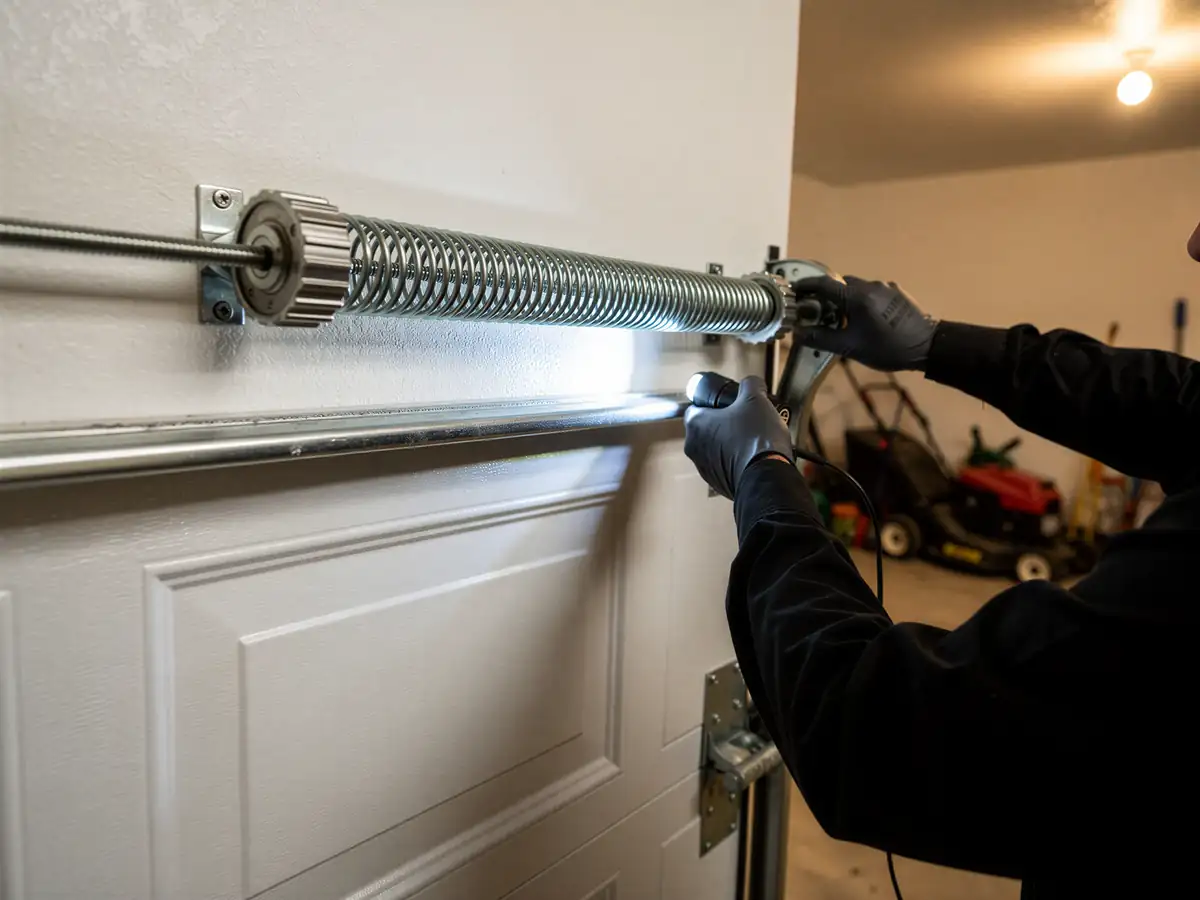
Here's the mismatch: most repair guides and most stocked parts are sized for the 1980s-90s housing boom that produced the bulk of homes across our service area. Winnetka's housing predates that by 40-50 years in a lot of cases. A door installed or last replaced when the house was newer can run on extension springs mounted along the horizontal track instead of a torsion bar over the opening - older hardware, different failure pattern, different fix.
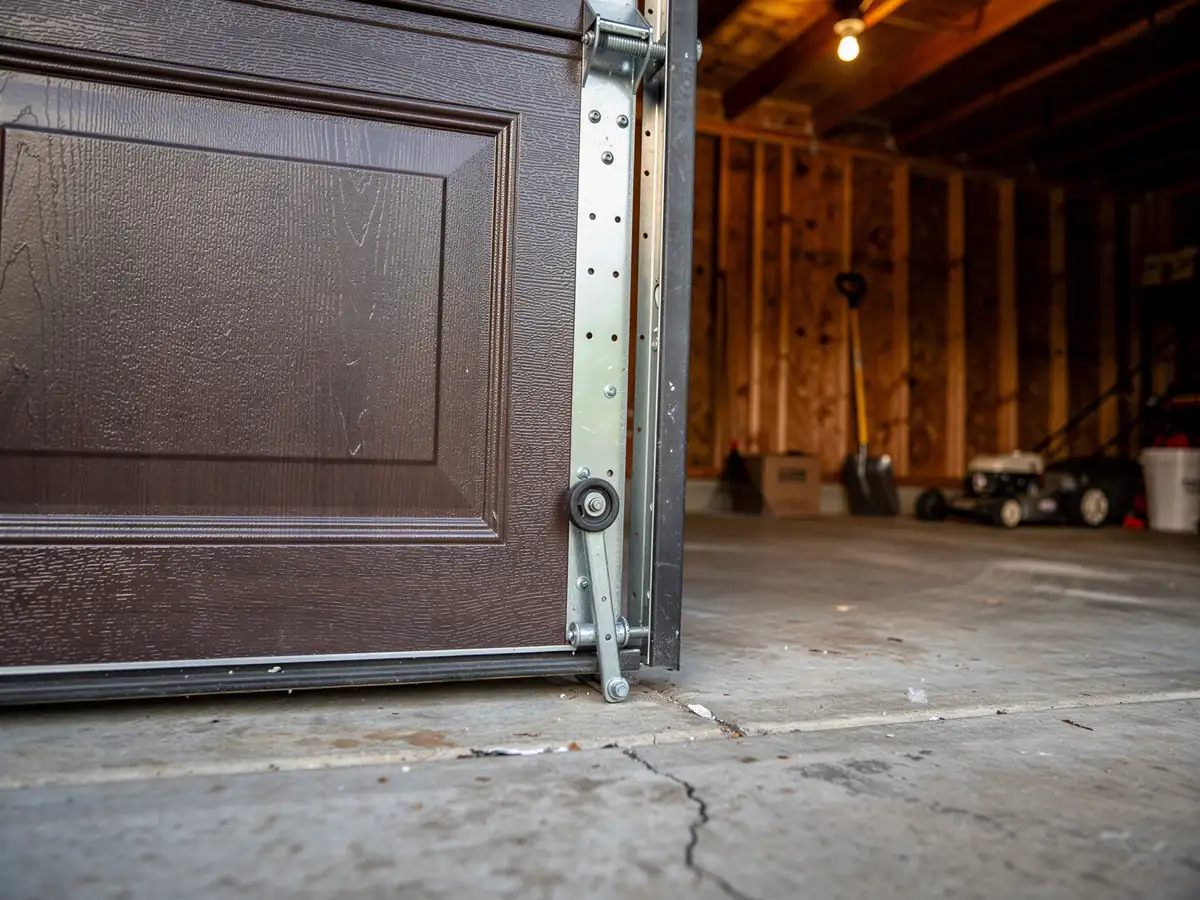
We also see narrower original openings that got a replacement door at some point that's close but not quite matched to the original track width. That shows up as binding on one side, a door that walks instead of sliding straight, or rollers wearing unevenly. None of that is something a generic parts kit solves.
The service area runs cold-moderate climate, so winter contraction on original steel track and aging hardware is a factor on the older stock everywhere we go, Winnetka included. On a door this age, a cold snap is often what turns a marginal spring into a broken one.
How Long It Takes
We run this from Lake Forest, and Winnetka sits about 11 miles out - the farthest routine stop on this side of our coverage. That's a real number, not a formality: it means we schedule Winnetka calls in a block rather than as a quick add-on between closer jobs, and same-day availability depends more on what else is on the truck that day.
Once we're there, diagnosis on an older door usually takes longer than on a 1990s door, simply because we're tracing hardware history instead of matching a known spec sheet. A straightforward spring or roller job is still a same-visit repair. A door where the track, opener, and panel are all from different decades sometimes needs a second trip if a part has to be sourced to match non-standard dimensions.
What You Pay
We don't post flat prices for Winnetka because the work here varies more than it does in neighborhoods built in one wave
A torsion spring swap on a standard door is a predictable job. A repair on a door with 1938-era opening dimensions or mismatched hardware takes more labor and sometimes a part that isn't off-the-shelf, and that shows up in the bill.
Winnetka's median household income is $250,001, well above the broader service area's $124,847
And we mention that only because it's relevant to one thing: parts sourcing. Homeowners here are more likely to ask us to track down a correct match for an older or higher-end door rather than swap in the nearest generic replacement, and that's a legitimate choice, just one that takes more time to price.
How We Fix It
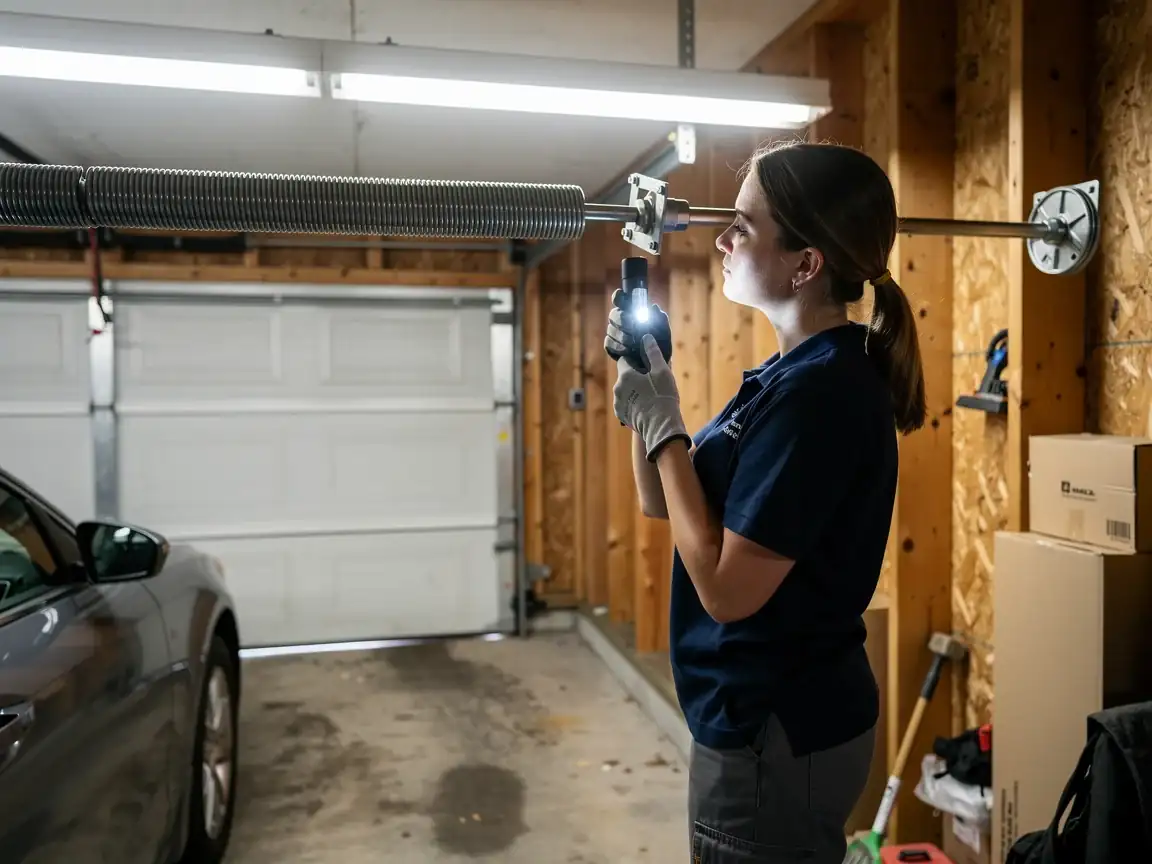
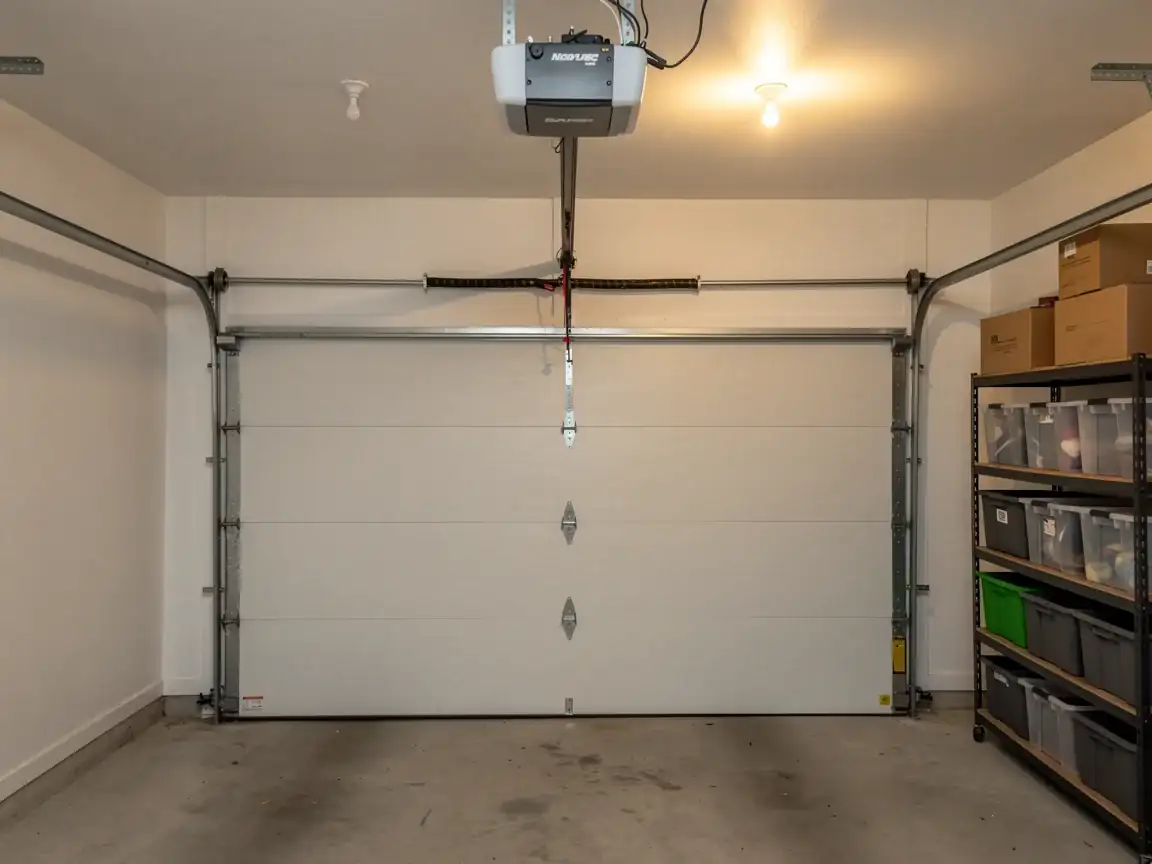
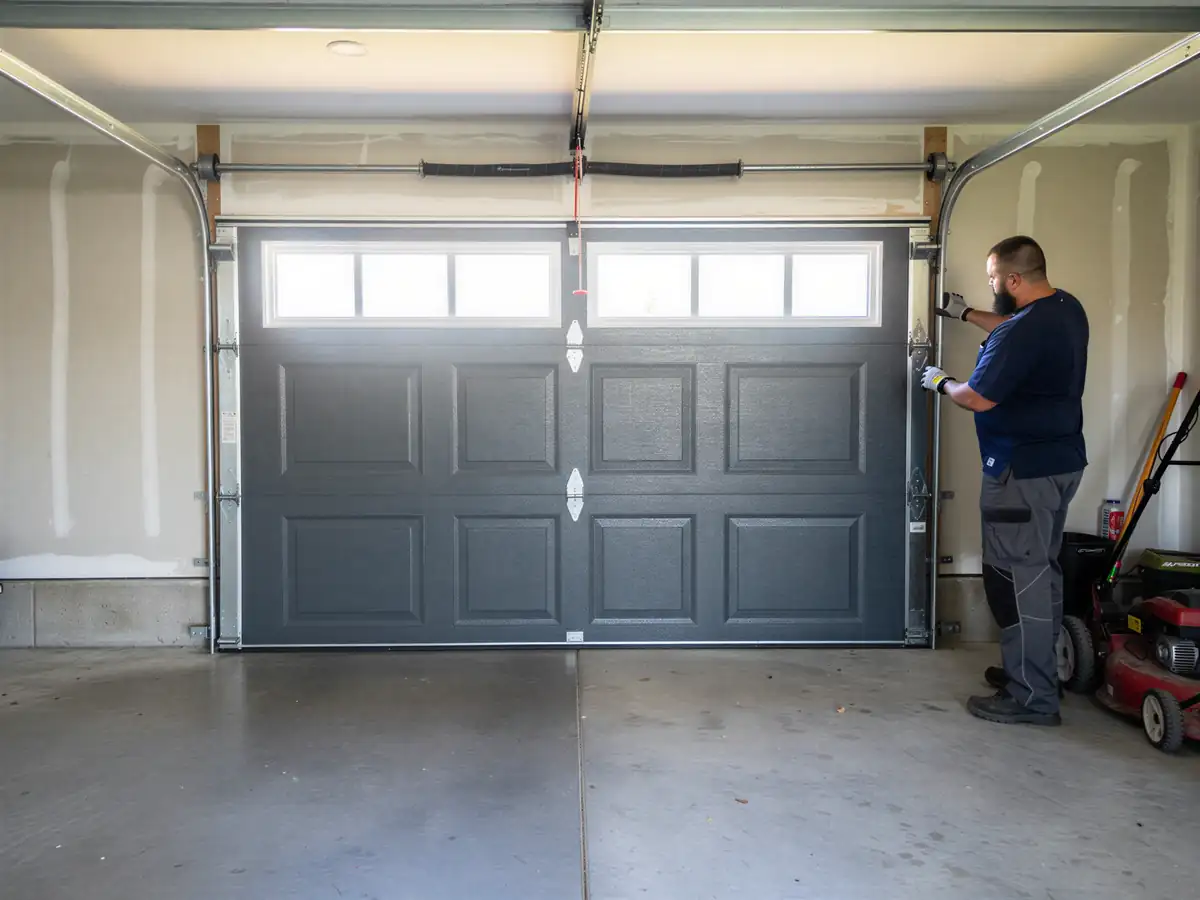
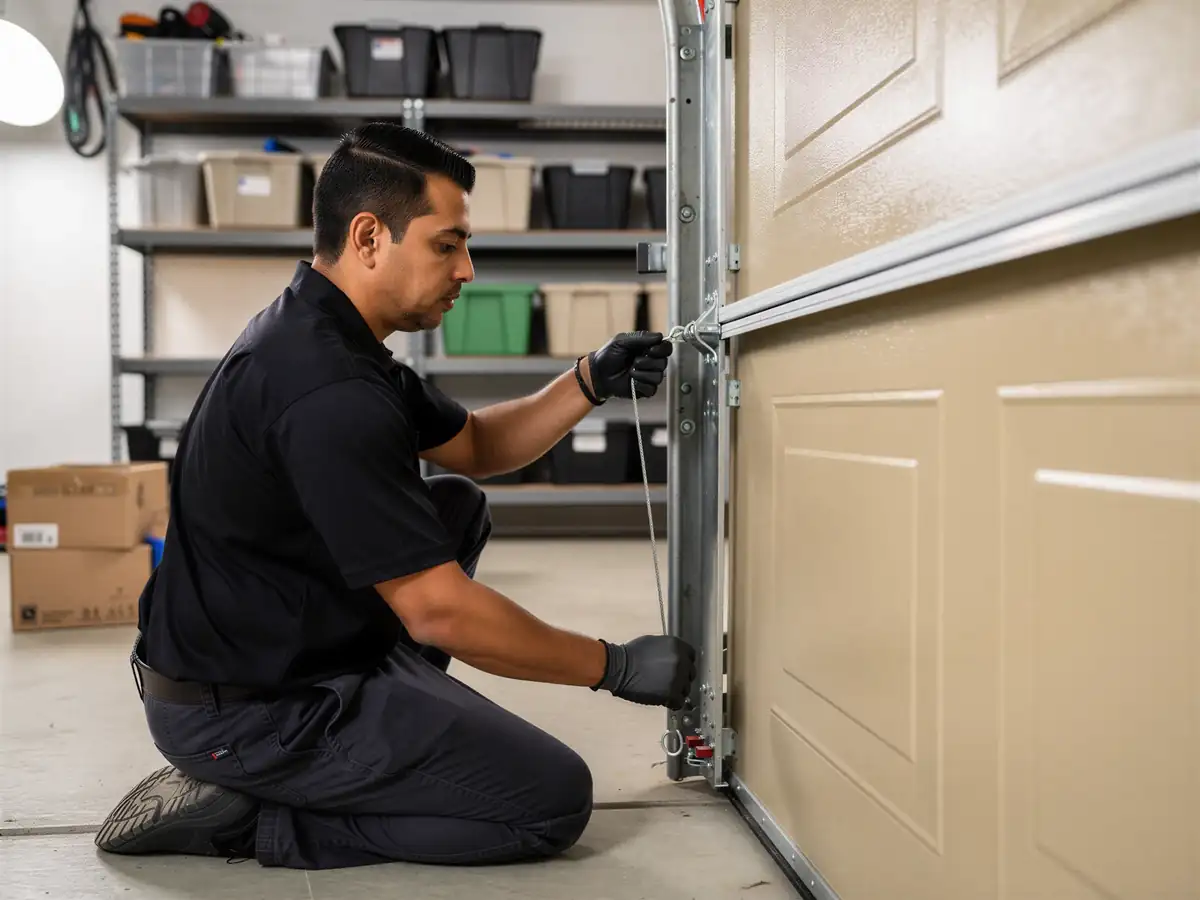
First visit, we measure the actual opening and track before we touch anything - on a house this old we don't assume the door matches a standard spec. We check whether springs are torsion or extension, log the roller and hinge wear pattern, and look at whether the track is still square to the opening or has shifted with the house.
From there it's the same core repairs as any door: spring replacement, cable re-termination, roller and hinge swaps, track realignment, opener service. The difference is in what we stock on the truck versus what we have to order. Our honest limitation: if your door needs a part sized to a non-standard 1930s-40s opening, we may not have it with us, and that can mean a short wait on a special order rather than a same-day finish. We'll tell you up front if that's the case rather than force a part that doesn't fit.