Doing It Yourself
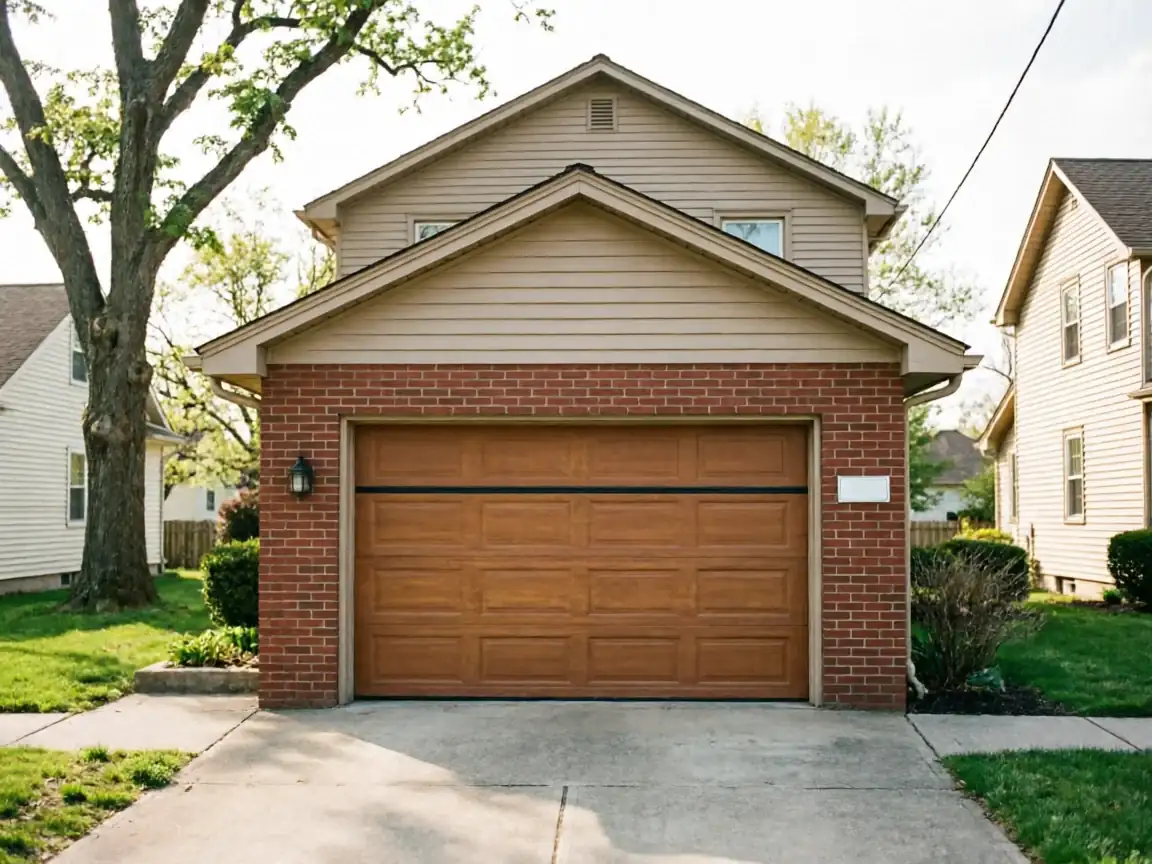
Winnetka's median build year sits at 1938
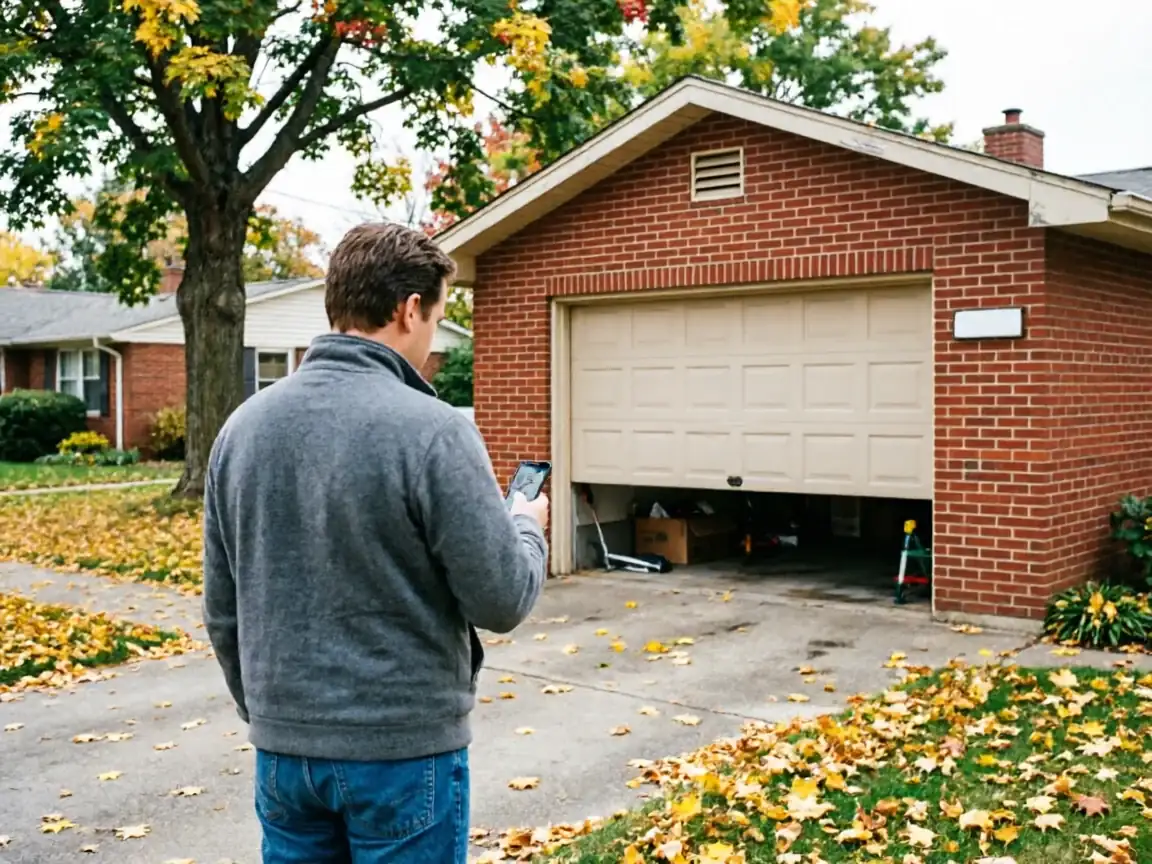
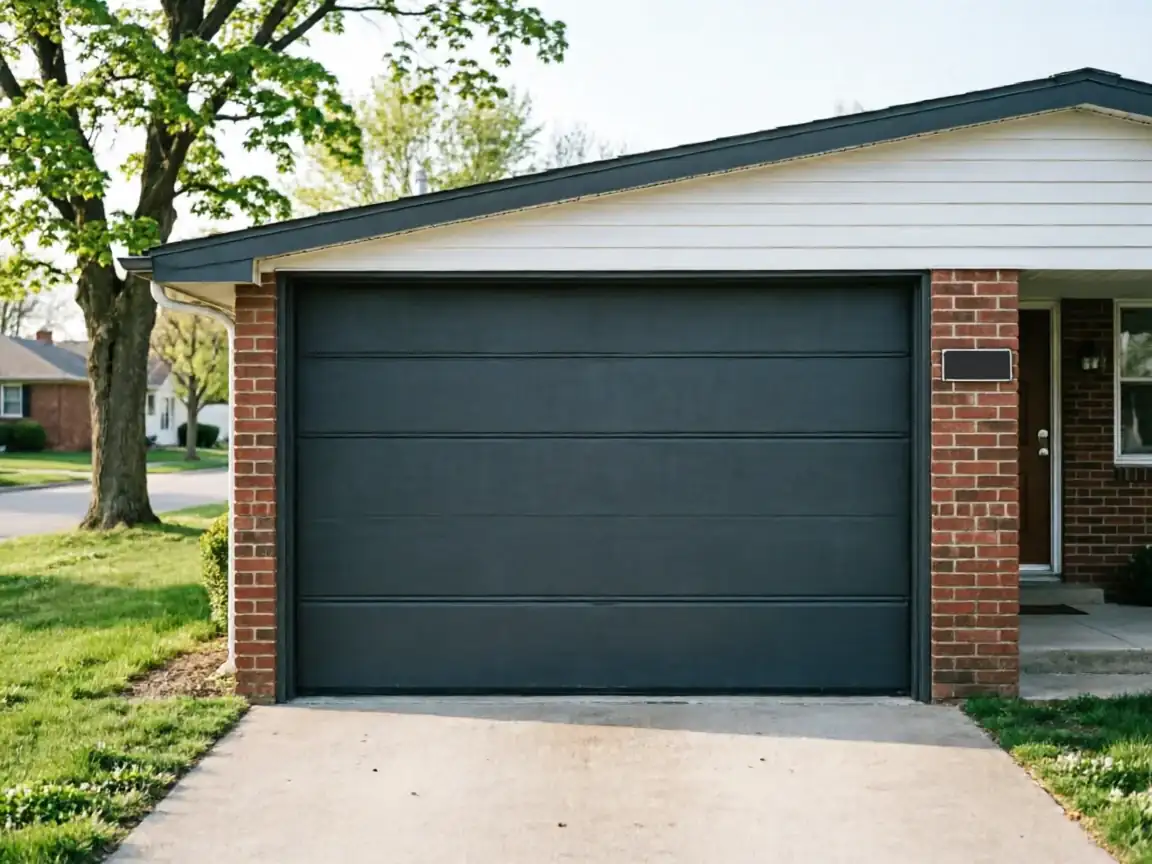
Decades older than the 1983 median across the rest of the territory we cover. That gap matters the moment you start measuring for a new door. A lot of online install guides and big-box kits assume a standard 1980s-or-newer rough opening with modern track clearance. Houses built in the 1930s and 40s around here often have narrower jamb widths, shorter headroom, or framing that's settled a half-inch out of square over eight decades. You can order a door sized off a tape measure and find out on install day that the track bracket has nowhere flat to sit.
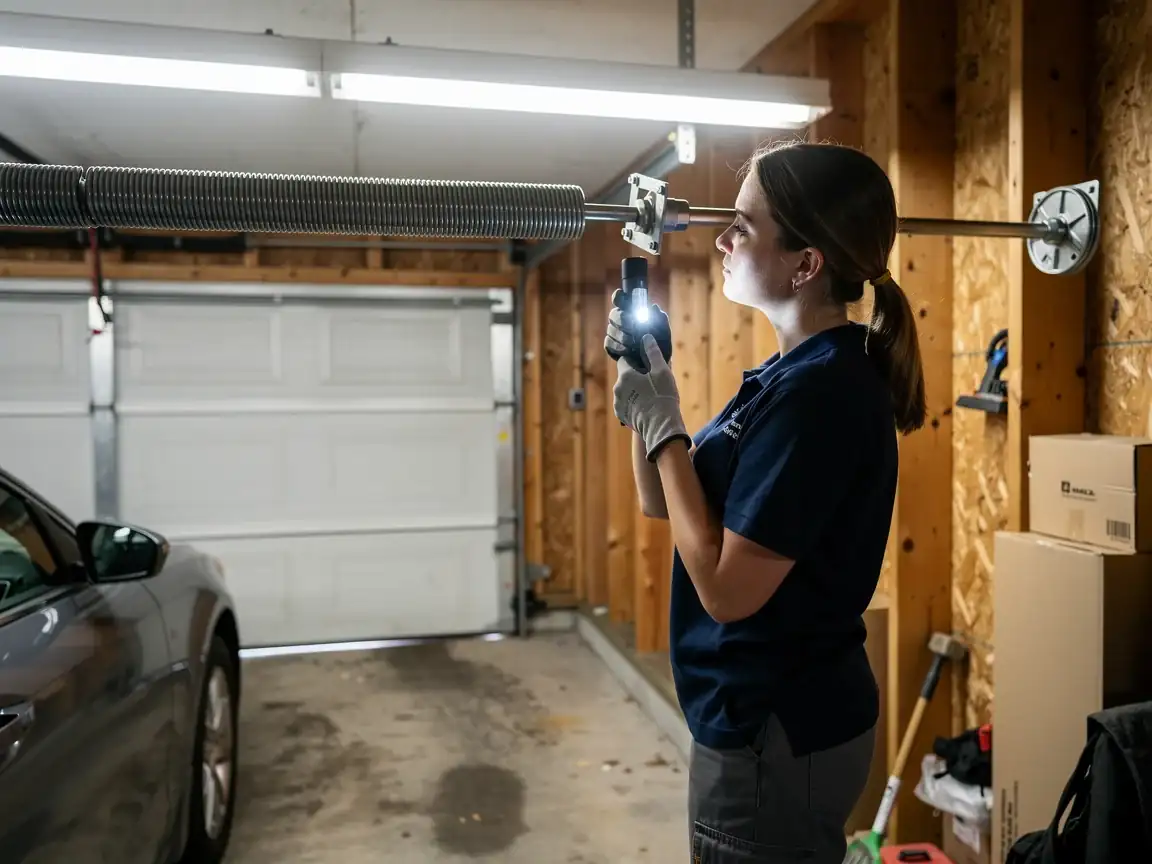
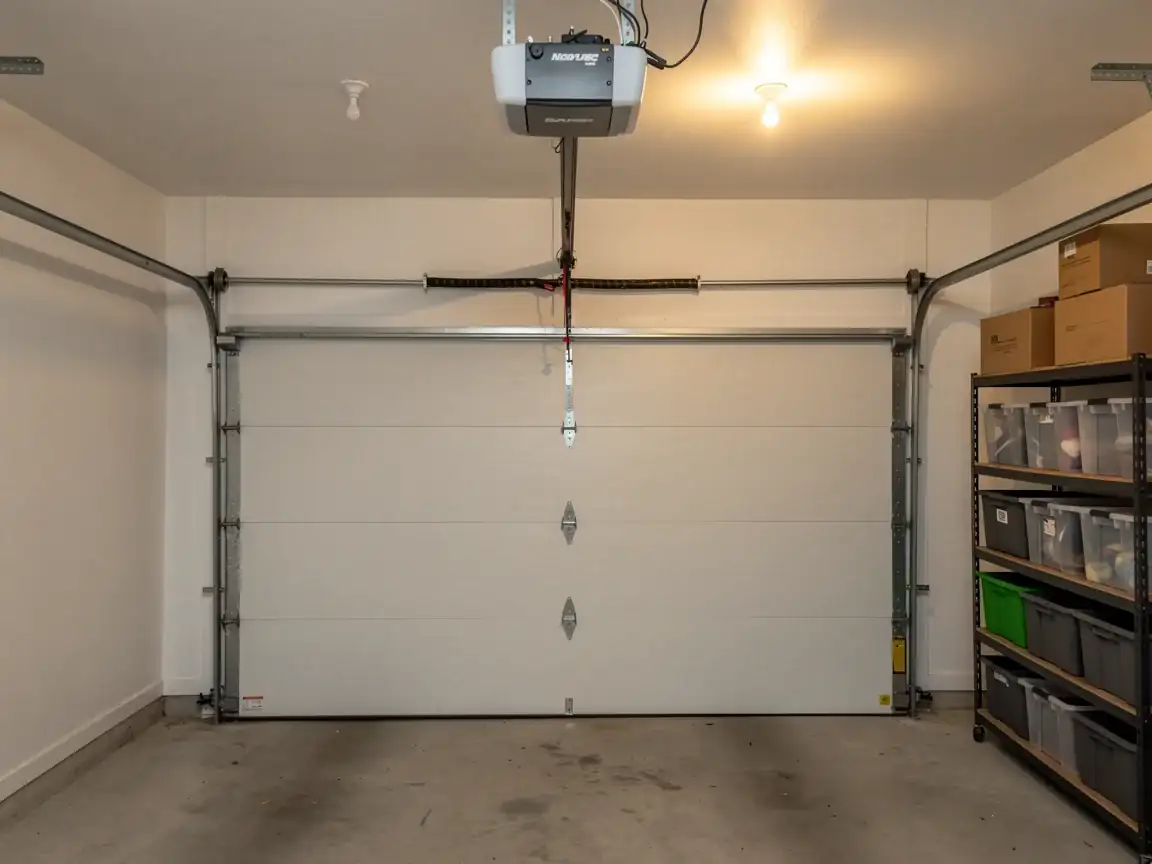
If you're set on doing it yourself, start by checking headroom and backroom clearance against the door manufacturer's spec sheet before you buy anything
Not after. Measure in three spots across the opening width, not one. On a house this old, the opening is rarely perfectly square, and a door that's technically the right size on paper can still bind on one side. This isn't a step you can eyeball from a ladder once and trust.
Why This Fails Locally
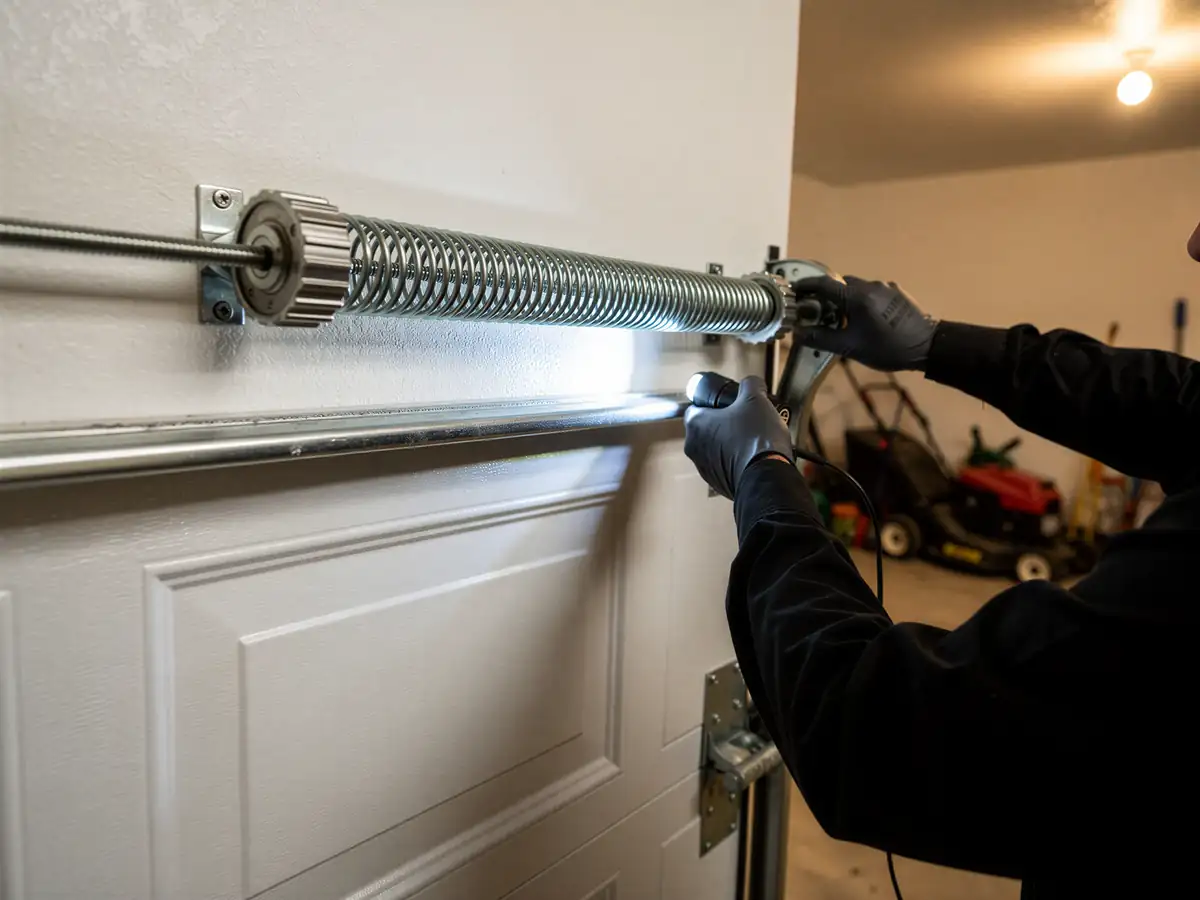
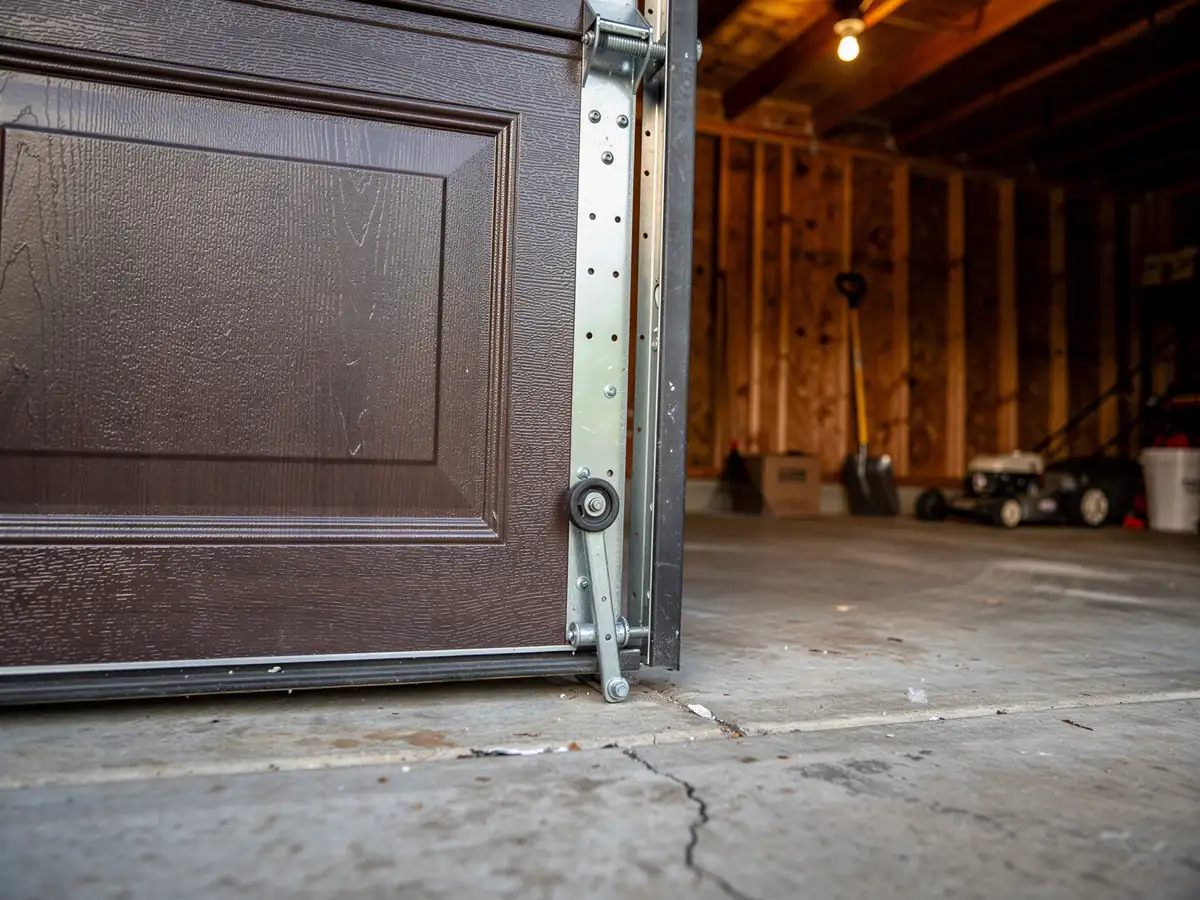
The failure point isn't the door itself, it's the wall it's going into. A 1938 opening was framed for the hardware of that era: lighter panels, different spring tension, brackets mounted to framing that's since dried and shifted. Drop a modern insulated steel door with today's torsion spring system into that same opening without checking the jamb, and you get a door that tracks unevenly, closes crooked, or puts uneven load on one spring.
We see this most in homes that haven't had the opening touched since the original door went in. The header may have sagged slightly over 80-plus years, which throws off the plumb line the new track needs. A new door hung to the old line looks fine for a week, then starts binding as the weight settles into whatever flex is left in the frame. This is also a cold-climate area, and a door that doesn't seal flush against an out-of-square jamb will let wind find the gap every winter. Fixing the fit, not just hanging the door, is the actual job here.
How Long It Takes
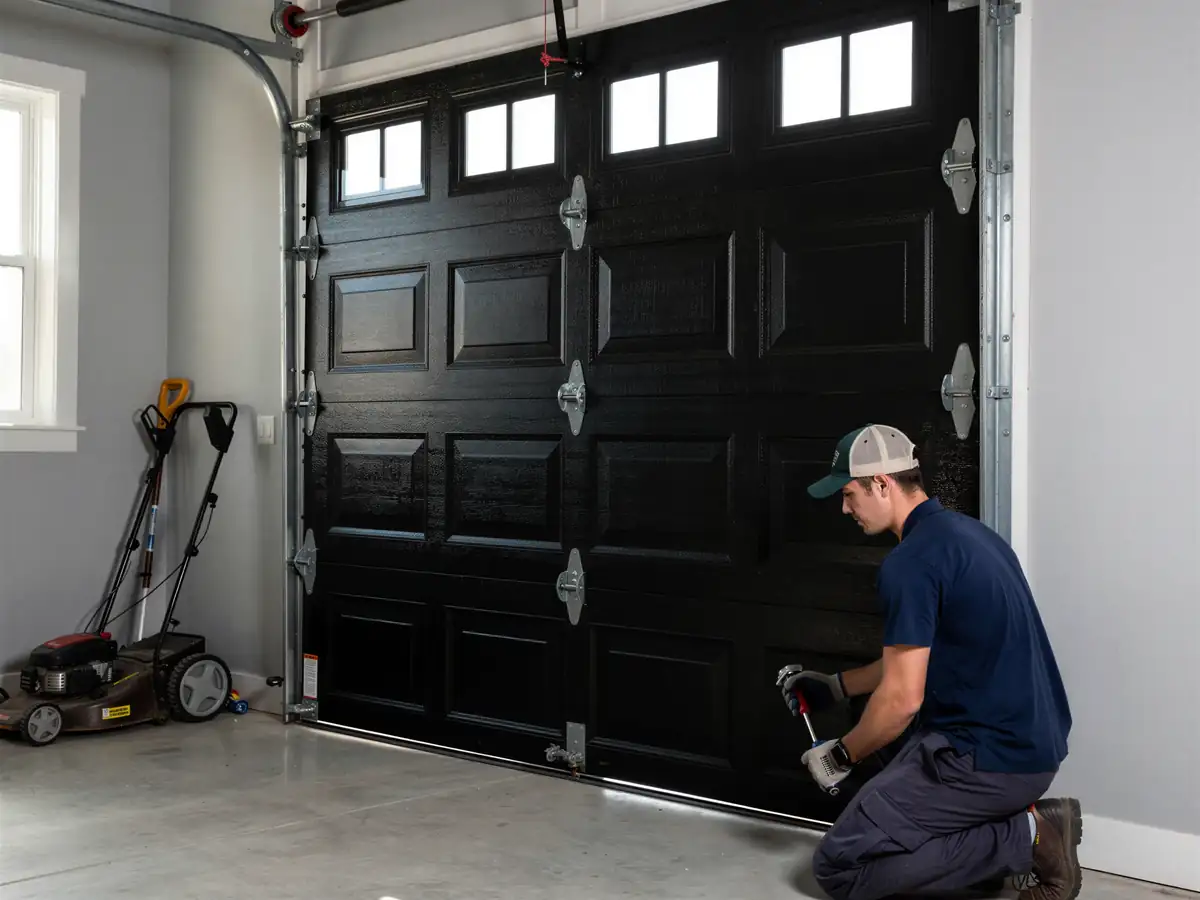
A straightforward swap, same opening size, no framing work, usually runs a few hours start to finish. Older openings like the ones common in Winnetka add time because we're checking and sometimes shimming the jamb before the new track goes up, not just bolting hardware to what's there. If the header needs squaring or the opening needs trimming to take a standard-size door, plan on it taking longer than a same-day job elsewhere in the territory.
We travel the 11 miles out from Lake Forest for the job, so we schedule the visit for the full install rather than splitting it into a measure trip and a separate install day. That's worth knowing upfront if you're trying to plan around it.
What You Pay
We don't have a flat number to quote here that would hold up across every house in Winnetka
Because the age of the opening changes the labor, not just the door price. A clean swap into a square, modern-sized opening costs less than a job where we're also correcting framing on a house built in 1938. What we can say is that this area's median household income runs well above the rest of the territory we serve, and that's reflected in the quality of door and opener most owners here choose - insulated steel or wood-composite panels, belt-drive openers, not the bare minimum.
Get a firm number from a walk of your specific opening
A quote based on square footage alone, without someone checking the jamb and header in person, isn't a number you should plan a budget around.
How We Fix It
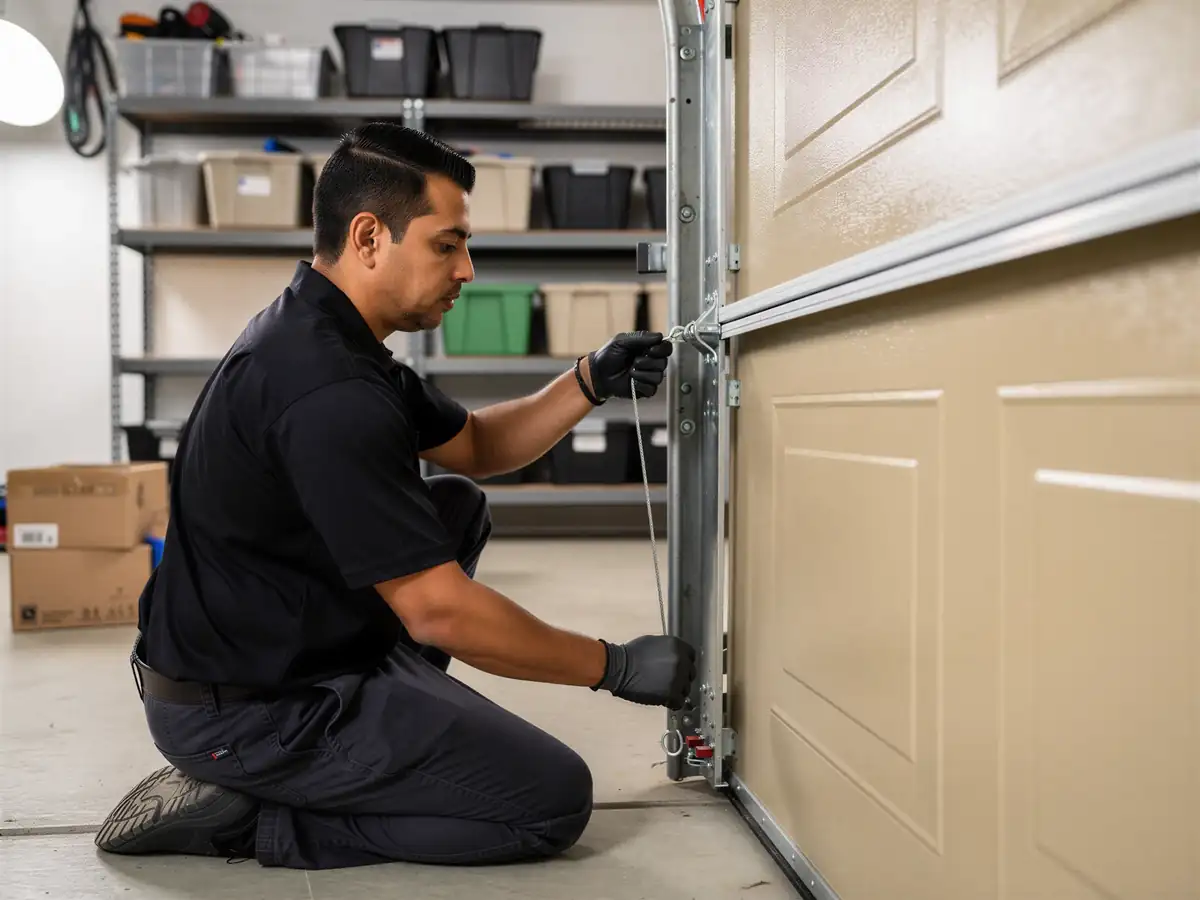
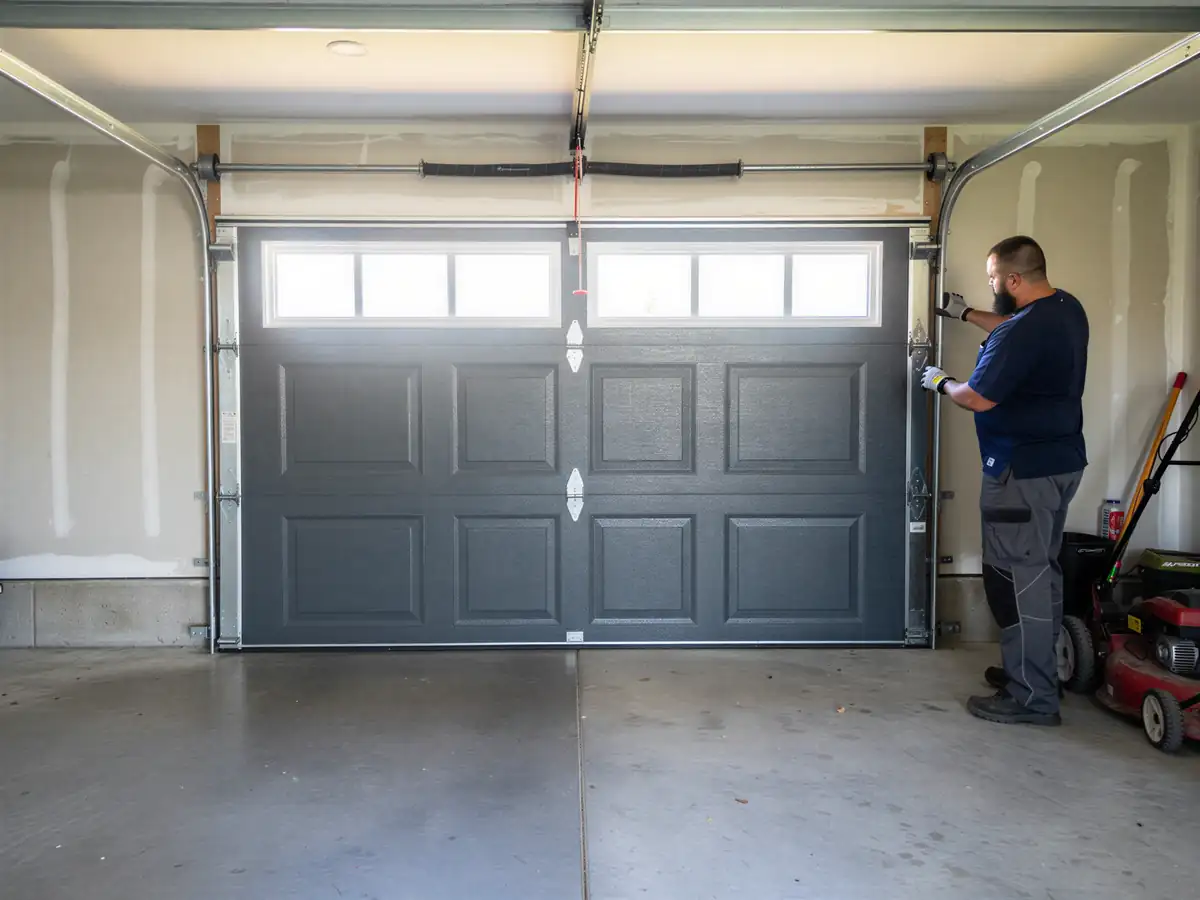
We start by checking the opening itself before we talk door selection: headroom, backroom, jamb plumb, and whether the header has sagged. On a house from the 1930s, that check decides more about the install than the door brand does. If the framing's off, we correct it before the new track goes up rather than forcing a door to fit a crooked opening, which just moves the problem to next winter.
We size the door and spring system to the actual opening we find, not a catalog default, and we test the balance and seal before we call it done. One honest limitation: if the header or jamb needs real carpentry, not just shimming, that's outside a standard install day and we'll tell you that upfront rather than patch around it. For repair work on an existing door instead of a full replacement, see our Winnetka garage door repair page. For the broader installation service we run out of Lake Forest, see the Lake Forest installation page.