Why This Fails Locally
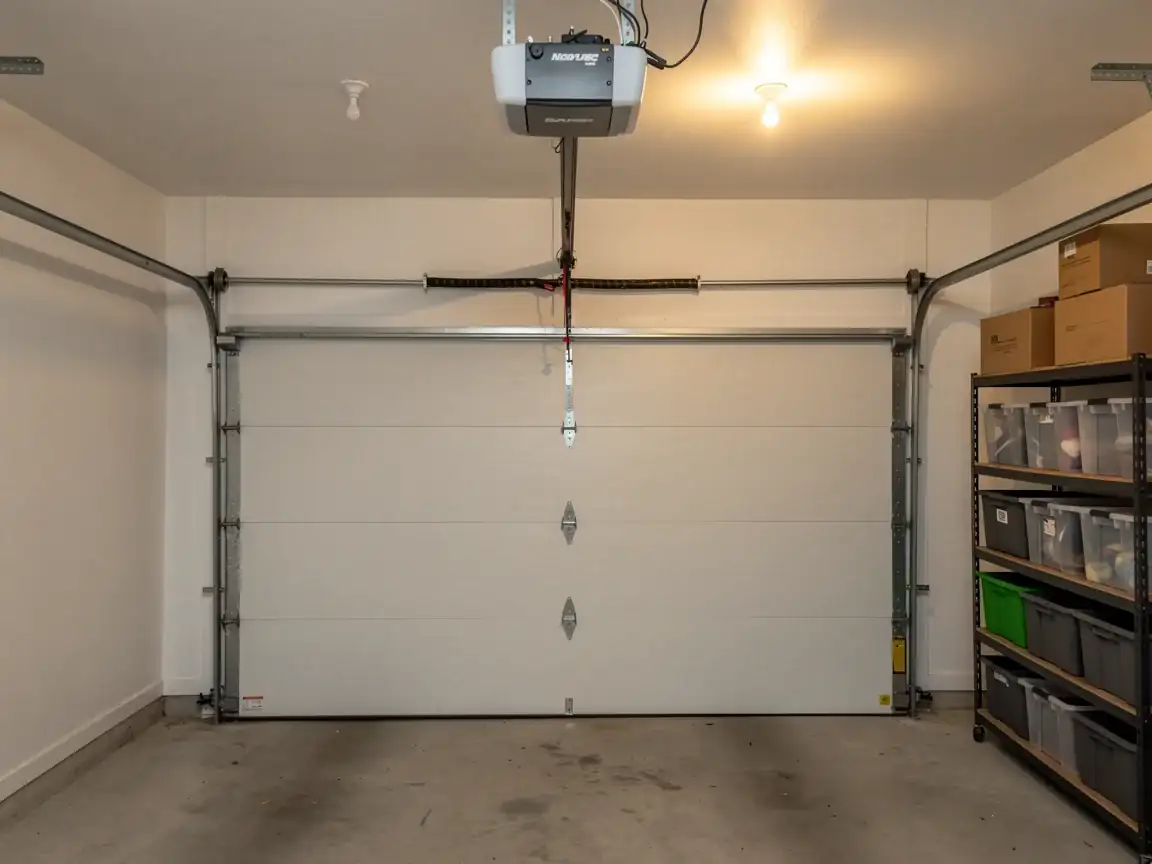
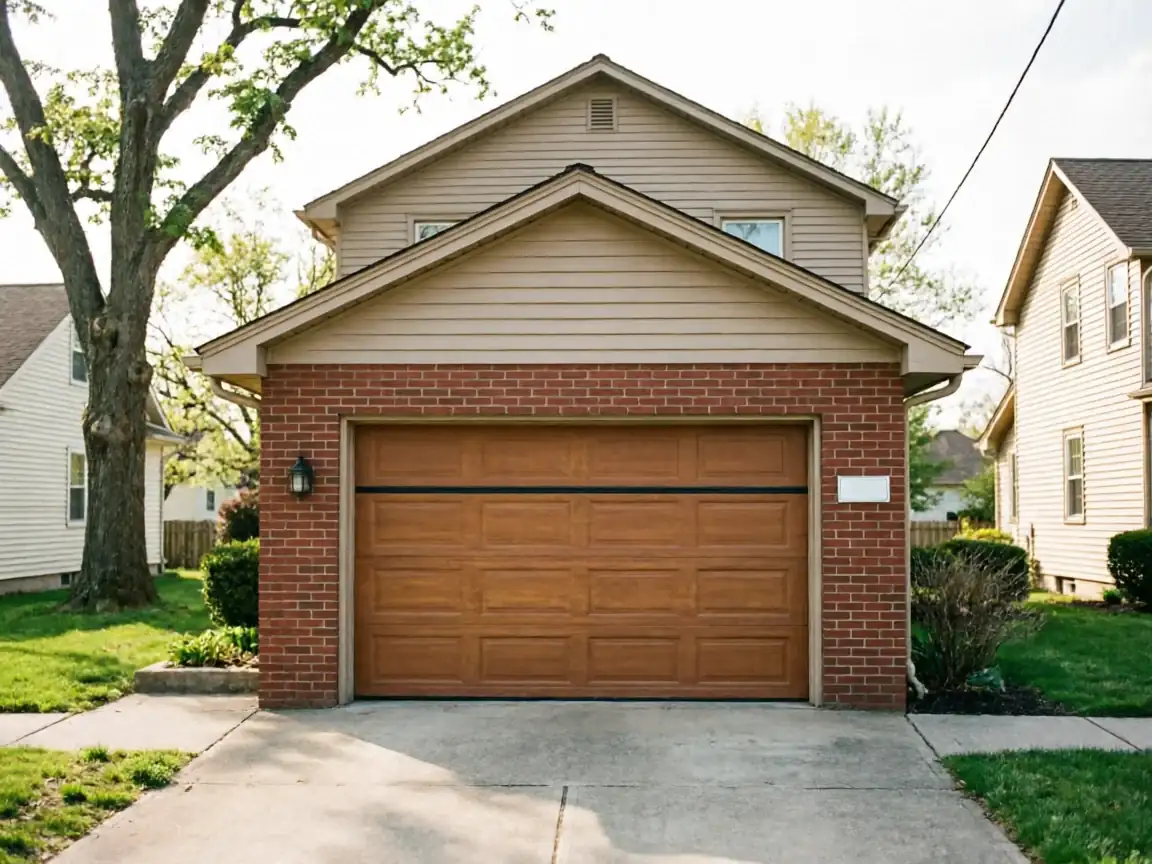
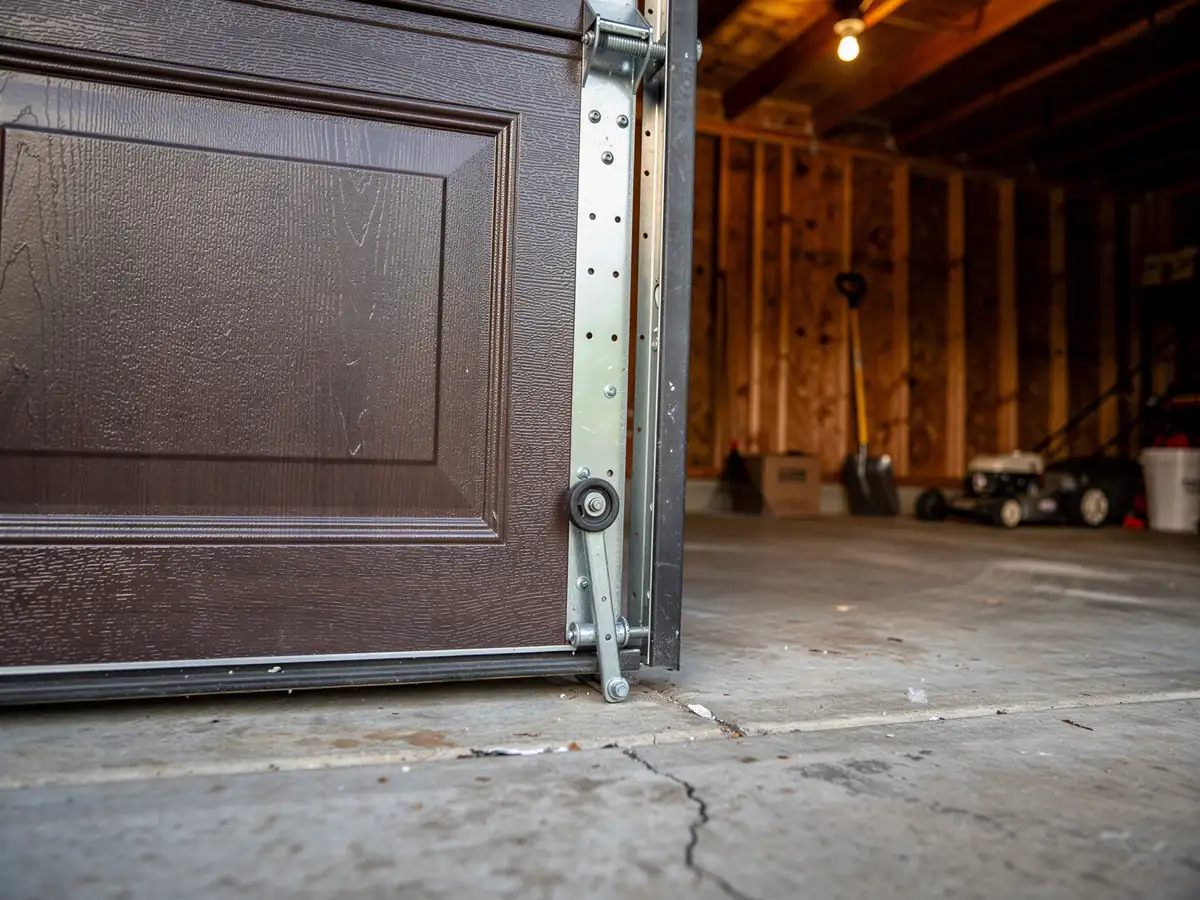
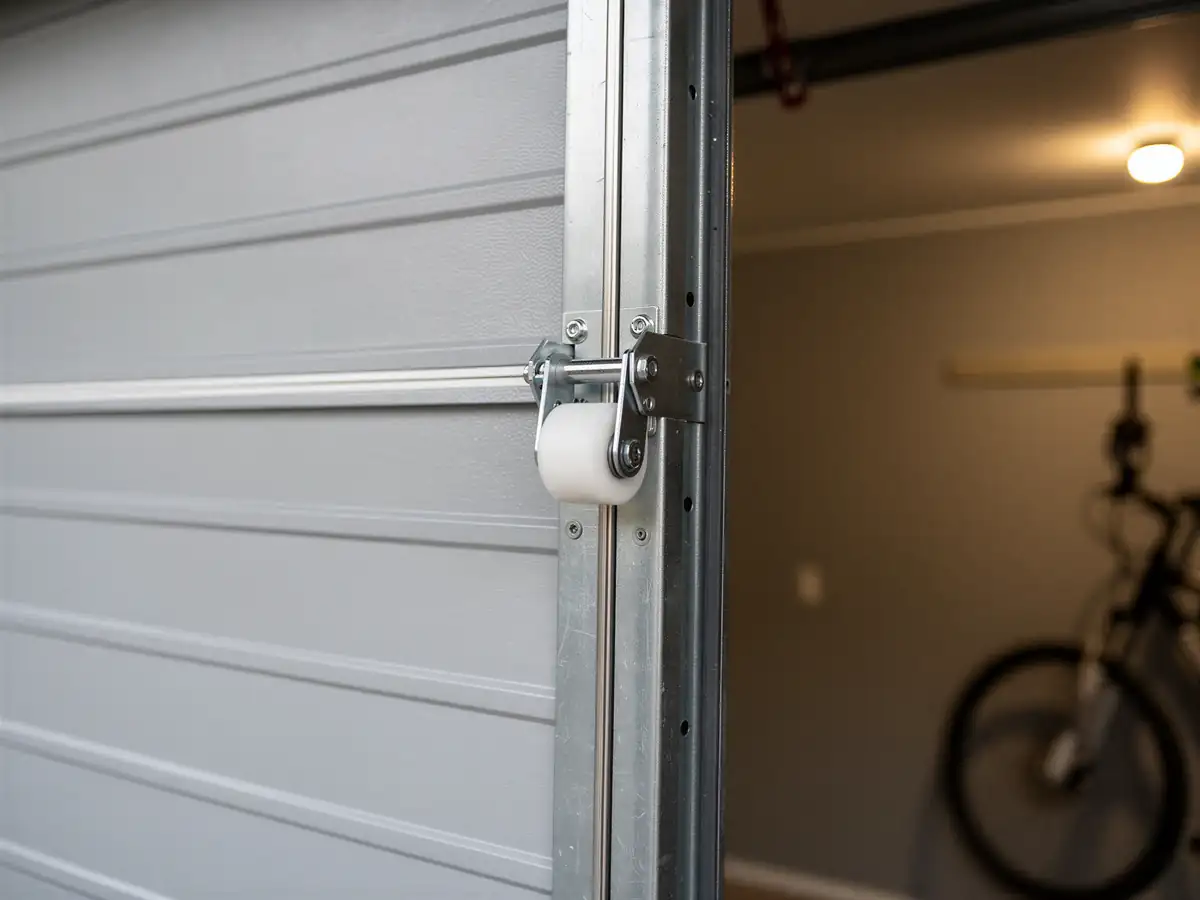
The failure pattern in Winnetka isn't generic wear - it's the mismatch between old track geometry and the roller someone bought off a shelf. A house built in 1938 wasn't built to a garage door standard; the opening and track were often custom-fit by whoever installed the door, and decades of minor settling since then means the track isn't perfectly straight anymore. Drop in a standard 7-inch nylon roller stem meant for a modern 2x2 track and it can ride high or low enough to grind against the rail. We also see galvanized steel rollers original to pre-1960 doors that have simply worn oval after this many years - they still turn, but they've lost enough roundness to shake the whole door on every open and close. Add the cold-moderate winters this area gets and the lubrication on old rollers tends to gum up or dry out faster than people expect, which makes a marginal roller fail sooner than it would in a milder climate. None of this is a Winnetka-specific defect - it's just what happens when 1938-era hardware meets general wear, time, and weather, and nobody's replaced it since.
How Long It Takes
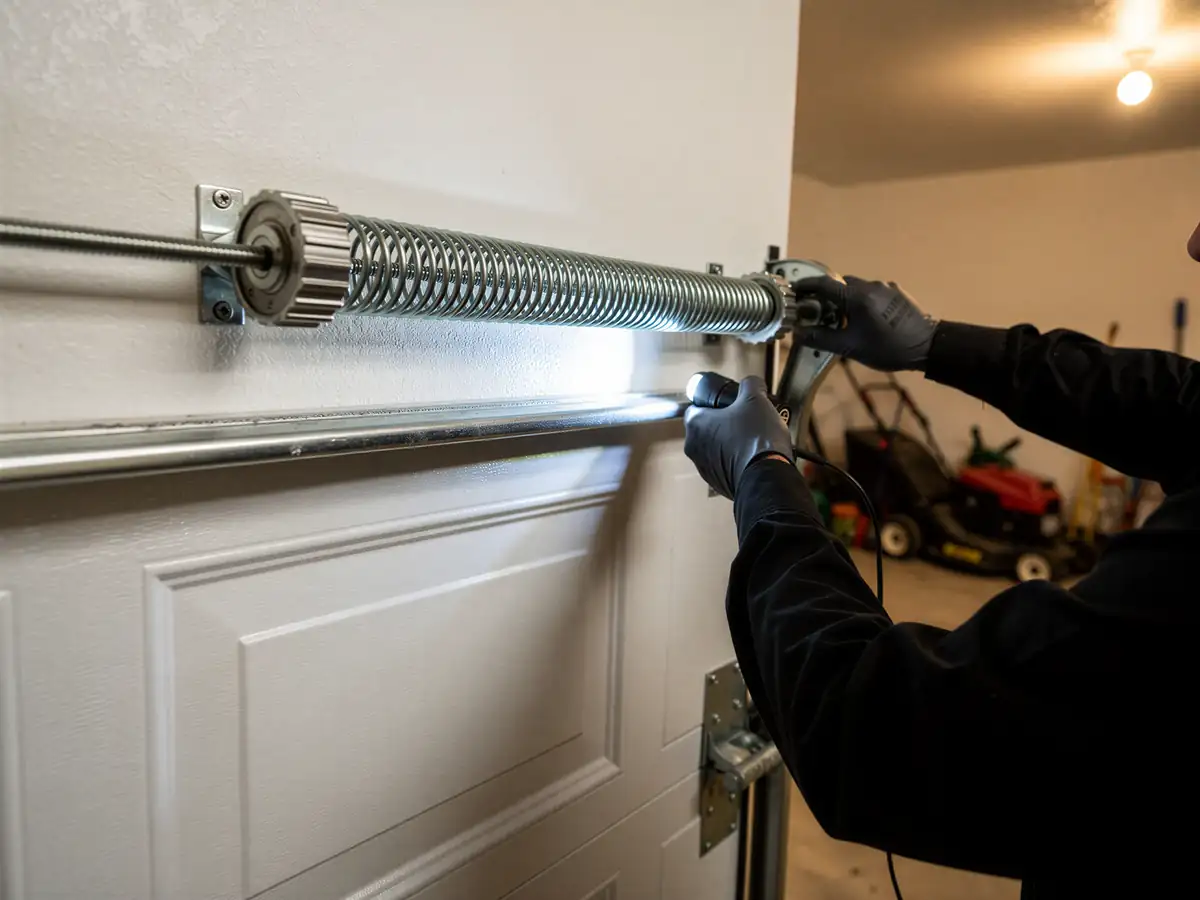
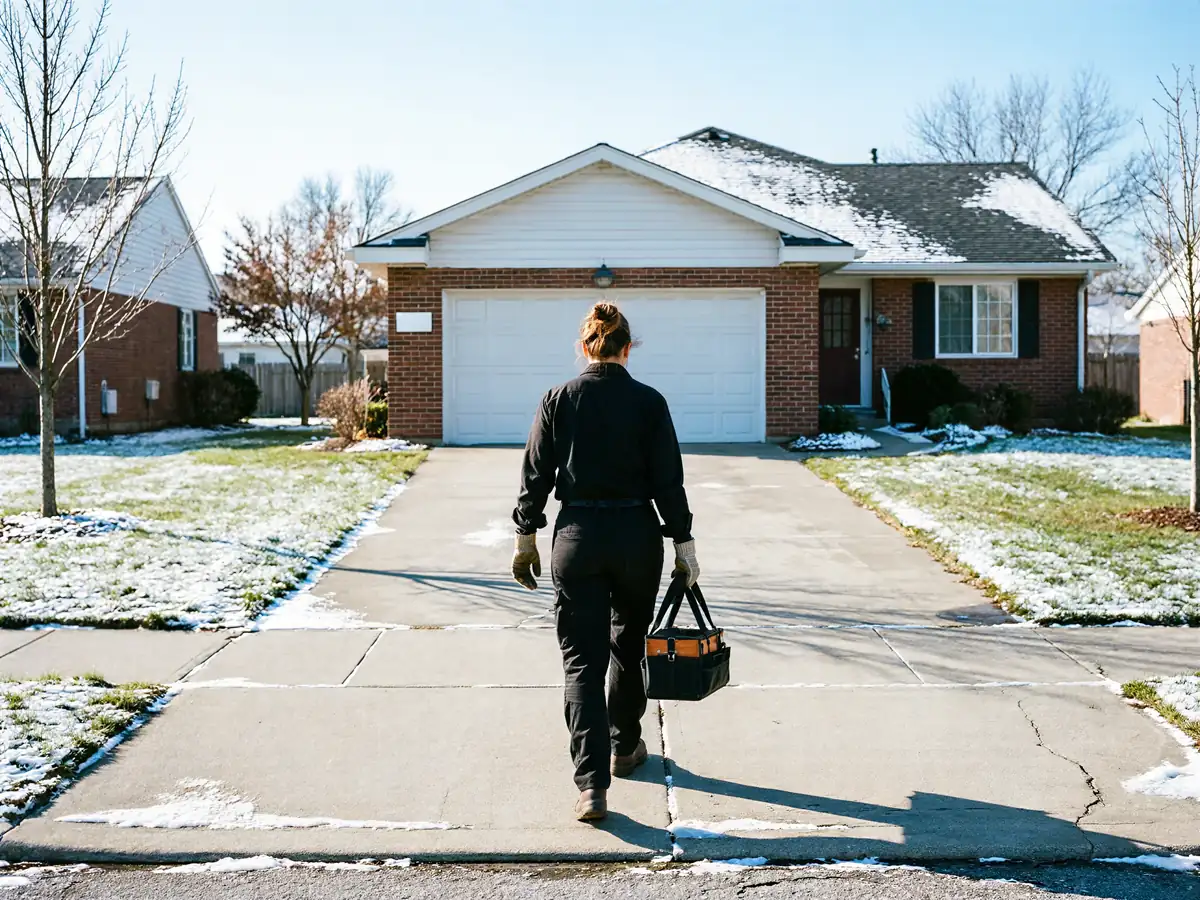
A straightforward roller swap on a door that opens and closes without binding - meaning the track itself is still straight - is usually a single visit, start to finish within an hour or two once we're on site. Older Winnetka doors complicate that timeline more often than newer ones: if the track has to be reset or re-squared because the rollers wore unevenly against it, that adds time before the new rollers even go in. We travel to Winnetka from Lake Forest, about 11 miles away, so factor drive time into when we can get to you rather than expecting a same-day window - we don't run a branch in Winnetka itself, and we won't pretend otherwise. Full-door roller sets, all ten rollers instead of just the one or two that failed, take a bit longer since we're pulling cables and tensioning hardware out of the way one side at a time. If a spring needs attention at the same visit - not uncommon on a door this old - we'll tell you before we start rather than padding the job after the fact.
How We Fix It
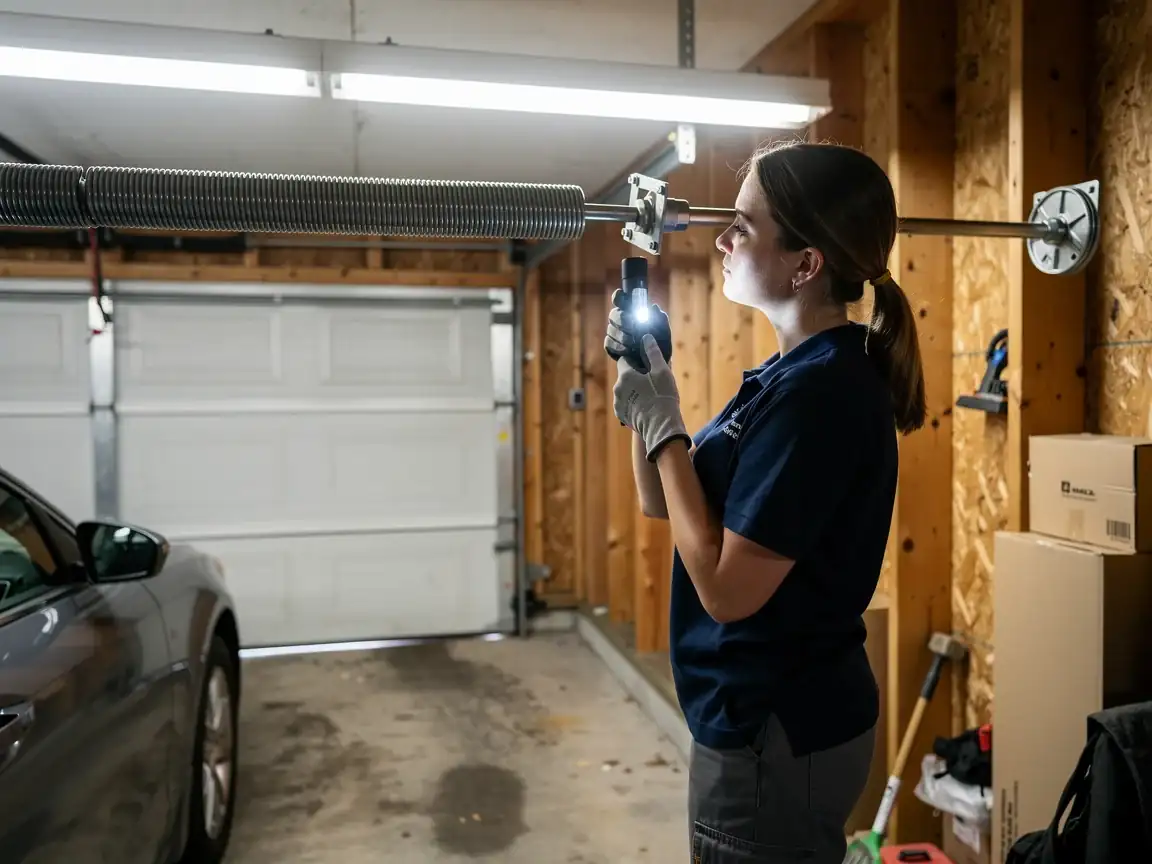
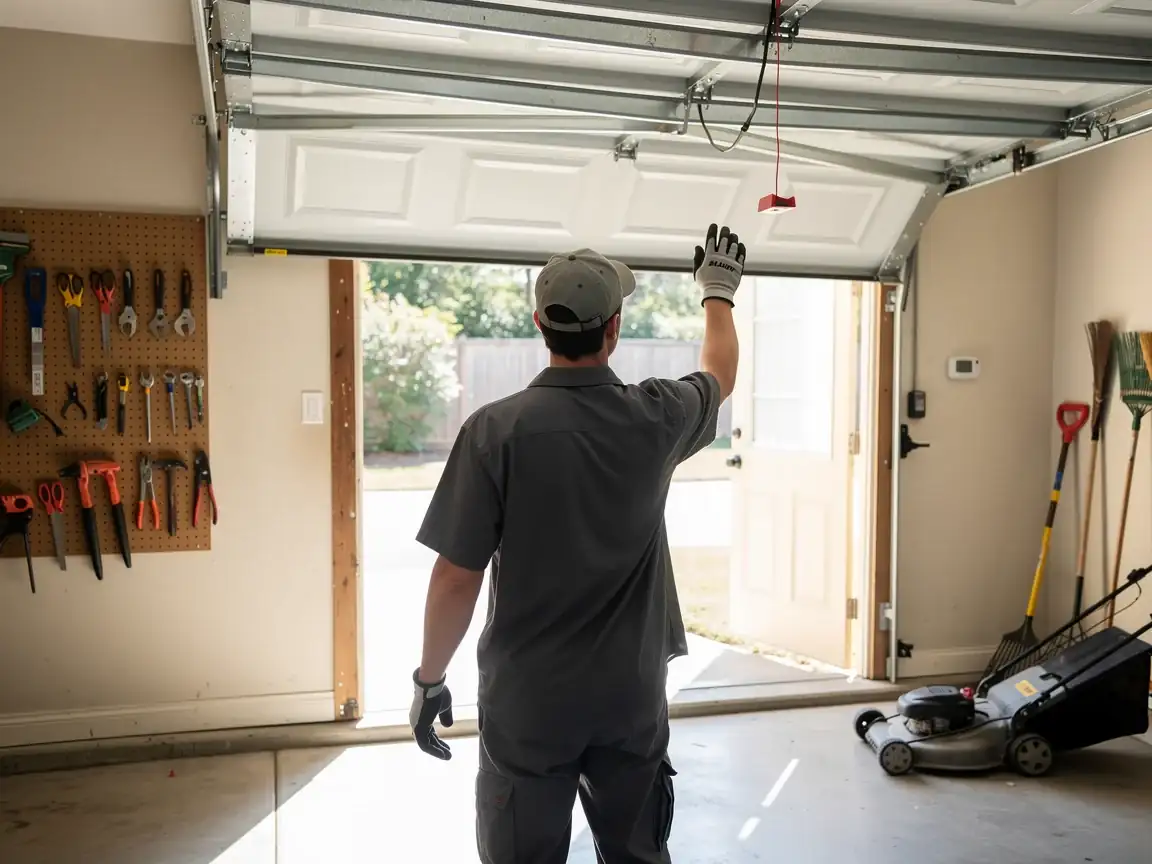
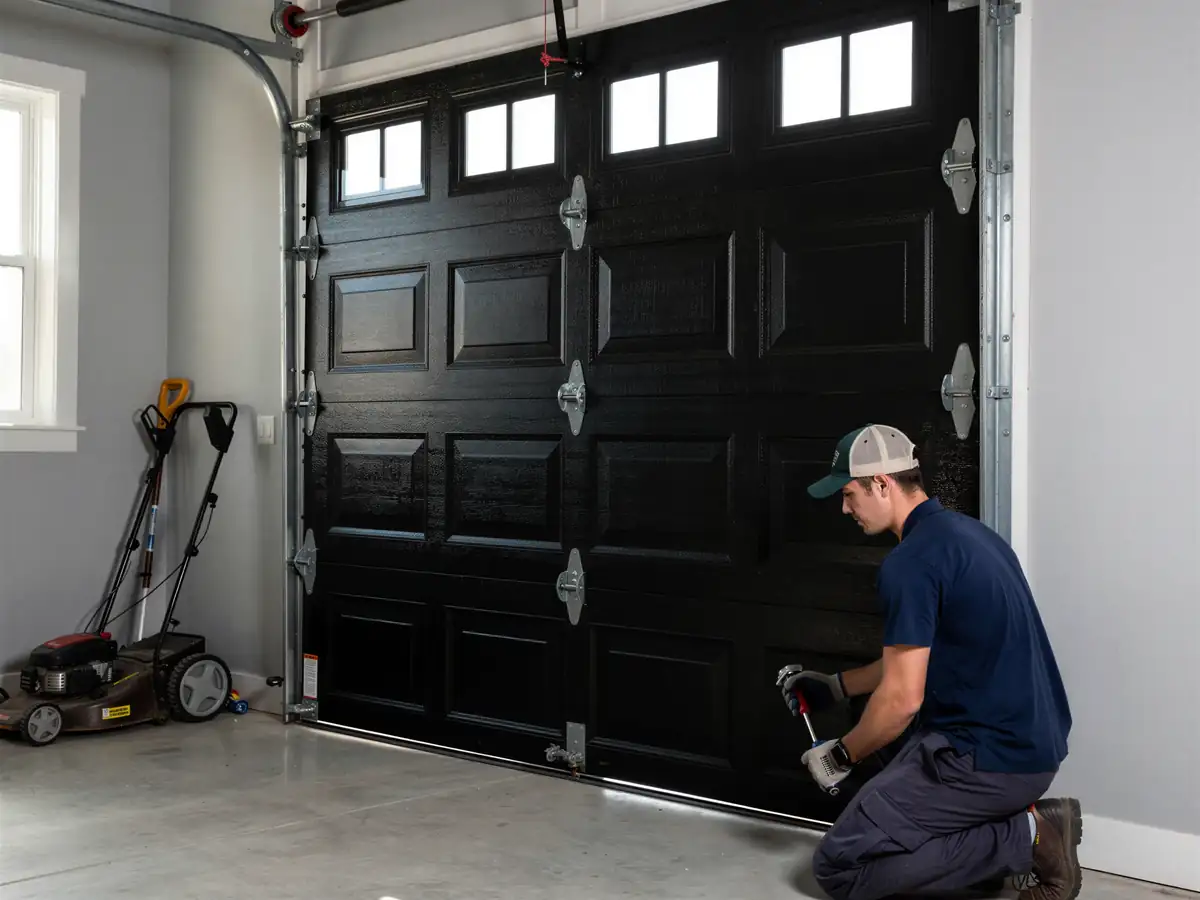
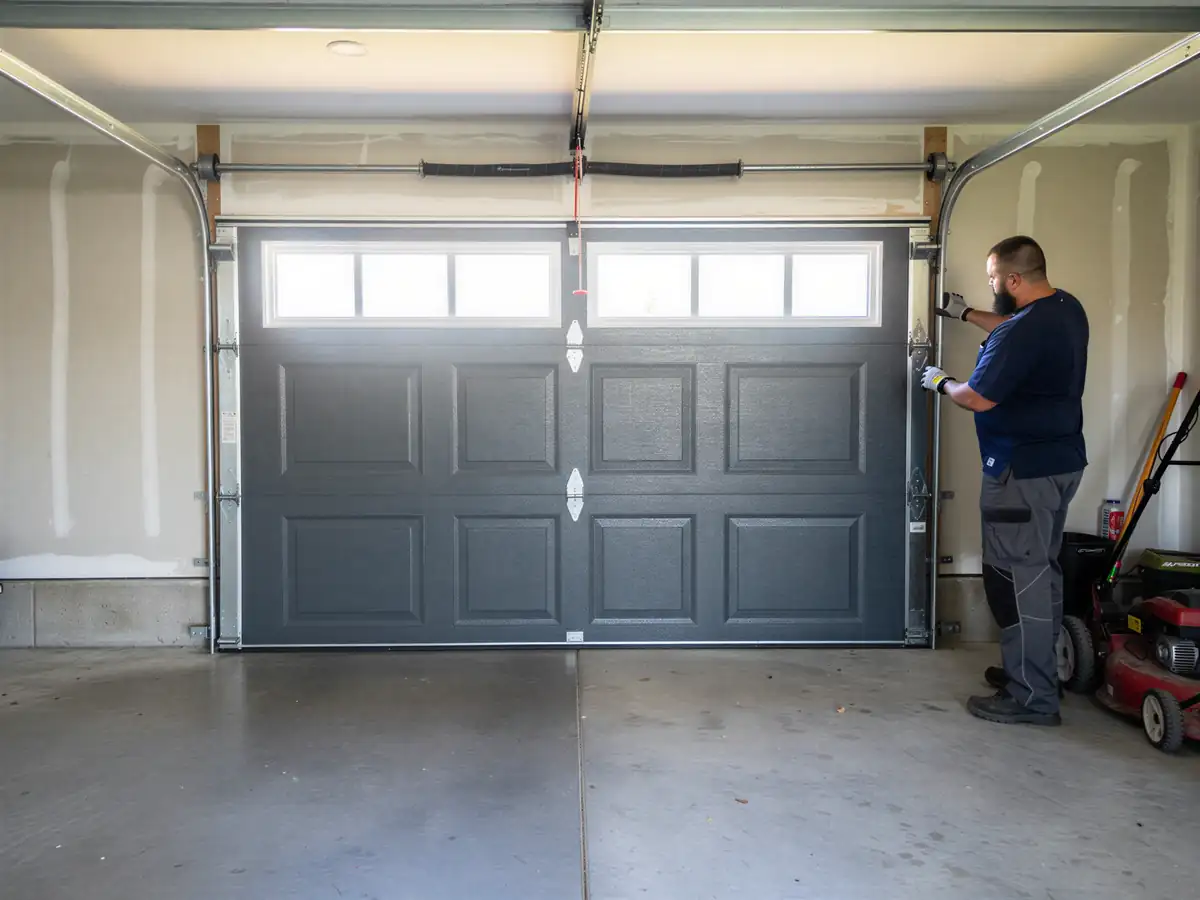
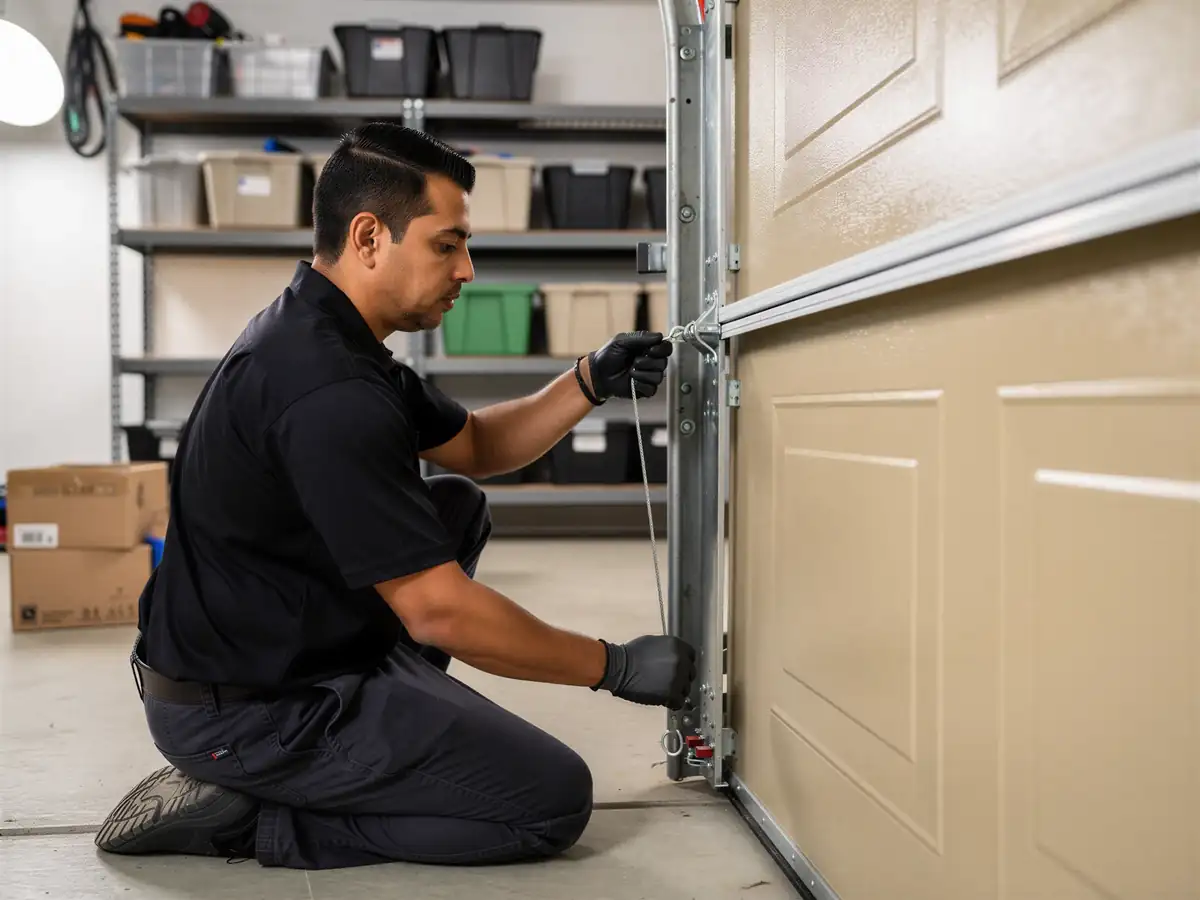
We start by running the door manually, off the opener, to feel exactly where it binds or drags - that tells us whether this is a roller problem alone or a track problem wearing the rollers out early, which is common on doors this old. If the track's still straight, we pull the worn rollers, check the stem length against the track gauge rather than assuming a standard size fits, and set sealed-bearing rollers in their place so you're not back here in another few years. If the track's bent or the brackets have pulled loose from decades of settling in an older frame, we square and re-anchor it before the new rollers ever go in - a roller swap on a crooked track just repeats the failure. We also check the cables and the bottom brackets while we're in there, since on a door this old one worn part is rarely the only one. For a full picture of what we cover on Winnetka doors beyond rollers, see our Winnetka garage door repair page.