How to Book
Call Lake Forest Garage Door Pros and tell them what's happening
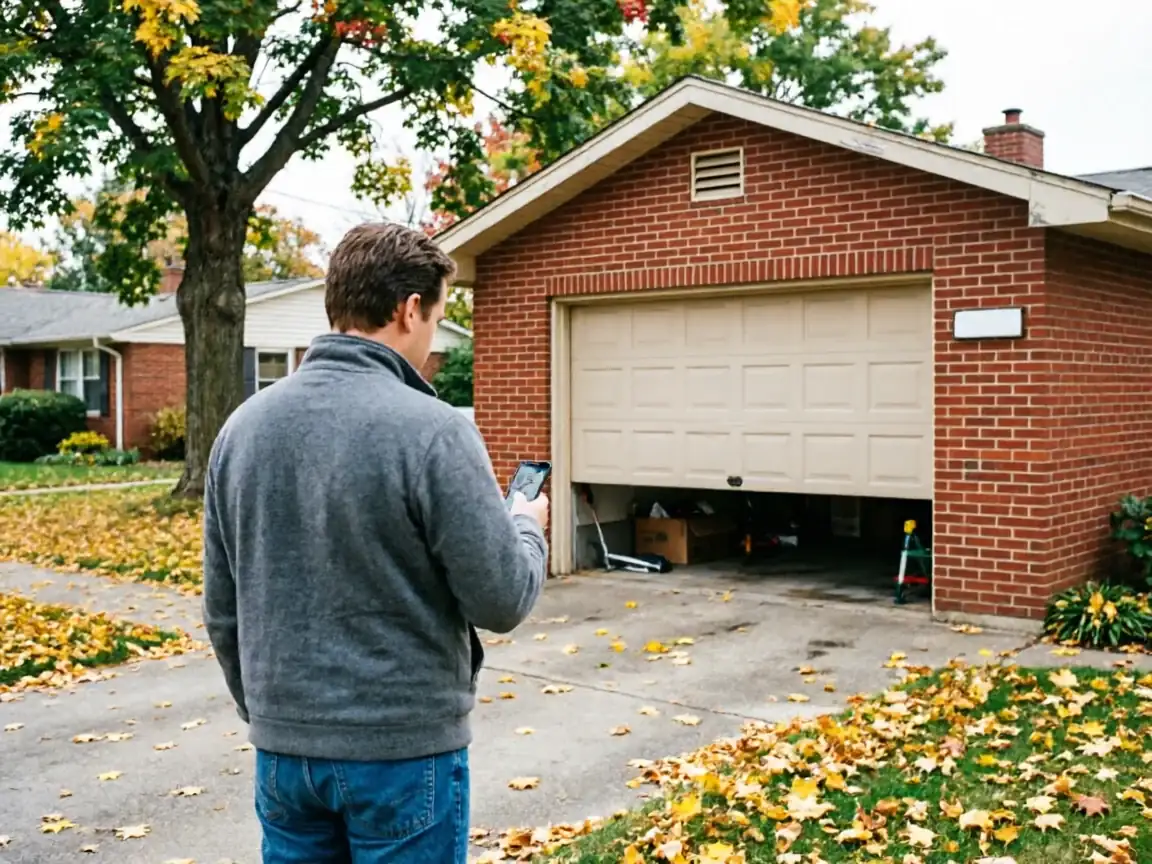
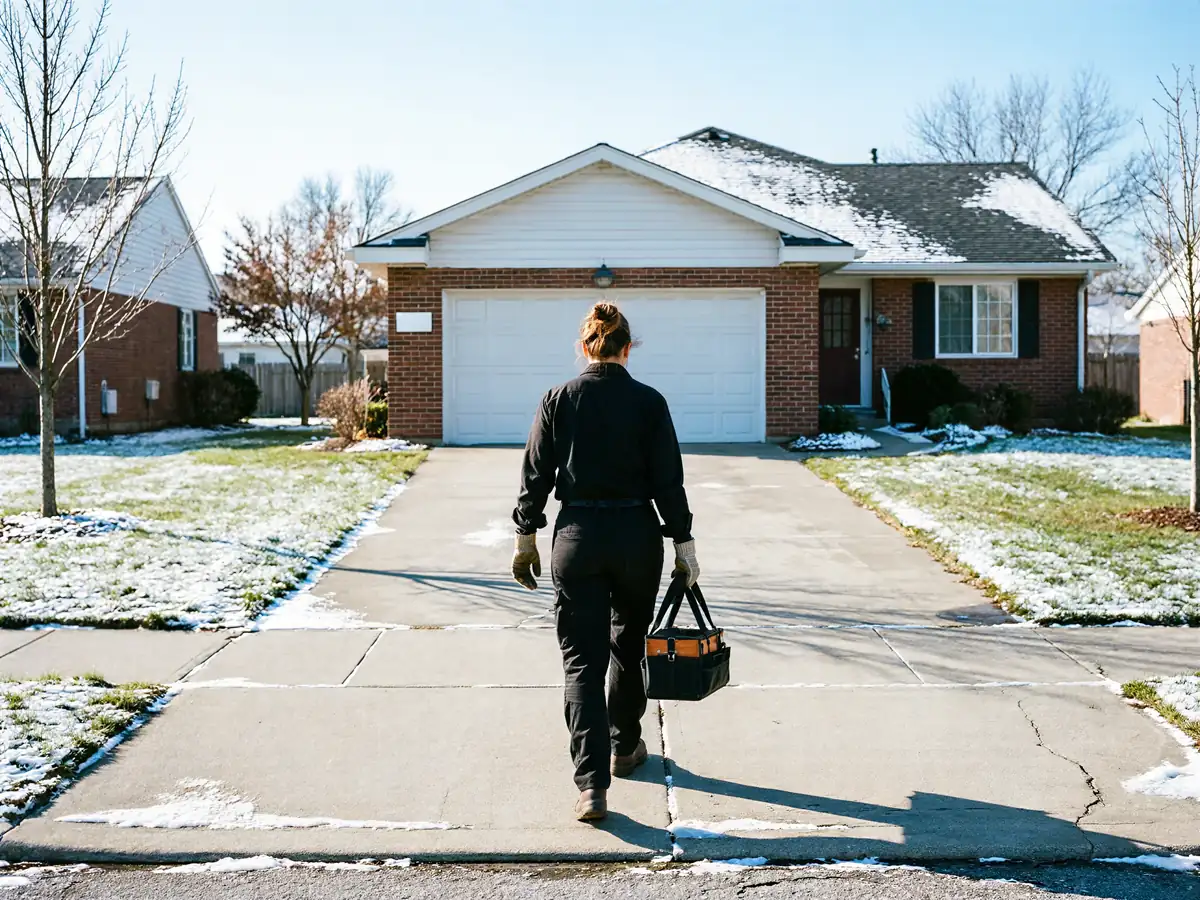
A door stuck open, a spring that let go, a cable off the drum. The truck comes from Lake Forest, three miles down the road, so there's no depot inside Lake Bluff itself and no claim here of a faster window than that drive allows. For anything that isn't an emergency - a yearly tune-up, a new opener, weatherstripping before winter - the Lake Bluff repair page covers scheduled work and is the better place to start. For emergencies, the call itself is the booking: there's no online form that beats picking up the phone and describing the fault, because what's on the truck depends on what you tell them before they load it.
One honest note: if the fault turns out to be a full panel replacement on an older size that isn't stocked, that part has to be ordered
And the visit becomes a diagnosis-and-stabilize trip rather than a same-visit fix. That's not common, but it happens on doors this age.
Why This Fails Locally
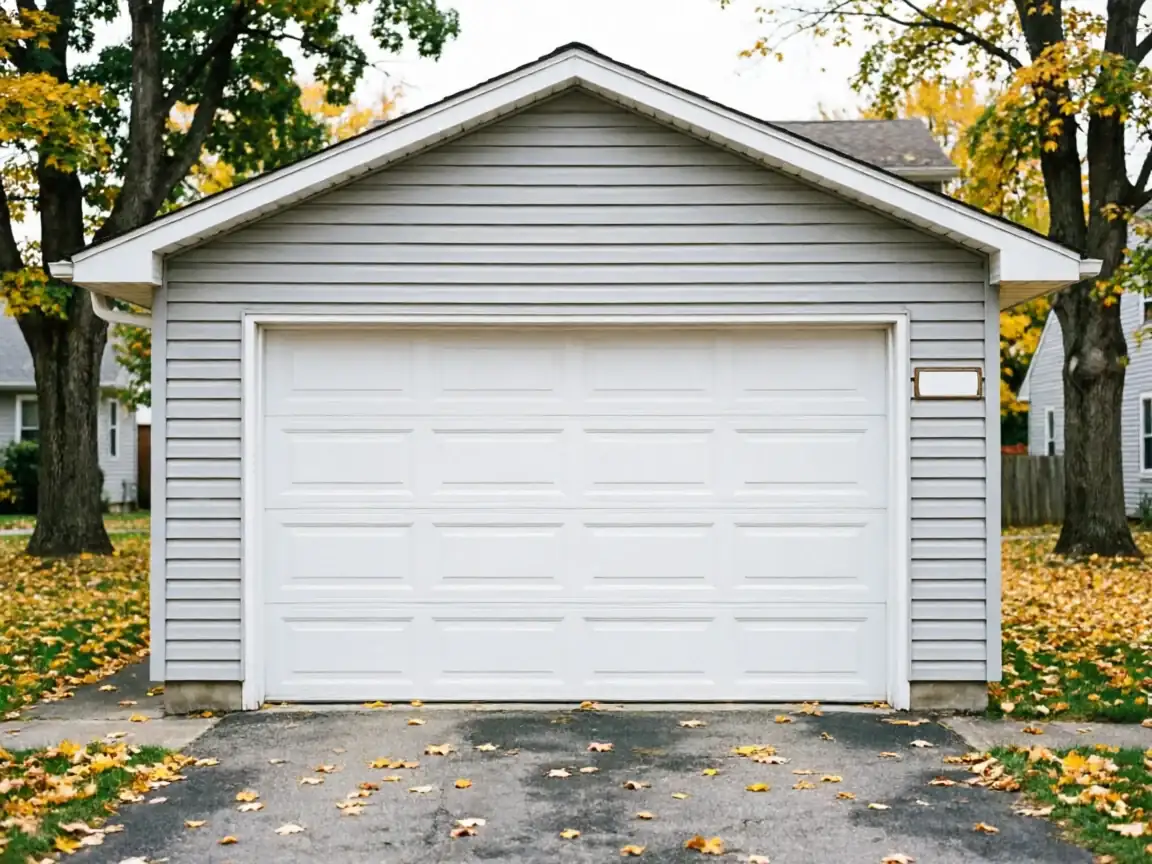
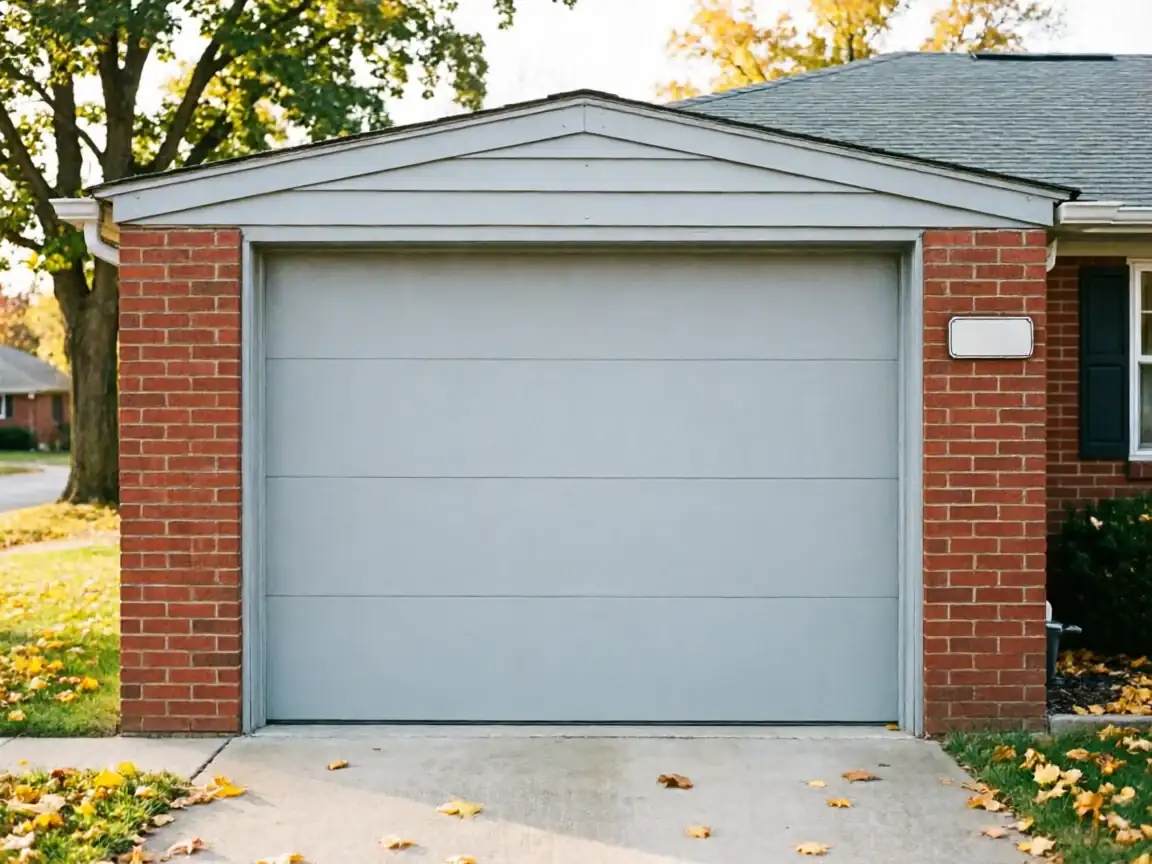
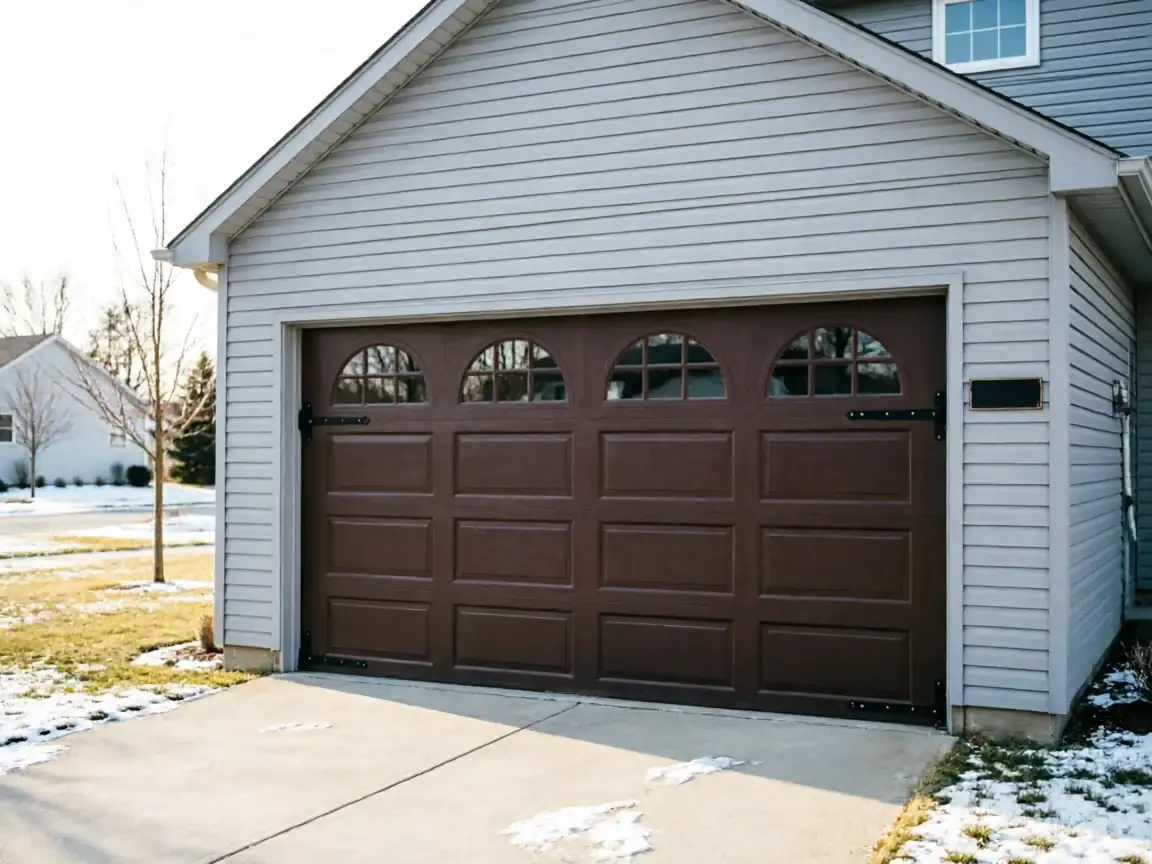
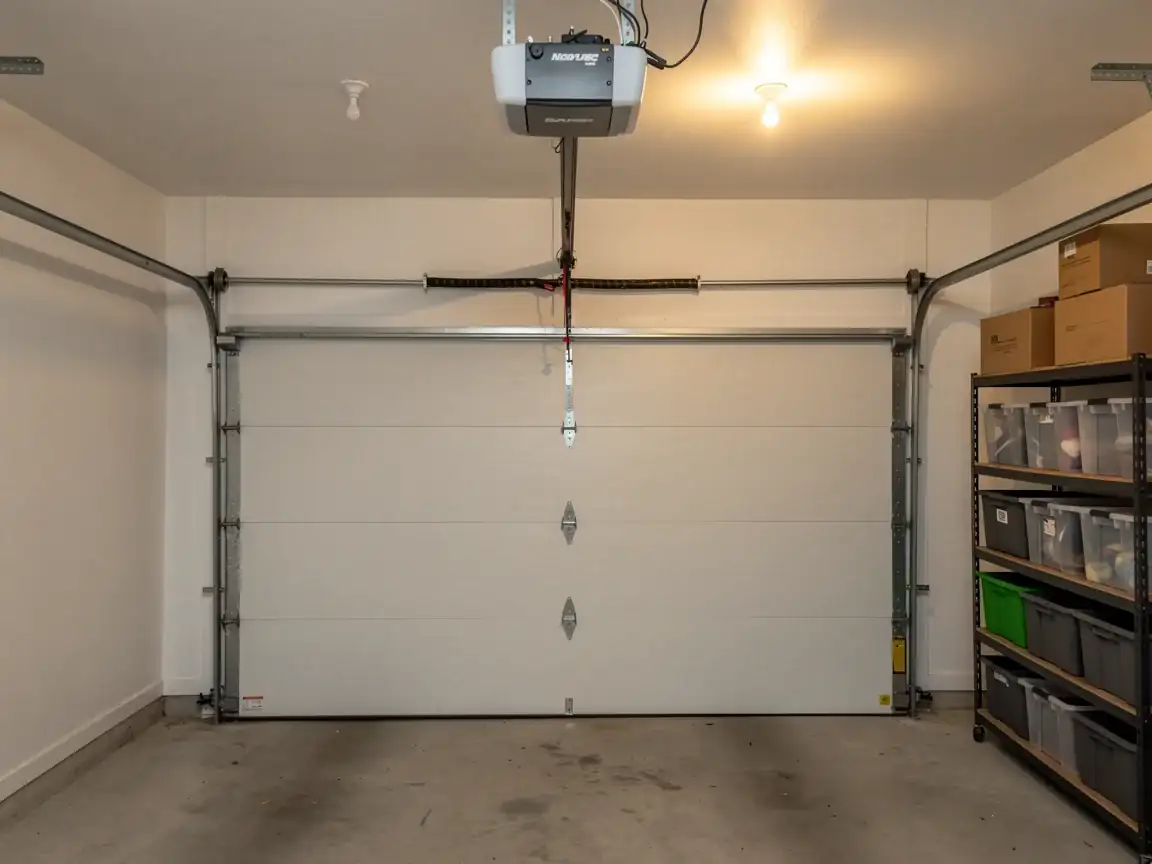
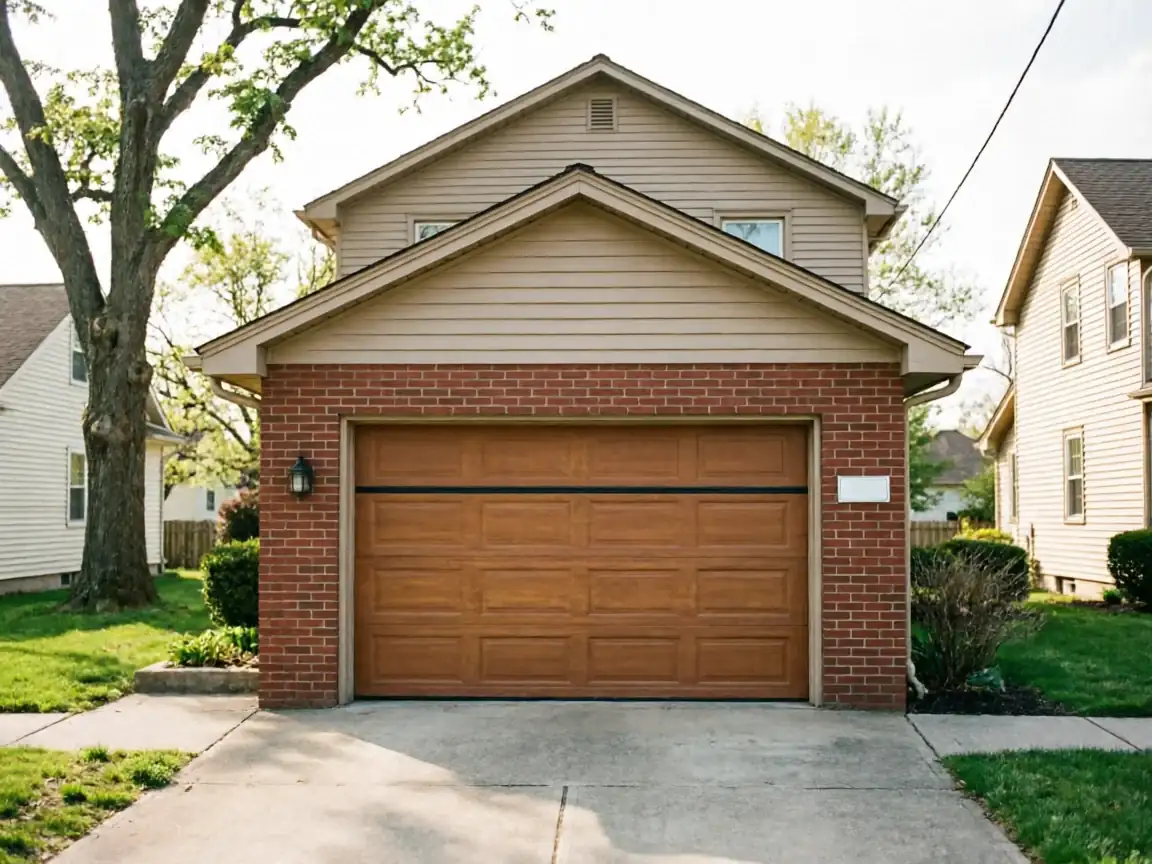
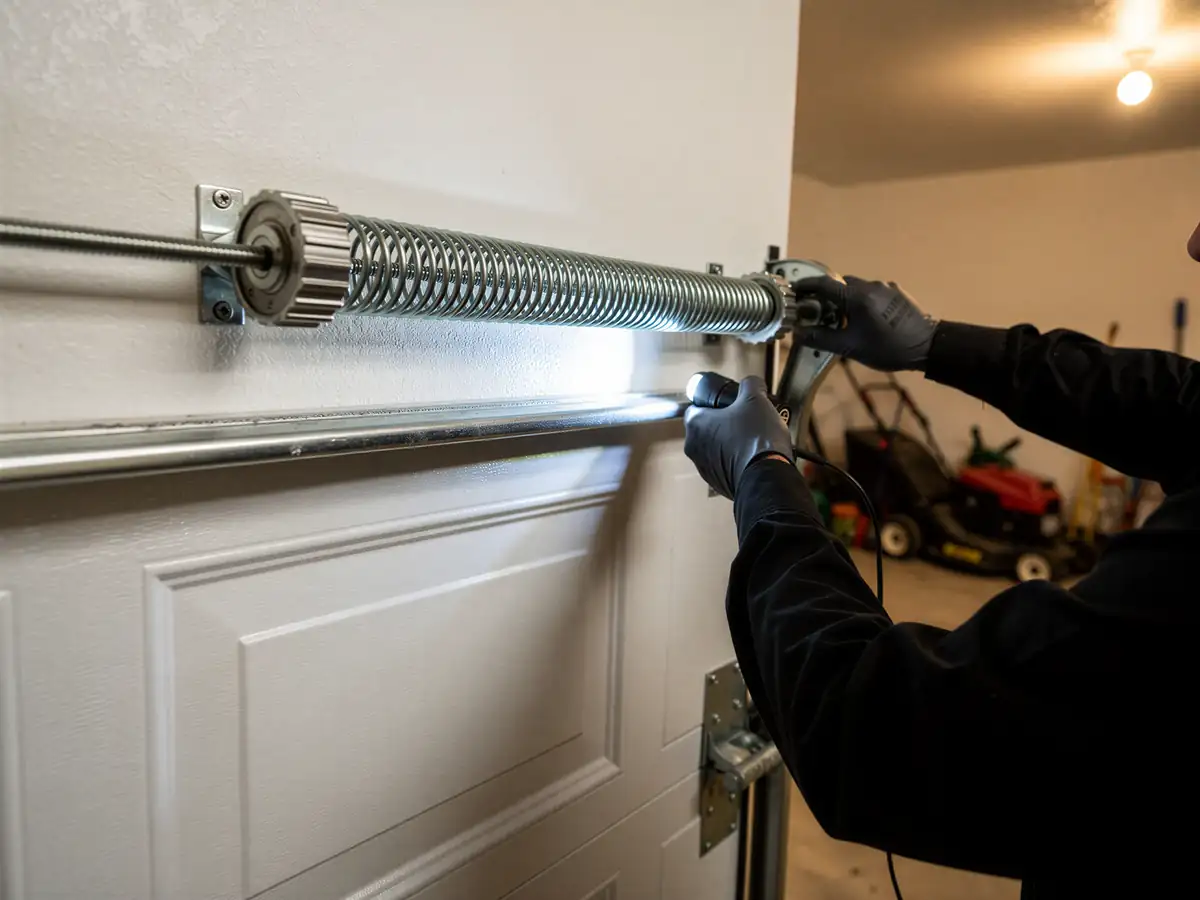
Lake Bluff's housing stock centers on 1977, which puts most garage doors here a decade or more ahead of the heavier insulated steel sections that became standard later. A lot of these are single-layer steel, sometimes still wood-faced, built to the narrower single and double widths common to that era rather than today's wider openings. The hardware matches the door: many were hung with extension springs running along the horizontal tracks rather than a torsion bar overhead, and that hardware doesn't get easier to find as the stock ages.
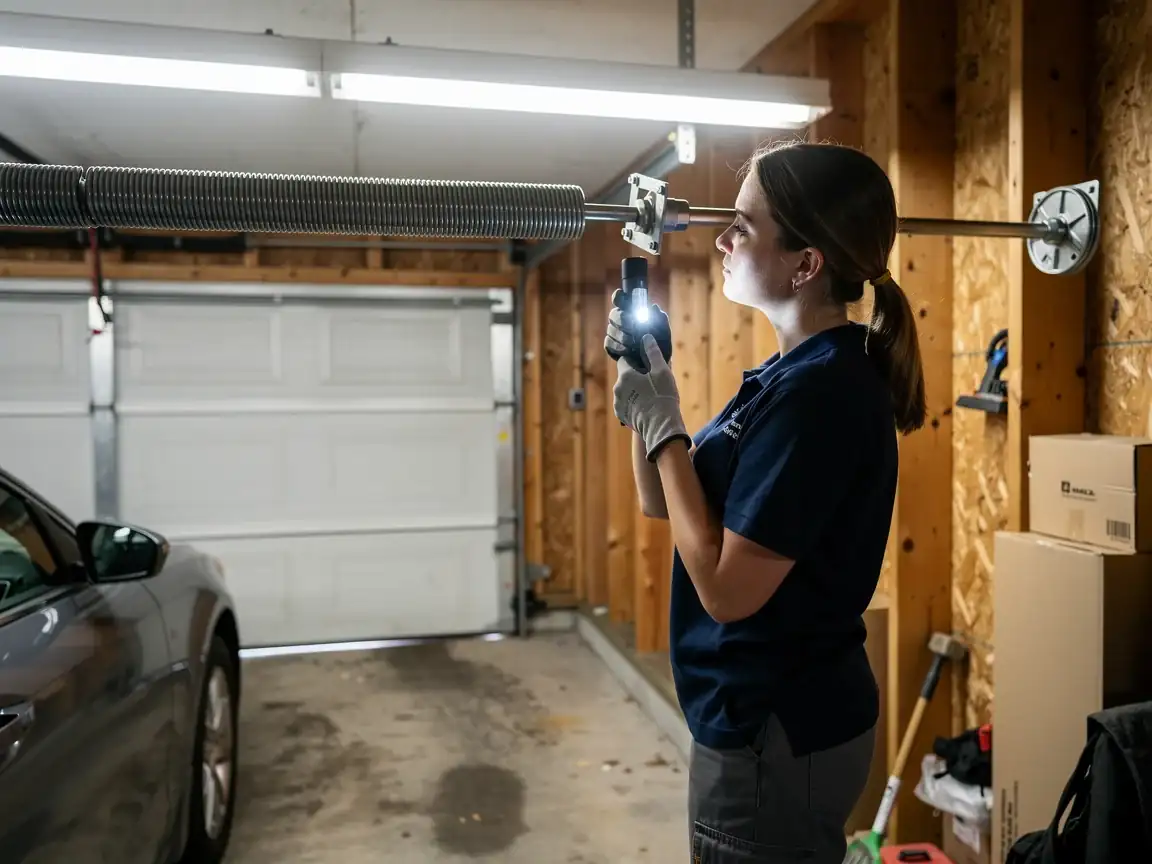
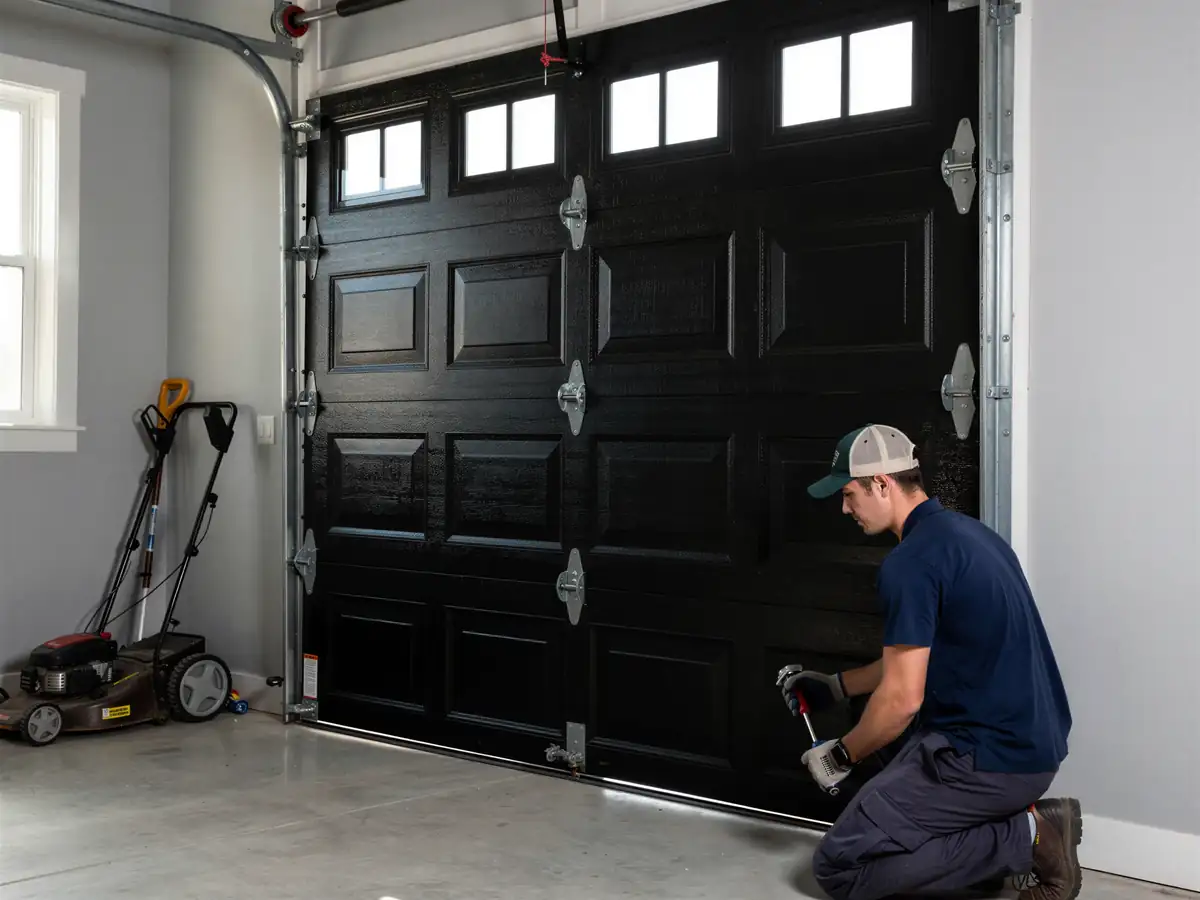
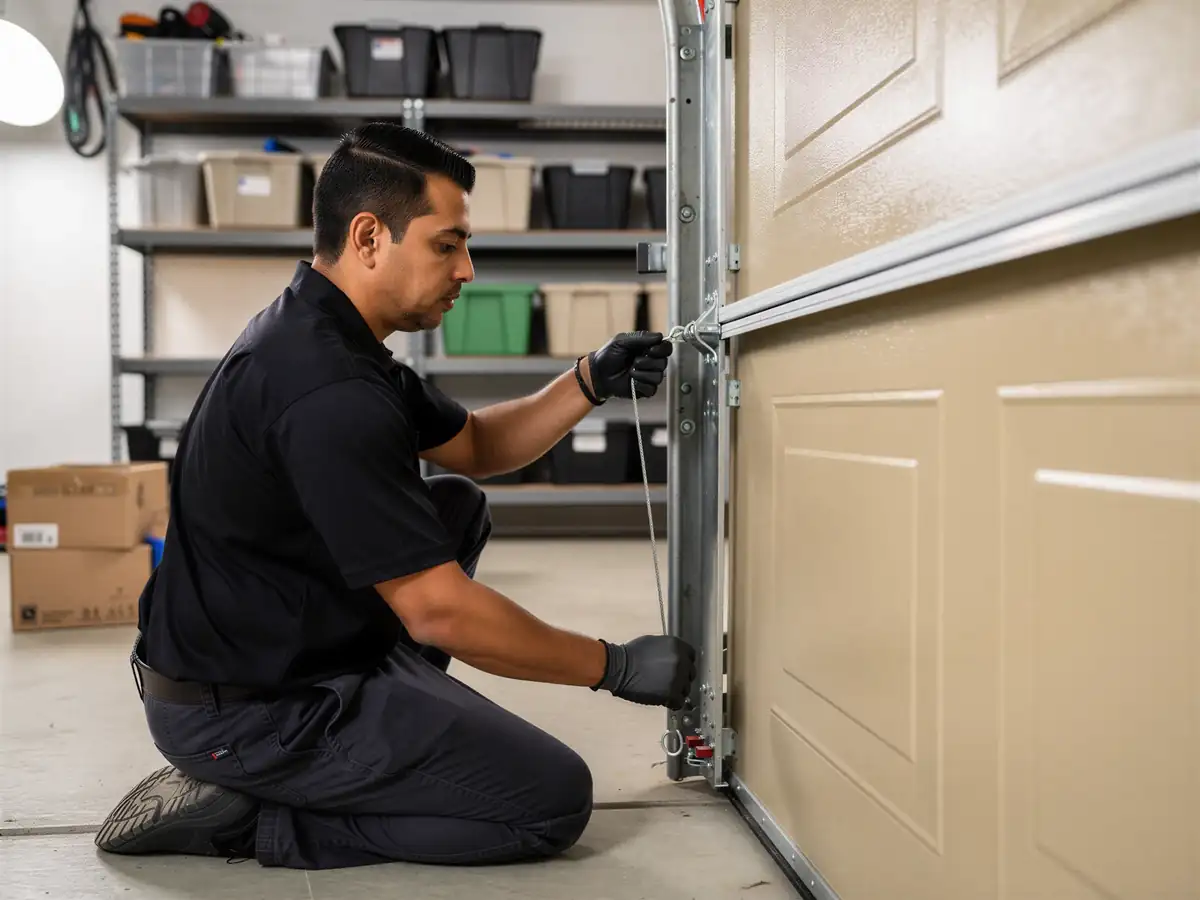
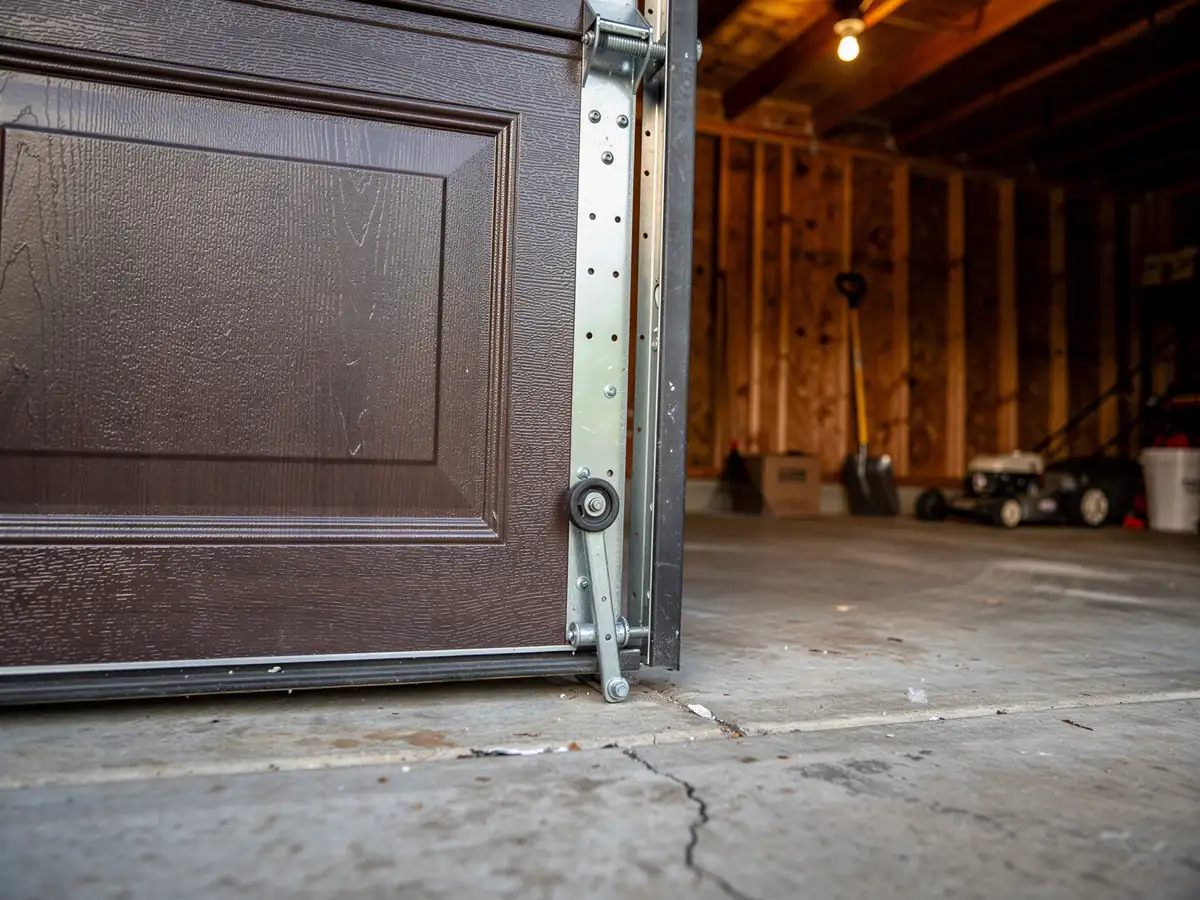
Cold winters do the rest. Steel contracts, rollers that were never nylon get stiff, and a spring that's already lost tension from decades of cycling can let go on the first hard cold snap rather than wearing out gradually. On a 1977 door, that failure often takes a cable or a bottom bracket with it, which turns what looked like a simple spring job into one that needs the whole bottom assembly checked before the door gets trusted again.
What Is on the Truck
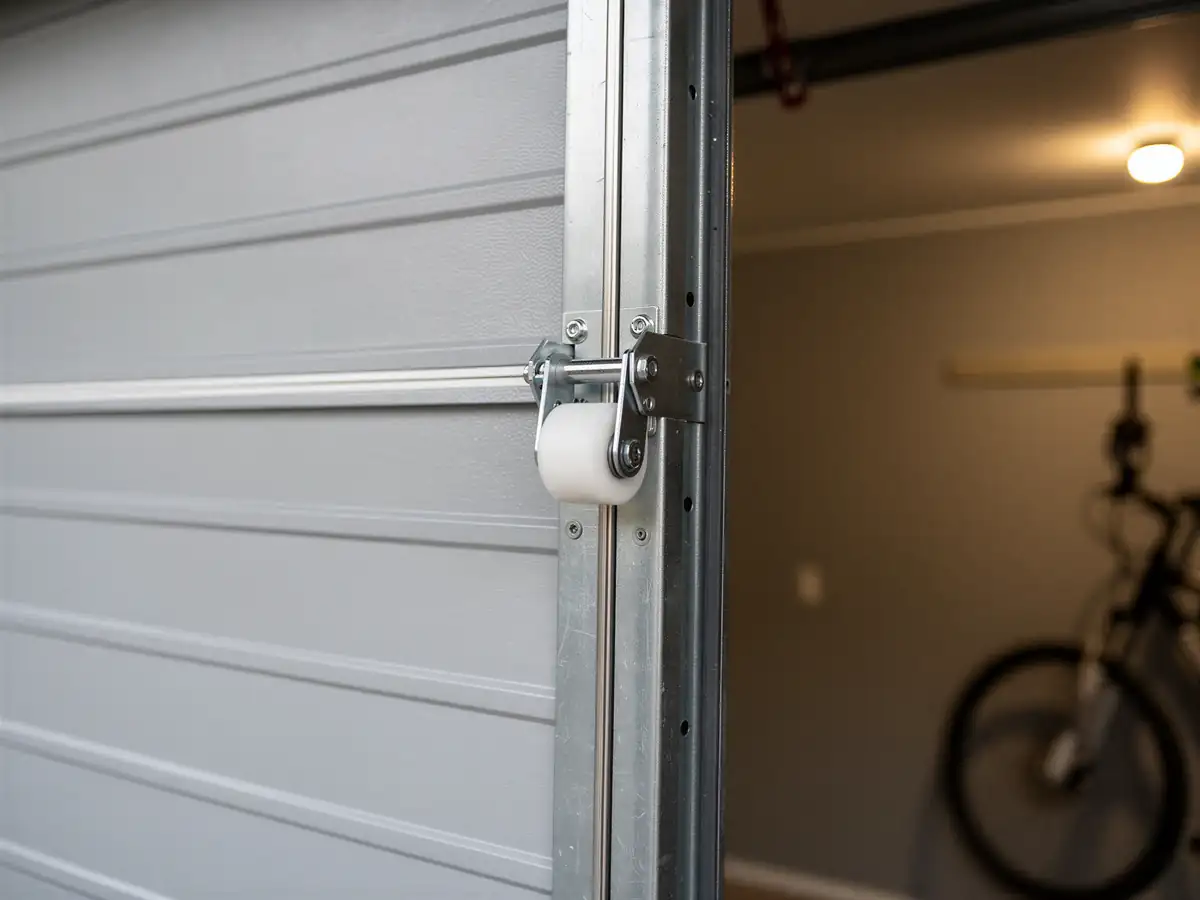
For a call into Lake Bluff, the truck carries the parts that match what's actually out there: extension springs in multiple lengths, torsion springs sized for both older narrow doors and newer wider ones, drums, cables, and rollers in the sizes that fit pre-1980s track hardware as well as current stock. Openers carried cover a straightforward swap for a dying chain-drive unit, which is still the most common opener fault on houses this age.
What isn't always on the truck is a replacement panel matched to an original 1977 door - those sections aren't a standard size anymore, and matching one exactly sometimes means special order. When that's the case, the visit stabilizes the door safely and gets you a straight answer on what a full section or full door replacement would take, rather than forcing a mismatched patch onto an otherwise sound door.
The Complications
The complication with doors this age isn't usually the obvious part
It's what's attached to it. An extension spring that's finally given out has often been pulling unevenly for years, and that uneven pull can bend a track or wear a roller channel in ways you don't notice until the spring is off and the door won't travel straight. On a double-wide door built to older spacing, a single broken spring can also mean the opposite side is close behind, since both have usually seen the same number of cycles since 1977.
Openers are the other complication
A chain-drive unit that's decades old may still run, but the safety reversal sensors required on newer systems often weren't part of the original install. Replacing just the broken part and leaving an opener without current safety sensors isn't a repair worth doing halfway, and that's a case where the honest call is to deal with the opener at the same time rather than patch around it.
What You Pay
There's no fixed price to quote here - a broken extension spring on a single door is a different job from a cable, drum, and bracket replacement after a spring takes the bottom hardware with it, and a 1977-era opener swap is priced differently than a spring. What drives the number on a Lake Bluff call is almost always the age of what's already installed: original hardware and odd sizing take longer to match correctly than a job on a newer standard door.
With Lake Bluff's median household income sitting well above the surrounding area, more owners here choose a full opener or spring-system replacement over a patch job once the tech shows them what's actually failing, rather than asking for the cheapest possible fix. That's a choice the homeowner makes on site, not something priced in advance over the phone.
How Long It Takes
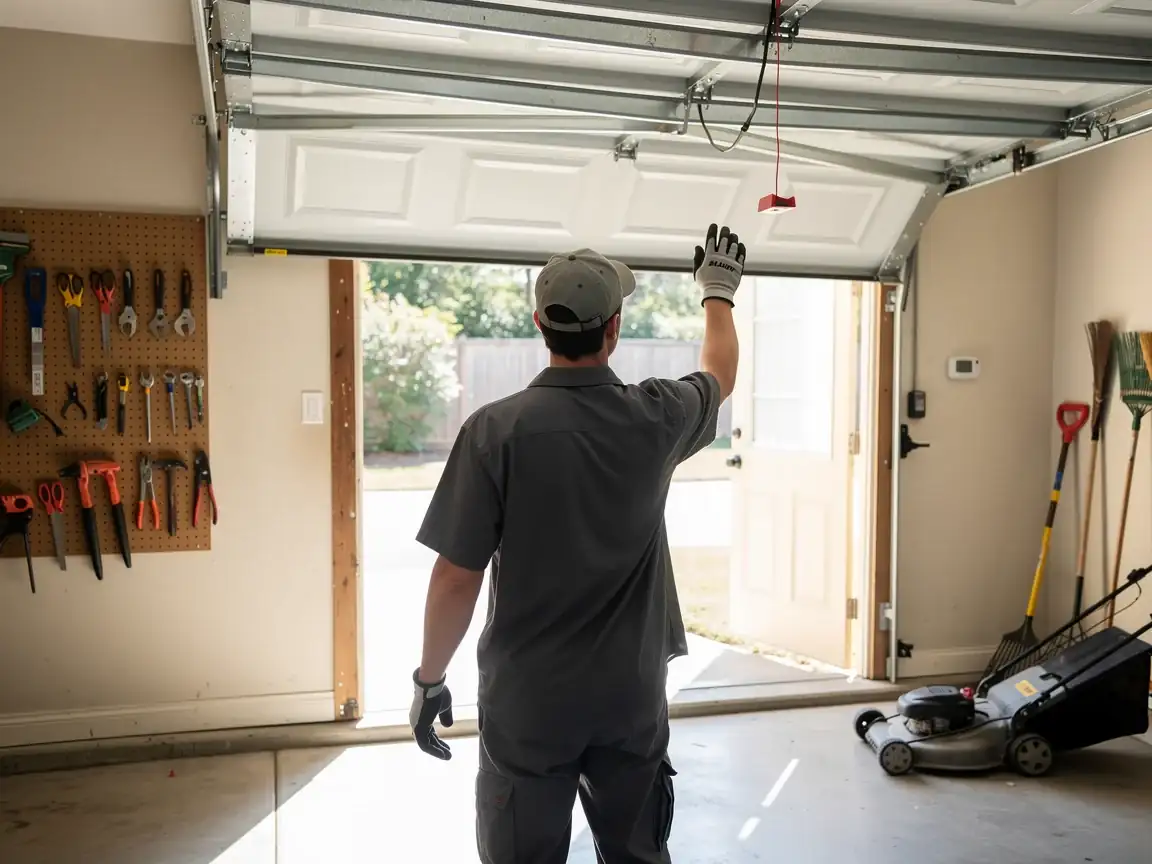
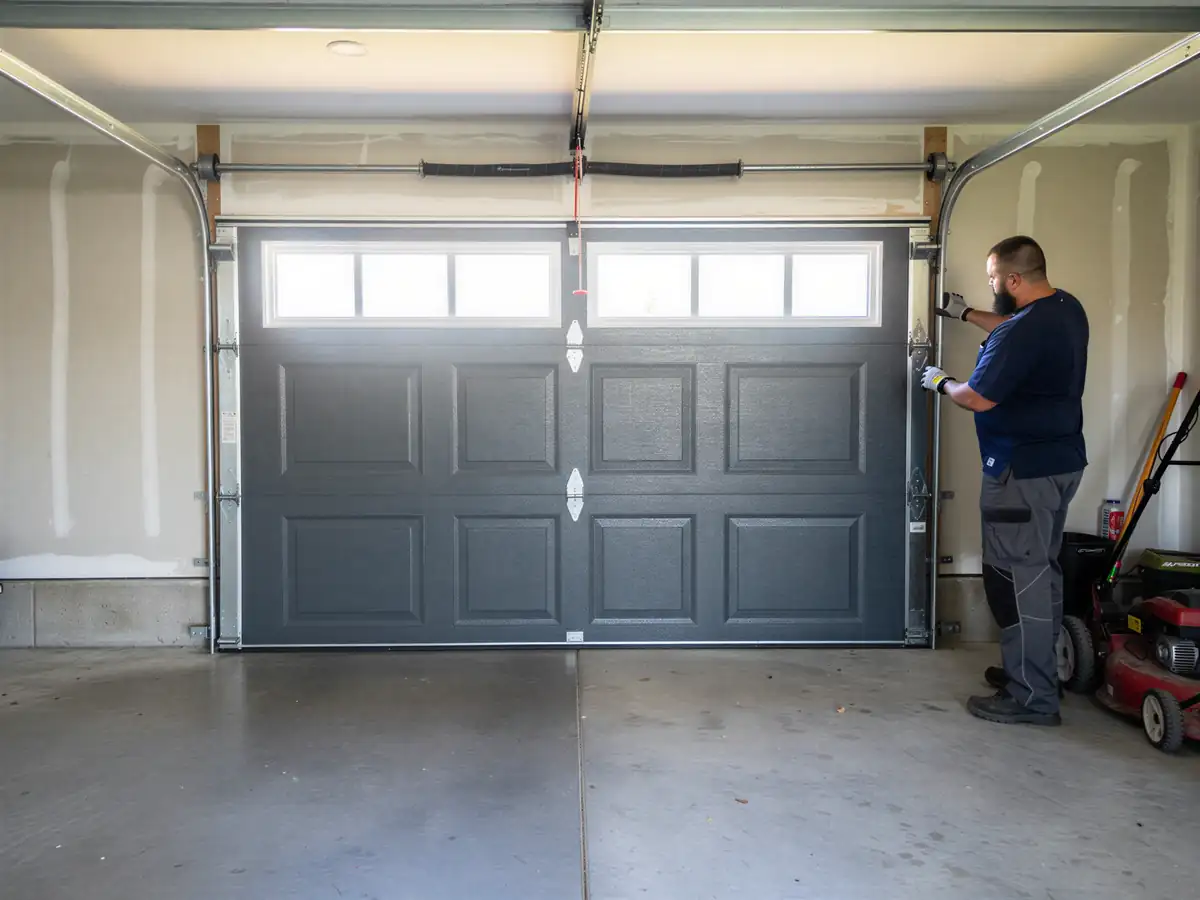
A straightforward spring or cable call is usually a same-visit fix once the truck is on site, since those parts are standard stock regardless of the door's age. What adds time in Lake Bluff specifically is diagnosis on older hardware - tracing an uneven pull back through decades-old brackets takes longer than snapping in parts sized for a current door, because the tech has to confirm the whole assembly is sound before closing the job out.
The one case that doesn't resolve same-visit is a panel that has to be special-ordered to match an original 1977 door. That part of the job gets scheduled once the replacement section arrives, and the tech will tell you on site whether that's the likely outcome before any work starts, not after.