How to Book
We run this call out of Lake Forest, three miles up the road
So there's no separate Lake Bluff branch or crew - one truck, one dispatch, same guys who service the rest of the territory. Book through the Lake Bluff page or the main Lake Forest repair page and tell us the door's age if you know it, because on a town built mostly in the 1970s that single detail changes which spring and cable we load before we leave the shop. We don't quote a repair over the phone sight unseen; torsion spring wind and door weight both matter and we'd rather check them in person than guess. We also don't carry every part for every door built since the Johnson administration - more on that below.
If your opener is the only thing acting up, say so when you call
Opener faults and spring faults get diagnosed differently, and knowing which one you've got before the truck leaves saves a trip back for the right part.
Why This Fails Locally
Lake Bluff's median household income sits at $205,735 - well above the $124,847 median across the wider service area we track. That gap matters more than it sounds like it should, because income is the thing that actually decides whether a homeowner here calls for a third spring repair or just tells us to replace the whole door and opener. At $205,735 median, more Lake Bluff calls end in replacement than repair, simply because the owner can afford to stop patching a door that's already told them twice it's done.
The other number that matters is 1977, the median year these houses were built - six years earlier than the 1983 median across the 53 named areas in our territory. A door from the late '70s is usually on its second or third opener already but often still running its original torsion hardware, sized to specs nobody stamps on new springs anymore. Across a cold-climate building band, steel that old has usually taken more freeze-thaw cycling than a door built in the '90s, which shows up as rust pitting on the shaft and slack in the cable long before the spring itself lets go.
What Is on the Truck
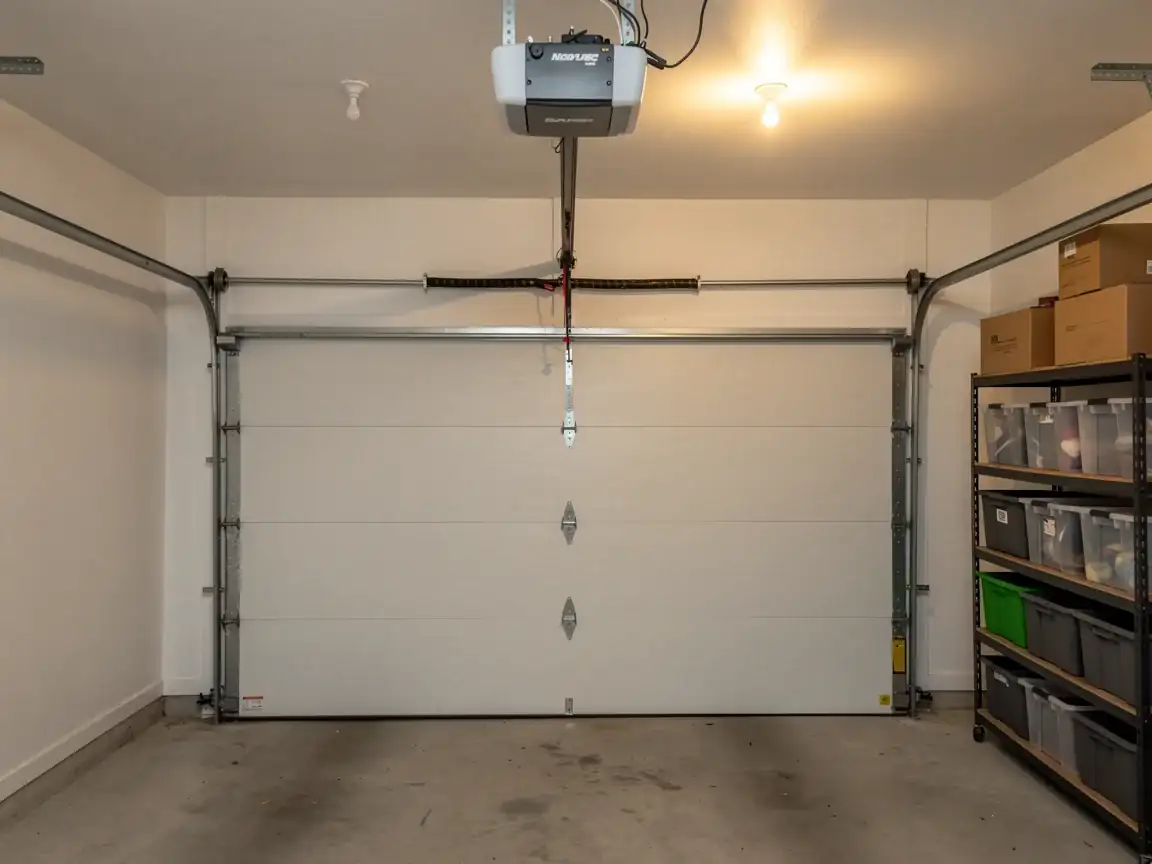
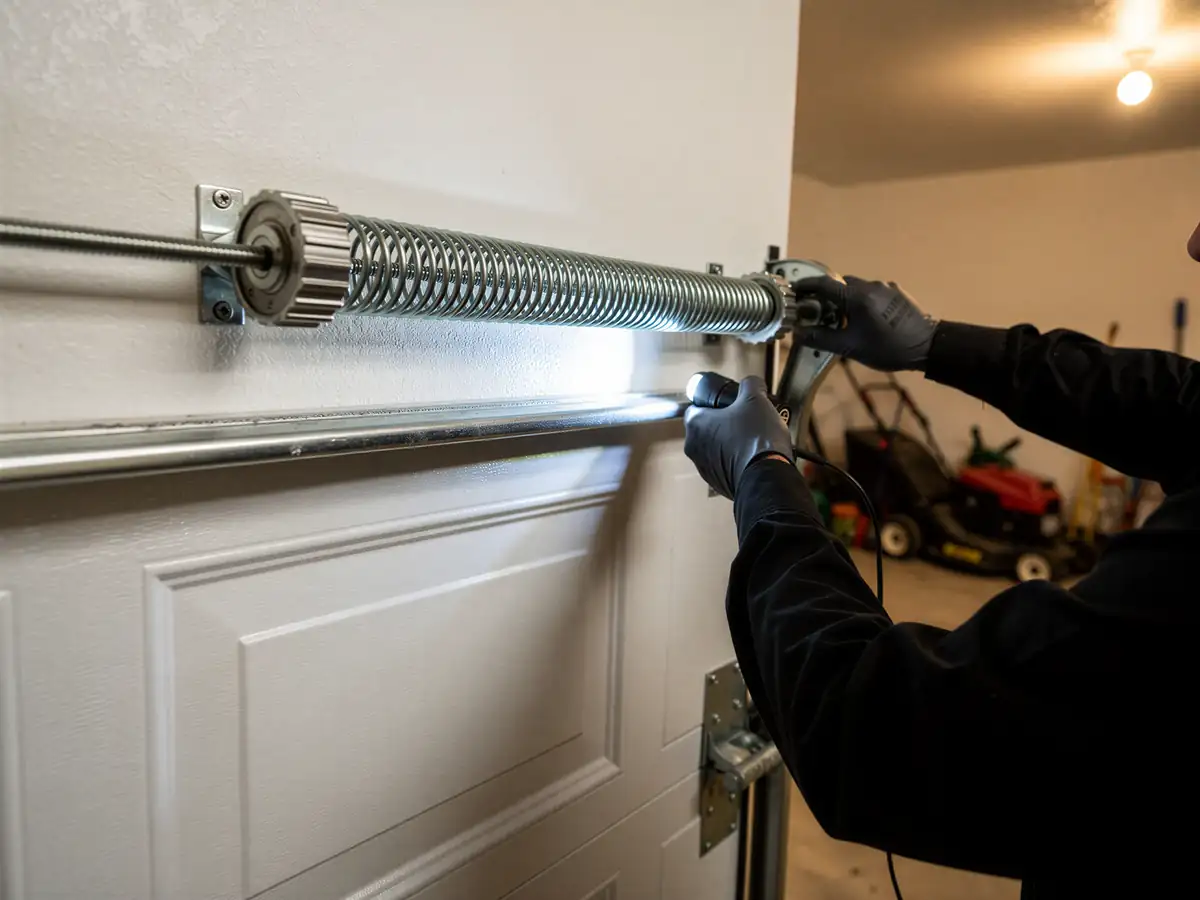
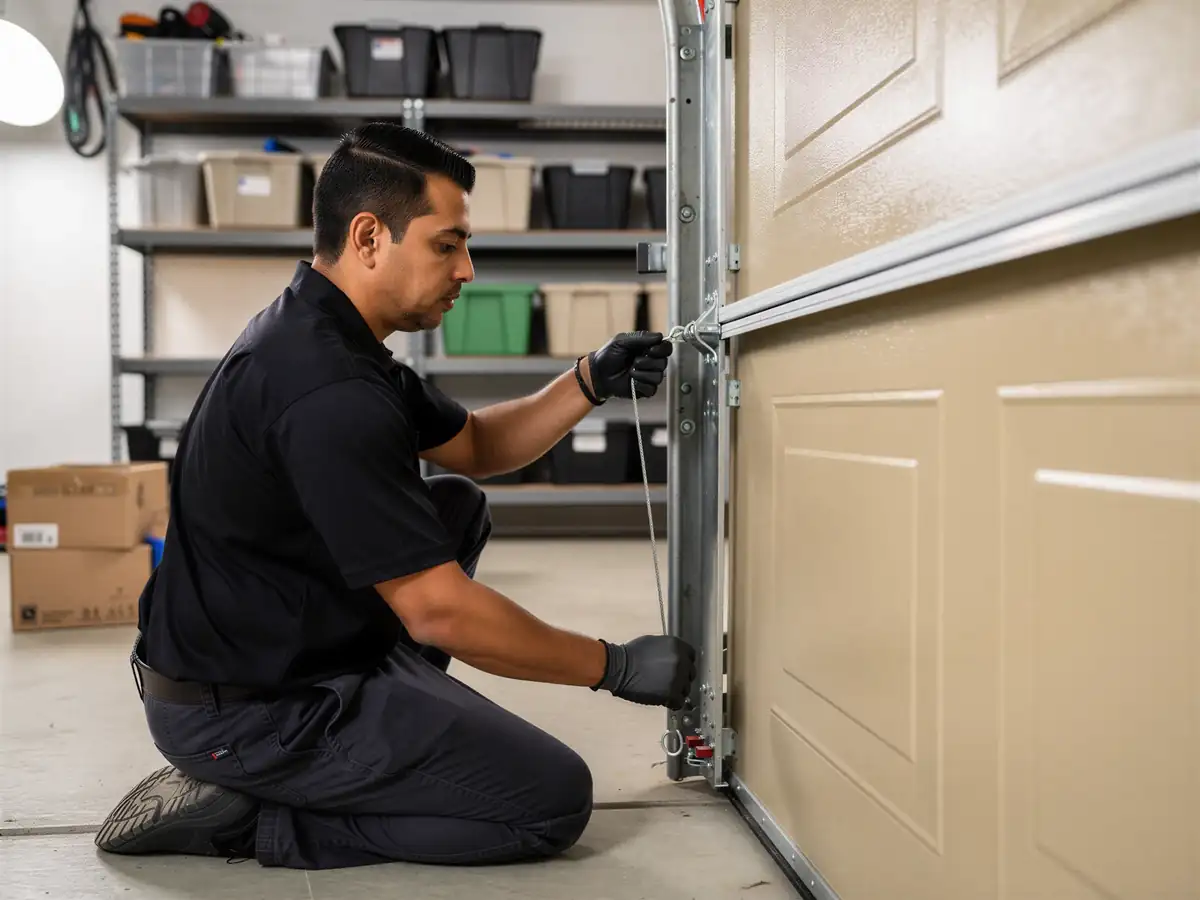
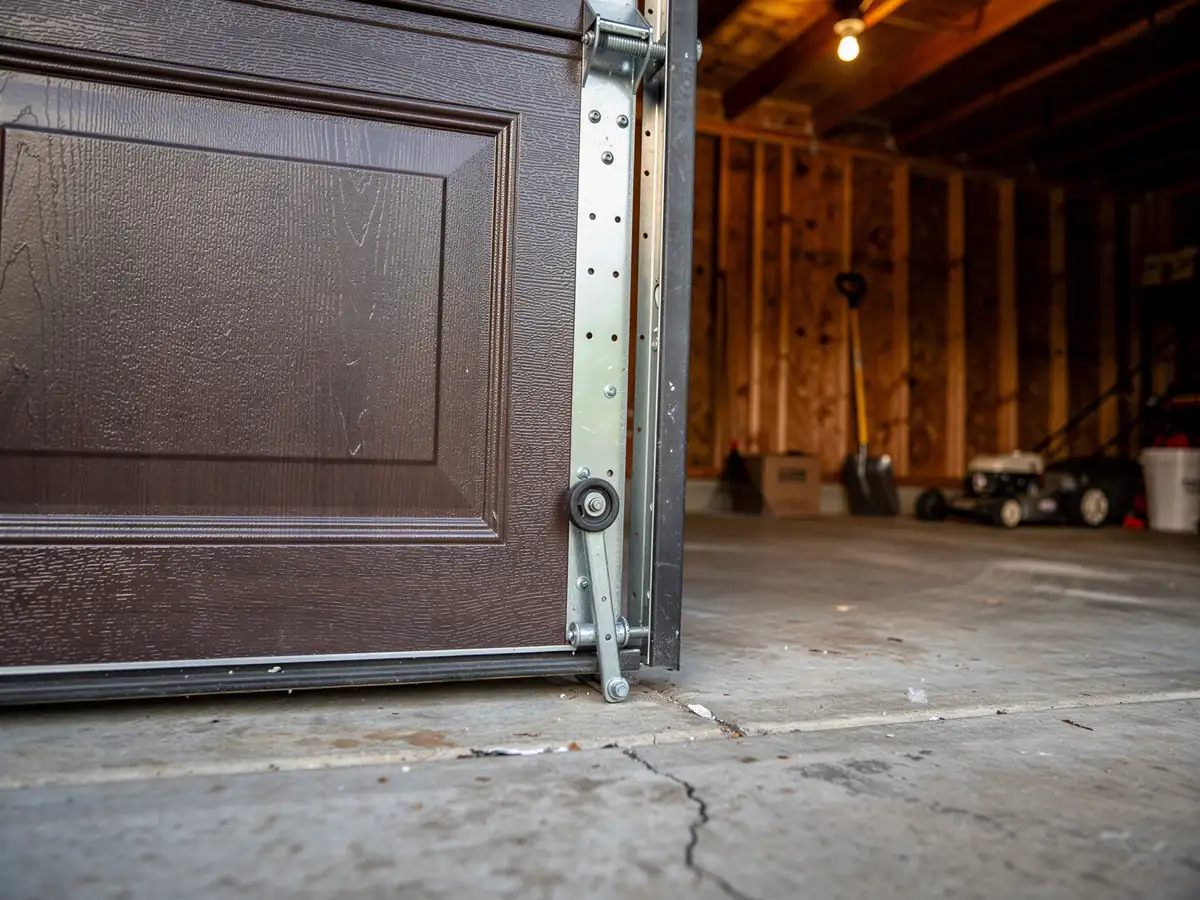
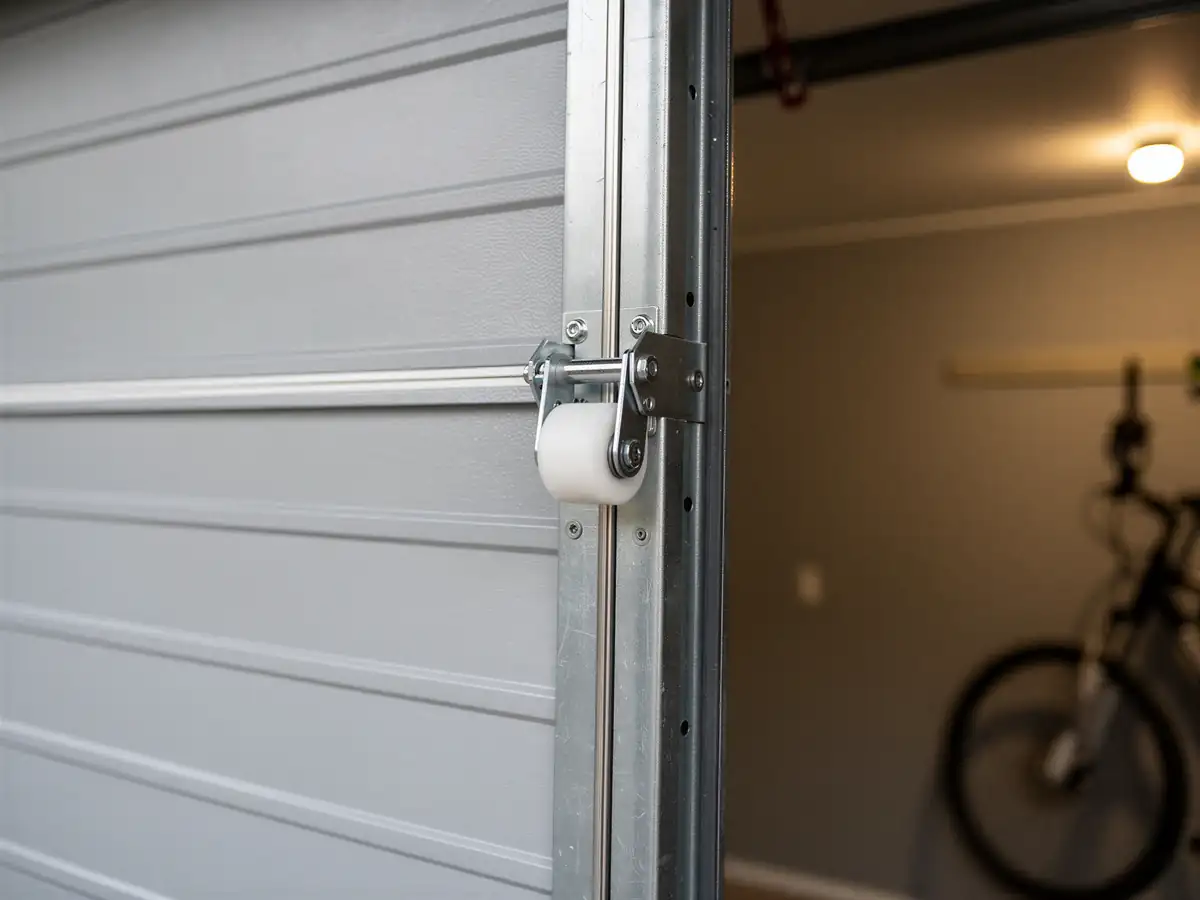
For a town running a 1977 median build year, we stock torsion springs sized for the shorter, lighter sectional doors common to that era rather than the taller insulated doors that came later. Cables, end bearing plates, and galvanized rollers sized to 1970s track width ride on the truck for the same reason. We also carry universal opener logic boards and safety-sensor kits, since most openers on a house this age have already been swapped at least once and aren't the originals.
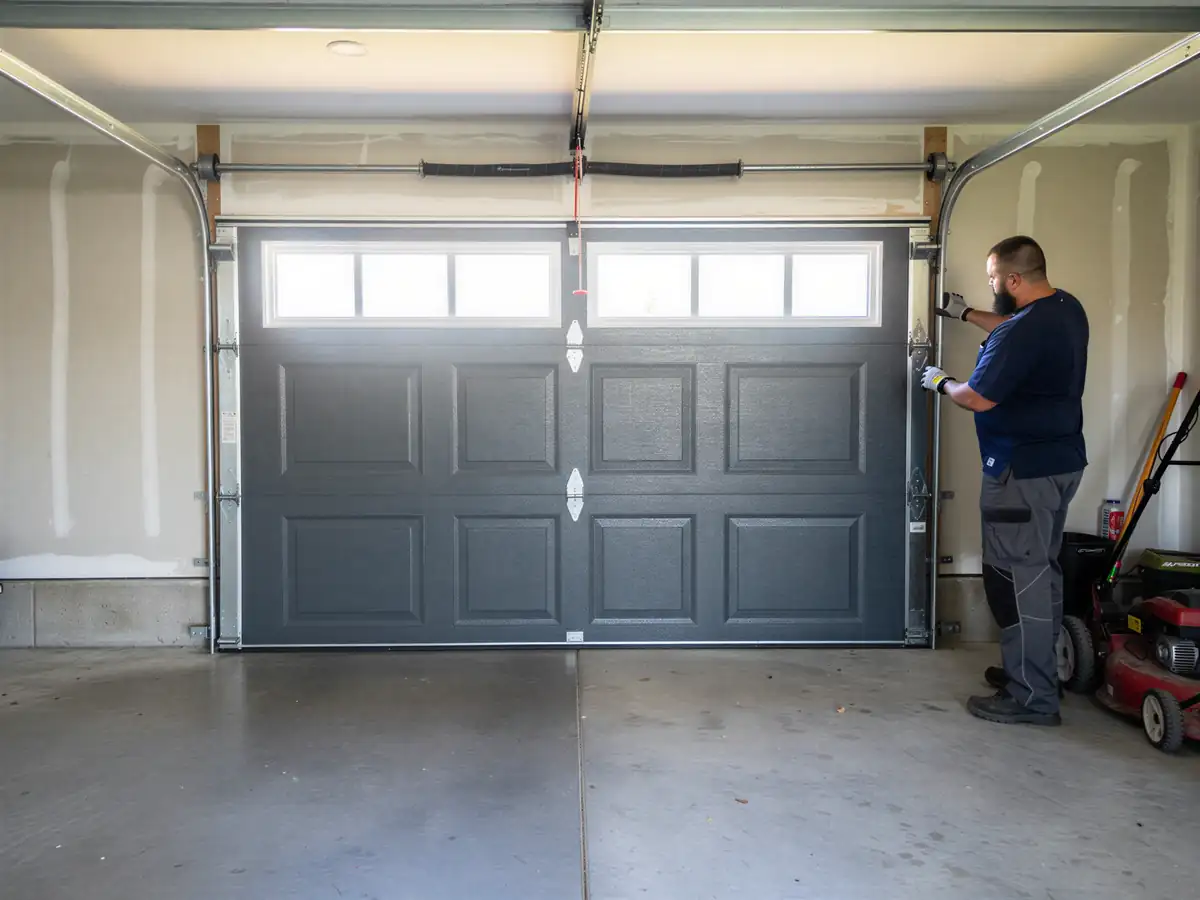
We carry standard-lift torsion springs in the common wind and length combinations for single and double doors, plus a set of extension spring conversions for the handful of houses still running the older style. What we don't carry is every obsolete spring size a specific door badge used decades ago - that's a special order, not a truck part, and we'll say so on site rather than make you wait at the curb while we dig through bins that don't have it.
The Complications
The complication in Lake Bluff isn't access - it's age mismatch
A house built in 1977 has had forty-plus years to collect opener upgrades, track realignments, and the odd mismatched panel from a prior repair, so what looks like a simple spring job sometimes turns up a bent track or an out-of-square frame once we get the door moving by hand. Cold-climate steel fatigue adds to that; a torsion spring that's cycled through moderate-cold winters for decades loses tension unevenly, which is why a "new spring" job on an old door sometimes still binds until we also true up the track.
The honest limitation
If a door's track or jamb has shifted enough that squaring it costs more in labor than a new door and opener would run at this income level, we'll tell you that instead of billing you for a patch that won't hold through next winter. We'd rather lose the smaller job than sell you a fix that comes back.
What You Pay
We don't have a published price list here, and we're not going to invent one just to fill this section - what a Lake Bluff job costs depends on spring size, door weight, and whether the opener needs anything beyond a sensor or board swap. What we can say is where the income number changes the decision: at a median household income of $205,735, more owners in this town choose a full door-and-opener replacement over a second or third repair on hardware from the 1970s, because the math of nursing old steel versus starting clean tips toward replacement faster here than in lower-income parts of the territory.
If your door is still within normal service life and the fault is a single broken part - a cable, a roller, a sensor - repair is still the right call regardless of income, and that's what we'll recommend. We only push replacement when the numbers and the age of the door actually point there.
How Long It Takes
We don't publish a guaranteed response window for Lake Bluff, and we won't claim one just because the drive from Lake Forest is short - three miles doesn't change diagnosis time once we're on site. What actually sets the clock is parts: a common torsion spring or roller comes off the truck same visit, but a part specific to an older 1970s-era door badge sometimes has to be special ordered, and that wait is the lead time's, not ours.
So the honest answer is: common failures on a house this age - broken spring, worn cable, failed sensor - we handle in one visit with what's already on the truck. Anything tied to a discontinued part on an original 1977 door takes longer, and we'll tell you that the moment we identify it rather than after you've waited for a second trip.