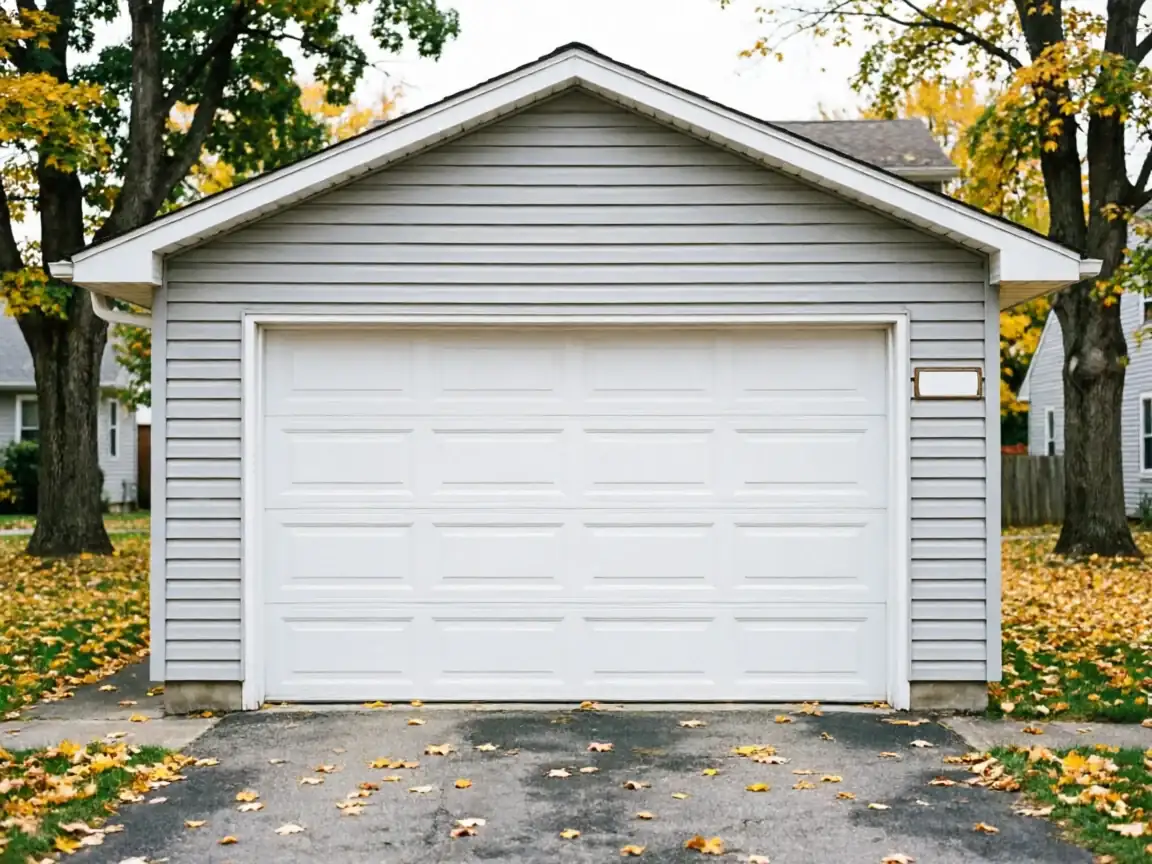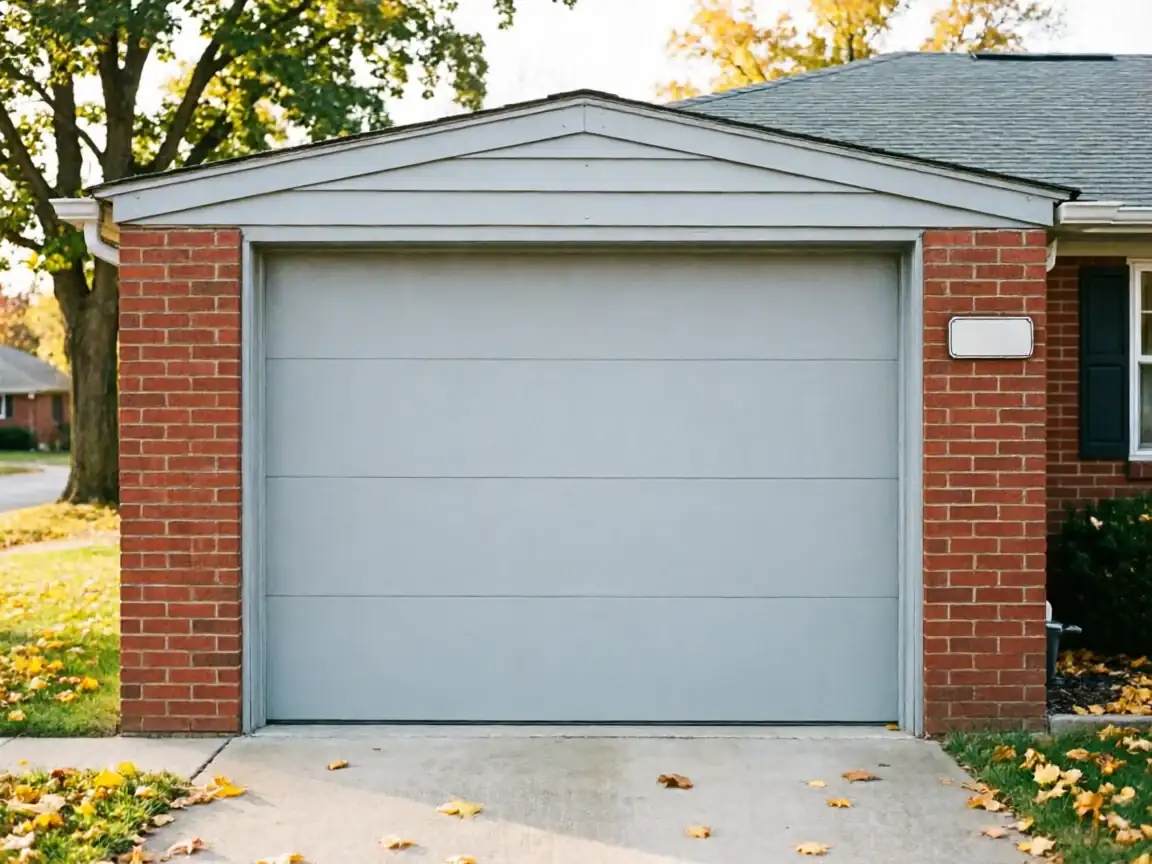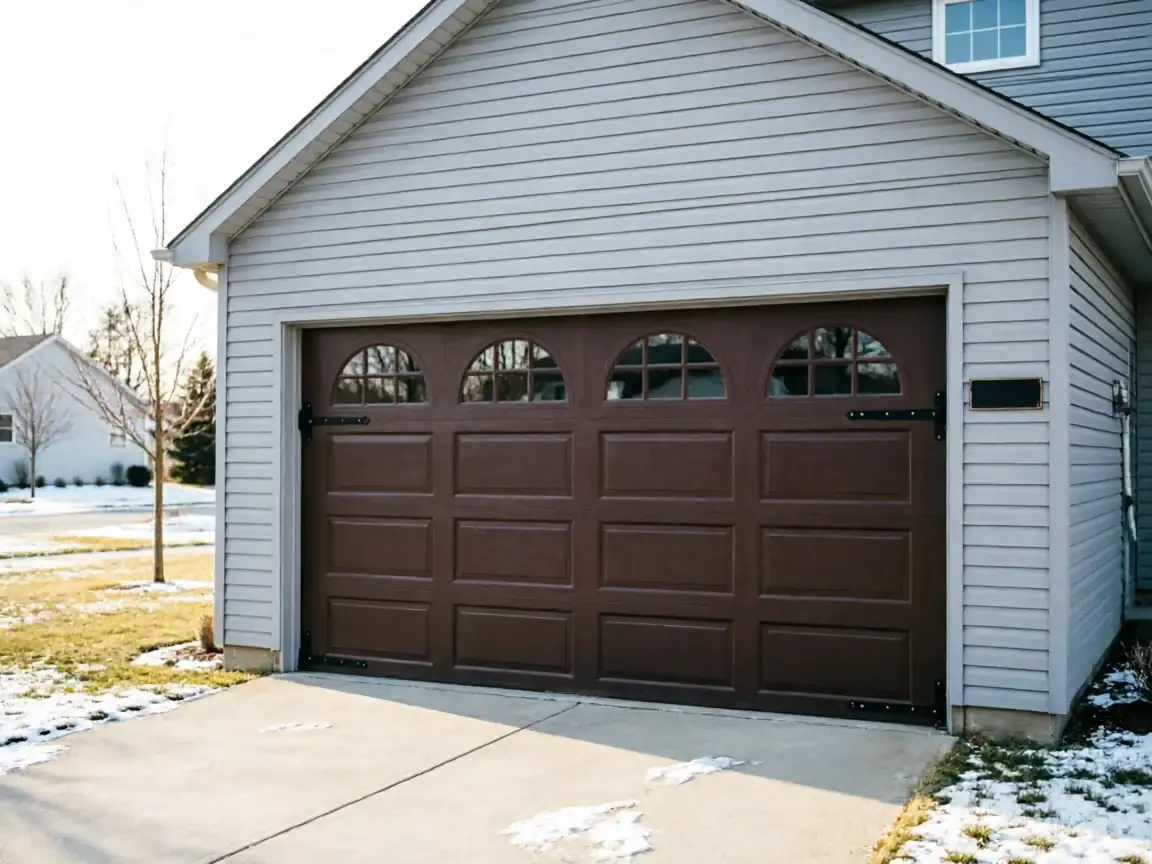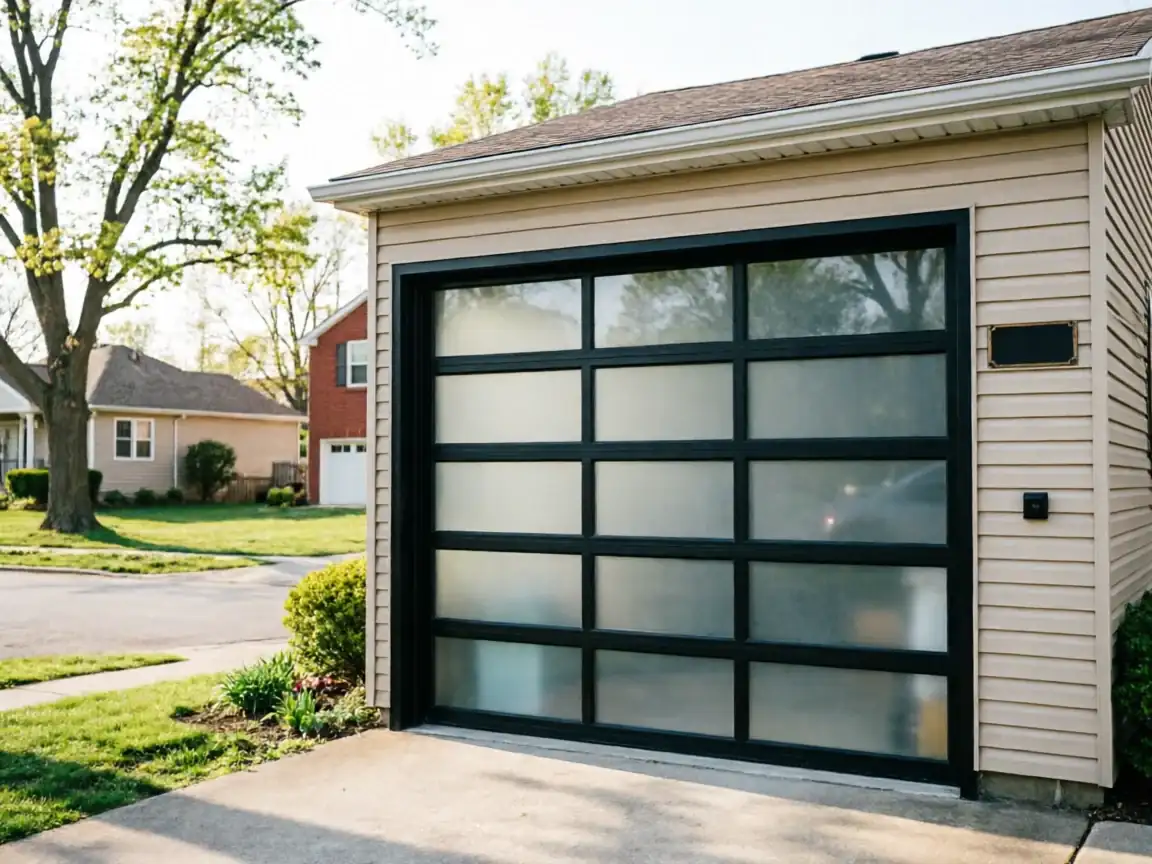
How to Book
We run this job out of Lake Forest, three miles up the road
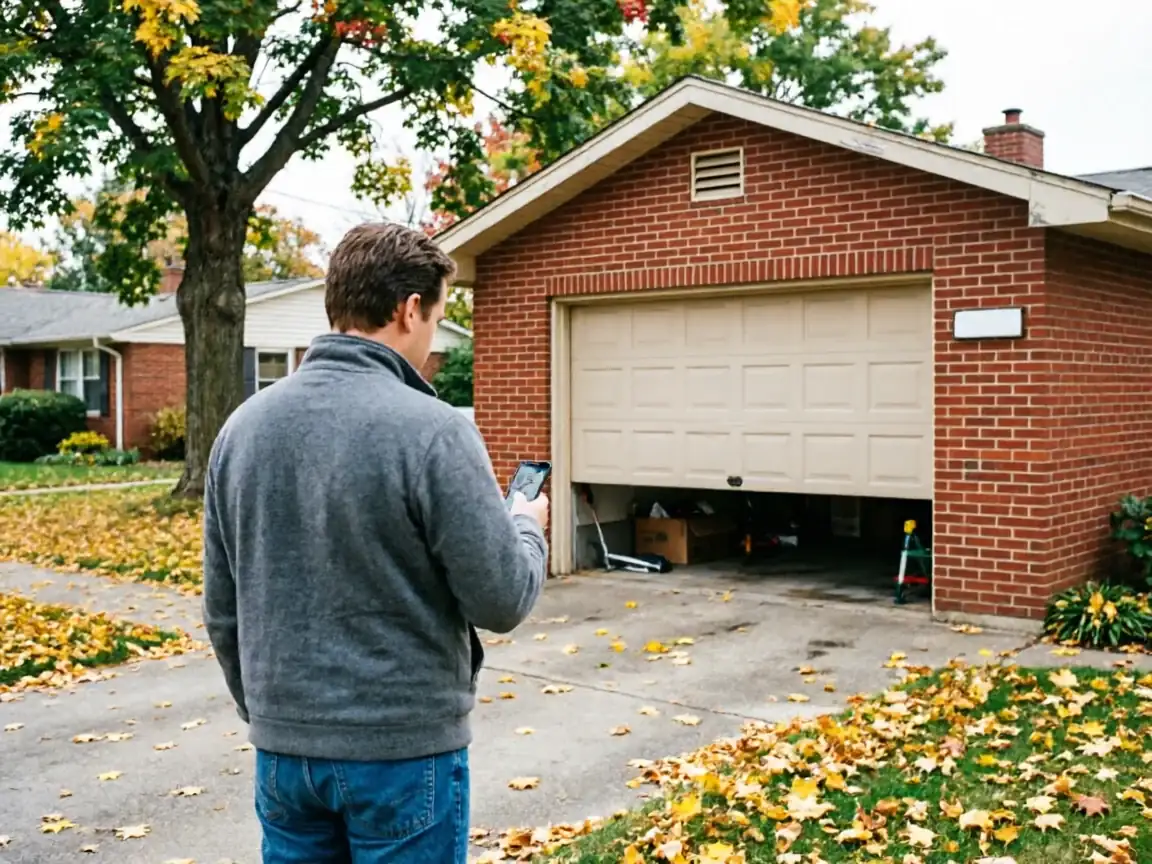
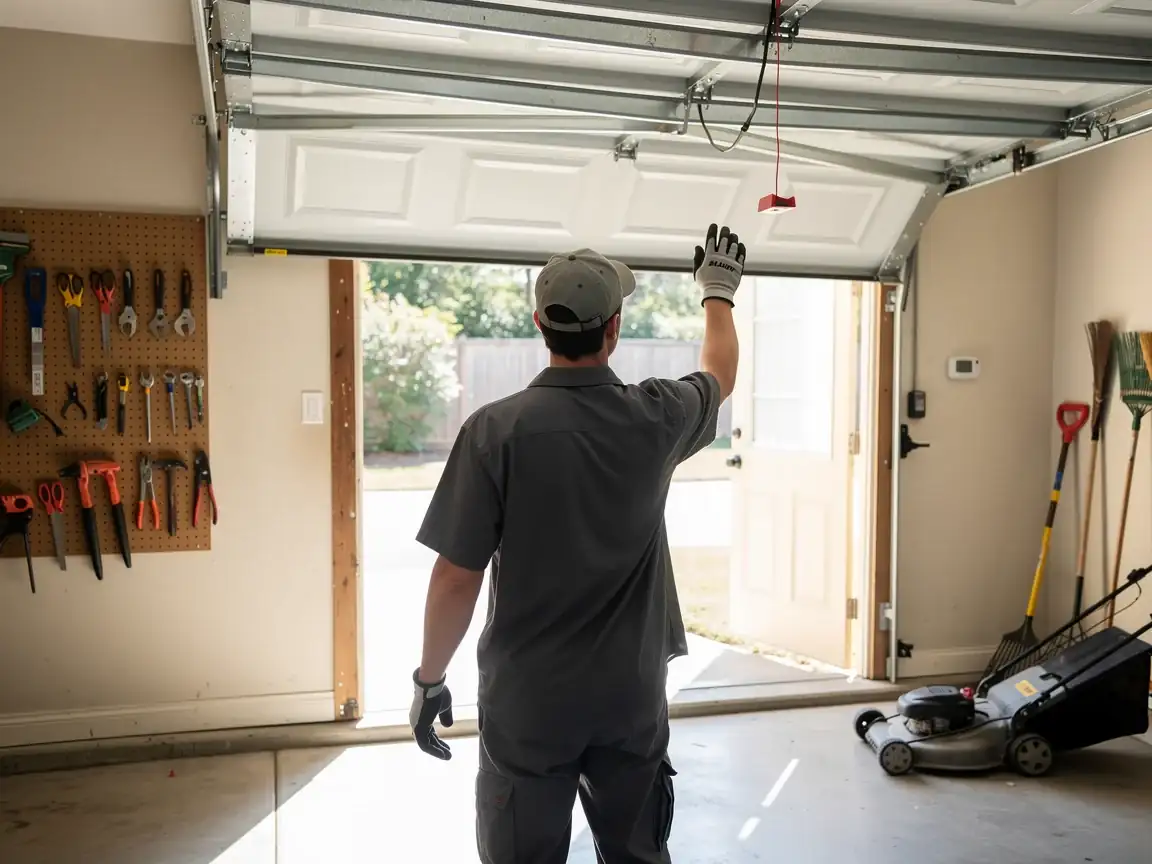
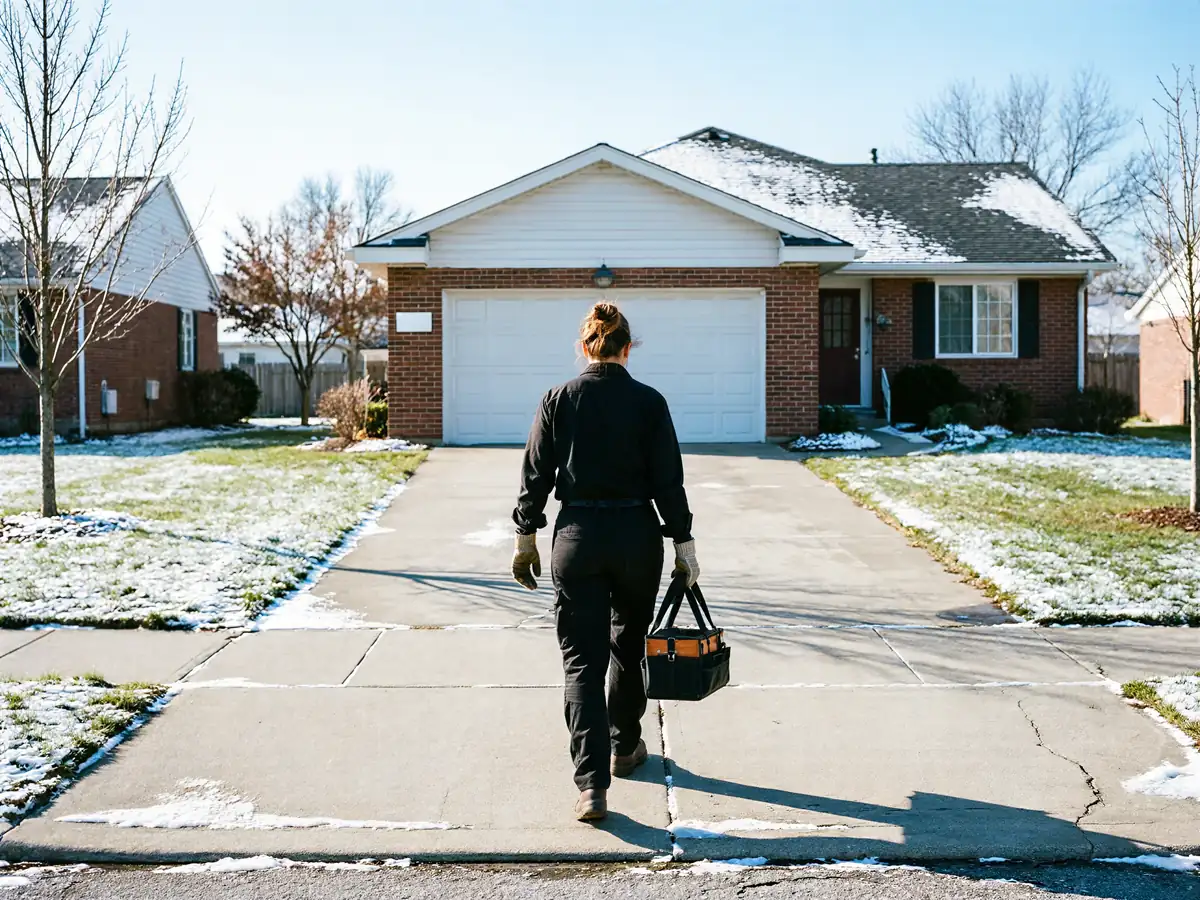
So Lake Bluff is a short hop for us rather than a cross-county trip. Call and tell us what the door is doing - jumped a roller, leaning in the track, won't move at all - and whether the opener still tries to run it. That matters, because a door that keeps trying to climb a track it's already off can bend the rail further or snap a cable in the meantime. If you can safely pull the release cord and leave the door where it sits, do that before we arrive. Don't force it back onto the track yourself. We'll want the address and a rough sense of the door's age, since Lake Bluff homes built around 1977 tend to have a different track and roller setup than houses from the 80s or 90s, and that changes what we bring.
We book from our Lake Forest base, not a Lake Bluff location
There's no branch or depot here, just the truck coming over.
Why This Fails Locally
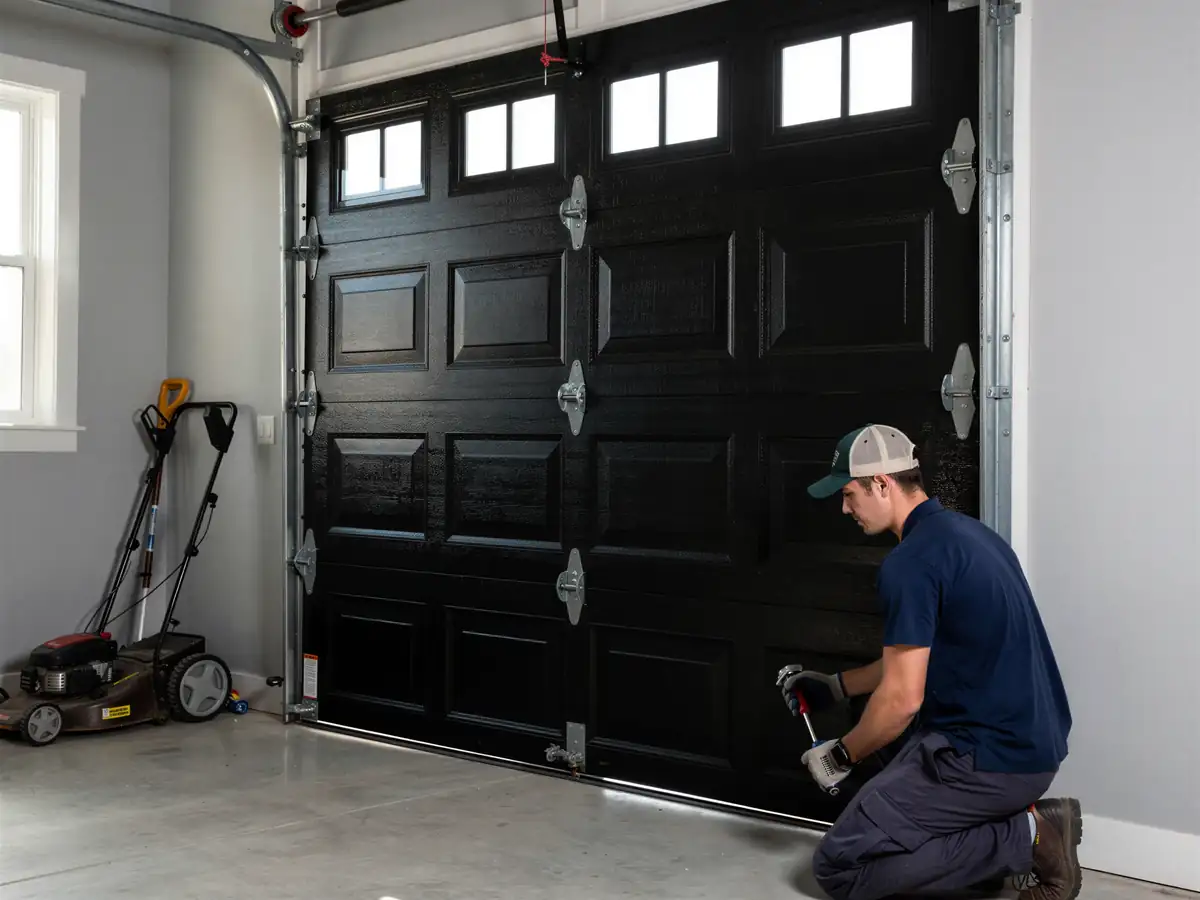
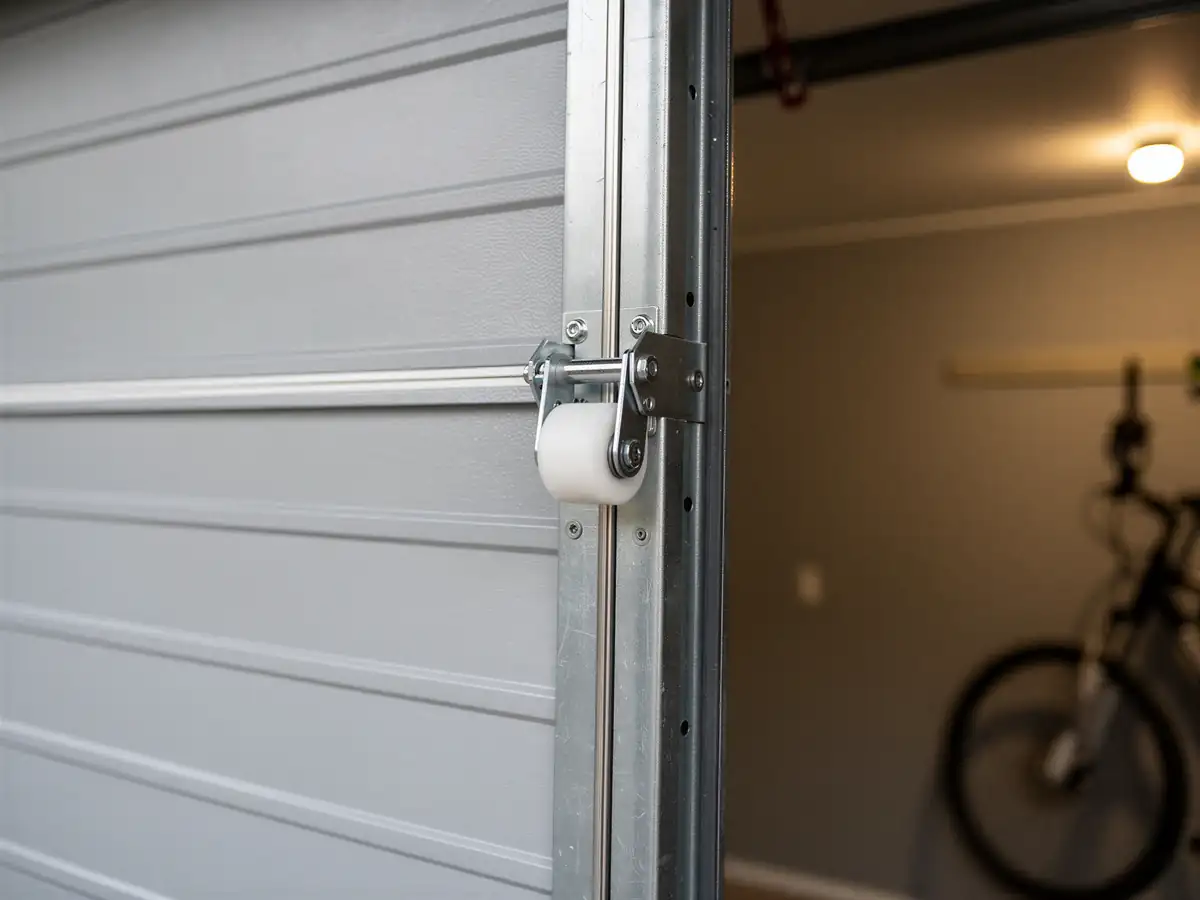
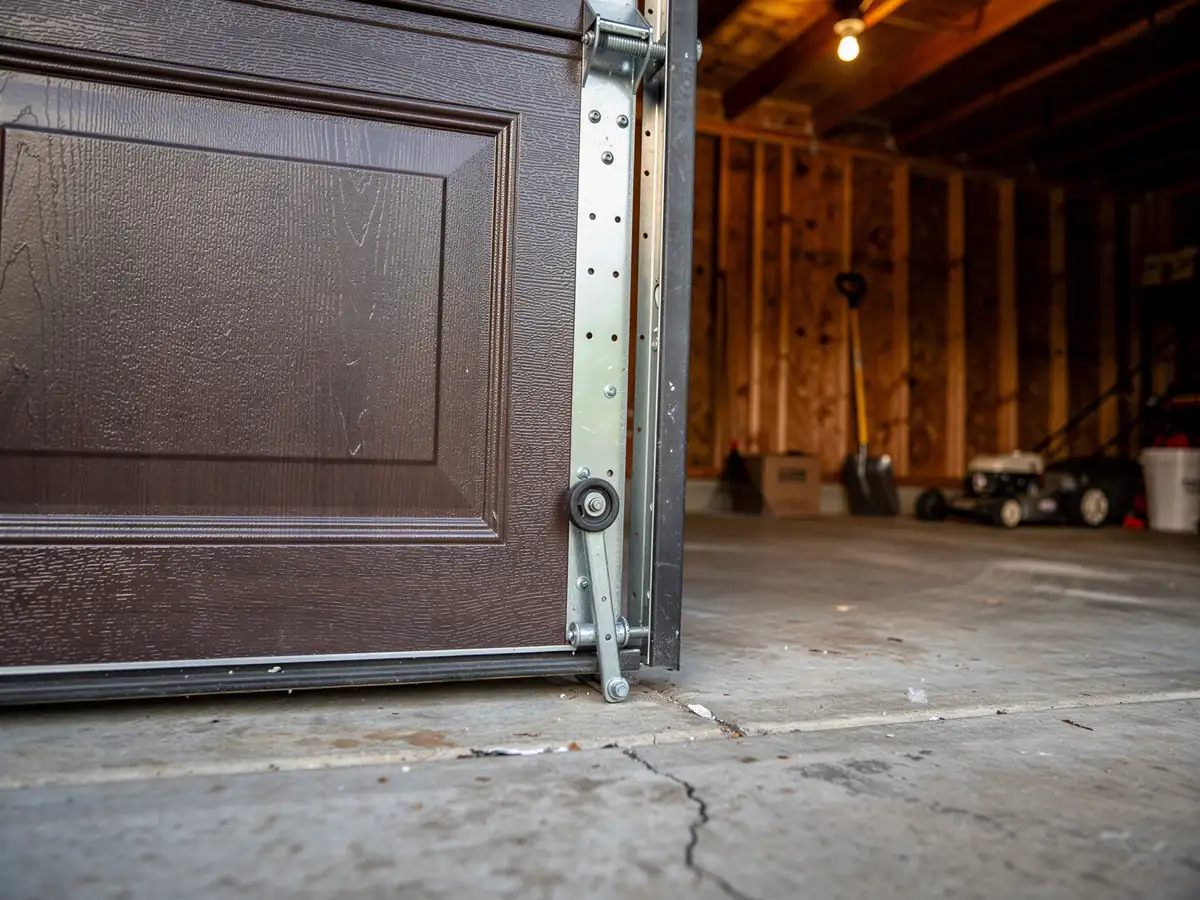
Lake Bluff's housing stock centers on 1977, which puts a lot of doors here a decade ahead of the broader service area's 1980s-90s build-out. Doors installed in the late 1970s commonly came with galvanized steel track in a lighter gauge than what gets sold today, mounted with brackets that have usually seen forty-plus years of expansion and contraction through cold Midwest winters. That's the part that goes off-track first - not the door panel, the rail holding it. A bent flag bracket or a loosened jamb mount lets the rollers walk sideways instead of riding straight up, and once a roller leaves the track, the whole panel can tip and jam.
With only 2,174 households in Lake Bluff, this isn't a huge town, but the pattern repeats: original or early-replacement track, original brackets, and roller sets that are now on their second or third generation even where the door itself has never been swapped. The track is usually the weak link, not the door.
What Is on the Truck
For 1970s-era track work, we carry replacement galvanized rail in a few common widths, flag brackets, and both nylon and steel rollers, since houses from this build year show up with either depending on what got swapped in over the decades. We also carry shims for jamb brackets that have worked loose from the framing - common on doors this age where the original fasteners have had forty-some years to back out.
We don't carry every discontinued hinge or roller style from the late 70s. If a door has an unusual original hinge pattern that nobody's made in years, we'll tell you straight that replacing the hinge with a modern equivalent is the real fix, not trying to match the old part. That's a limitation worth knowing before we show up - some original hardware from this era just isn't stocked anywhere anymore, by us or anyone else.
The Complications
Cold-climate garages in this part of Illinois see track flex when ice builds up at the bottom bracket in winter
And that flex is enough to pull a roller off an already-loose rail. On a 1977 door, that bracket has had decades to work its screws loose in the jamb, so the two problems compound - a little seasonal flex finds a weak mount and the door comes off at the bottom corner.
The other complication is balance
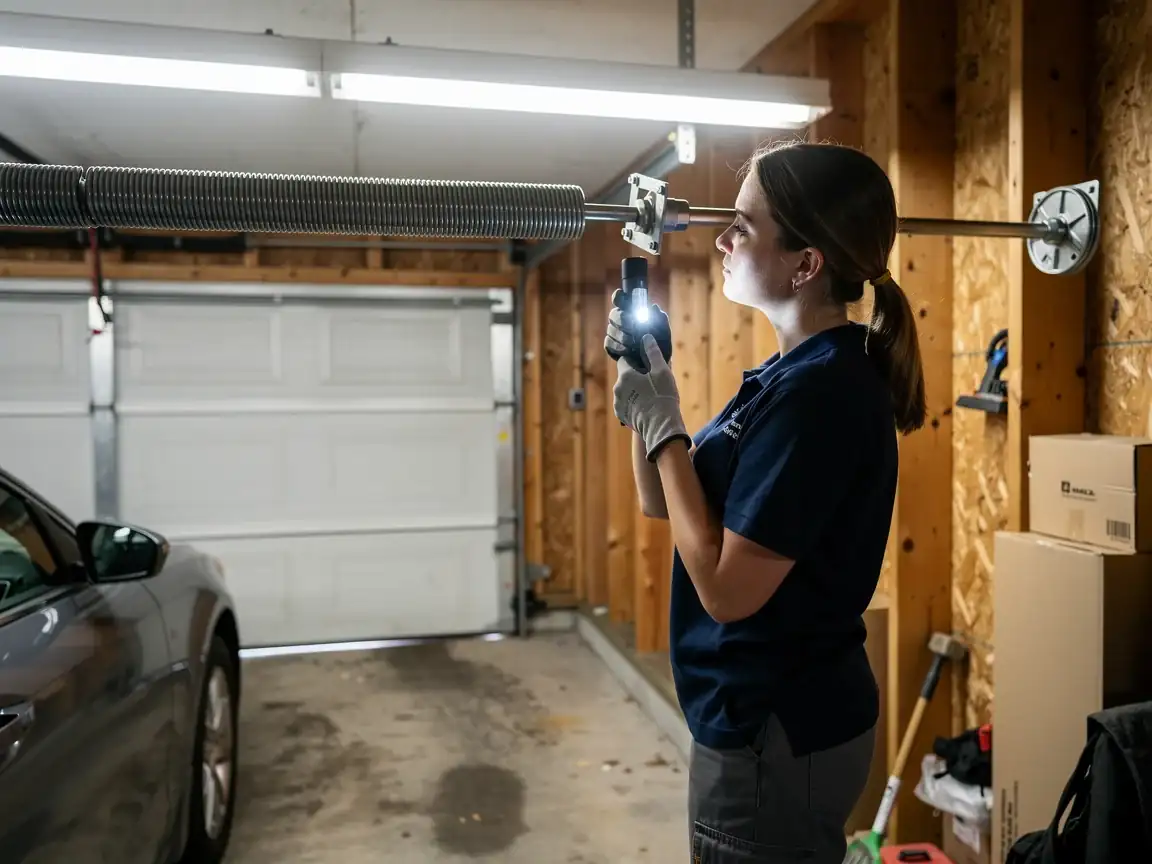
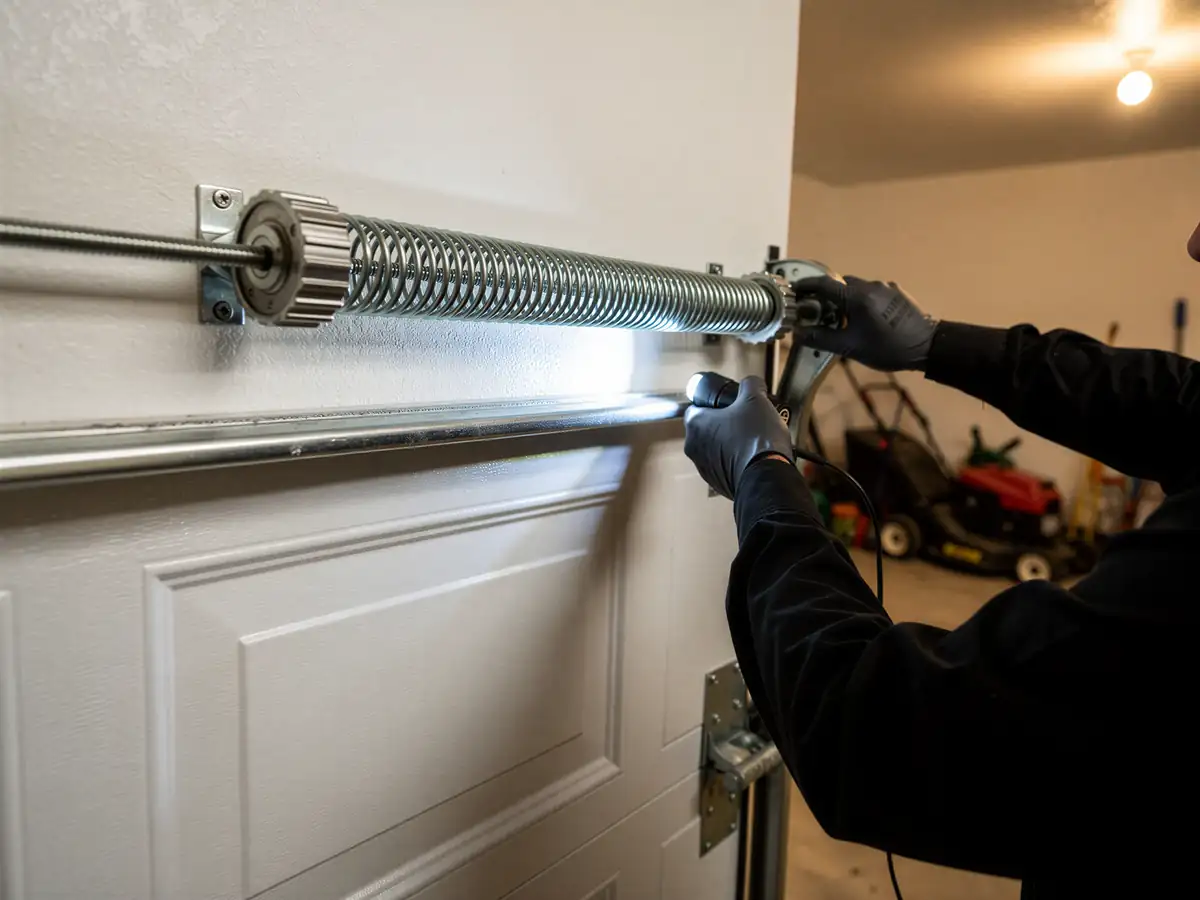
If the door jumped track because a spring is unbalancing the panel rather than because the track itself failed, putting the door back on the rail without addressing the spring just sets up a repeat. We check both before calling the job done, and if the spring is the real cause, we say so rather than just rehanging the door and letting it happen again in a month.
What You Pay
We don't have a fixed number to quote here, since cost on an off-track job depends on whether it's a bent section of rail, a loose bracket, a failed roller, or a combination - and that's exactly what the first look at the door tells us. What we can say is that straightening or reusing track is cheaper than replacing a full run, and replacing a bent section is cheaper than most homeowners expect once they've seen the door hanging sideways in the opening.
Income levels in this part of the service area run well above the regional median, but that doesn't change what the repair actually costs - it changes how fast some homeowners decide to replace aging track outright instead of patching it a second time. We'll lay out both options and the honest cost difference between them before doing either.
How Long It Takes
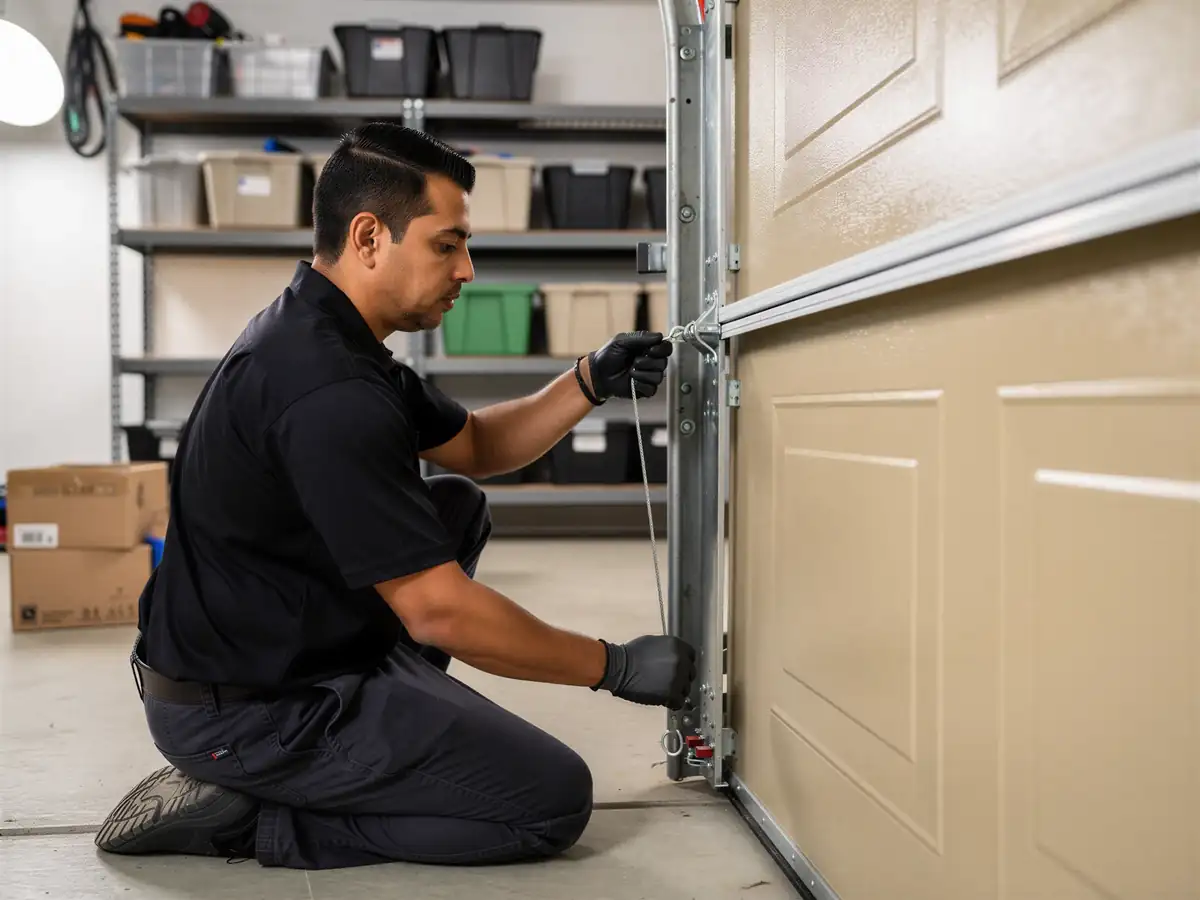
A single roller off the track with no bent rail is usually the fastest fix we do - the door goes back on, the roller gets swapped, and we check the run top to bottom. A bent section of track, which is more common on these older brackets, takes longer because the rail has to come off the jamb cleanly before a new piece goes up straight, and rushing that step is how you get the same problem back in a year.
We won't give a general turnaround time for every Lake Bluff call, because a bracket repair and a full rail replacement aren't the same job. What we will tell you on-site, once we've looked at the actual track and the actual bend, is how long that specific repair takes before we start.