Why This Fails Locally
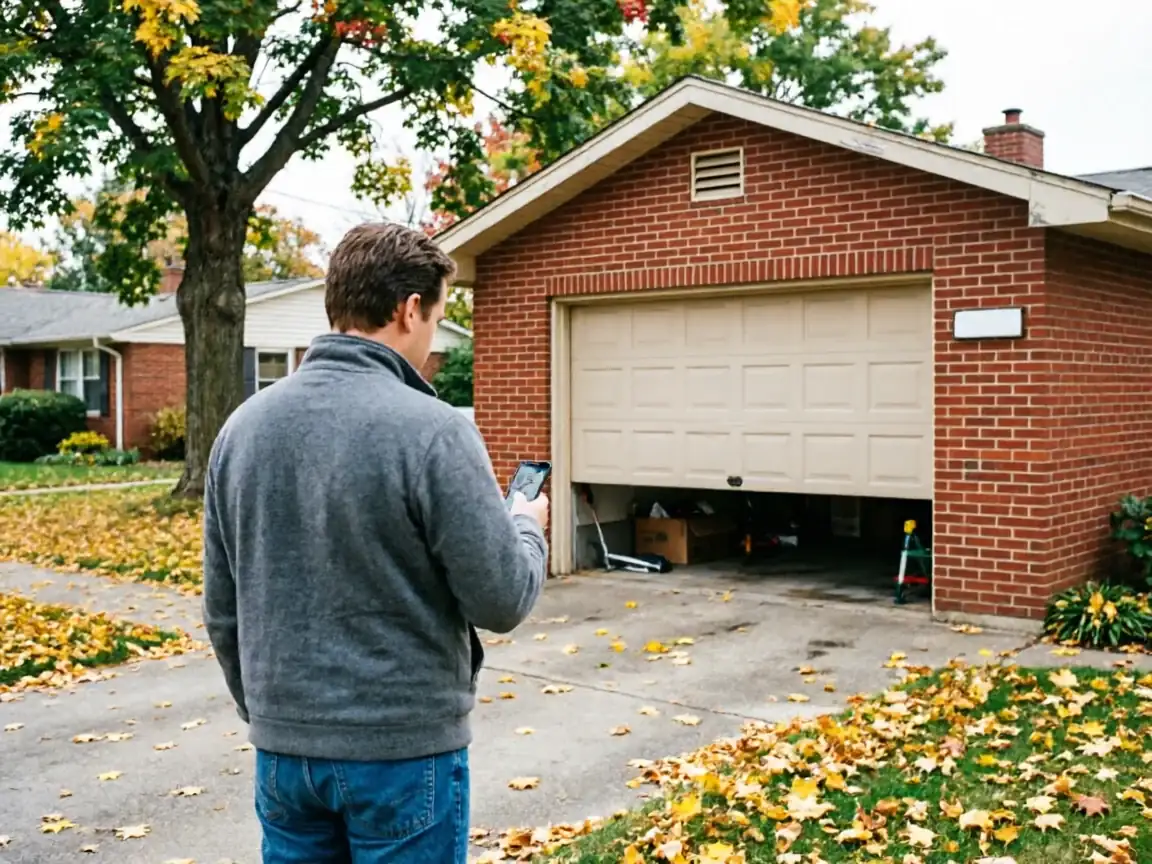
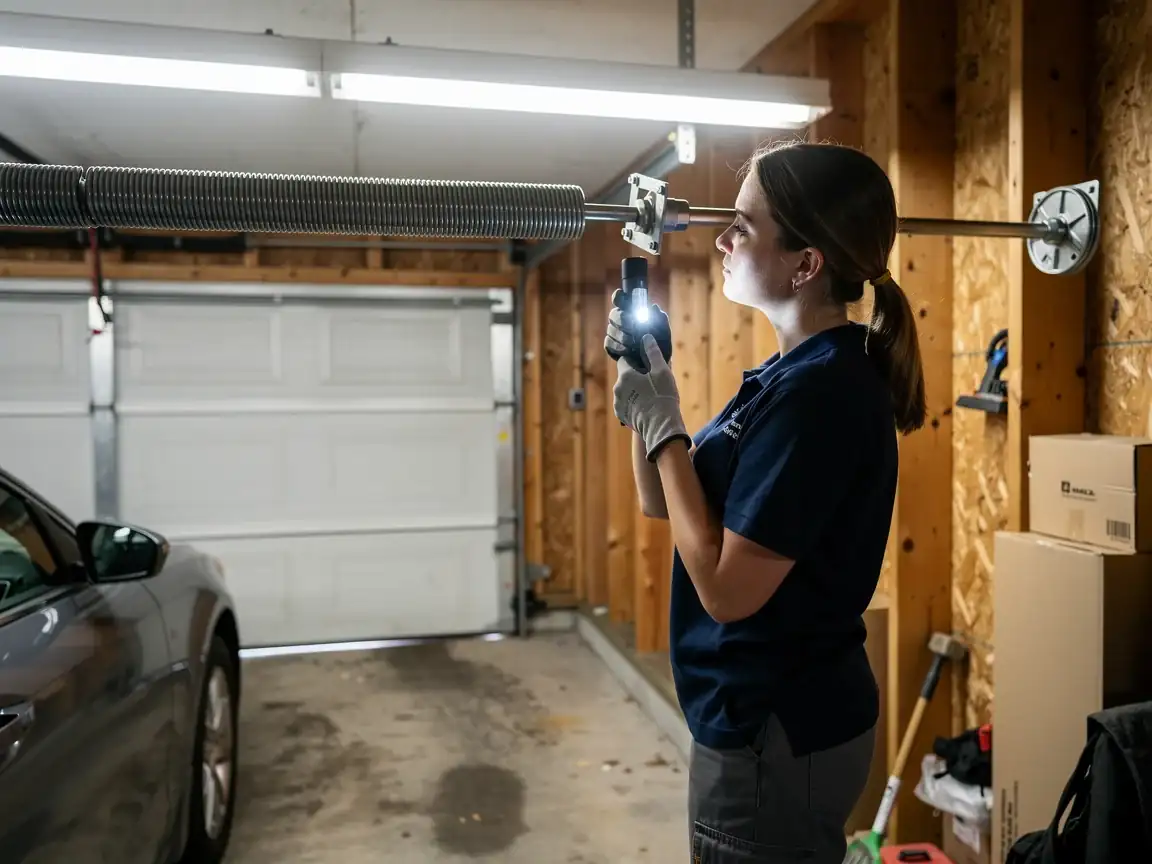
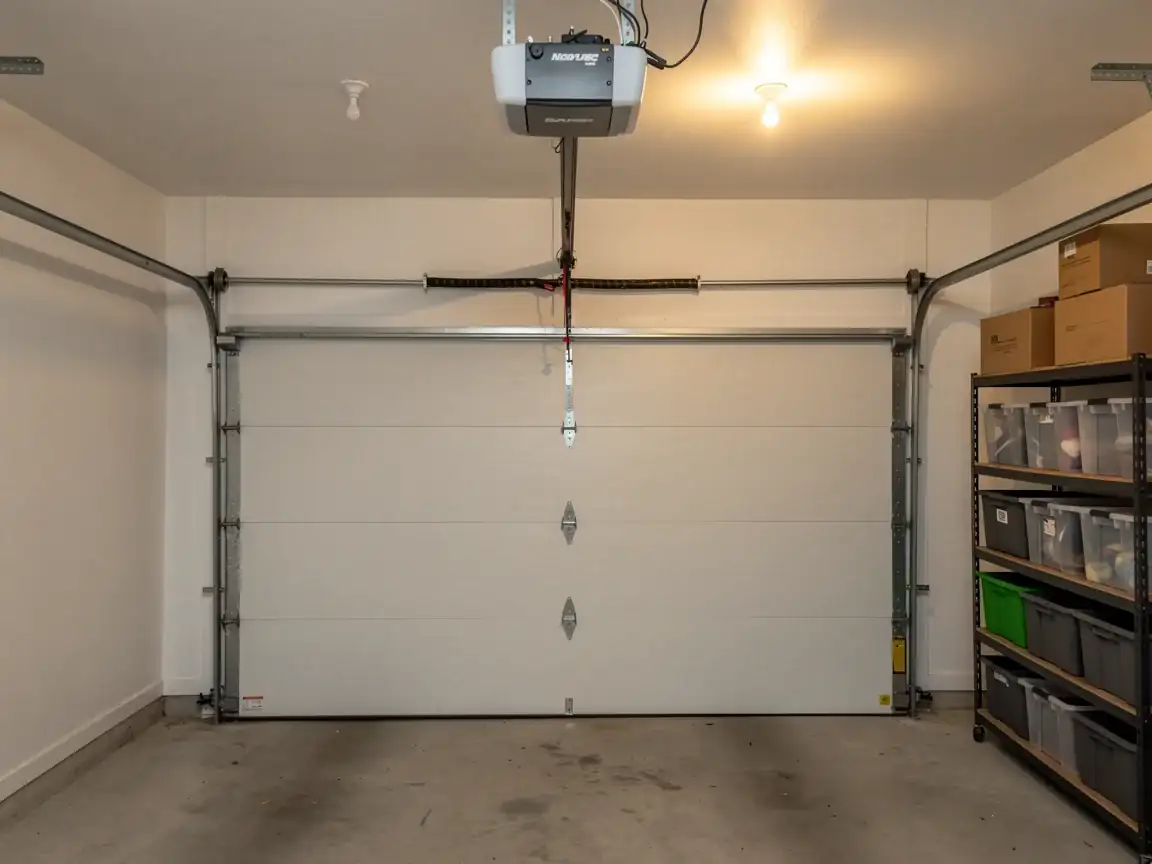
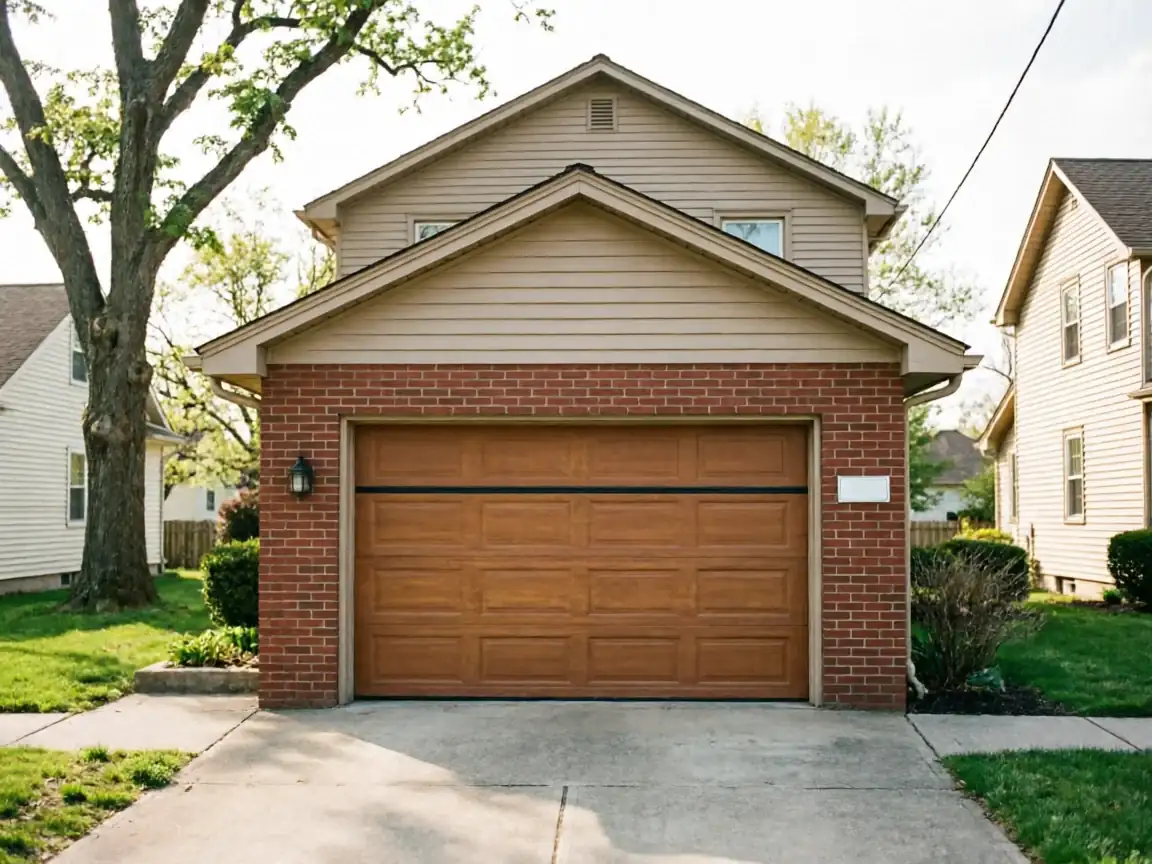
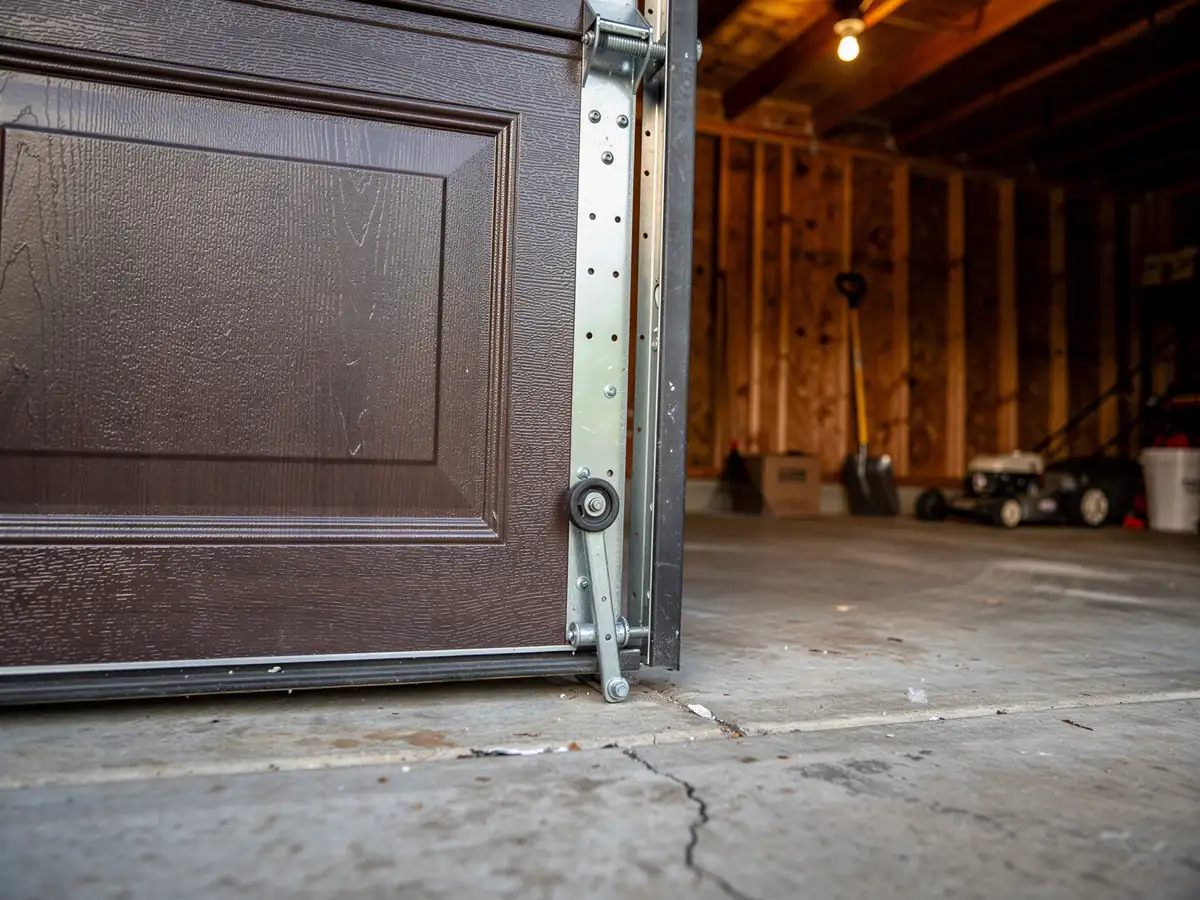
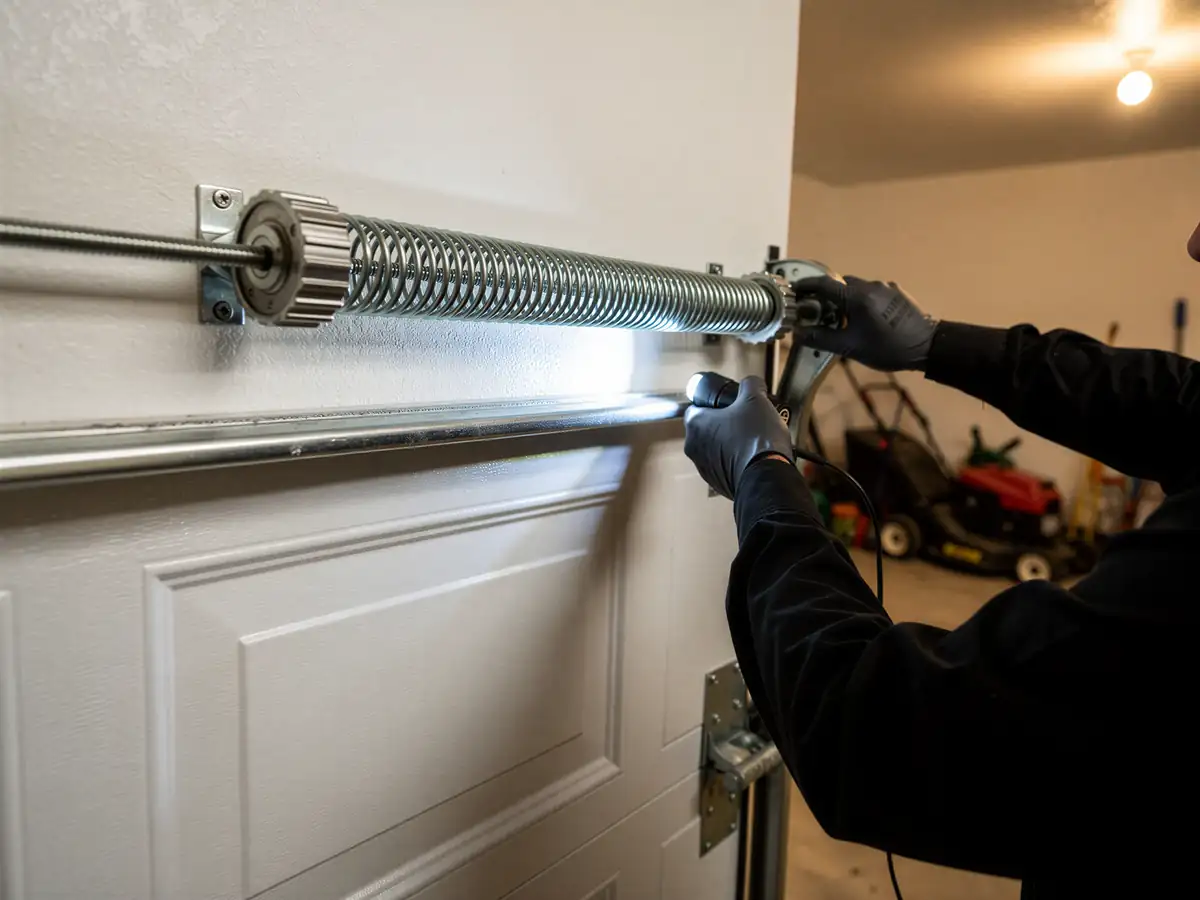
The median home in Lake Bluff went up around 1977, which puts a lot of the town's garage doors and spring sets into the same narrow age band - late-70s builder-grade torsion hardware on steel doors that were standard for that construction wave. A torsion spring is rated for a fixed number of open-close cycles, and springs installed when a house was framed in 1977 have had roughly five decades to use those cycles up, regardless of how well the door was maintained. Because Lake Bluff is a small place with only about 2,174 households, that age concentration matters: there isn't a wide spread of build decades diluting it, so a large share of the doors in town are working through springs from the same era at roughly the same time. What fails isn't usually the door itself - it's the spring, the cable it's wound around, or the end bearing plate that's seized from decades without lubrication. Swapping in a new spring without checking the drum or bearing plate it rides against is how a repair turns into a second call two months later.
What Is on the Truck
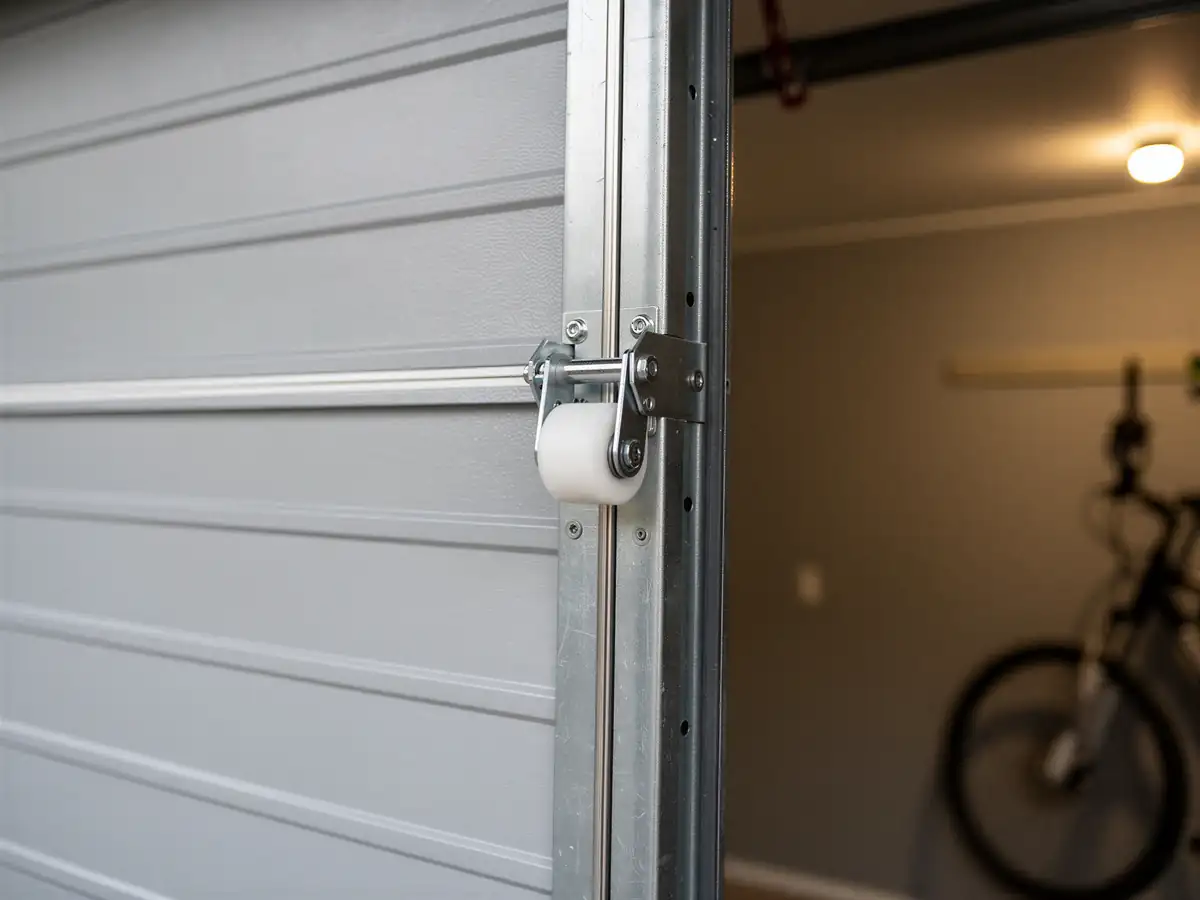
We carry torsion and extension springs sized for the door openings common on a late-1970s to 1980s build - the era that makes up most of what's on the road in Lake Bluff and the towns around it. That includes standard 7-foot and 8-foot torsion springs in the wire gauges that fit builder-installed single and double-car openings, plus the drums, cables, and end bearing plates that usually need replacing alongside a worn spring rather than after it fails separately. We stock safety cables for extension-spring setups that were never fitted with one, which is common on doors from this period. What we don't carry is custom spring stock for openings that have been modified or widened from the original - oversized doors, insulated upgrades with heavier panel weight, or openings retrofitted for a wider car. Those get measured on site and ordered, which means a return trip rather than a same-visit fix. We'd rather tell you that upfront than quote a spring we don't have on the shelf.
What You Pay
We don't have a fixed price list to quote on a page like this - spring cost depends on the size and gauge your door needs, whether the drums or bearing plates need replacing alongside it, and whether the door itself has been upgraded from what the house came with in 1977. What we can tell you is that a straightforward single-spring swap on an original builder-grade door costs less than a job where we're also replacing cables, rollers, or a seized bearing plate found during the inspection. We give you that number after we've looked at the spring and the hardware it's attached to, not before. Be wary of anyone quoting a spring repair over the phone without seeing the door - the wire gauge and wind direction matter, and getting either wrong on a torsion spring is a safety problem, not just a comeback call.
How Long It Takes
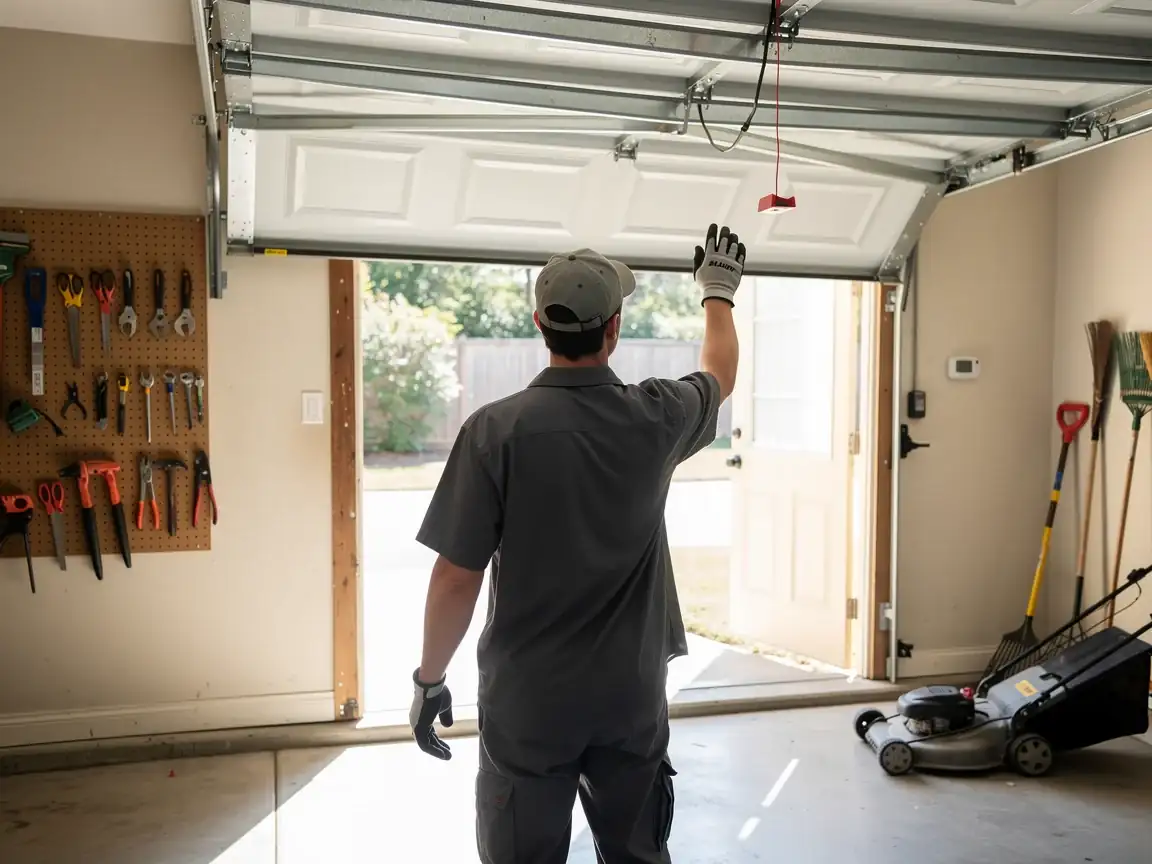
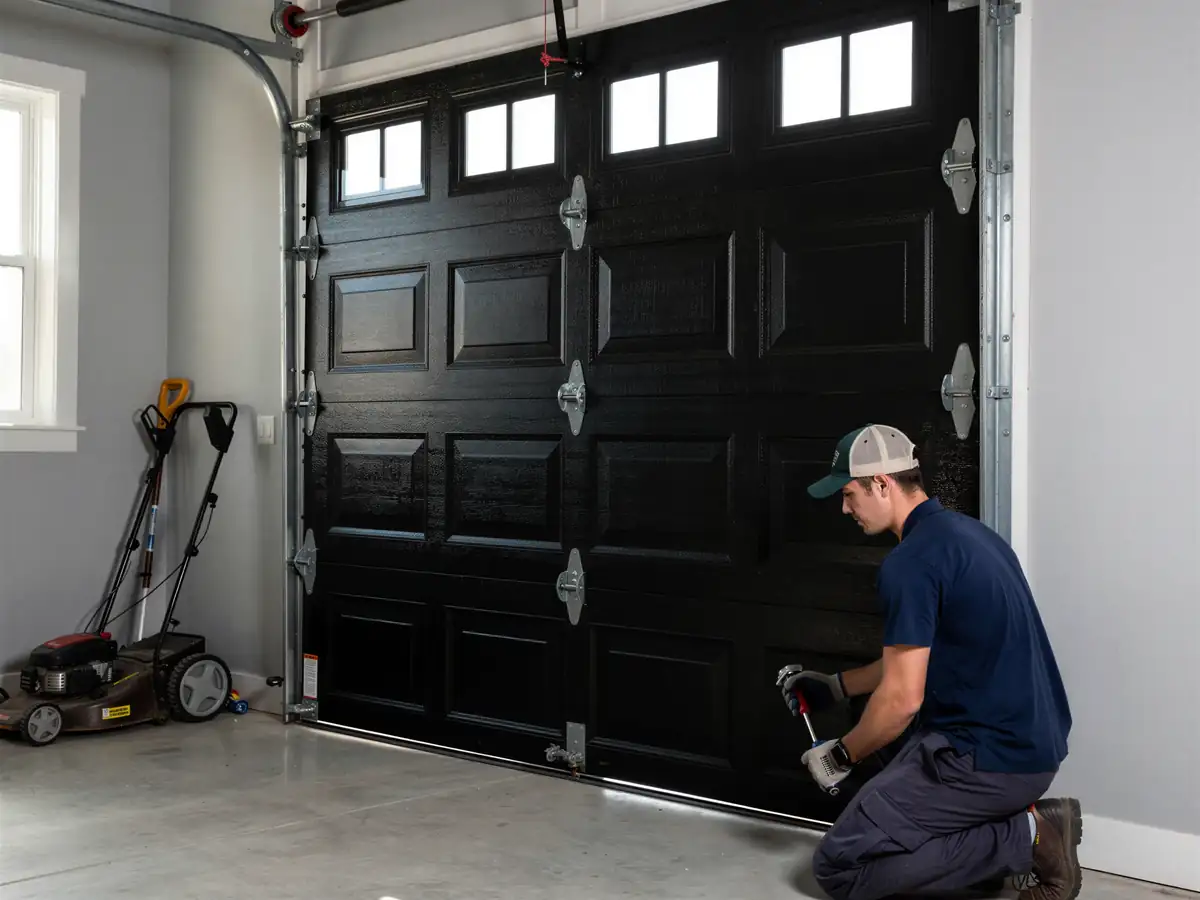
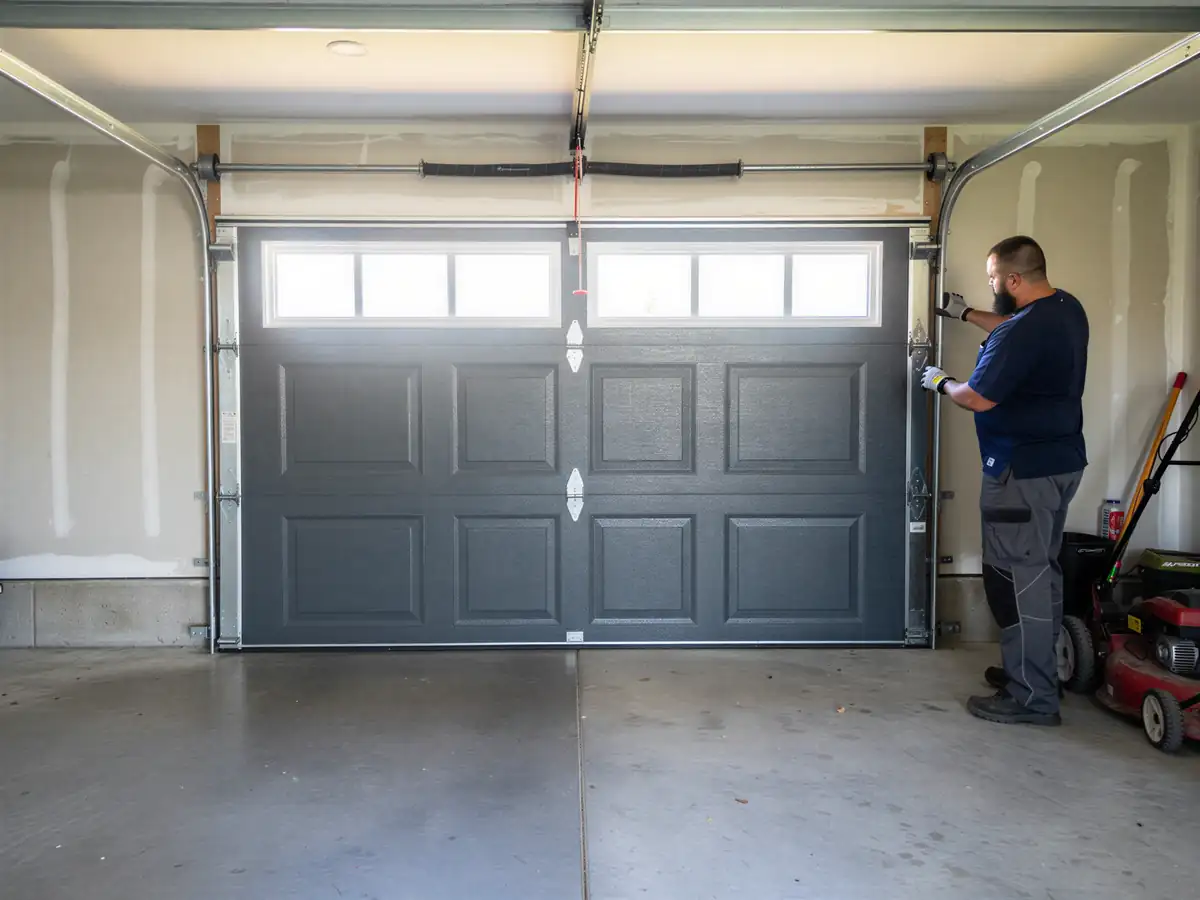
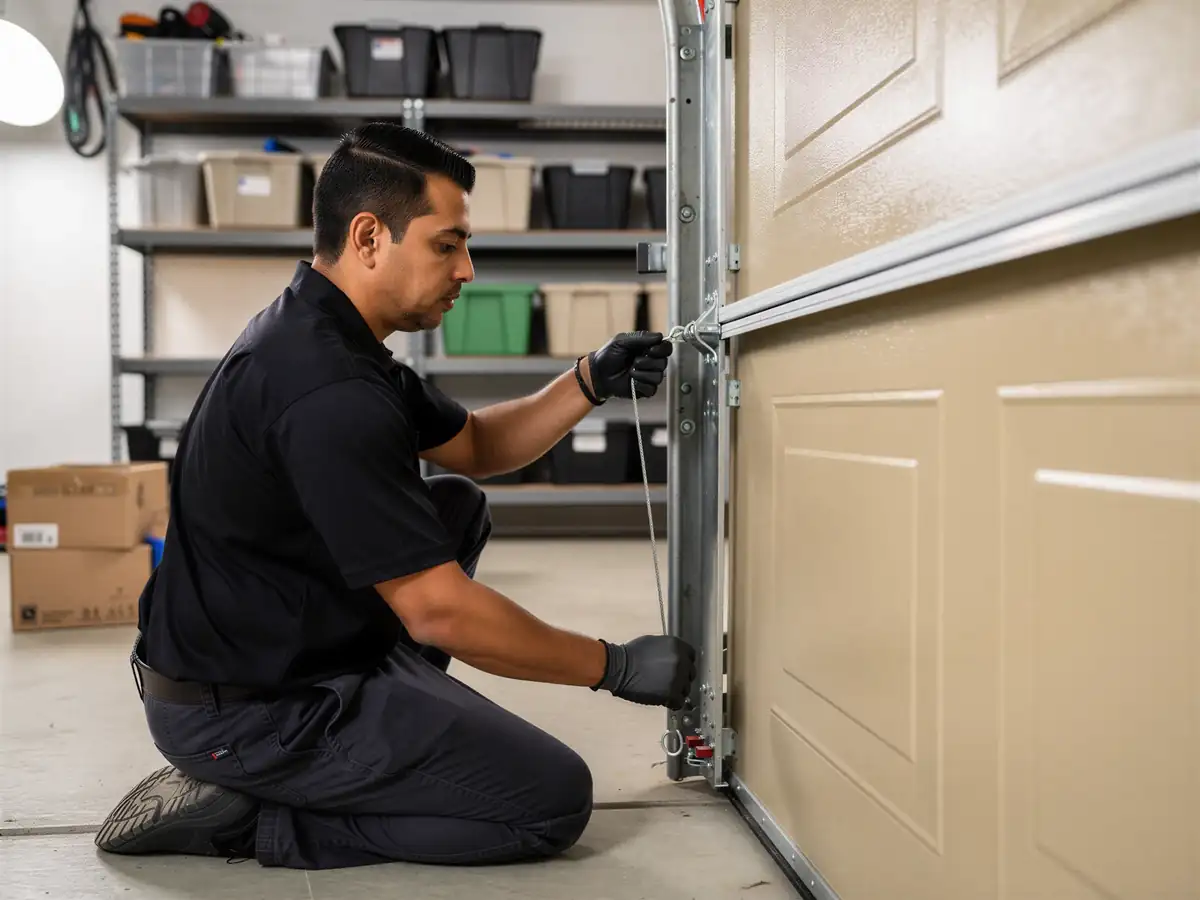
A standard torsion spring replacement on an unmodified door is usually a single on-site visit - the spring, drum, and cable get swapped and the door gets rebalanced and tested before we leave. What extends a job is what's underneath the spring: a bearing plate that's rusted into the shaft, a track that's bent from someone trying to force the door open while the spring was broken, or an opener that's been straining against a dead spring long enough to wear the drive gear. Those get found during the same visit and we'll tell you then whether it's a quick add-on or a second part we need to order. Given that we're routing out from Lake Forest, we build in time for the drive rather than stacking Lake Bluff calls back-to-back, so the window we give you accounts for that three-mile trip both ways.