Why This Fails Locally
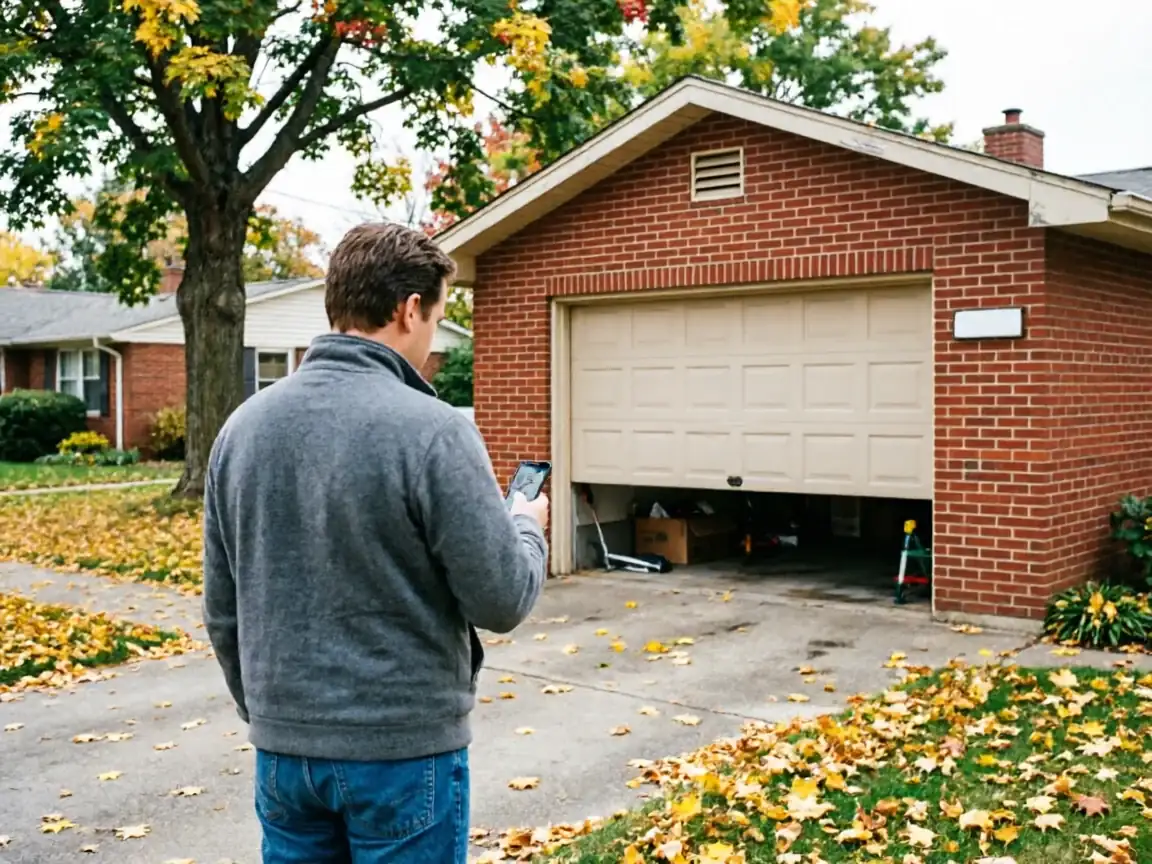
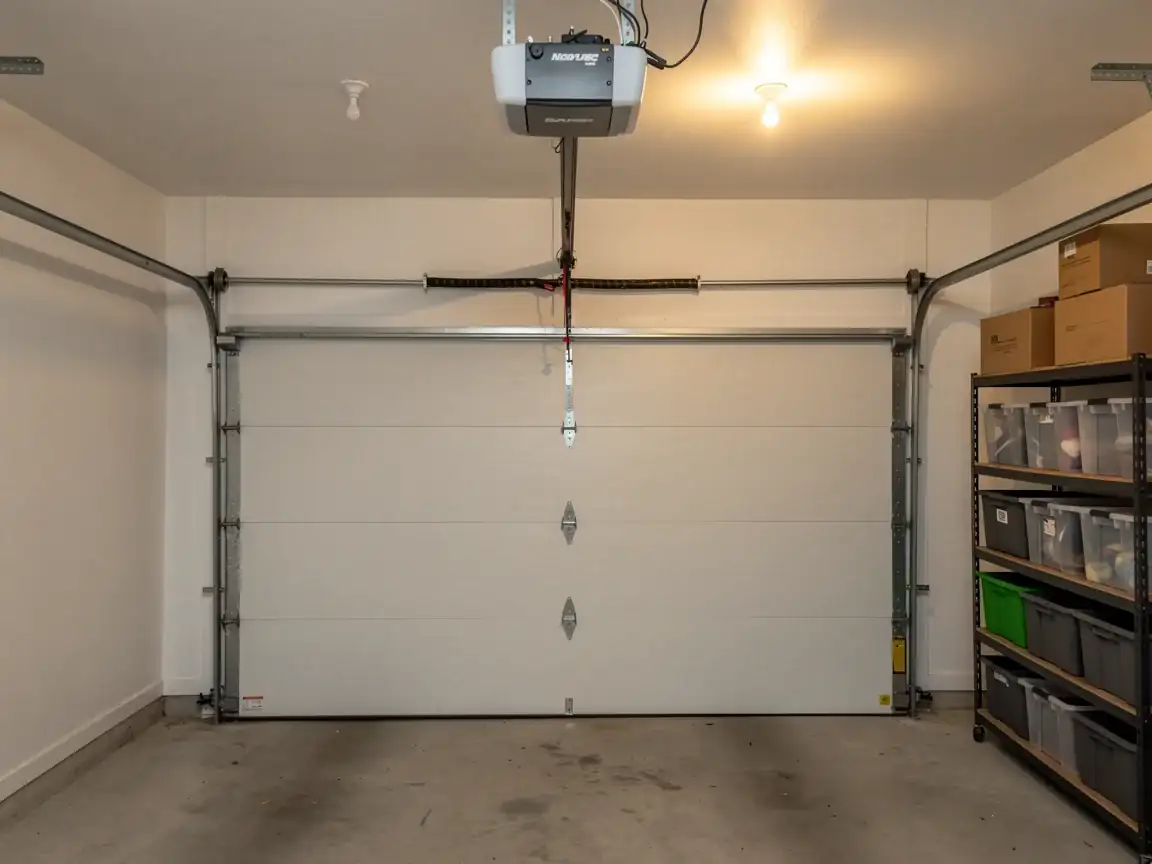
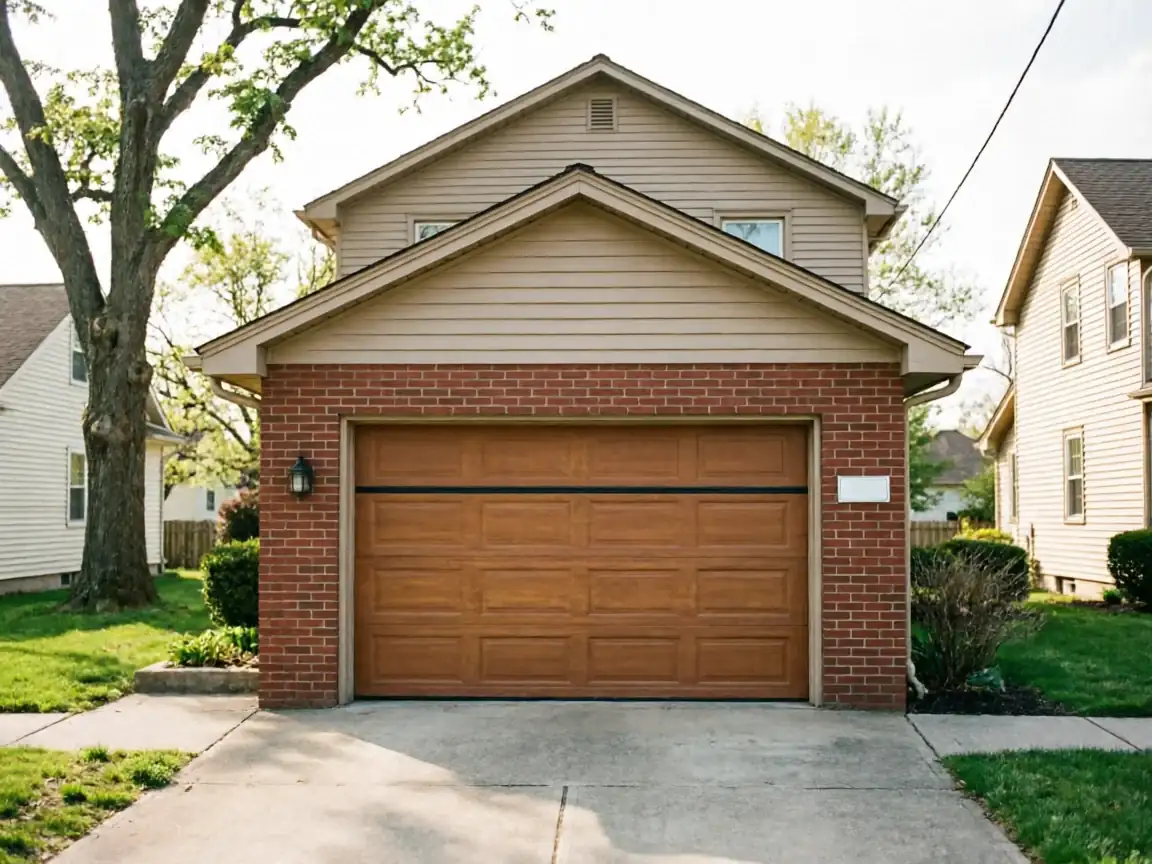
Lake Bluff's median house went up in 1977 - six years earlier than the median for the broader service area we cover out of Lake Forest, which sits closer to 1983. That gap matters more than it sounds. Doors and openers from the late 1970s predate insulated steel construction as the default, and predate the taller 8-foot opening that became standard later. A lot of these garages are still running single-layer steel panels with no thermal break, paired with openers that never got updated hardware. In a cold-climate zone, that single layer does nothing to stop heat loss through an attached garage wall, and the steel itself telegraphs every temperature swing straight into the spring and track metal. Springs on doors this old have usually been cycled past their rated life even if nobody's touched them, and the track alignment on a 45-year-old frame has almost always drifted a little from the house settling. None of that is dramatic until the day the spring lets go or the door won't seal and your energy bill shows it.
What Is on the Truck
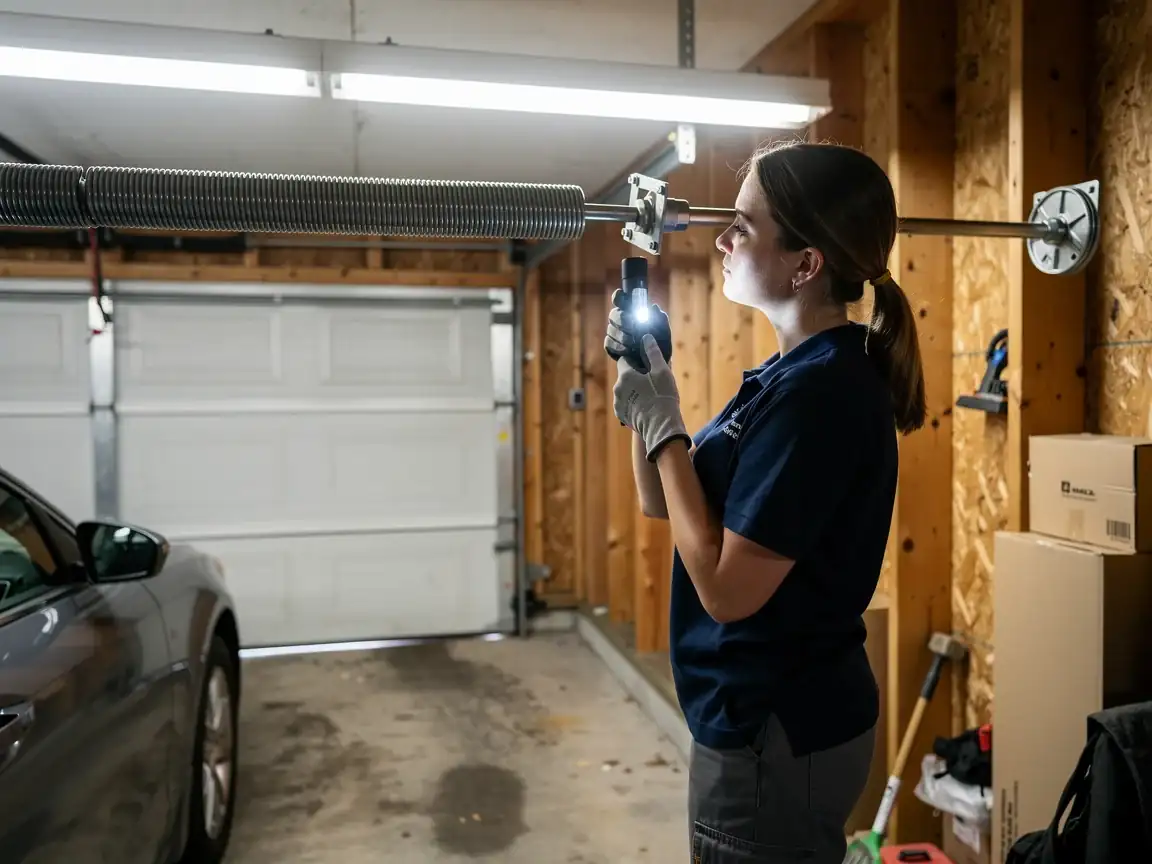
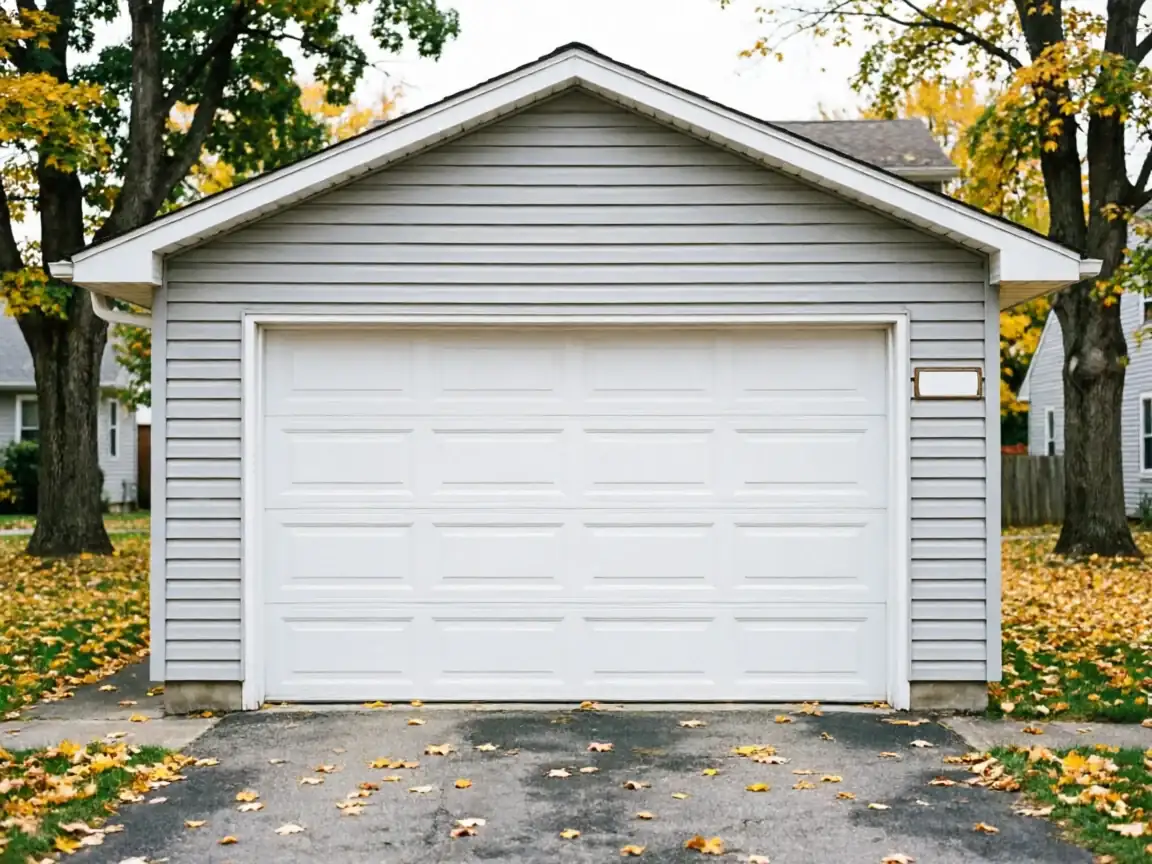
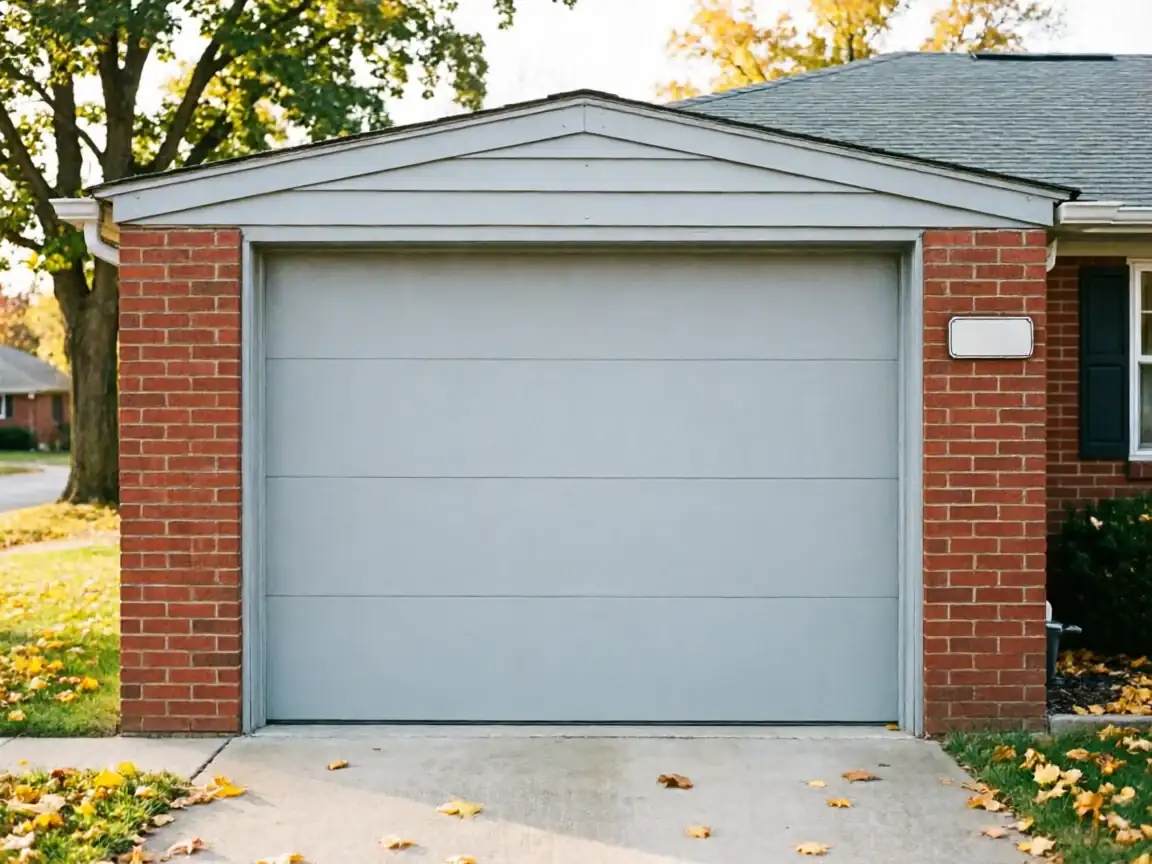
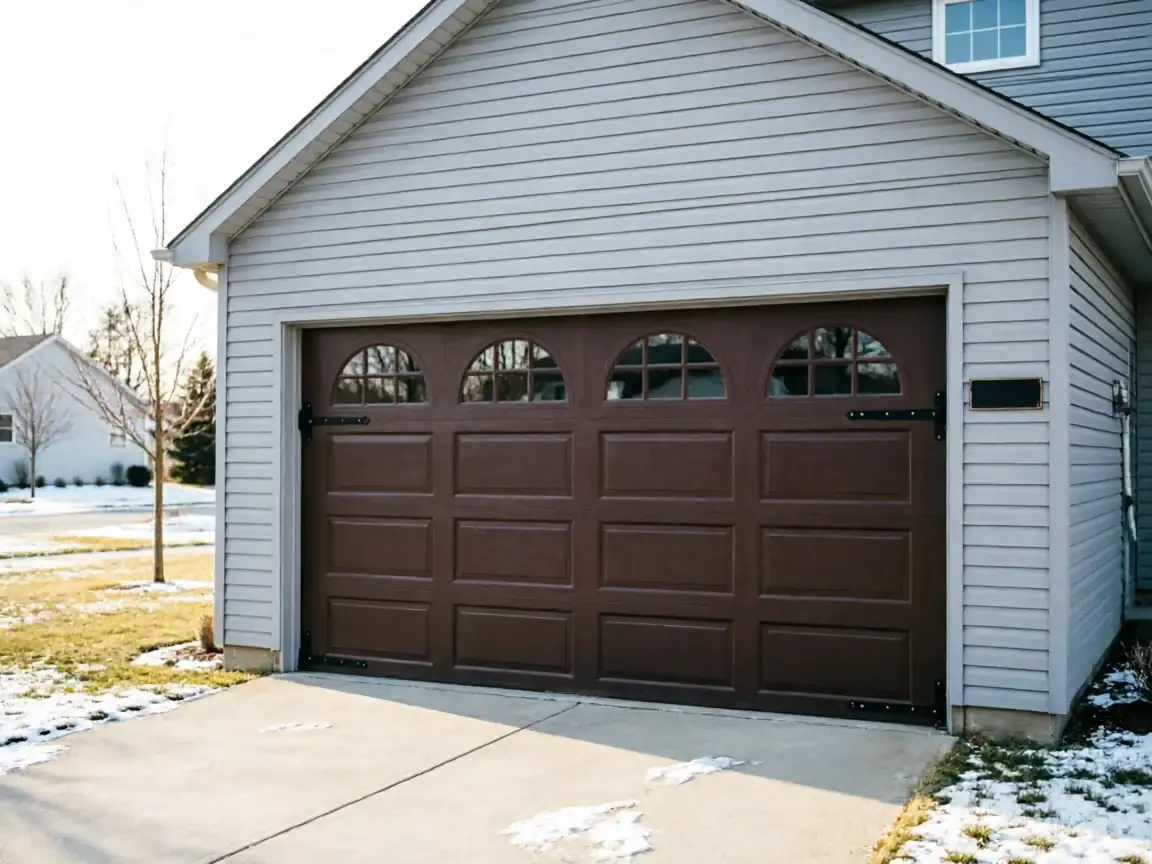
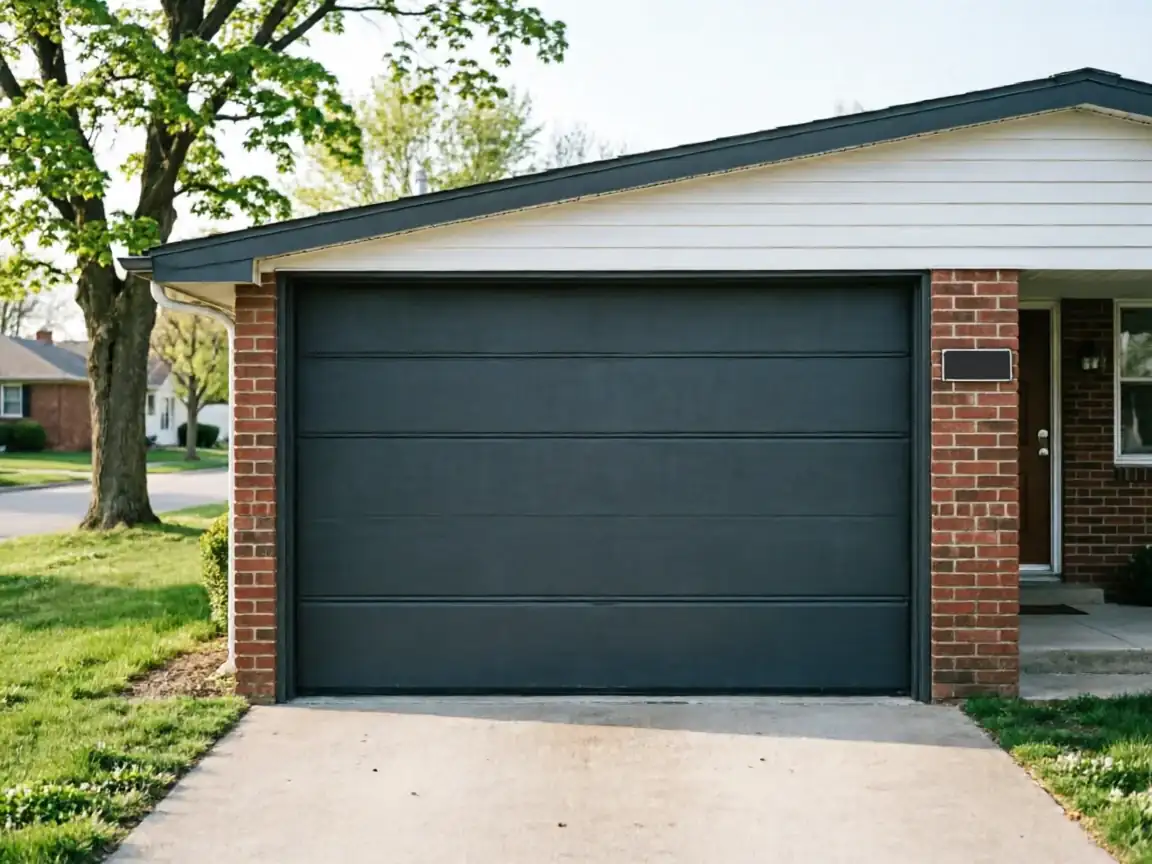
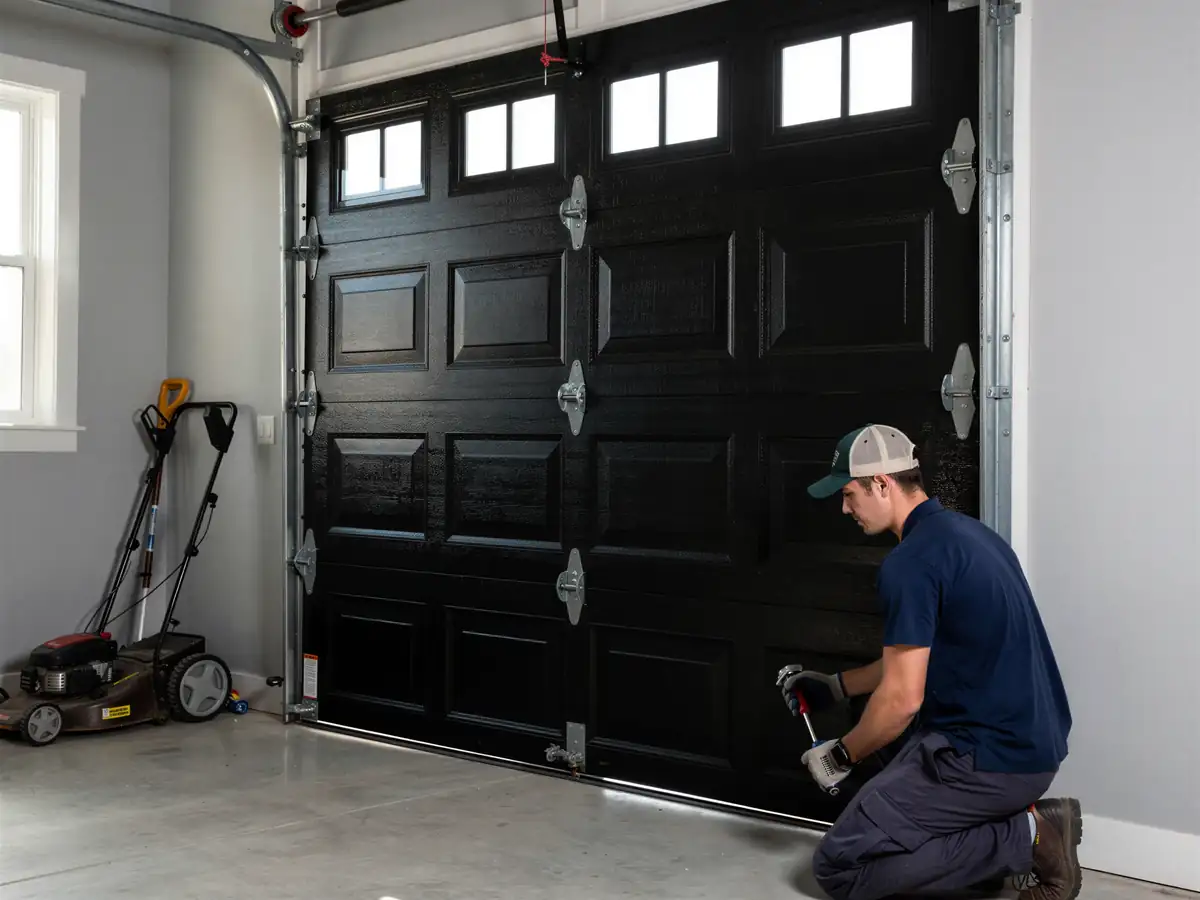
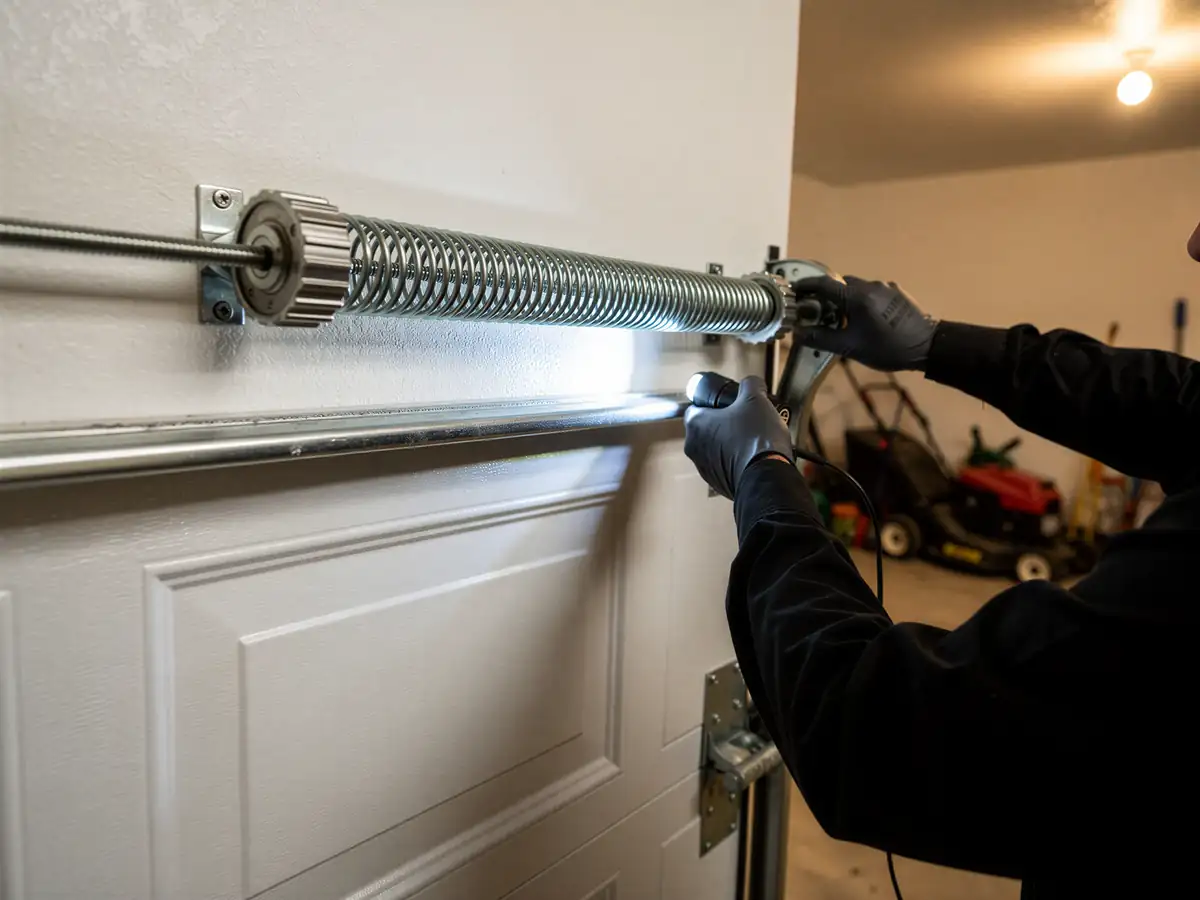
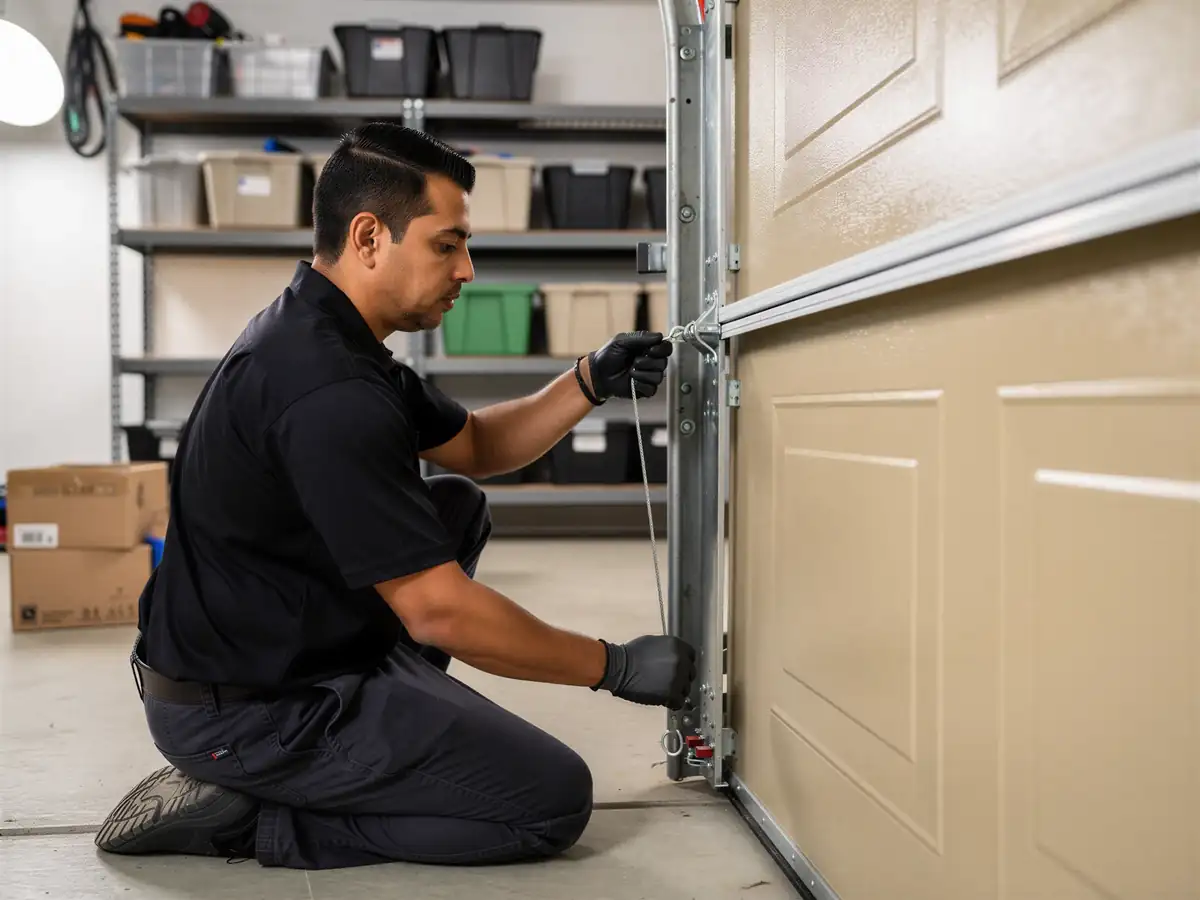
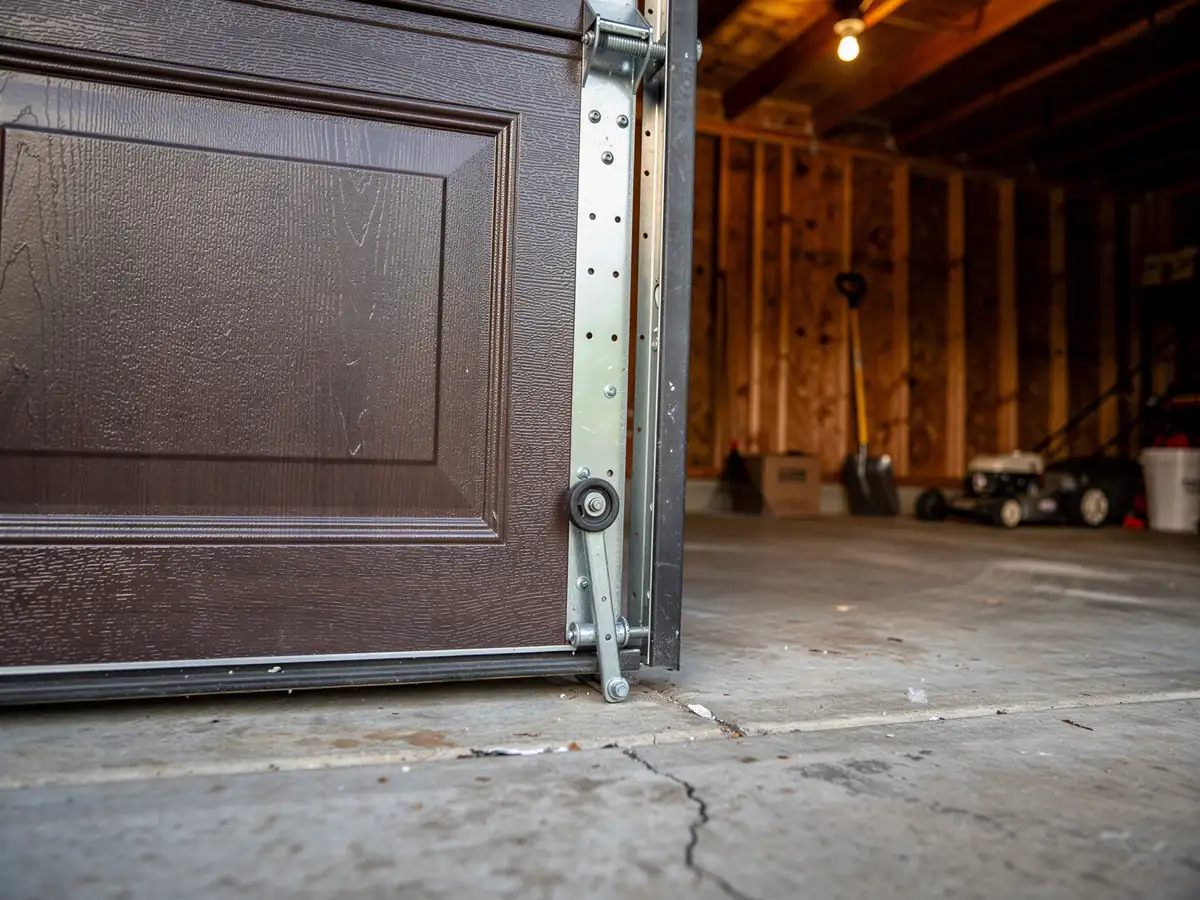
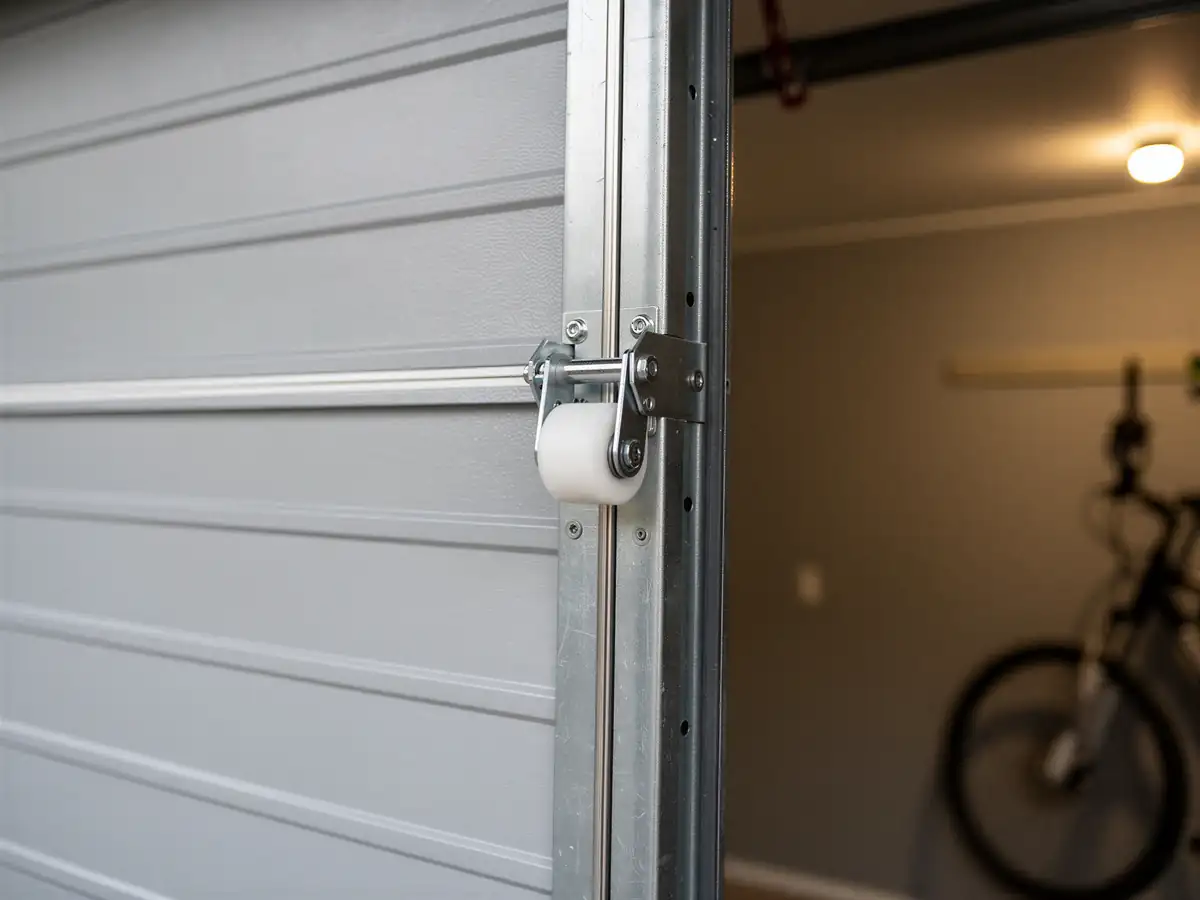
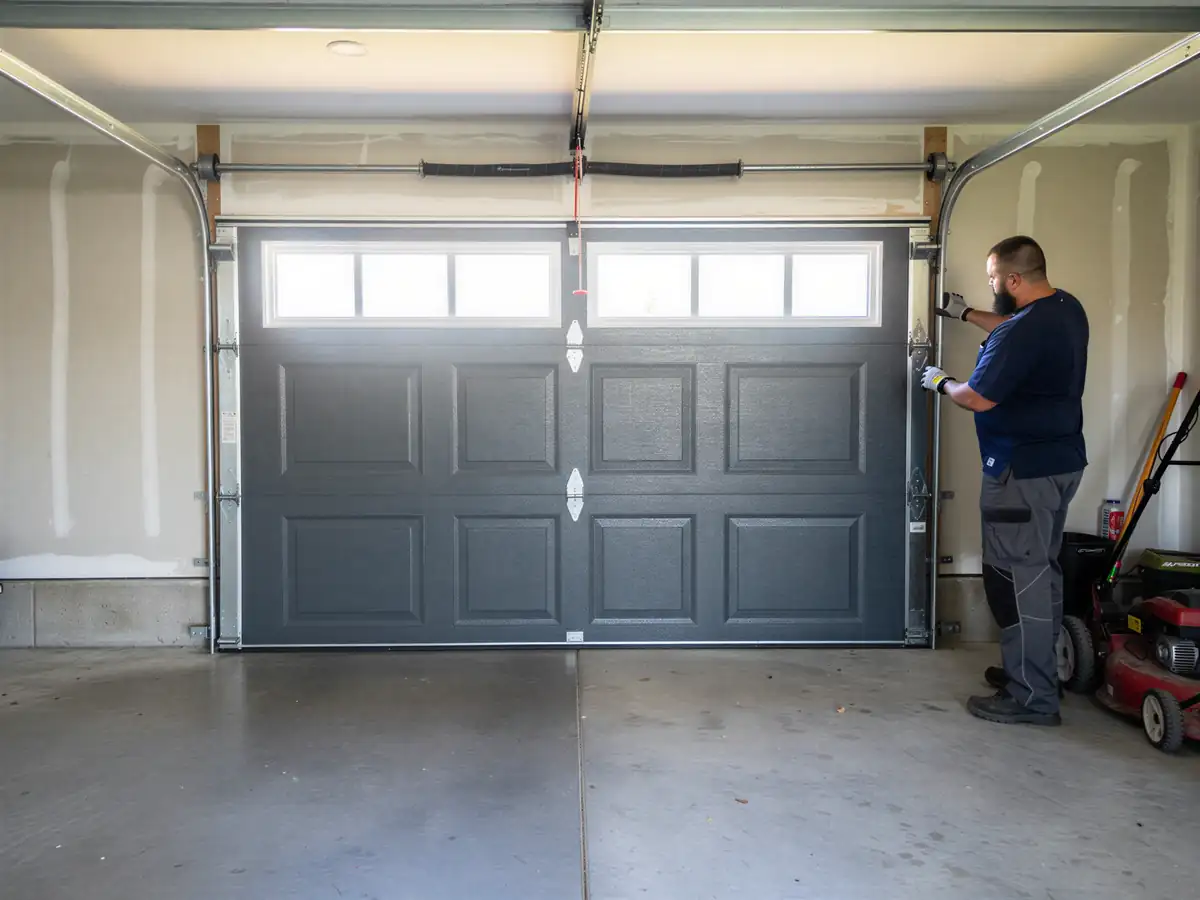
For a house built around 1977, we bring stock sized for the openings common to that era - most of what we install in Lake Bluff ends up being a standard double or single width rather than a custom cut, since these aren't newer builds with oversized bays. We carry insulated steel sections as the default now, since replacing a single-layer door with another single-layer door doesn't make sense in a cold-weather region. Torsion spring sets come in a few standard weights and we size to the door and headroom on site rather than guessing from the old spring. Track, rollers, and cable get swapped as a set on any full install - reusing 40-year-old track hardware on a new door is a shortcut we don't take. Openers go in with current safety features as standard equipment. What doesn't always fit on the truck is an odd custom width; if your opening turns out to be non-standard, that section gets special-ordered and the install gets scheduled around its arrival rather than done same day.
What You Pay
We don't publish a flat number here because the two biggest cost drivers - door width and insulation grade - vary house to house even within a town this consistent in age. What we can tell you is what moves the price: a standard double door costs less installed than a custom width, insulated steel costs more than bare steel, and low-headroom spring hardware (common on houses from this build era) adds labor time a newer house wouldn't need. Given the income level in this area, we see more requests for upgraded finishes and higher-R insulated panels than bare-minimum builder-grade doors, which shifts the average job upward, but that's a choice, not a requirement. A broken spring or a dented panel on an otherwise sound door is almost always cheaper to repair than replace - if that's your situation, our repair page is the right place, not this one. We'll give you a firm number after confirming opening size and headroom, not before.
How Long It Takes
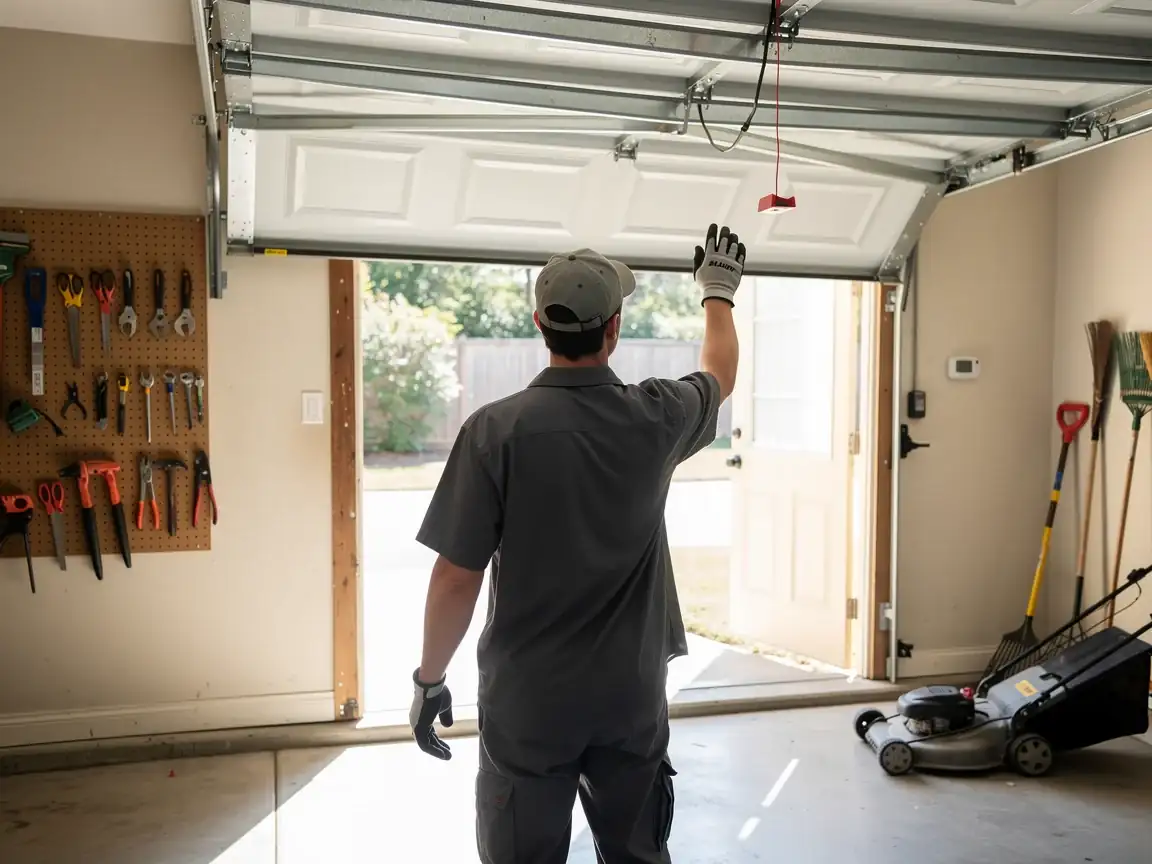
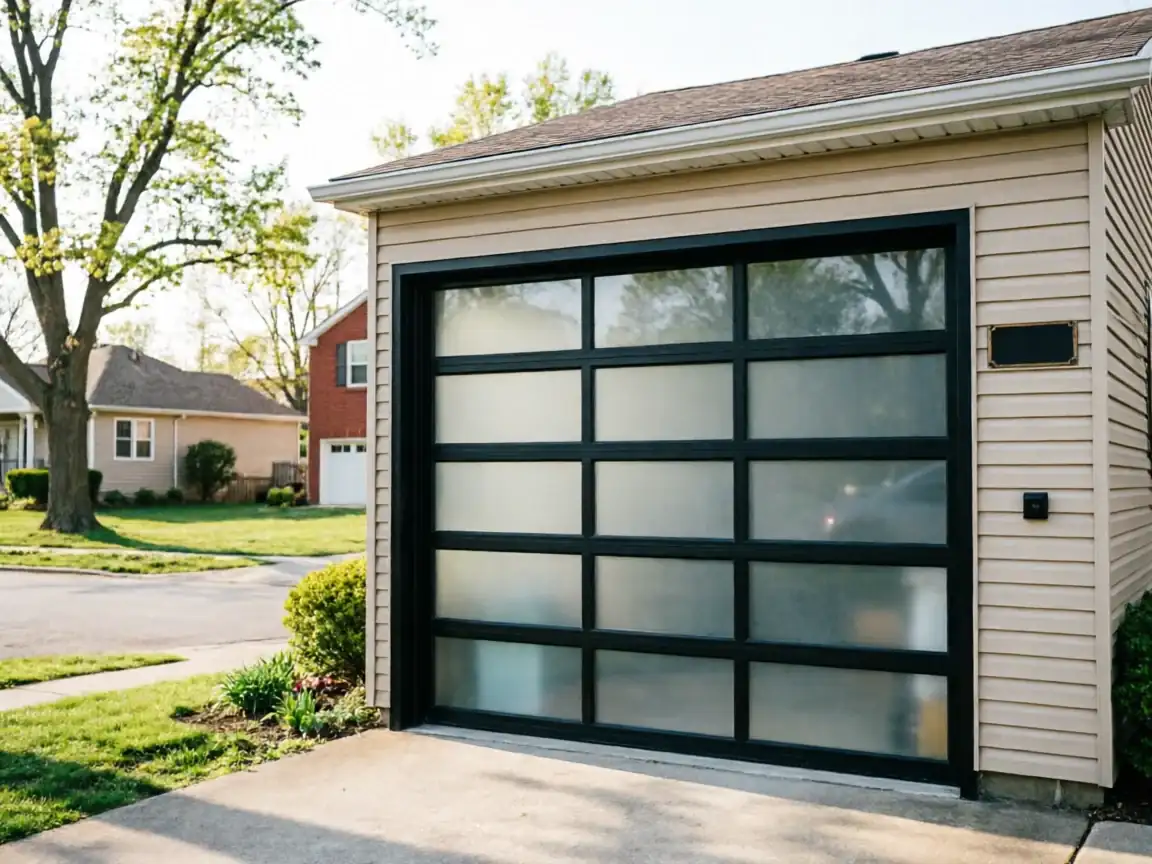
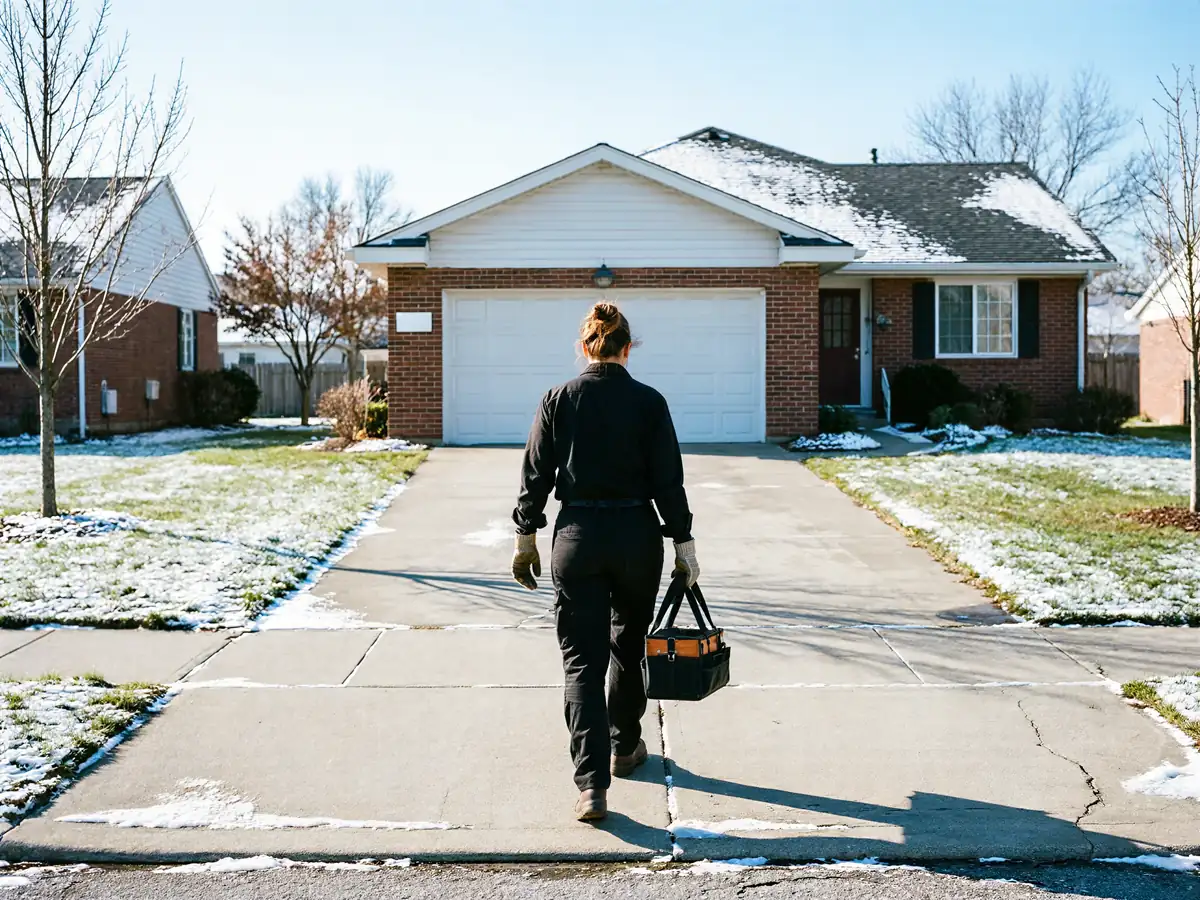
A standard single or double door install on a house like this, with no headroom surprises, usually runs a single visit from our Lake Forest crew - travel is only three miles, so there's no half-day eaten by drive time. Add a low-headroom spring conversion or a re-squared jamb, both common on 1977-built openings, and the job runs longer but still finishes same day. Where the timeline actually stretches is custom width or special-order glass, since that door section has to come from the supplier before we can schedule install day - plan on a couple of weeks from order to install in that case, not from our arrival. Removal and haul-away of the old door happens the same visit as the new install; we don't leave the old panels behind. If the opener is also original to the house, we replace it in the same appointment rather than scheduling a separate trip, since pulling the old door down gives full access to the header anyway.